How NX CAD/CAM revolutionized synchronizer ring manufacturing
The Client
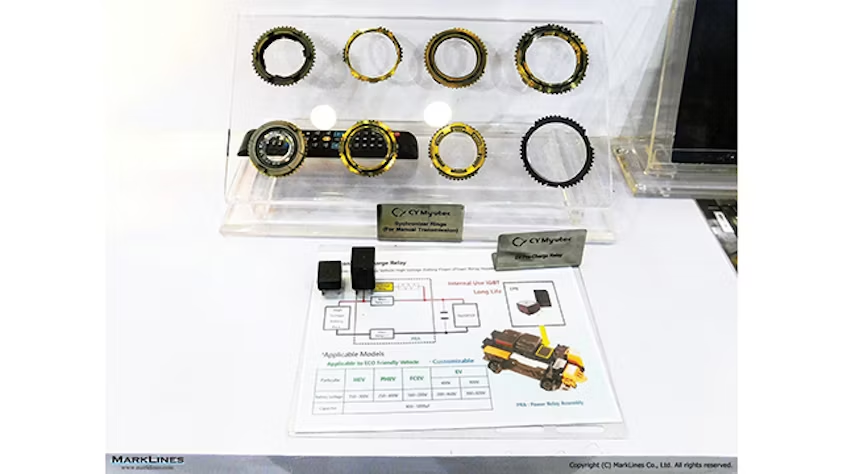
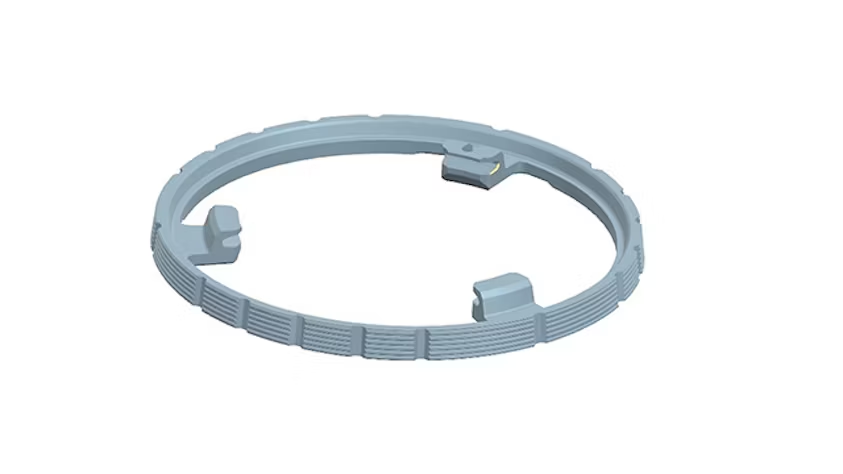
ANAND CY Myutex Automotive (ACYM) is a specialized manufacturer of synchronizer rings for the automotive industry. These components are essential in synchromesh gearboxes, advanced transmission systems that enable smooth gear changes in passenger and commercial vehicles.
The Challenge
ACYM faced multiple obstacles that limited their responsiveness and competitiveness:
Technical Issues:
Design and production teams working in silos
Outdated CAD software without collaborative capabilities
Incompatibility with client file formats
Imprecise generation of complex surfaces
High manufacturing error risks
Business Impact:
Extended development cycles
Delayed customer deliveries
Risk of costly machinery collisions
Loss of competitiveness in an expanding market
“With original equipment manufacturers focusing on high-performance vehicles and expanding electric vehicle offerings, the demand for advanced transmission solutions is increasing” – Pranav Rawal, General Manager at ACYM
The Solution: NX CAD/CAM
In collaboration with DDSPLM (Siemens Digital Industries Software partner), ACYM implemented NX™ software, part of the Siemens Xcelerator business platform.
Key Implemented Features:
Synchronous Technology: Parameter adjustment without historical data
CAD/CAM Integration: Single source of truth for the entire process
Advanced Automation: Customizable tools for toolpath creation
Universal Compatibility: Support for multiple file formats
Integrated Simulation: NC program verification without damage risk
Quantifiable Benefits
Operational Efficiency:
40% reduction in design and production times
40% reduction in concept-to-delivery time
30% savings in operational costs
Technical Improvements:
Elimination of manual transfer errors
Greater precision in complex surfaces
Better machining process control
Significant reduction in material costs
Enhanced Collaboration:
Design and production teams working in an integrated manner
Smooth communication with international clients
Complete version control and traceability
Client Testimonial
“The synchronous technology in NX is particularly beneficial for working with imported data. It allows us to adjust hole sizes or shift surfaces on models without historical data. The same way our synchronizer rings deliver a smooth gearbox experience, using NX synchronous technology provides us the flexibility to quickly adjust parameters and implement design changes as needed.”
Pranav Rawal, General Manager, ANAND CY Myutex Automotive
Key Lessons
Integration is fundamental: Eliminating silos between design and manufacturing generates exponential efficiencies
Technical flexibility matters: The ability to work with diverse data is crucial in global supply chains
Measurable ROI: Efficiency improvements translate directly into competitive advantages
Scalability: Solutions must grow with market demands
Why this case matters
In a constantly evolving automotive market, where electrification and efficiency are priorities, ACYM demonstrated that digital transformation is not just an option, but a strategic necessity.
Is your company facing similar manufacturing challenges? At Goaltech, we help companies identify and implement the technological solutions that transform their operations.
Contact our team to explore how we can accelerate your digital transformation.
Siemens Digital Industries Software and Oracle Red Bull Racing Celebrate 20 Years of Innovation in Formula 1™
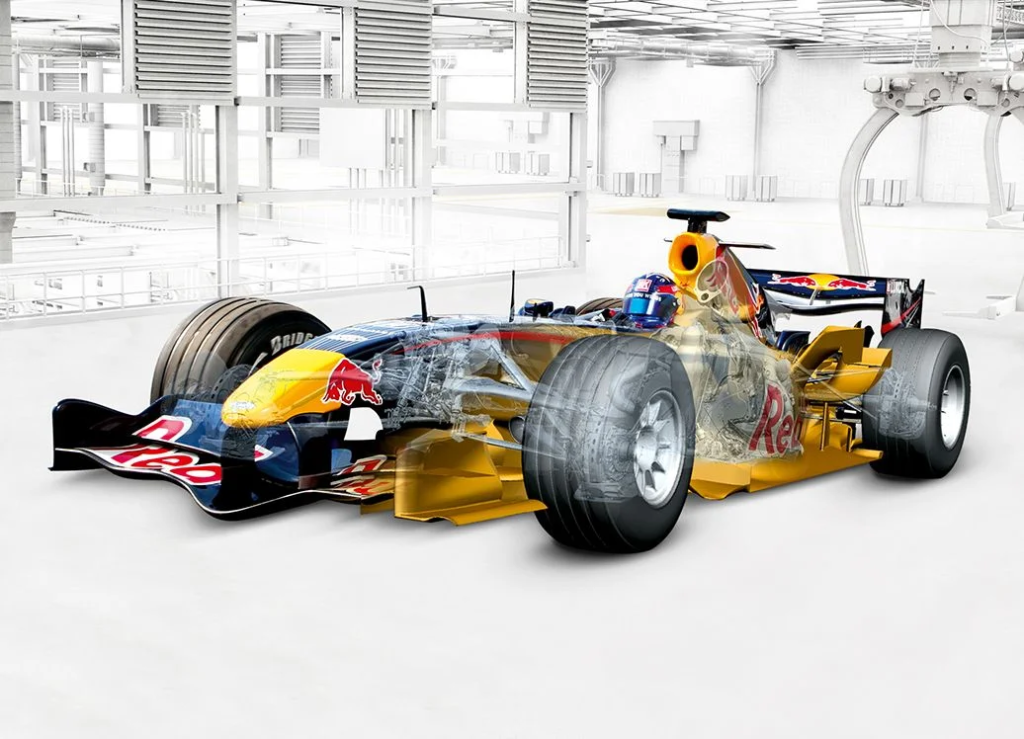
Siemens Digital Industries Software is celebrating two decades of partnership with Oracle Red Bull Racing, marking one of the longest and most successful technical collaborations in Formula 1 today.
Christian Horner, CEO and Team Principal, emphasized the importance of this collaboration: “With Siemens, we have a digital backbone that enables us to turn ideas into reality faster than ever. Their tools give our engineers the freedom to innovate, adapt, and stay agile, which in Formula 1 can be the difference between winning and losing. It’s a partnership that continues to push us to new heights each season.”
Since 2004, Oracle Red Bull Racing has built its engineering infrastructure on the Siemens Xcelerator software portfolio. Since then, the team has effectively managed logistical challenges, increasing design complexity, and the growing number of parts and thousands of engineering changes each year, all while improving manufacturing repeatability.
Today, Red Bull Racing relies on Siemens Xcelerator and the world’s most comprehensive digital twin technology to thrive under the immense pressure of the Formula 1 racing season, designing, refining, and manufacturing cars while continuing to drive the team’s success on the track.
Ben Sheath, Vice President and General Manager of Siemens Digital Industries Software in the UK and Ireland, said: “Working with Red Bull Racing from day one has been an incredible journey, both personally and professionally. I started as an engineer at Siemens, supporting their vision, and 20 years later, I’m proud to see how our collaboration has helped fuel their success. Seeing Red Bull Racing become a powerhouse in Formula 1, knowing Siemens technology has been a key part of that, fills me with immense pride. It’s a partnership built on pushing boundaries, and I’m thrilled to have been a part of it every step of the way.”
Siemens Xcelerator has enabled the team to digitally transform their processes, from reinventing the speed at which engineering changes can be executed and managed, to adopting the latest product engineering technology that allows for rapid part design, composite part development, and harness engineering.
The team is continually designing, manufacturing, and even additively producing parts at their technical center and on the track. When combined with the team’s focus on measurable performance and data-driven guidance for progressive improvements based on real-time actionable information, Siemens Xcelerator supports the team’s leadership in engineering, manufacturing, and ongoing success.
Key Facts: Siemens Digital Industries Software and Oracle Red Bull Racing Technical Partnership
Digital Twin Technology: Oracle Red Bull Racing relies on Siemens’ comprehensive digital twin technology, enabled by Siemens Xcelerator, to design, test, validate, and manufacture championship-winning cars at the incredible speed demanded by Formula 1.
Design Efficiency: The team has seen a 300% improvement in the cycle time of part designs using Siemens NX™ for product engineering. The software’s complex shape modeling capabilities have also made aerodynamic design 1,000% faster per iteration.
Managing Complex Parts: With around 10,000 unique parts per car, the team uses Teamcenter® software to manage specific car configurations required for each track around the world, reducing design approval times from weeks to hours.
Generative Design: The team reduced design time from two weeks to two days by utilizing generative design capabilities in NX to create optimized designs for structural support components and cooling systems.
Composite Materials: Design and manufacturing of composite materials with the support of Siemens’ Fibersim™ portfolio have resulted in a 30% improvement in design time to delivery.
Customized Seats: The engineering team created custom seats that support each driver in an optimal position, reducing fatigue and improving control during races through a combination of Simcenter™, NX, and Fibersim software.
This partnership exemplifies how Siemens technology not only drives performance on the track but also redefines engineering and manufacturing standards in Formula 1.
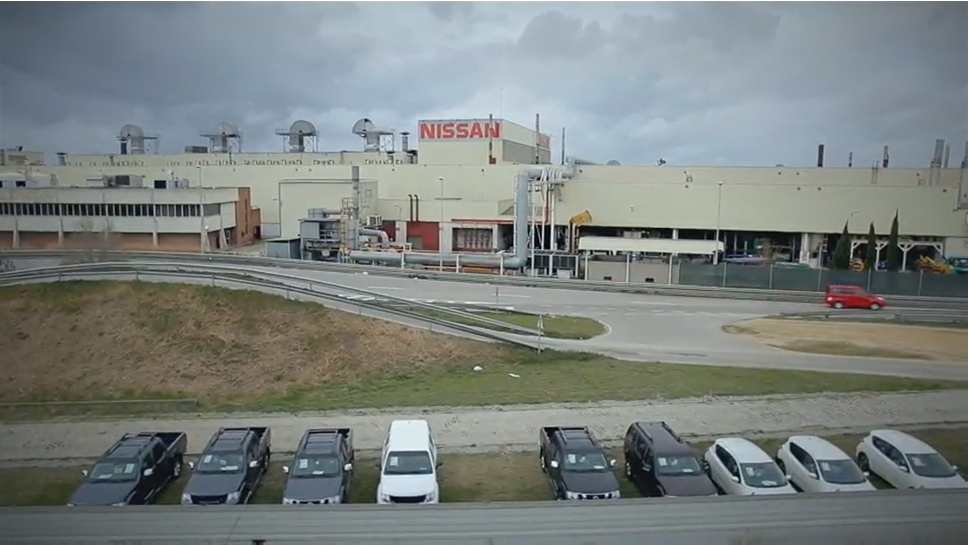
In 2017, Nissan enjoyed a record year with 5,820,000 cars sold globally. That year, Renault-Nissan Alliance became the world’s leading seller of passenger vehicles, surpassing Volkswagen.
Nissan’s brand awareness and recognition is at its zenith. In fact, YouGov BrandIndex, which measures the public perception of thousands of brands in Europe, reports that Nissan is the fifth-ranked automobile supplier (of 38) for United Kingdom (UK) consumers.
To continue increasing brand perception, as well as improving the quality ranking, Nissan sets high standards in regard to engineering quality and reliability, it is essential to understand and address the needs and requirements of its local customers. The role of the Nissan Technical Centre in Europe (NTCE) is to support Nissan’s reputation and ensure that performance attributes of new vehicle designs and concepts meet European consumer expectations. Nissan Technical Centre Spain (NTCE-S) is a center of excellence for the design and development of vehicles manufactured across Nissan’s European production plants, focusing on key activities such as powertrain development, light commercial vehicle engineering and testing.
Nissan is committed to offering its European customers the highest standards of quality and reliability. This is one of the reasons why NTCE-S invested in Simcenter™ software solutions from Siemens Digital Industries Software for test-based durability engineering to bring its engineering capabilities to the next level.
Durability is key
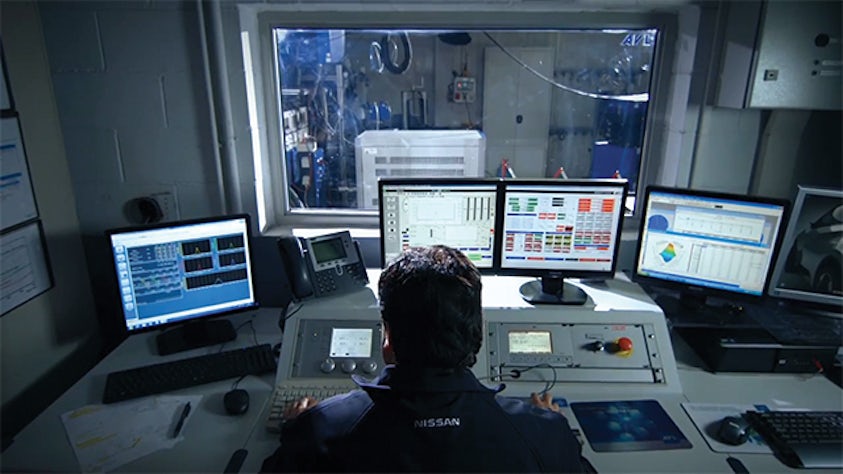
The main role of the function and durability department at NTCE-S is to validate the functional performance of an engine’s components over the vehicle’s lifecycle. To assess performance, the team conducts extensive tests on components fitted on NTCE’s engine dynamometer (dyno). It also evaluates the component’s performance in a full assembly configuration, where the complete vehicle is positioned on the chassis dyno. Finally, the team puts passenger cars and light commercial vehicles (for example, pick-up segment) through fatigue tests, either on the test bench or the test track.
A large number of the tests performed by the function and durability team are durability tests. Durability is an important performance attribute of passenger and light commercial vehicles. In the light commercial vehicles market segment, consumers are inclined to select a brand they trust will support their daily needs.
“Durability is extremely important,” says Arturo Barreu, powertrain durability test engineer, function and durability department, NTCE-S. “In Europe, this attribute is closely associated with the perception of quality. As the demand for quality increases, we need to confirm the durability of our vehicles. Consumers expect vehicles will not break down after only one year, but up to 20 years.”
Other attributes such as ride and in-vehicle comfort, engine power and fuel efficiency are also important in the vehicle’s design. The role of a durability engineer has become more complex as durability engineering teams need to take more parameters into account when conceiving and testing components, subsystems and full systems of next-generation vehicles.
Streamlining processes
One of the steps the team took to improve durability engineering was to invest in solutions from the Simcenter portfolio. With its portfolio, Siemens Digital Industries Software helps streamline the engineering process by offering an end-to-end solution for test-based durability engineering.
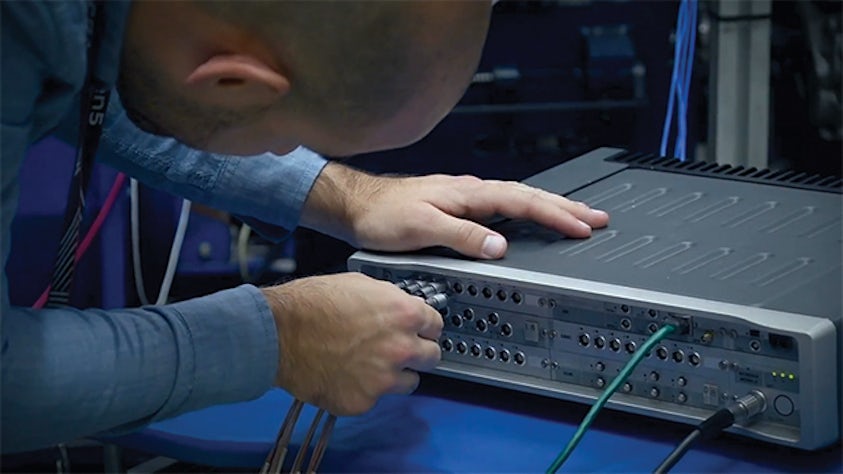
A complete durability test campaign encompasses measurements on the engine dyno, followed by measurements on the chassis dyno, after which the test team moves to the test track. As the engineers are required to move the test equipment from one location to the next and to instrument the test item anew, they appreciate the portability and flexibility of Simcenter™ SCADAS hardware.
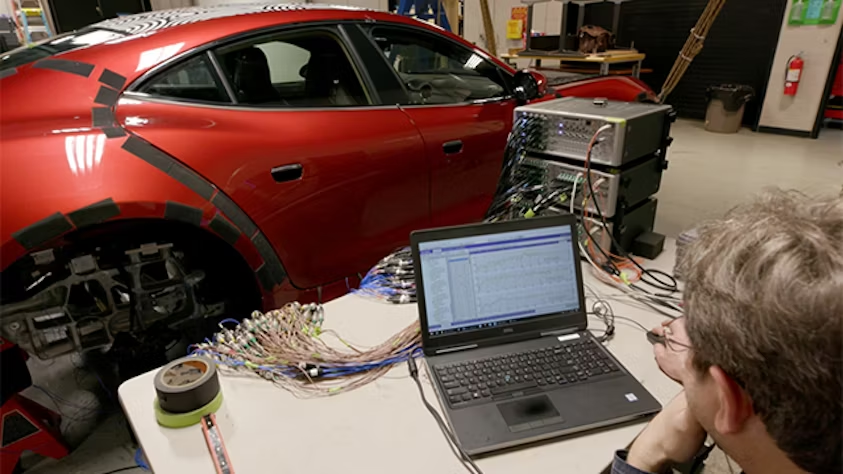
“We use Simcenter SCADAS for all our data acquisition tasks,” says Barreu. “It is a portable system which is very compact. It is also versatile, adjusting to our needs. With it, we can acquire different types of data such as acceleration or strain, using the same equipment. Our Simcenter SCADAS data acquisition systems total more than 100 channels, which we can easily transport from the engine dyno to the chassis dyno and to the test track and back.”
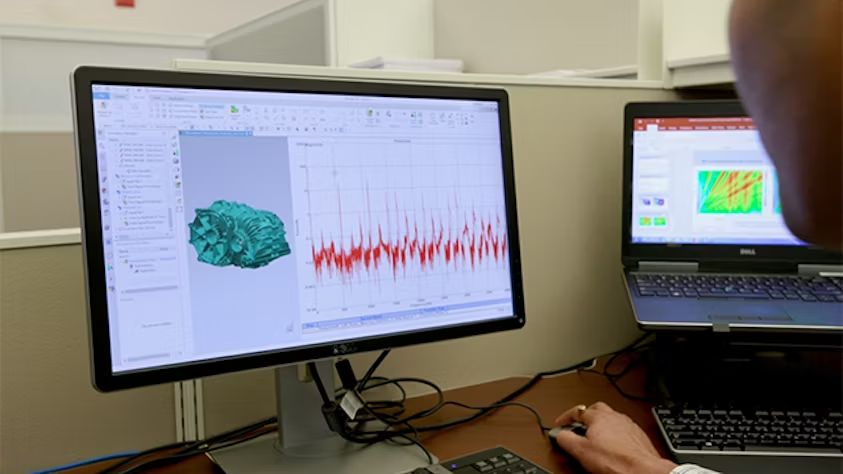
Beyond data acquisition, the team streamlined its durability engineering process by relying on Simcenter Testlab™ software for load and fatigue analysis. The software effectively supports every step of a testing campaign, from data acquisition to load classification and fatigue life prediction. Moreover, it forms part of a platform dedicated to multiphysics test-based performance engineering and, as such, better helps balance the contribution of various performance attributes such as acoustic, comfort and durability, combined with low weight and fuel economy, to the overall perceived quality and reliability.
The function and durability department’s main responsibility is to test and validate the functional performance of enginerelated components. The engineers, meanwhile, acquire, analyze and compare test data on a large number of components and engine subsystems. They combine the outcome of durability analyses, such as time at level, rain flow counting, range pair counting, level crossing, and fatigue life prediction, with typical noise, vibration, and harshness (NVH) analysis results, which can include peak hold spectra, order sections, colormaps, and many more. All durability and NVH data are acquired using the same Simcenter SCADAS hardware, and the analysis is performed in a single software environment, making it a very efficient process for the engineering team.
“The key challenge that we are confronted with is the consolidation of our knowledge,” says Barreu. “We have to test more components now than ever before. These components are also of a different nature. We test more and more electronic components and less mechanical parts. The collaboration with Siemens is essential to adapt to these changes and to validate these new components.”
For the validation of the component on the test rig, the team uses Simcenter Testlab to synthesize an equivalent damage profile and to consequently emulate the damaging events encountered during test track measurements on the rig. This highly efficient process significantly accelerates testing by realistically simulating the damage experienced by the component during the operational life of the vehicle.
NTCE engineers have found that Simcenter Testlab offers great stability, independent of channel count, making it easy for them to configure online analyses. The solution also provides fast and error-free data postprocessing thanks to the Process Designer functionality and offers immediate, clear reporting.
“Simcenter Testlab is our preferred tool for durability validation,” says Barreu. “It is easy to configure and allows us to automate processing. It is also a very good software for quick reporting and data sharing with our colleagues.”
The outcome of the tests produce reliable data that can be endlessly manipulated to deliver deep engineering insight into the fatigue behavior of the components. This data supports the definition of further tests or feeds the simulation models with trustworthy validated information.
“Simcenter Testlab offers an integrated end-to-end solution for load data acquisition and processing,” says Guillermo Gonzalez, function and durability senior engineer, NTCE. “The solution accelerates the delivery of critical durability insights when preparing for test rig campaigns or reliable simulations. It is faster, easier to use and robust.”
We test more and more electronic components and less mechanical parts. The collaboration with Siemens is essential to adapt to these changes and to validate these new components.
Arturo Barreu, Powertrain Durability Test Engineer Function and Durability Department, NTCE-S
Product: NX, Simcenter 3D Solutions, Teamcenter Industry: Automotive & transportation
NASCAR Racing Team Leverages Siemens Software for Competitive Edge
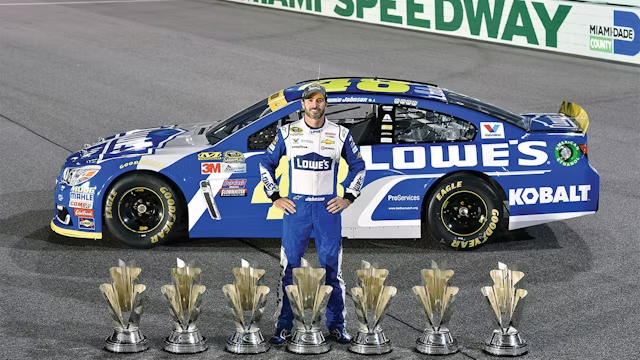
Hendrick Motorsports Hendrick Motorsports, a renowned NASCAR® racing team based in Concord, North Carolina, employs Siemens Digital Industries Software solutions—NX, Simcenter, and Teamcenter—to enhance performance and reliability in their racing operations.
Challenges
Design Compliance: Create and test a fleet of cars that meet strict NASCAR regulations.
Data Accessibility: Improve access to data to maximize time spent on analysis and innovation.
Keys to Success
Digital Backbone: Establish a robust infrastructure using Teamcenter.
Collaboration with Siemens: Work closely with Siemens to optimize new tools with each software release.
Comprehensive Software Utilization: Take full advantage of the Siemens software portfolio.
Results
Rapid Development: Quickly develop new parts and assemblies that improve performance.
Design Optimization: Use NX to evaluate multiple options and refine designs.
Efficient Data Mining: Leverage the digital backbone for faster and more reliable access to data.
As Engineering Manager Tad Merriman stated, “If we can take advantage of rule changes faster, we can develop and implement new ideas quicker, leading to race wins. Siemens Digital Industries Software gives us a competitive advantage.”
Hendrick Motorsports has integrated Siemens software since the early 1990s, transforming their operations by streamlining design, simulation, and manufacturing processes. The digital backbone established through Teamcenter enables them to efficiently manage data across various aspects of their racing program.
Conclusion
Hendrick Motorsports continues to demonstrate that leveraging Siemens Digital Industries Software solutions significantly contributes to their success on the track, allowing for rapid innovation and enhanced performance.
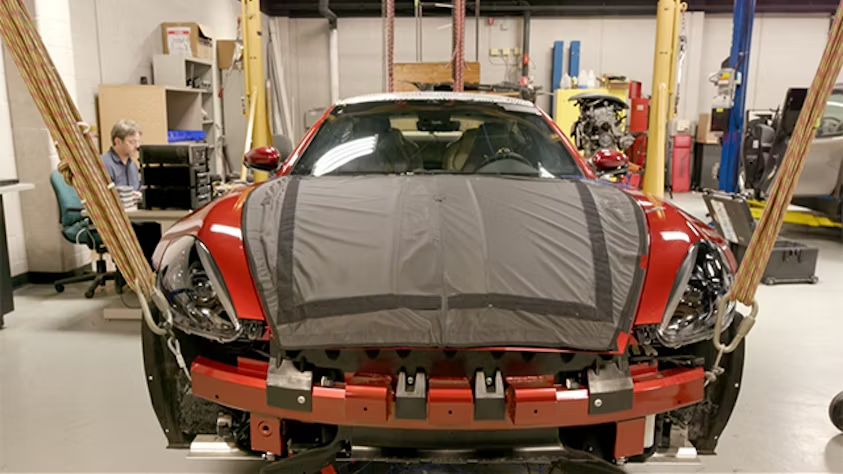
Karma Automotive, a luxury electric vehicle manufacturer, has successfully resurrected an iconic electric hybrid sedan using Siemens solutions to optimize its development process. Based in Irvine, California, and owned by Wanxiang Group, Karma faced the challenge of developing a luxury hybrid sedan, improving NVH (noise, vibration, and harshness) performance, and reducing the number of design iterations.
To overcome these challenges, the company digitized its development processes and received expert assistance from Simcenter engineering services. They used a combination of simulation and testing in the vehicle’s development and adopted Polarion ALM to manage the software lifecycle.
Results:
Surpassed NVH optimization, improving the overall development process.
Enhanced NVH performance with a minimum number of design iterations.
Integrated testing and simulation into a single platform.
Facilitated team and division collaboration through streamlined data exchange.
Bob Kruse, Chief Technical Officer of Karma Automotive, emphasized that Siemens’ consulting services and software tools helped them optimize the process with minimal iterations, ensuring precision and efficiency from the early stages of development.
The rise of electric sports cars: Electrification has revolutionized the automotive industry, with over 12 million hybrid or electric vehicles sold globally. While electric cars haven’t yet dominated the roads, they have reshaped perceptions, and luxury brands like Tesla, BMW, Jaguar, and Porsche have launched high-performance electric and hybrid models.
Karma Automotive, a California-based startup, emerged from the assets of Fisker Automotive in 2014. While maintaining Fisker’s attractive Italian design, Karma significantly upgraded the technology, creating a luxury hybrid sedan that combines the best of the original design with modern technological advances.
NVH optimization in a hybrid-electric sports car: One of the major challenges in hybrid cars is managing engine noise, as the lack of combustion engine noise makes other sounds, like road and HVAC noise, more noticeable. Karma used Simcenter 3D and Simcenter Testlab to balance noise reduction without negatively impacting other attributes, such as weight or durability.
By using simulation and testing simultaneously, Karma efficiently optimized NVH performance, combining hybrid modeling and physical testing. Simcenter 3D helped simulate components under development, while Simcenter Testlab validated these models using physical test data.
Simcenter engineering and consulting services: In addition to software tools, Simcenter’s engineering and consulting services were crucial to the project’s success. These services helped Karma optimize both the product and process development, minimizing last-minute corrections during the validation phase.
The added value of Polarion: To manage multiple software capabilities and facilitate collaboration between teams and divisions, Karma adopted Polarion ALM. This tool allowed them to track objectives from the vehicle level down to the component level, ensuring full control over the application lifecycle and improving agility throughout the development process.
Conclusion: With Siemens’ services, Karma Automotive not only met but exceeded its technical targets. The combination of simulation, testing, and an optimized process allowed them to successfully launch their luxury hybrid sedan to the market. With this process firmly in place, Karma is ready to take on new challenges and expand its electric vehicle lineup in the future.
Vehicle cooling systems are indispensable since they not only improve an occupant’s comfort but maintain the vehicle’s correct internal temperature and protect key components. They extend the lifetime of engines and ensure proper performance, reducing harmful exhaust emissions. Therefore, the largest automotive companies want high-quality components, which means cooperating with partners who can guarantee their product’s quality.
ESTRA Automotive Systems (ESTRA) is a global leader in the automotive cooling system industry. It has been in business under its present name since 2019, but its history in the automotive industry dates to 1998. That is when it began to build its position, specializing in the design, validation and production of vehicle thermal components and systems. Today, its operations include offices and technology centers around the world, as well as 14 production plants, including one in Zabrze, Poland.
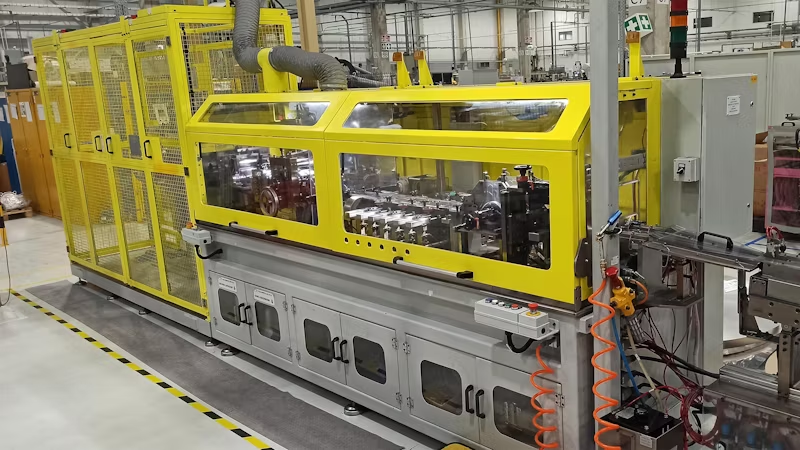
This is where the company manufactures vehicle powertrain cooling modules, including liquid-cooled condensers, heat exchangers, radiators and condensers. Due to its many years of experience and competencies in cooling systems, ESTRA provides solutions for internal combustion engines (ICEs), electric and hybrid vehicles. For these vehicle types, ESTRA provides solutions tailored to their unique characteristics and manufactures them with the utmost attention to detail.
Using Opcenter for global MES
The automotive sector requires companies to meet stringent constraints for product quality, process validation and certification. With the increasing sophistication of cars and their systems, manufacturers’ expectations regarding individual component quality from external partners are also changing. Due to these strict requirements and manufacturing processes, ESTRA sought out and implemented a manufacturing execution system (MES), which they integrated in their Asia-based markets. However, to integrate this system globally meant the current system would not be sufficient due to support and standardization challenges.
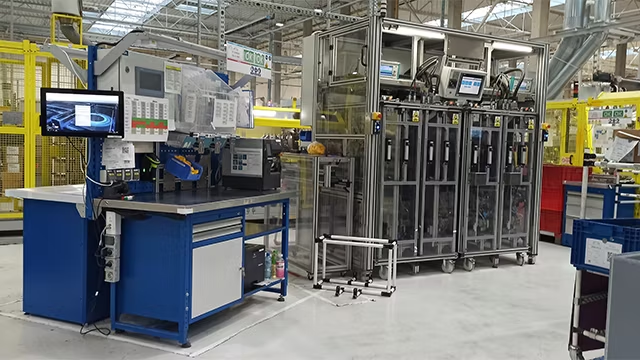
When building a new factory in Poland, ESTRA started looking for standardized global solutions that had full local support. They wanted a solution that would allow precise monitoring and control of production processes in real time to quickly detect and respond to any irregularities and unforeseen situations. With help from ASKOM, a certified Siemens Digital Industries Software manufacturing operations management (MOM) partner, the company decided to integrate Opcenter™ software, which is part of the Siemens Xcelerator business platform of software, hardware and services, into the Zabrze plant. Using Opcenter gave the company a full range of locally implemented services and technical support.
“We wanted to find a solution with a global footprint that had the necessary local technical support we required,” says Waldemar Wojtasz, the MES coordinator and change leader at ESTRA. “We were able to achieve our goals by cooperating with Siemens and ASKOM.”
When Opcenter was implemented, the plant employed solutions to match the condenser design for one of its key automotive original equipment manufacturers (OEMs). The next step was to use Opcenter Execution Discrete, a production execution system, to handle complex assembly operations. Using its base version with basic functionalities, ESTRA was able to gather data to create a personalized solution that allowed them to develop established products while evolving the system.
“Solution flexibility was critical to us,” says Wojtasz. “We wanted to deploy a solution that was tailored to us, our needs and the nature of production, as opposed to having to adapt to the technologies. This was undoubtedly a valuable benefit from cooperating with ASKOM and Siemens.”
Improving the quality of production
Leveraging Opcenter Execution Discrete, which uses a set of standard and company-specific functionalities, ESTRA workers can more efficiently handle production orders, carrying out production processes faster while maintaining high-quality standards. Since machines verify most components, which helps reduce errors, the company can ensure product quality and detect any shortcomings at an earlier stage. This allows the company to take measures to avoid and minimize situations where corrective action would be necessary.
Since the ESTRA plant’s label management and quality control are more automated and precise, the company can reduce the risk of defective products. Additionally, by using Opcenter Execution Discrete, the company was able to introduce full production process traceability. This is important in the automotive sector for tracking every component, from the moment the raw material enters production to the final product. ESTRA can then store the information for the next 30 years.
By using an MES, which acts as the factory’s nervous system and brain, the company can digitally manage huge amounts of information, reducing paperwork. “We liken the MES to a policing system that keeps things in order,” says Wojtasz. “Every radiator we produce has its own identity in the system, receiving a code on its core in the process to track and record its history. This is how ESTRA, and our customers, know exactly where the product has been and how it behaved during each production stage.”
By integrating Opcenter Execution with SAP enterprise resource planning (ERP), ESTRA was able to provide a consistent flow of information between the business and production systems. This helped the company increase their operational efficiency and improve production order and material data management. By transferring data between the system and the production line in real time, they were able to create a planned cycle time, reducing production cycle time to less than 1 minute.
Additionally, by integrating Opcenter Execution with the Open Platform Communications Unified Architecture (OPC UA) standard into the automation systems from various vendors, ESTRA was able to further automate production processes. Since companies collect process data directly from the machines, the systems provide valuable production line performance information, optimizing and preventing downtime. The production team has access to various key performance indicators (KPIs) in real time and uses them to make quick decisions, ensuring the factory’s efficiency and competitiveness in the automotive sector.
Further, ESTRA created a more flexible production process and improved company transparency by integrating vertical information technology (IT) and operational technology (OT). For example, they were able to connect the shop floor to the top floor.
“Having this knowledge at our fingertips allows us to respond to problems of various degrees of severity,” says Wojtasz. “Using Opcenter, we can respond to trivial issues concerning the arrangement of product parts on the production line to more important issues like missing information that could result in corrective actions.”
Moving towards further automation
The ESTRA factory in Zabrze is constantly evolving since the company is regularly bringing in new machines and production lines. ESTRA is implementing these improvements to meet specific customer needs and further automate the factory.
Next steps include implementing a preventive maintenance scheme to further reduce downtime. By using an MES system to organize data collected in real time from machines, the company can access information to define the scope of work for maintaining the line and machinery fleet.
Additionally, ESTRA aims to integrate Teamcenter® software, which is also part of Siemens Xcelerator, to achieve a closed-loop manufacturing process and a solution that includes product lifecycle management (PLM), ERP and MOM. This could provide ESTRA’s factory with further growth opportunities, enabling seamless information exchange and interaction in the physical and virtual worlds. Further, the company can take another step toward achieving operational excellence and reinforcing its position in the automotive sector.
As the automotive industry evolves, new opportunities are opening via technologies; however, this can cause production quality, validation and certification challenges. Manufacturers like ESTRA are leveraging the support of trusted partners, like Siemens and ASKOM, and available solutions in their quest for excellence and innovation. “Thanks to Opcenter, our customers can get better products while we save money by minimizing the number of corrective actions,” says Wojtasz. ESTRA provides a model for other companies, showing how to effectively meet rigorous industry standards and customer expectations while keeping
The realm of smart automation is complex and encompasses the integration of advanced technologies and intelligent systems to enhance and automate industrial processes. Explore the convergence of simulation and smart automation between Siemens Digital Industries Software and Continental, a major player in automotive technology, dedicated to sustainable and connected mobility solutions. Explore how Siemens simulation software in the Tecnomatix® portfolio powers Continental’s digital manufacturing transformation. Dive into the intricate world where Process Simulate and Plant Simulation help coordinate a symphony of efficiency for Continental.
Founded in 1871, Continental is renowned for pioneering technologies that ensure safe, efficient, intelligent and affordable solutions for vehicles, machines and transportation. Jakub Hamerník, Continental’s Smart Automation Manager, sheds light on the profound impact of how Siemens software enables seamless digitalization on the shop floor, transforming processes and applications to enhance production timelines and efficiency. Siemens and Continental, long-time collaborators in PLCs and control systems, have deepened their partnership in recent years, particularly focusing on simulation. A pivotal aspect of this collaboration is the development of the digital twin factory, specifically the collection of production line data for future optimization, tracking and analysis.
A new standard: a collaborative approach to manufacturing efficiency
Central to this partnership is the challenge of streamlining the process flow from raw material to the end of production. Siemens simulation products play a critical role in providing comprehensive process information well before the production line delivery. This marks a significant departure from the previous norm, where engineers spent three to five years on the task. With Siemens, this duration has been slashed to a remarkable one and a half years, setting a new standard in the industry.
Thanks to the Siemens products, we have all relevant information from the process point of view prepared months before the delivery of the production line. Before, the engineers would take 3-5 years to make it. Now we are able to make it in 1.5 years.”
Jakub Hamerník, Continental, Smart Automation Manager
In a dynamic environment where original equipment manufacturers (OEMs) frequently update their car models, Continental recognizes the imperative to deliver new products efficiently and timely. Siemens software solutions enable Continental to meet these demands, facilitating the optimization of overall equipment efficiency (OEE) on production lines.
Continental’s vision extends beyond the production floor, aiming to integrate Siemens’ products with their manufacturing execution system (MES) and enterprise resource planning (ERP) system. The goal is to establish a complete digital twin of the factory, effectively bringing IT applications to the shop floor. This comprehensive approach will provide insights into the entire end-to-end process, enabling real-time monitoring of goods, production progress and delivery timelines.
From concept to reality: Siemens and Continental’s strategic partnership
A moment of revelation for Continental occurred when its production line seamlessly transitioned without collisions. The simulation-derived cycle time was accurate, allowing Continental to commence production immediately after activation—a ‘wow effect’ resonating with both Jakub and Continental management.
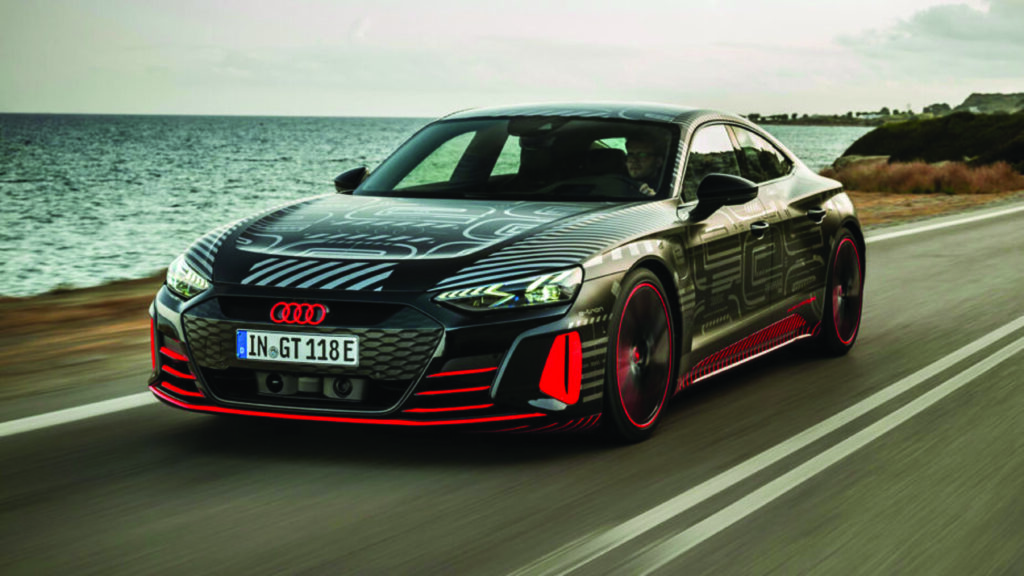
Accurately predicting the thermal performance of EV batteries is perhaps the most critical challenge facing automotive original equipment manufacturers (OEMs). Batteries have a temperature zone they can operate in to avoid failure. If the battery goes outside this zone, it can reduce the battery’s lifetime or even jeopardize occupant safety.
It is therefore no surprise that Audi, a brand known worldwide for its superior premium vehicles, has formed a highly specialized team dedicated to high voltage battery system concept development. Located in Germany, this team’s contributions are crucial to Audi’s vision of designing the mobility of tomorrow and ensuring an exceptional driving experience that is digital, electric and sustainable.
Increasing thermal model accuracy
Joohwa Sarah Lee, concept development engineer, is part of this team and specializes in battery thermal performance.
“Building accurate thermal simulation models is a critical aspect of my team’s work,” says Lee. “The models themselves are very important, as they directly contribute to our goal of optimizing thermal performance of the batteries.”
In 2021, Lee and her team discovered that, for certain cases and conditions, the simulation output did not match the test measurements. As a result, Lee set out to improve the quality of these simulation models. Lee and her team selected Siemens Digital Industries Software’s Simcenter™ Engineering and Consulting services as a development partner.
“We selected Simcenter because their tools enabled a seamless connection between not only 1D and 3D models, but also connectivity to third-party tools,” says Lee. “Simcenter Engineering Services provided the technical knowledge and support to help us set up these integrations and ensure the highest possible accuracy.”
Combining 1D and 3D simulations
Traditionally, module and pack geometry have been modeled using 3D computational fluid dynamics (CFD) thermal simulation. This method has significant computational costs and can take days or weeks to complete. Additionally, extensive knowledge of parameters and 3D simulation experience is required to produce an accurate 3D model. Performing 1D system simulation is much faster, but it is often challenging to generate 1D models from a 3D model without compromising accuracy.
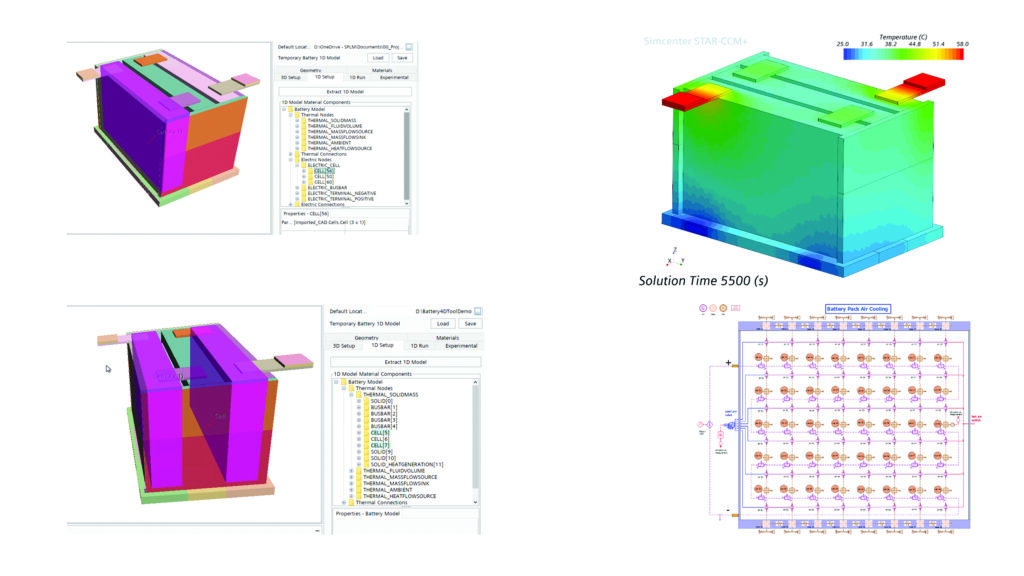
Simcenter Engineering Services set out to create a faster, more accurate battery stack thermal model to support Audi’s battery management systems, from the initial strategy development to validation with the rest of the vehicle’s subsystems. These models needed to consider several parameters, including current, coolant temperature variations, connectivity with 1D electrical models and integration with MATLAB/Simulink. Lee and her team provided the Simcenter team with test cases and boundary conditions for a variety of scenarios.
A customized workflow
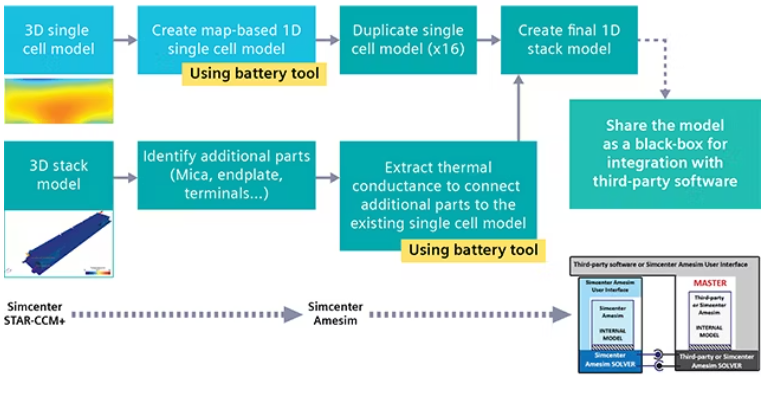
By combining Simcenter STAR-CCM+™ software and Simcenter Amesim™ software, which are part of the Siemens Xcelerator business platform of software, hardware and service, Simcenter Engineering Services experts developed a semiautomated workflow to generate a 1D system-level model in Simcenter Amesim from a 3D Simcenter STAR-CCM+ model. The purpose of this workflow was to make sure Audi’s 1D simulation users could benefit from the high level of detail provided by 3D models while also maintaining the speed of 1D simulation.
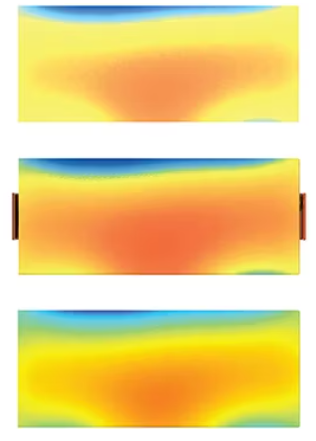
Using specified inputs, Simcenter STAR-CCM+ was used to calculate several steady state conditions covering the chosen design space, such as inlet coolant temperature, flow rate and current. The data can then be used to derive a 1D electro-thermal model for investigating transient scenarios for the complete stack.
Reducing time, increasing accuracy
The workflow developed by Simcenter Engineering Services experts has reduced the computational time of battery thermal simulations to just minutes. One of the most vivid examples is simulating an EV battery charging scenario from 10 percent battery capacity to 80 percent.
“As a result of our project with Simcenter Engineering Services, we were able to reduce the simulation time of the charging scenario from almost an entire day to less than a minute,” Lee says. “This is a huge difference in calculation time. We have also seen a significant improvement in the simulation results, especially for thermal behavior studies.
“We explored other solutions for this problem, but no other company offered the level of connectivity between tools that Siemens did. Combining a detailed 3D model in Simcenter STAR-CCM+ with the speed and efficiency of Simcenter Amesim and third-party tools supported by the Simcenter Engineering Services team provided a crucial advantage. We are also excited to explore other aspects of the Simcenter portfolio, including Simcenter Battery Design Studio.”
Lee and her team are optimistic about the future of their partnership with Simcenter Engineering Services.
“We will continue to apply our new tools and methodologies to future challenges,” says Lee. “We are thankful for the support provided by the Simcenter Engineering Services team and their willingness and ability to help us solve difficult problems.”



-640x360.jpg?w=900&fit=max&q=60&dpr=1&auto=format)
-640x360.jpg?w=900&fit=max&q=60&dpr=1&auto=format)
-640x360.jpg?w=900&fit=max&q=60&dpr=1&auto=format)
-640x360.jpg?w=900&fit=max&q=60&dpr=1&auto=format)