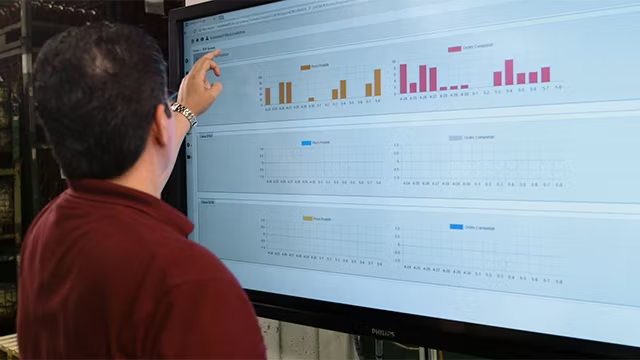

Automating and standardizing PCB engineering planning

Product: Valor
Industry: Electronic

Standardize and unify manufacturing operations

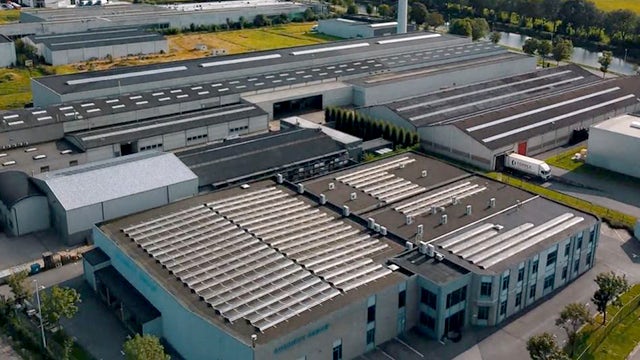
Connect Group NV (Connect Group) is a multinational electronics manufacturing services (EMS) contractor, providing printed circuit board (PCB) assembly and cable assembly services for various customers in the automotive, railway, healthcare, infrastructure, defense and avionics industries. The company is headquartered in Kampenhout, Belgium, and maintain production facilities in Belgium, the Netherlands, Germany, Romania and the Czech Republic.

Connect Group was established in 1987 and, in recent years, has acquired a series of European electronics manufacturers including IKOR, a company with locations in Spain, China and Mexico. Wouter Peene, operations manager for Connect Group, was faced with coordinating the activities of its new subsidiaries and reorganizing company-wide work practices.

“My goal was to standardize and unify manufacturing operations in all of our sites,” says Peene. “This wasn’t an easy task. We had machines from different vendors at each site. All of our engineering and testing departments were using different software and methodologies, including legacy solutions such as UNICAM 6.2 and Test-Expert 7.3. In addition, we used a lot of manual processes, such as offline board inspection, to discover incorrect component positioning and rotation.

“At first, we wanted to keep using some of our existing legacy software to leverage our knowledge and save time and money. But none of our existing solutions could support our entire operation. They lacked interfaces to many of our machines and couldn’t generate the documentation we needed.

“We needed an end-to-end solution that would serve all our production sites,” says Peene.Standardize and unify manufacturing operations

The Valor solution

Since Connect Group was already using Valor™ Process Preparation software in some of its factories, the company decided to expand its use of the software to access more of its engineering capabilities. Valor Process Preparation is part of the Siemens Xcelerator portfolio, the comprehensive and integrated portfolio of software, hardware and services.

“We were already using the vPlan function in Valor Process Preparation and realized we could benefit from additional functions,” says Peene. “For example, we used the Valor Process Preparation automated stencil tool across the organization. Getting the stencil right requires special expertise that wasn’t always available. Using the stencil tool helped us reduce soldering errors and the lead time required by the stencil-cutter service provider.

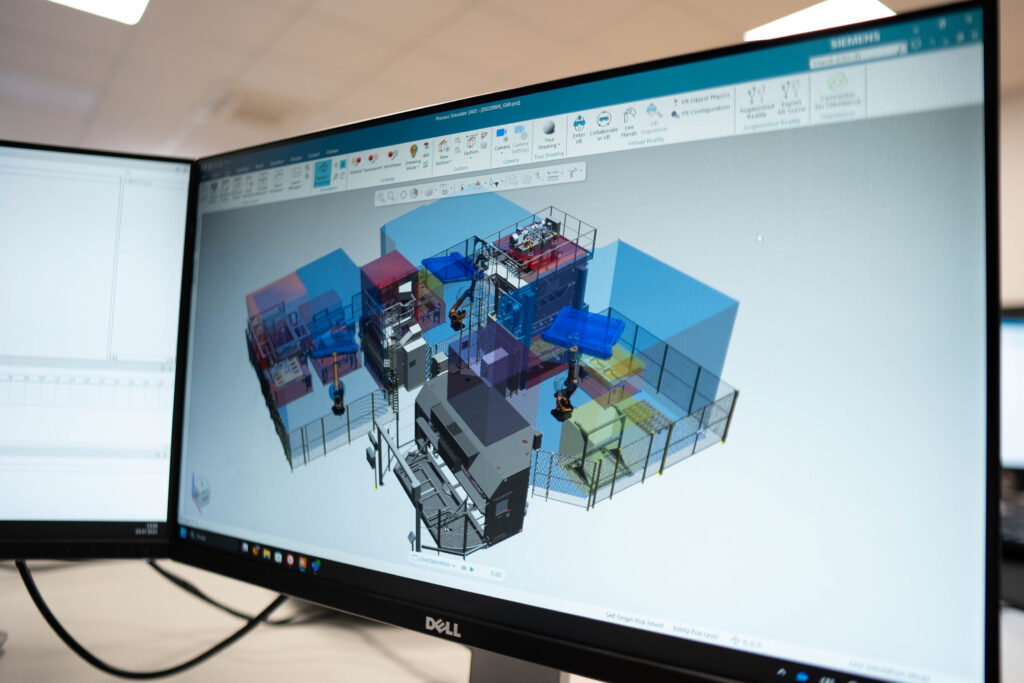
“Currently, we use the virtual sticky tape feature to verify component position and polarity before starting production. The comprehensive digital twin approach enables us to shorten the verification process and reduce downtime. Using Valor Process Preparation allows us to connect to all of our machines so we can implement it as a company-wide solution.”

Connect Group used Valor Process Preparation and the comprehensive Valor Parts Library software component database to accurately simulate each component’s shape. “Using Valor Parts Library helps us eliminate costly design errors before production starts,” says Peene.

In addition, Connect Group used Valor NPI software, Siemens’ on-premise design-for-manufacturing (DFM) platform. “We offer the Valor NPI DFM as a service to our customers,” says Bart Allaert, head of the company’s technology is a service group, “It is part of the shift left concept, encouraging the designer to be aware of manufacturing constraints.

“They use DFM to ensure their design is manufacturable, so we spend less time afterward tweaking the design for them. Then, we use Valor NPI to perform checks and generate an analysis of the PCB assembly and tests. Using Valor NPI helps us bring higher quality products to market, faster, as part of a First Time Right strategy” says Allaert.The Valor solution

Return-on-investment

Connect Group established an execution team with Siemens that provided training sessions to implement a solution for all production locations in a few months. The centralized solution enabled Connect Group to easily move production between sites whenever necessary.

Following implementation of the Siemens solution, Connect Group reported a return-on-investment (ROI) within six months based on increased company profits of approximately €400,000 per year thanks to improved manpower and reduced downtime on its production lines.

Connect Group has major profitability factors, including product engineering, flying probe testing (FBT) and project migration.

The product engineering solution helped engineers reduce manpower requirements by about two hours per project, multiplied by 2,500 projects per year, for a total of 5,000 hours.

Using Valor Process Preparation saved Connect Group engineers approximately two hours of FPT programming per project multiplied by 500 projects per year, for a total of 1,000 hours.

When transferring a project to a different site, the process took an average of eight hours. Using Valor Process Preparation, the task is now completed within minutes. Connect Group migrates an average of 75 projects per year, resulting in a savings of 600 hours.

As a result, Connect Group has reduced manpower requirements by 6,600 hours per year. In addition, each of the above factors contributed to a reduction in line downtime. These improvements helped the company improve profitability by €400,000 per year.

Additional features for the future

“To optimize our use of the Siemens solution, we’ve made requests for additional features that are scheduled for upcoming releases. Siemens fully understands our requirements and supports us in adapting the software to our needs,” says Peene.

Reaching for the stars: Top 10 insights from Tom Stoumbos on space exploration

Product: Simcenter
Industry: Space

Space exploration is one of engineering’s most demanding arenas. The unforgiving conditions and the necessity for precise, reliable technology present formidable challenges. Recently, on the Engineer Innovation podcast, Tom Stoumbos, Director of Engineering at Northrop Grumman, shared his insights on why space exploration is both difficult and exhilarating. He delved into the critical roles played by simulation, testing, AI, and data management.

From the home office in the cosmos, where the stars align and rockets soar, we have the top 10 quotes from Tom. Buckle up because we’re about to launch into some stellar insights.

10
“Operating in the virtual world is much easier than the prototypes in the real world with all the constraints about volume, space, mass that that takes. “

9
“Lunar exploration was a success of the ’60s. We worked hard together with a lot less resources to accomplish something inconceivable and now 50 years later it’s still difficult.”

8
“The models are complex, which means…there’s a lot of fidelity. For example, a space vehicle, it comprises of a lot of subsystems. So, it’s just not the structure. We have motors, we have mechanisms, we have complex joints that we need to simulate or operate. We have software that controls robotic arms. So, we need to make sure we understand how these things are controlled from the control system of that space vehicle. “

7
“In the virtual world, you can do design updates quickly…you can engage AI through custom algorithms that search for optimum solutions based on design constraints.”

6
“It’s difficult to establish a launch site here on Earth, furthermore in the moon that has no infrastructure.”

5
Simulation is critical to space exploration
“Simulation is critical to making mission operations and design decisions better.”

4
“We’re basing a lot of the work we do on HEEDS. We think it’s an invaluable tool to do that first step of tying all the solvers that we’re using together and allowing us to do these design of experiments or Monte Carlo simulations for our missions quickly and efficiently.”

3
“With computing power exponential increase…we need to make sure the algorithms are properly conceived, and they help us reach that optimum solution, but [AI and Machine Learning] definitely make it much faster”

2
“AI is definitely much faster…we can save 50% of the time to market time by engaging as soon as we can with AI and ML.”

And finally, the number 1 quote from Tom Stoumbos:
“Teamcenter Simulation allows you to track what tools you use, what requirements you tied those to, and all the data that has been generated…it’s easily searchable.”

Pioneering new frontiers in space exploration
Space exploration is a challenging but rewarding field that pushes the boundaries of human knowledge and capability. Tom Stoumbos’s insights underscore the importance of robust simulation and testing processes and the transformative potential of AI and data management. As we continue to explore the cosmos, these technologies will play an increasingly vital role in ensuring the success of our missions.

Leveraging simulation to determine a single airbag is safer and more reliable than a multi-airbag system

Product: Simcenter
Industry: Exoskeleton 

Getting wheelchair users back on their feet

Millions of people are confined to wheelchairs due to illness or injury. Despite some advancements in wheelchair technology, the lack of significant progress since its invention still falls short in providing individuals with the ability to stand and walk. First, there is the social aspect of being at a different height from those around you. Second, the prolonged sitting position associated with wheelchair use can lead to health issues, such as reduced bone density, osteoporosis, muscle atrophy, pressure sores, spasms, changes in blood pressure, joint problems and even cardiovascular conditions.

Nicolas Simon has several family members who suffer from Charcot-Marie-Tooth, a degenerative condition that in its advanced stages often requires patients to use a wheelchair.

With no known cure, Simon wanted to provide an alternative. So in 2012 he founded Wandercraft with the aim of developing an exoskeleton that would allow people disabled below the waist to walk again.

The company has built and implemented the Atalante X in rehabilitation settings in hospitals, but it wants to expand that vision beyond a healthcare setting. “We want to give people more autonomy and to be able to use these exoskeletons in the real world, not only in a controlled environment with a doctor or physiotherapist,” says Fabien Expert, chief technology officer (CTO) of Wandercraft. “In the United States alone, we estimate there are 300,000 people with spinal cord injuries that could benefit from the exoskeleton in its current form. As we adapt the design in future versions, we hope to make it suitable for even more people by extending it to other pathologies, stroke rehabilitation and multiple sclerosis.”

To achieve this goal, Wandercraft adopted Siemens Digital Industries Software’s Simcenter™ Madymo™ software. Simcenter Madymo, which was developed primarily for the automotive industry, is used to develop better occupant and pedestrian safety solutions faster. Simcenter Madymo is part of the Siemens Xcelerator business platform of software, hardware and services.

null

Mitigating the risk of further injury

Taking the device to the streets is a big step. “Safety is absolutely critical,” explains Expert. “The people we are helping can get around by themselves in a wheelchair. The exoskeleton allows them to stand and walk, but we need to mitigate the risk of further injury. For instance, if they were to fall and suffer fractures or head injuries, this would put them in an even worse position than before.”

With the exoskeleton already proving functional, Wandercraft needed to adapt it to protect users so that they didn’t fear the possibility of an accident that would cause additional long-term injuries.

null

Personal airbag system

Wandercraft was inspired by airbags used in vehicles as they are designed to cushion impact on humans and minimize injuries. The exoskeleton is designed so the center of mass of the system is on the back, so if there is a power failure an imbalance occurs, the person using it would naturally fall backwards. This means they could install the airbag on the back to protect the user.

However, ensuring the effectiveness of the airbag required considerable analysis and assessment. It needed to be easy to add to the exoskeleton without incumbering the user, but also provide enough protection to significantly reduce the risk of injury in the event of a fall.

“We first had to understand if it was even feasible,” says Expert. “We must be able to detect that a fall is happening and then deploy the airbag within a half second. It was important to determine whether multiple airbags or just one would be better, and to get the sizing correct so that it provided enough protection without adding too much weight to the exoskeleton.”

Building physical prototypes to test this would have been a very time-consuming process because each airbag had to be made by hand. Using physical dummies would also not give full data on potential injuries to users. Wandercraft needed a faster solution that could fully replicate the human body and predict how well the airbag protected it during a fall.

null

Combining FEA with multibody simulation

Initially, Wandercraft used a finite element analysis (FEA) simulation tool, but this wasn’t sufficient to give them the data they needed. “We had no way of accurately modeling the patient to understand what injuries might be incurred,” explains Maxime Beck, head of mechanical engineering. “We had a separate multibody simulation tool, but we needed a solution that would combine both.”

To help them, Wandercraft reached out to the University of Strasbourg. “The university introduced us to Simcenter Madymo,” says Beck. “We could measure acceleration and angular speed, but we didn’t know how to use that to predict the impact on the patient. The University of Strasbourg showed us how to create the simulation with Simcenter Madymo and use its human body models to measure the effect on the user.

“The fact that Simcenter Madymo has been used for safety simulations in vehicles really helped as it has lots of models for how an airbag should perform. With Simcenter Madymo, we were able to match up the simulation results with physical test results, which gave us confidence to continue with it. Then we could optimize with each iteration without having to create a new prototype every time we changed the design.”

null

Simplified design and shorter development time

One of the most important outcomes from the simulation was to determine how many airbags should be used – primarily to maximize safety but also to make the device as cost-effective as possible. “Simulation allowed us to experiment with multiple airbags, but we found this didn’t add any more protection for the user,” says Beck “Each airbag needs its own gas and trigger mechanism, so the more you have, the more complex the setup is. Knowing that one large airbag gave as much protection as two or three smaller ones meant that we could reduce the complexity, making the whole unit easier and cheaper to manufacture.”

In fact, having just one airbag is not only more cost-effective but safer too. A multi-airbag system relies on each airbag to trigger at exactly the right moment. If one fails, then it’s the same as having no protection at all. The more complex a system is, the more chance there is of failure. So, by having just one airbag and one trigger the system immediately became more reliable.

Expert says that using Simcenter Madymo saved significant engineering development time, too: “The physical prototypes took one engineer three days to make each time. And it’s such a unique process that we only had one person with the necessary skill set. Without simulation, we would have had to wait this long between each iteration to test our theories. It would have taken so much time to reach the optimal design that it simply wouldn’t have been practical.

“Once the prototype is built it takes another full day to set up the test, but we can configure a simulation with any parameters we want in just a couple of hours.”null

Regulations, improvements and new features

Now that Wandercraft is confident in the safety of its exoskeleton, the company is carrying out further testing to pass the necessary regulations. “We hope to achieve full regulatory clearance before the end of 2025,” says Expert. “Then we’ll be able to get it to market and we’ll see people using our exoskeleton in everyday life.”

But that is only the start. Thanks to simulation that made the first device possible, Wandercraft will continue to make use of it as they improve future products. “We’ve achieved the first target of getting patients out of wheelchairs,” says Expert. “But the aim is to give them more. We know they will demand more once they begin to experience their new freedom, whether it’s freedom they haven’t had since an injury or freedom they’ve never had due to being born with a certain condition. We intend to work on additional features to meet that demand. “Thanks to Simcenter Madymo, we’ll always be able to ensure that devices with these new features will be safe for the users.”

[Hyster Yale] How to convert a conventional lift truck into an electric truck?

Product: Simcenter
Industry: Heavy machinery

The estimated volume of international freight movement for 2020 was around 4 million tons per day. Or an average of 1.3 million containers handled daily. To optimize their logistics at major ports and terminals, FREIT uses high-performance and reliable container handling equipment. Hyster-Yale is one of the biggest suppliers of handling equipment. It offers its customers a broad line of products and power options.

As a responsible global operation, the company has begun to address climate and environmental concerns. In doing so, has focused on the emissions of their handling equipment. To maintain its position as the market leader in heavy forklift machinery, Hyster-Yale has to consider the conversion of its machines from fuel-powered to fully electric versions. Converting a 120 tons gross weight machine (80 for the machine and 40 tons for the lifted load) into an electric vehicle is not a straightforward process. Indeed it should offer similar or better operational performance as a conventional machine over duty cycles.

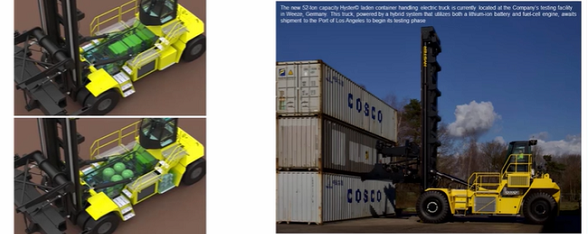
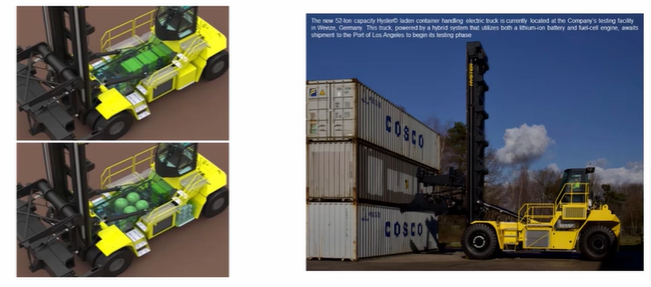
Rob Damen is a project engineer at Hyster Yale, based in the Netherlands. He is part of the Innovation & projects team at Hyster Yale Big Truck development center. He has a focus on testing and simulation of the equipment. During the last Siemens Realize Live event, Rob explained how, with his team, they succeeded in converting a Laden Container Handler into an electrified machine. That vehicle is now in a testing phase. The team used simulation to virtually explore all the possibilities. They came up with one design to fit all the market expectations and regulations without compromising development time or cost.

Know your kilowatt

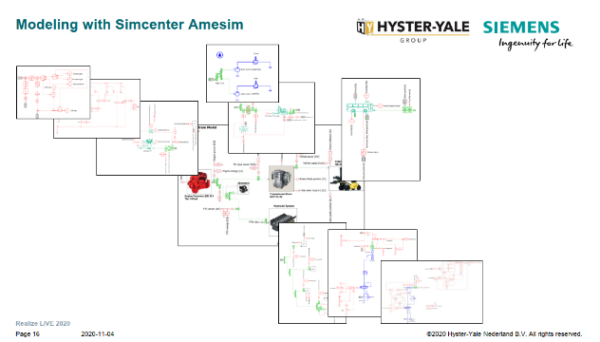
Before exploring what the power options for electrification were, the engineering team virtually modeled the current truck. Using Simcenter Amesim, the Simcenter system simulation solution, the team captured the machine behavior into a virtual environment. They analyzed the energy flows through different areas of the machine. To proceed, they divided the machine model into different systems and sub-systems. They also identified all the parameters of the machine components that they could virtually capture in the model.

From that model of the truck, Rob’s group was able to identify where they could simplify and make some assumptions but still keep a model that would deliver accurate results. “We were able to develop our model thanks to pre-defined components on Simcenter Amesim”, said Rob.

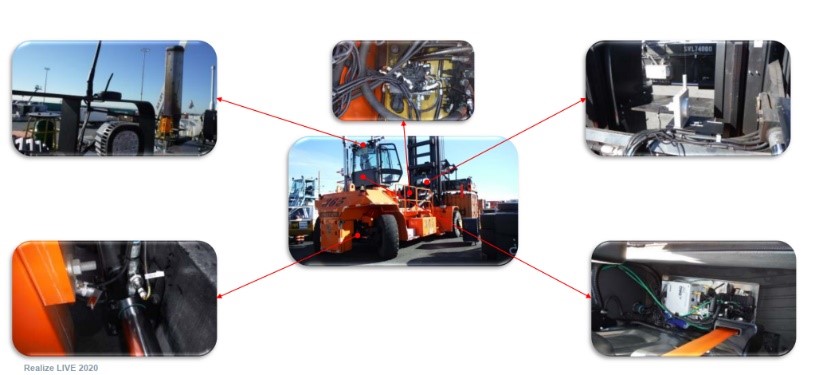
To make the model even more representative of a real-life system, the team instrumented one truck at their premises. There they captured data over predefined cycle steps. That analysis allowed them to compare the test-data results (vehicle speed, lift height, engine speed/power/torque, fuel consumption, etc.) with the Simcenter Amesim model results to refine and validate the model.

Modeling Hyster Yale's conventional truck systems using system simulation before electrification
Modeling the conventional truck systems using system simulation

Collecting real-life data to refine model complexity

However, in real life, machines are subject to so many different duty constraints and usage. Consequently, the team went to various customers to capture multiple types of data (GPS, lift, hydraulic pressures, etc.). They measured the performance of their machines with sensors over long durations. Those measurement campaigns enabled the team to define various duty cycles, depending on the nature of the application, with different patterns of energy distribution.

Capturing real life data on different duty constraints and usage to optimize the energy recovery system

One major finding identified during this benchmark test was the need to improve energy recovery. Over the measurement campaigns, Rob’s team identified an opportunity to recover up to 15 percent potential energy especially during load lowering and braking phases. This energy can be recovered using electric storage.

Virtually explore and validate the Hyster Yale’s electric machine concept

“Once we got our benchmark model and our truck duty cycle, we were finally set to come up with an electric powertrain concept that fits the truck needs”, explains Rob. The group made the selection based on ranking categories and drivetrain concepts to determine the best-ranked concept.

The team chose a hybrid approach combining fuel cell and battery. In this case, the battery can store and benefit from energy recovery from load lowering and breaking. Such a system enables the recharge of the battery and improves systems’ lifetime.

At that stage, Rob converted the conventional benchmark model into the electrified version. From that defined concept, the group was able to precisely virtually assess where energy recovery could happen during braking and load lowering. This next step in virtual benchmarking using Simcenter Amesim helped to define 3 main things. The battery state of charge, how to size the battery, as well as hydrogen consumption.

The model analysis for the opted strategy opened the discussion to a new set of questions about thermal management of the battery, related to a dissipated heat and battery cooling strategy definition. Rob explains that “the list of topics that we can cover with simulation is so wide. This is definitely a good thing for us. Indeed, it can help on reducing a large number of physical testing. That is a win in terms of development cost and time for our company”.

Develop an energy recovery system on load lowering

A highlight of the project is the development of the energy recovery system on load lowering, which Rob and the team collaborated on closely with Hyster-Yale’s supplier. “In that collaboration, the use of Simcenter Amesim made it easier to answer questions that require specific data with our suppliers”. The system uses one electric motor on load-lifting but split the flow over two motors during lowering as it is almost twice as fast and with that, the power is also twice high.

“From our initial simulation model, we continued further detailed work of the truck systems”. The team worked on 3D simulations based on an advanced electric model design. Then they performed tests on a machine to compare simulation and real-life results of the electrified version of the vehicle. “The test bench results and the Simcenter Amesim models results matched really well” concludes Rob.

Comparing simulation and real-life results of the truck electrified version

Next step: going faster and deeper into details for future electrification project

“With that laden container handler experience, we are now ready to initiate a new project on one of our other big machines”. For that new project, Rob and his team will use a similar approach. With their learning of the previous project, they are able to go faster and deeper into details through the overall process. “We clearly benefit from Simcenter Amesim into our innovation project. It gave us the ability to simulate, analyze and adjust the truck systems in a very short time frame”.

Modal Survey Testing for an unscathed journey to space

Product: Simcenter
Industry: Space

All structures have natural frequencies, and it is often the most important feature of the structure, especially when it comes to dynamic response. Very often the vibrations must be investigated to quantify the structural response in some way, so that its implication on factors such as performance and fatigue can be evaluated.

Modal testing is a very useful and widely used technique to verify and investigate this behavior. It looks at the natural frequencies, mode shapes and damping of a structure and helps engineers understand how a design will respond to different dynamic loads.

In the space industry, this technique is also referred to as modal survey testing and is intended to calibrate and increase the accuracy of finite element (FE) structural dynamics model of spacecraft and space launchers. The validated models are important, among other things, for the prediction of the launcher vibrational characteristics, the aeroelastic stability and the dynamic environments to which payloads and on-board equipment are submitted to during the launch.

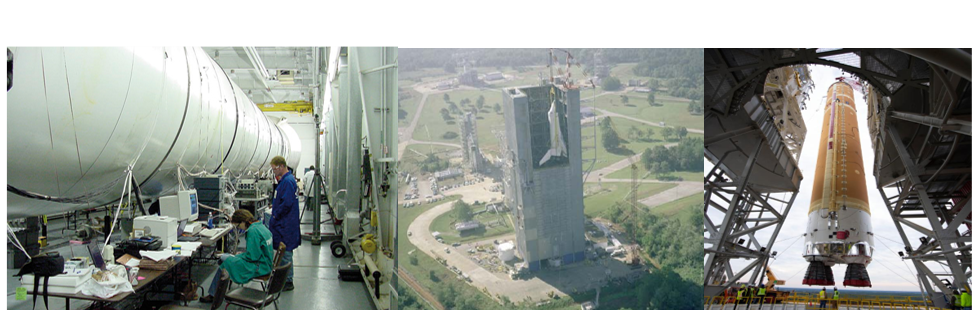
Courtesy NASA: Modal survey testing on Ares launch vehicle (left), Space Shuttle Challenger (middle) and SLS core stage (right)

A modal survey test consists of injecting forces, using electrodynamic shakers or in some cases also a modal impact hammer at a number of carefully chosen inputs. In the case of shaker excitation, burst random excitation is usually used because it is fast and efficient. When higher excitation levels are required, or for the assessment of nonlinear characteristics, stepped sine techniques are used. The forces are measured during the test, along with the response accelerations at many locations throughout the structure. During this test, the spacecraft is mounted in well-known boundary conditions, clamped or free-free, or a combination thereof. During the excitation, FRFs are measured.

After the test, modal curve-fitting technology is applied to extract modal information: resonance frequencies, damping values and mode shapes. The test results are used for the purpose of validating the entire FE model and correlating frequencies, mode shapes and damping assumptions. The significant mode shapes and frequencies are those that are primary contributors to launcher/spacecraft interface loads and internal loads.

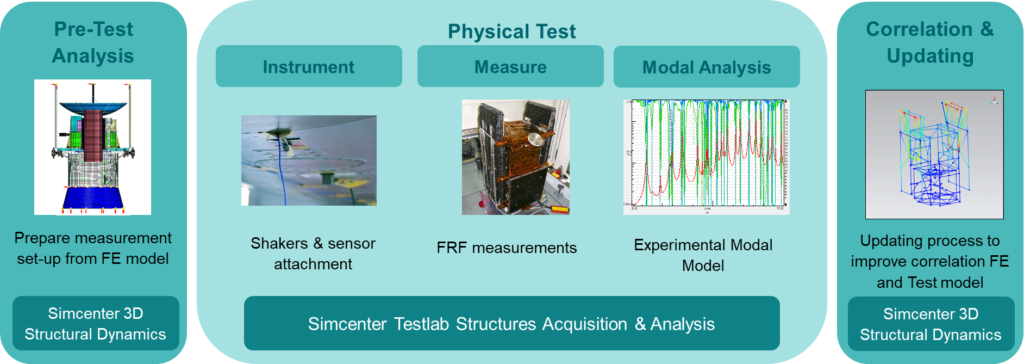
This process is illustrated schematically below. It shows how early FE models of the spacecraft can be used in Simcenter 3D Structural Dynamics to perform pre-test analysis and optimally design the test campaign. Simcenter Testlab and Simcenter SCADAS are then used to efficiently and reliably measure FRFs and accurately determine the best experimental modal model. Finally, the experimental results are further exploited to correlate the preliminary model with experimental results and to update the FE model to better reflect reality.

Different stages of the modal survey process: from test preparation, to the test execution, analysis and reporting.

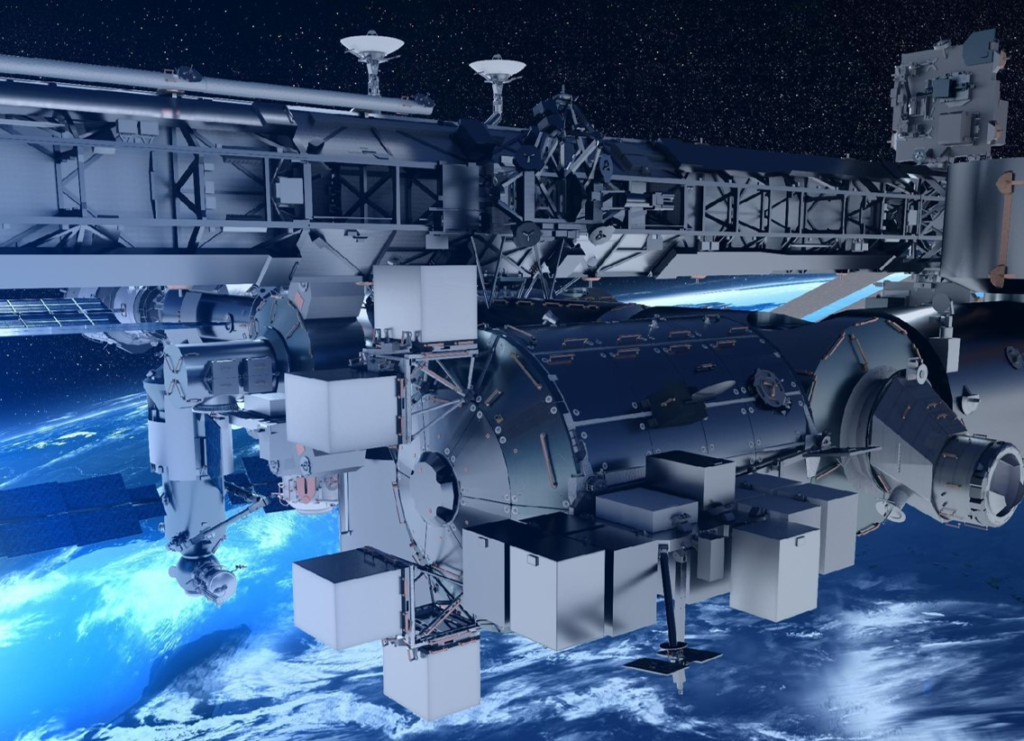
A good example of a program where a modal survey test was conducted is the Bartolomeo project from Airbus Defense & Space, carried out by Deutsches Zentrum für Luft- und Raumfahrt (DLR). Simcenter SCADAS Mobile hardware has been used as the critical measurement equipment for the modal survey test that was meant to update the FE simulation model of the Bartolomeo platform. This enabled the team to simulate and predict aspects that could only be done using simulation and analysis, such as how the platform would couple with the launcher.

Water pump manufacturer uses MOM software to embrace digitalization

Product: Opcenter
Industry: Water pumps

Enhancing water movement and management technologies
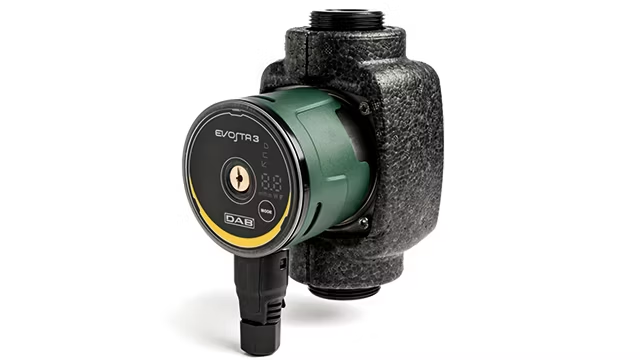
Founded in 1975, DAB Pumps S.p.A. (DAB Pumps) is a multinational organization with seven production sites, 12 sales branches and a total workforce of more than 1,500 that specializes in water movement and management technologies. The distinguishing features of DAB Pumps technologies are reliability, quality and efficiency. The aim is to identify simpler installation, and use and maintain solutions for domestic, residential, civil and commercial applications as well as agricultural irrigation systems.

Siemens facilitates digital transformation
DAB Pumps refers to their digital transformation strategy as the DAB Digital Evolution (DDE). The DDE supports a new digital strategy that links DAB Pumps’ values to new digital opportunities.

“We are working to build an open-minded digital culture, developing innovative and engaging projects and designing solutions in which technology works for people,” says Sandro Stramare, group chief executive officer (CEO) of DAB Pumps.

According to Paolo Menon, group chief operation officer (COO) of DAB Pumps, “Our factory of the future represents an important step to close the loop between our customers and factories. It’s a way to interconnect all the elements that create value and is an effective end-to-end process that supports a new set of services and connected products to transform the customer experience.”

Looking to facilitate a successful digital transformation, DAB Pumps benchmarked multiple software solutions by using a digital sourcing evaluation to find the best fit for their company. After an exhaustive search, DAB Pumps decided the Siemens Digital Industries Software Manufacturing Operations Management (MOM) portfolio of solutions best suited their needs.

“We scanned many solutions in the market and we came to Siemens because we think the most important dimension is the willingness to become a partner and not simply a supplier,” says Enrico Pana, group logistic manager and digital manager for operations, DAB Pumps. “Siemens is meeting our expectations in terms of integration with third-party systems, discrete manufacturing features and standard solutions.”

DAB Pumps manufactures what the customer wants, and in order to have the best time-to-market and connected products in the market, they adhere to the lean production method of minimizing waste without sacrificing productivity.

The Siemens solution, Opcenter Execution Discrete, helped change the manufacturing process for DAB Pumps. It allows them to track every step of their product process, serialize each water pump and introduce better control/visibility of management over production process and paperless manufacturing.

Additionally, DAB Pumps employs Siemens’ Opcenter Intelligence and Opcenter AS to make their processes more efficient through effective resource utilization.

Opcenter Intelligence is used to precisely map DAB Pumps’ production process by providing a centralized system integrated with business functions to eliminate paper usage while improving visibility and control over production process/data. Using Opcenter AS allows DAB Pumps to more efficiently manage their production plan in order to support their clients’ changing needs.

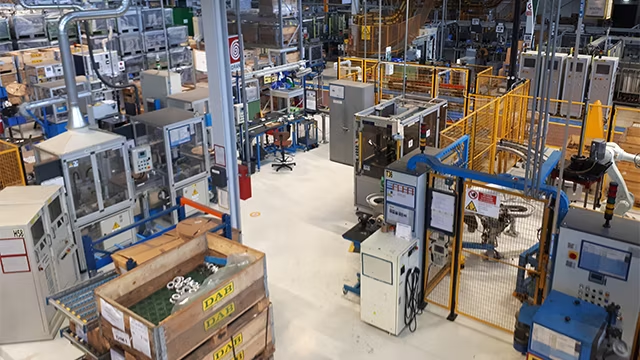
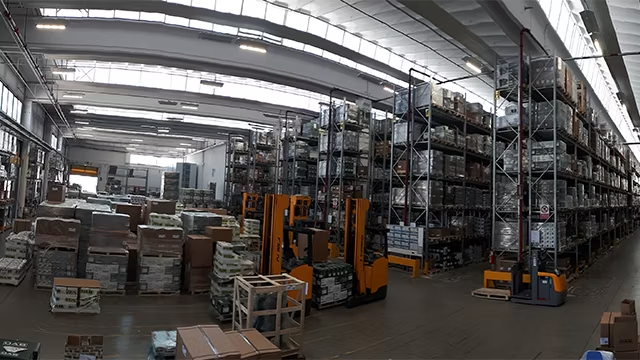
The Mestrino plant, (Dab Pumps Headquarter).

Business and technical challenges
DAB Pumps faced major business challenges in managing production and satisfying their clients’ fluid requirements. The company identified two reasons for these challenges: First, there were difficulties sharing information within the company, which led to a siloed approach, and second, there was limited visibility within the company into production activities.

The technical challenges DAB Pumps faced were mainly due to lots of manual activities, significant use of paper and very limited availability of digitally shared data related to critical activities and performed by operators with extensive experience and skills (work instructions, test results, nonconformities). DAB Pumps was facing issues like using spreadsheet software for manual scheduling and work-in-process (WIP) management software, and manual inventory and collecting quality data by hand or that was left on automatic stations.

Benefits of Siemens’ solutions
By introducing a manufacturing execution system (MES)/MOM solution based on Opcenter Execution Discrete and Opcenter AS, the problem of siloed data was largely eliminated. That’s because there was now a bi-directional level of communication between the enterprise resource planning (ERP), product lifecycle management (PLM) business systems and the shop floor, allowing for greater and immediate control of the business on the production floor. Also, using Opcenter Execution Discrete enabled off-the-shelf support for WIP, tracking and inventory control. Further, it improved operator activities due to electronic work instructions (EWI) features and manual and automatic quality control while also facilitating creation of a centralized quality data archive. Opcenter AS is integrated with Opcenter Execution Discrete to create a proactive scheduling approach, which provided DAB Pumps with more accurate delivery dates, supply demand synchronization and effective resource utilization.

Using Opcenter AS production scheduling improves the synchronization of DAB Pumps’ manufacturing processes, providing greater visibility and control. This enables DAB Pumps to increase resource utilization and on-time delivery while reducing inventory levels and waste.

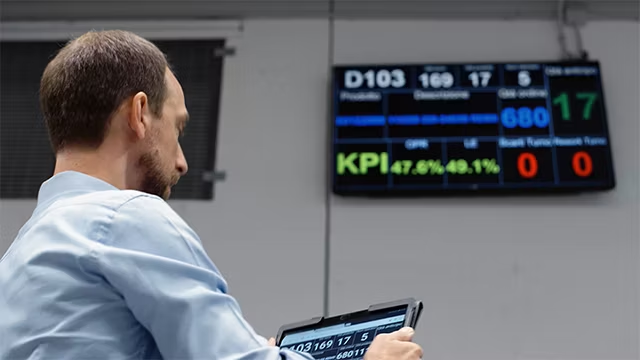
Opcenter Intelligence is used by DAB Pumps at the plant level to improve collaboration and data exchange between the plant floor and enterprise systems. As data from different sources are combined, they can be put into a new context or aggregated to provide team leaders with a different and more complete perspective of operations regardless of where the data originated.

Optimizing the entire value chain through digitalization
“Digitalization was not a matter of choice for DAB Pumps,” says Stramare. “We are adapting to what is happening at a world-wide level. DAB Pumps embraced digitalization mainly to create value within our company. We believe that digitalizing our company increases the creation of value in all company areas, and we believe that digitalization is not only an epochal change at a worldwide economic level, but it helps companies increase efficiency, and enhances and creates value in the production and sales processes. This is the main reason why DAB Pumps strongly believes in digitalization and is pushing the digitalization of its processes.”

Innovation by nature thanks to IT/OT convergence

Product: Opcenter
Industry: Agriculture

Reshaping the potato starch industry

As a leading global player in the potato starch market, Royal Avebe has been reshaping the industry for over a century. Avebe was founded by local farmers in the Netherlands back in 1919. Since then, the small group of farmers has grown to more than 2000 members in the Netherlands and Germany.

Today, Avebe produces potato starch and potato protein, used in food and industrial applications. To get the most out of the potato, they are always looking for innovative solutions and products. Like any other company operating in a dynamic marketplace, Avebe faces its fair share of challenges, including keeping up with changing customer needs and market trends.

As consumer preferences shift towards healthier, natural, and clean-label products, Avebe continuously works to stay ahead of the curve. By investing in research and development, Avebe strives to create starch-based solutions that not only cater to evolving dietary requirements but also enhance the quality and taste of food products.

Avebe’s digitalization journey with Siemens and ATS Global

In their relentless pursuit of innovation and sustainability, Avebe recognized the need to embrace digital transformation to address the challenges in their industry. To achieve this, they teamed up with Siemens, a global technology leader, and ATS Global, a trusted solution partner specializing in IT and OT integration.

Through this strategic collaboration, Avebe embarked on a digitalization journey that revolutionized their production processes. By leveraging Siemens’ cutting-edge IT/OT integrated solutions, Avebe could, on one hand, reduce the workload for the operators, and on the other gained unprecedented insights into their operations, enabling them to optimize efficiency, increase productivity, and ensure consistent quality throughout their production lines.

The implementation of Siemens’ advanced technologies, such as Industrial Internet of Things (IIoT) platforms and data analytics tools, empowered Avebe to capture real-time data from their production facilities. With this data, Avebe can monitor key performance indicators, identify bottlenecks, and make data-driven decisions to drive continuous improvement.

ATS Global played a pivotal role in integrating Avebe’s IT and OT systems seamlessly. They delivered an MES/MOM system that included integration into ERP and shop floor.

The benefit of having one partner both on the IT and the OT is that they can see solutions for problems you don’t have yetJan Hessel Veurink, Manufacturing IT Engineer at Avebe

“We are utilizing our knowledge with our customers because we realized a long time ago that the IT and OT is so complex that it’s very difficult for the customers to follow. If you have to discuss this with single points, it gets very complicated very quickly”, says Rob Valent, Global Partner Manager at ATS Global “and our customers want a partner to help them basically reducing the complexity and not add complexity.”

By embracing digitalization, Avebe is able to tackle the growing demand for sustainable solutions head-on. Through optimized production processes and precise control over resources, Avebe significantly reduced waste, minimized environmental impact, and paved the way for a more sustainable future.

“The benefit of working with a company like Siemens is that it offers such a broad portfolio of IT / OT solutions, that we can select the solutions that best suit the customer needs.” says Rob

Relive the participation of our partner Siemens in the Virtual Forum UAQ

On Wednesday, May 22, a virtual talk organized by the UAQ took place, with the purpose of addressing the digital transformation with Siemens. The event was developed through Zoom and was attended by a group of attendees, mainly students.

The talk was given by Juan Pablo Aguillón, who shared his knowledge and experiences. During the session, several relevant aspects were discussed, offering a comprehensive and updated view on the transition to the digital world in organizations.

If you want to see a replay of this event, go to our Youtube channel and do not miss this opportunity to learn about the digital transformation that Siemens can offer you: https://www.youtube.com/watch?v=KUKYEoLMqOA

×