At Goaltech Engineering Solutions, we are immensely proud to have been awarded Siemens Partner of the Year: Meso America. This recognition marks a significant milestone in our journey, underscoring our dedication to excellence and our unwavering commitment to innovation in advanced technological solutions. We are deeply honored to be recognized by a global leader like Siemens, renowned for its pioneering work in technology, digitalization, and industrial innovation.
This achievement reflects not only our work but also our vision as a company. Since our inception, Goaltech has focused on transforming our clients’ challenges into solutions that optimize processes, drive efficiency, and contribute to their business success. This award motivates us to redouble our efforts in delivering exceptional service and to continue supporting our clients in adopting technologies that enhance their capabilities in a constantly evolving market.
Receiving Siemens Partner of the Year: Meso America would not have been possible without the hard work and dedication of every member of our team, who consistently go above and beyond to exceed expectations and bring our company to new heights of innovation and service. This recognition also reflects the trust and collaboration of our clients, who have been essential to our growth and consolidation.
We extend our heartfelt gratitude to Siemens for this prestigious award, which reaffirms our position as leaders in engineering and technology. We are excited about what the future holds and are committed to delivering cutting-edge solutions that support our clients in their digital transformation and journey to success. This recognition is just the beginning of all that we are ready to achieve together!
Transitioning to Zero-Emission Buses: Challenges and Solutions
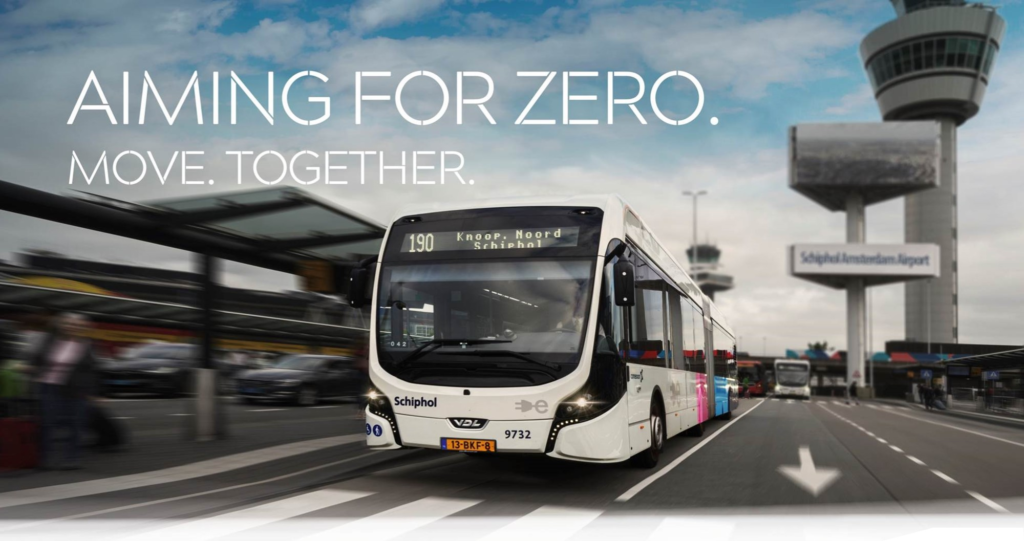
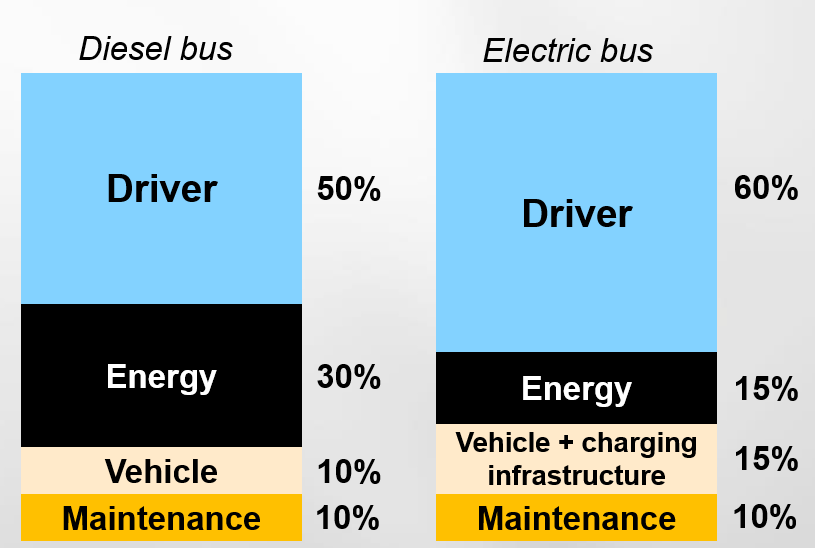
When considering the switch to zero-emission buses, the transition can initially seem expensive. However, bus manufacturer VDL discovered that switching to an electric bus is actually cheaper per kilometer than a diesel one! We spoke with Anouk Hol, aerodynamics and energy specialist at VDL, to discuss this new trend and the challenges it brings.
Similarities Between the Automotive and Bus Industries
There are many similarities between the automotive and bus industries. “We can learn from car manufacturers, for example by using the same battery cells and packs,” says Hol. However, in buses, the batteries need to be larger due to greater capacity requirements. Buses easily drive between 300 and 500 kilometers a day, and their behavior—low speeds, constant stopping—is vastly different from that of a car.
Challenges in Designing Zero-Emission Buses
With this new direction, VDL had to strengthen its software and control expertise as they now supply not just buses but a full system, including charging infrastructure and assistance with scheduling. “When switching to zero-emission buses, we also switched from supplying a bus to supplying a system,” Hol explains.
Cities require different charging infrastructures, ranging from 24/7 services needing fast charging at bus stops to lighter services relying on larger batteries and slower charging once or twice a day.
The Use of Modeling in the Development Process
This is where the need for modeling and simulation tools emerged. It was essential to determine the best configuration early in the process, even before moving to the engineering and prototyping phases, allowing them to offer tailored solutions to customers.
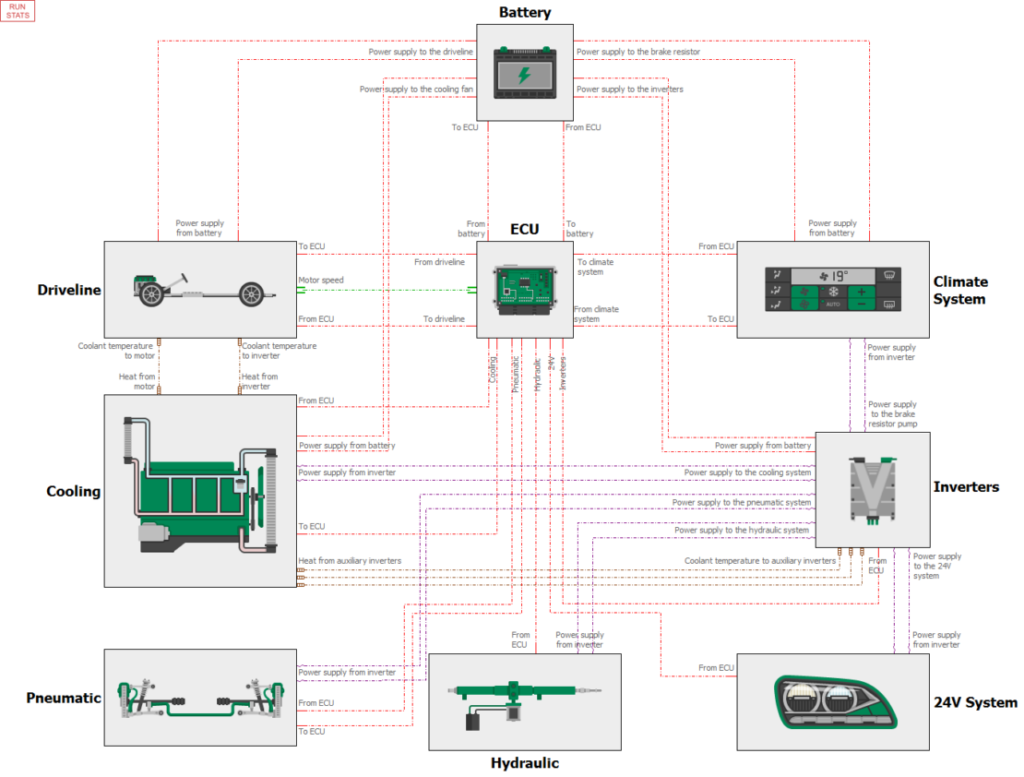
Simcenter™ Amesim™ software was used for various purposes, such as mapping energy flow within the vehicle and optimizing battery size and charging time to improve overall efficiency.
Detailed Battery Cell and Pack Modeling
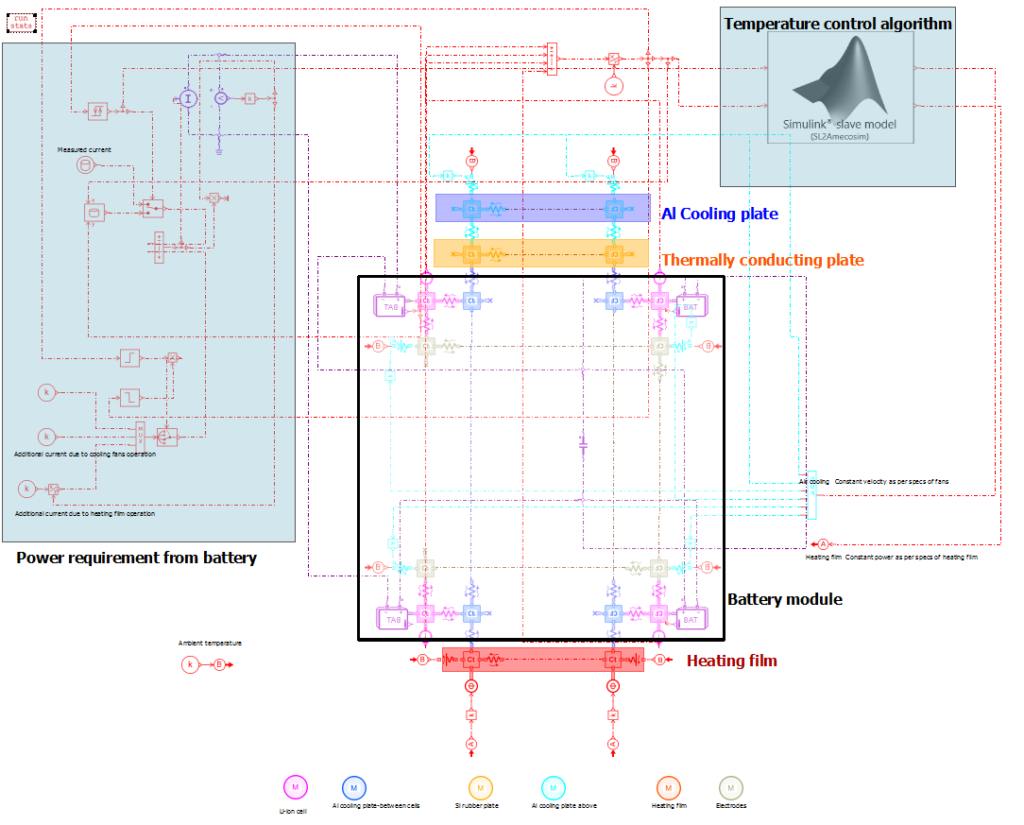
VDL created detailed models of battery cells and packs and ran simulations to predict their behavior. By combining all bus components, including the vehicle control unit, VDL could accurately predict performance and optimize supplier selection.
Mapping Energy Flows
Simulation was also used to map energy flows within the vehicle. By combining Simcenter Amesim with Simcenter™ STAR-CCM+™ software, VDL imported 3D information to better analyze complex behaviors, such as battery cooling.
Battery Management Systems
Simcenter tools were also used to validate battery control strategies, combining electrical and thermal calculations to fine-tune control parameters and improve vehicle energy management.
The simulation models helped VDL analyze various customer usage profiles, providing clear insights into their component choices.
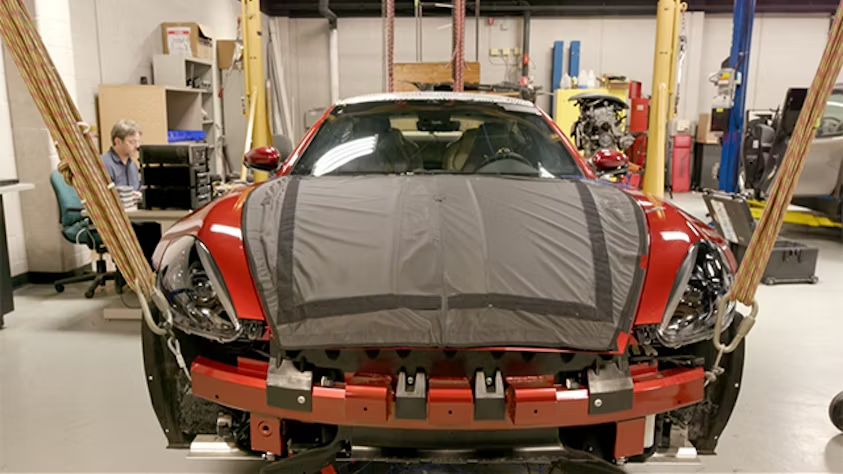
Karma Automotive, a luxury electric vehicle manufacturer, has successfully resurrected an iconic electric hybrid sedan using Siemens solutions to optimize its development process. Based in Irvine, California, and owned by Wanxiang Group, Karma faced the challenge of developing a luxury hybrid sedan, improving NVH (noise, vibration, and harshness) performance, and reducing the number of design iterations.
To overcome these challenges, the company digitized its development processes and received expert assistance from Simcenter engineering services. They used a combination of simulation and testing in the vehicle’s development and adopted Polarion ALM to manage the software lifecycle.
Results:
Surpassed NVH optimization, improving the overall development process.
Enhanced NVH performance with a minimum number of design iterations.
Integrated testing and simulation into a single platform.
Facilitated team and division collaboration through streamlined data exchange.
Bob Kruse, Chief Technical Officer of Karma Automotive, emphasized that Siemens’ consulting services and software tools helped them optimize the process with minimal iterations, ensuring precision and efficiency from the early stages of development.
The rise of electric sports cars: Electrification has revolutionized the automotive industry, with over 12 million hybrid or electric vehicles sold globally. While electric cars haven’t yet dominated the roads, they have reshaped perceptions, and luxury brands like Tesla, BMW, Jaguar, and Porsche have launched high-performance electric and hybrid models.
Karma Automotive, a California-based startup, emerged from the assets of Fisker Automotive in 2014. While maintaining Fisker’s attractive Italian design, Karma significantly upgraded the technology, creating a luxury hybrid sedan that combines the best of the original design with modern technological advances.
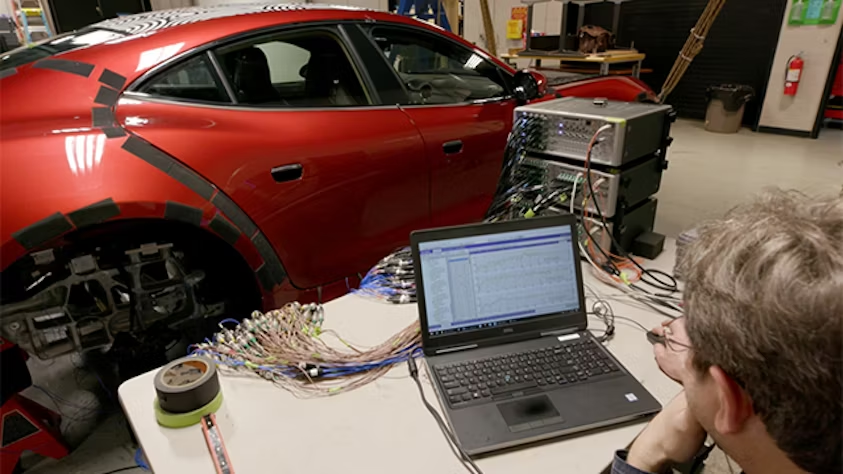
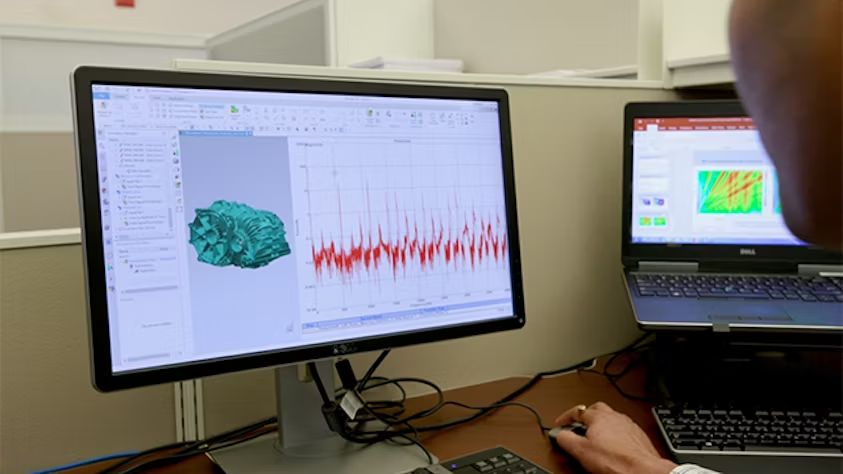
NVH optimization in a hybrid-electric sports car: One of the major challenges in hybrid cars is managing engine noise, as the lack of combustion engine noise makes other sounds, like road and HVAC noise, more noticeable. Karma used Simcenter 3D and Simcenter Testlab to balance noise reduction without negatively impacting other attributes, such as weight or durability.
By using simulation and testing simultaneously, Karma efficiently optimized NVH performance, combining hybrid modeling and physical testing. Simcenter 3D helped simulate components under development, while Simcenter Testlab validated these models using physical test data.
Simcenter engineering and consulting services: In addition to software tools, Simcenter’s engineering and consulting services were crucial to the project’s success. These services helped Karma optimize both the product and process development, minimizing last-minute corrections during the validation phase.
The added value of Polarion: To manage multiple software capabilities and facilitate collaboration between teams and divisions, Karma adopted Polarion ALM. This tool allowed them to track objectives from the vehicle level down to the component level, ensuring full control over the application lifecycle and improving agility throughout the development process.
Conclusion: With Siemens’ services, Karma Automotive not only met but exceeded its technical targets. The combination of simulation, testing, and an optimized process allowed them to successfully launch their luxury hybrid sedan to the market. With this process firmly in place, Karma is ready to take on new challenges and expand its electric vehicle lineup in the future.
Like most countries and economic communities, the European Union (EU) has exacting standards for the traceability of its food chain, especially regarding animal identification and health.
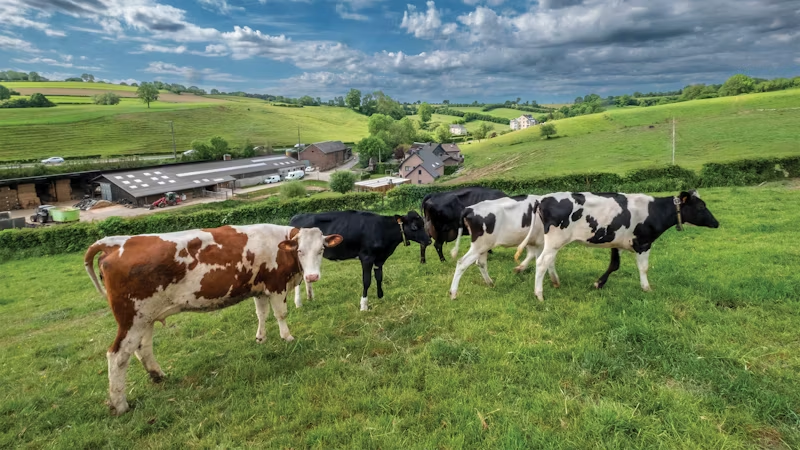
The Regional Association of Animal Health and Identification (ARSIA) in Wallonia, Belgium, is a certified nonprofit cooperative that helps bovine and other animal farmers and veterinarians across southern French-speaking Belgium align with European animal identification and traceability norms to prevent and fight animal disease.
As a vital aspect of the food chain, ARSIA manages the laboratory side of things – completing standard tests and running general laboratory work. They also help when additional examinations and studies are required for possible disease outbreaks. This enables them to protect animal and herd health and food chain quality, complete important administrative tasks and trace the health status of the Wallonian bovine population. This is no small task in this populous farming region in northern Europe.
“Generally speaking, we receive blood samples from veterinarians’ regular farm visits, register the samples according to the animal’s ear tag identification and European health and safety procedures, complete the analysis and send back the test results to the veterinarian,” explains Cédric Mullender, lab manager at ARSIA. “This is our basic work. We can also handle batch work, more complicated analysis and blood workups and other types of samples, notably cadavers for analysis.
“The ARSIA lab counts on Siemens Digital Industries Software’s Opcenter RD&L for all our traceability, administrative and organizational processes.”
With Opcenter™ Research, Development and Laboratory (RD&L) software, which is part of the Siemens Xcelerator business platform of software, hardware and services, each job is tracked and traced from the source using the registered animal ear tag number. ARSIA receives the samples from the veterinarian, and they are registered as a “one request file,” which can contain data covering one or more samples, all the administrative information and additional analysis requirements. This could include herd sample selection, amounts and types of analysis requests.
Small yet complex
Even in a small region like Wallonia, the analysis is highly complex. Teams from ARSIA collect blood samples from over 80 veterinarians and pick up an average of 21 cadavers for postmortem analysis daily, which does not include the mandatory blood samples from newborns.
“We receive a huge number of samples every day – around 3,700 grouped in 800 requests,” says Mullender. “Most of these requests, about 580 files, are already in an automated sample flow, but this volume still generates a huge amount of lab analyses and files to track. “For more specific work, we can set up additional flows and processes in Opcenter RD&L. I’ve written some myself. Of course, we can check for accuracy manually, but when we see a mainstream flow developing with systematized data, we try to automate it.”
The 3,700 samples a day is even more impressive when you realize the ARSIA lab team numbers between 11 and 15 people who register information depending on the analysis period. Today, the data flow is highly automated and runs rapidly and smoothly.
“Our digital transformation with Opcenter RD&L has been life changing for our lab techs,” says Mullender. “Our tool is extremely fast, yet familiar and easy to use. Our lab techs have everything they need right in front of them.”
The road to a successful rollout
But this wasn’t always the case. For years, ARSIA and its members ran all types of software programs to manage the different sample flows.
“Over the years, we narrowed our laboratory information management systems to four and then two, but we knew we needed a single software solution that would be highly flexible and able to handle future complexity and new data flows,” says Mullender.
The ARSIA wish list
Even with a single solution ARSIA knew it would be an even better investment if the software could be extended to integrate more processes with additional flexibility.
“When we started the integration project with Opcenter RD&L, we were impressed by the local development support we got from the Siemens team,” states Mullender.
“We had a fair amount of customization on our list. We wanted a universal interface to easily integrate tools and data streams. We needed a dependable test report system and a complete billing system that was integrated into the entire process. It was a long and tough list and having a team of competent developers here in Belgium made this happen; it made the entire project a success.”
Mullender and his team realized customized process improvements, like plate management, would save time and operational costs while they were migrating to the Opcenter RD&L system.
“The plate management feature automatically organizes all the samples into the respective lab rack according to analysis type and context,” explains Mullender. “This saves a tremendous amount of lab technician time because it places a series of samples according to specific analyses and context into a group.”
Quick responses to tough questions
“Siemens has always made sure that issues were resolved,” says Mullender. “Support was there when we needed it, so we had the lab machines up and running on time. We worked with competent people who understood our needs.
“We have worked with Siemen for several years and this experience has given us confidence in them. They have the trust of their customers. I think this is one of the most important points when it comes to working with Siemens.”
Always up to date
Today, the team and techs aren’t sitting around waiting for data, dealing with messy backlogs or trying to get computer programs to talk to each other.
“We’re always up to date,” says Mullender. “It is all traceable, auditable and automated. We know how to track everything. It saves a lot of time. We’re making the most of what Opcenter RD&L has to offer.”
The ARSIA team is especially proud of the customized universal interface they use to integrate critical data from outside applications, such as scheduling visits.
“The universal interface lets us easily create connections,” says Mullender. “I know how to do it and I am not a computer scientist. We’re pretty good at getting the data we need where we need it on our own. As a lab manager, it is what I wanted in a system: I wanted us to be autonomous.
”To get up to speed, we also invested in high-performance machines. Investing in the right equipment to run Opcenter RD&L has made a huge difference. Now it’s extremely fast.
“When it comes to test reports, things just run like clockwork. The crux of the problem was hardware performance. At the start, it took a few hours to send around 40 results. With our Opcenter RD&L system finely tuned and running on the right hardware setting, it takes 10 minutes. It’s easy to save an enormous amount of time.”
Ready for complex lab work
Now that the Opcenter RD&L system is in place, the team is using it for more complex lab exploratory analysis work like bacteriology that requires collecting data on evolving sample cultures.
“With Opcenter RD&L, we’ve managed to model this with 50 or so methods and parameters,” says Mullender. “Even with all the complexity, we’ve created a tool that’s flexible and performs well enough for bacteriology work.
“That’s the beauty of Opcenter RD&L. If you start with the right parameters and information, Opcenter RD&L helps people make the right choices from a huge selection of items. All you do is follow the steps, make your choice and it works.”
The bigger food chain picture
Government bodies must have the means to act quickly and control outbreaks of diseases that can harm individual animals, animal populations, farmers and the overall economy, including the health and welfare of the general population.
In case of an outbreak, it is crucial to know where the animals were kept, where the outbreak originated, where the animal went and where the disease transmission likely took place.
“This is why the traceability data we keep in Opcenter RD&L is so vital,” explains Mullender. “We will continue to use it to cover more monitoring and technical parameters until we cover everything. We have confidence in Opcenter RD&L because we can see in detail who did what and we can always find the data that we need quickly and easily.
“In the future, all our government procedures and LIMS processes will be going mobile and thanks to our working relationship with Siemens, we’ll be ready.”
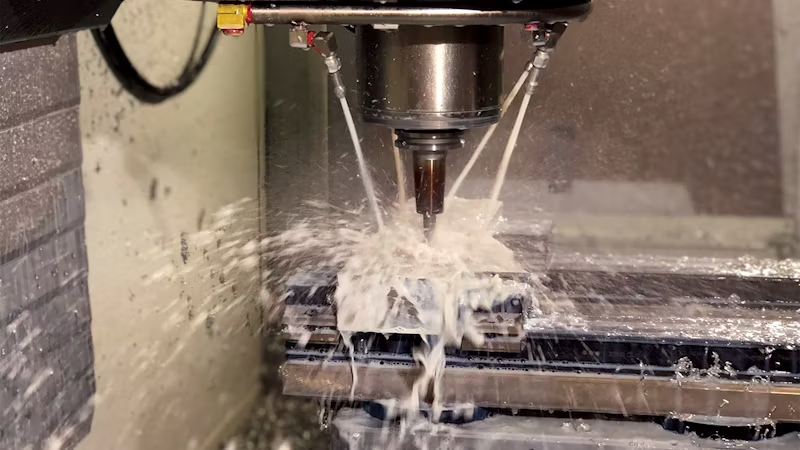
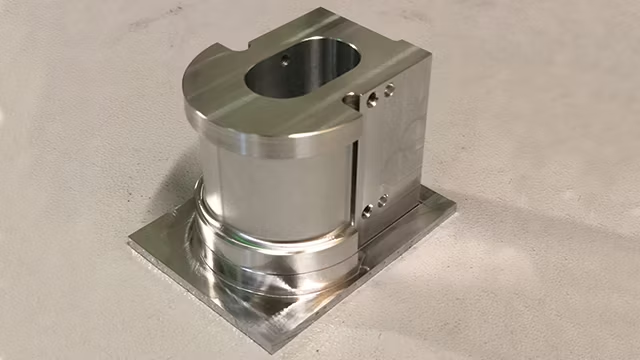
YouniQ Machining was founded in November 2017 to address a severe limitation in the machining of small fixtures and parts that are primarily used for testing and measuring. The production of such parts is typically outsourced, but production facilities are not well equipped to handle the requests. Manufacturing of single pieces typically requires eight to 12 weeks when produced with conventional machining processes. In contrast, many parts can be produced with 3D printing processes that reduce lead time to only two working days. YouniQ Machining considered whether a similar lead time reduction was possible for the machining industry.
Additive manufacturing/3D printing technologies emerged in a period when online platforms were commonly accepted; the business models of most companies that offered 3D printing services was very much focused on web-based platforms from the beginning. Industrial machining is far more conservative, but after investigating the possibilities and limitations, YouniQ Machining could not determine why time to market could not be significantly reduced.
The only limiting factors the company identified were the dimensional tolerances, which are typically much lower for machining. After some research it became evident that these tolerances are almost never a showstopper: most machine shops determine tolerances based on 2D technical drawings that specify generic and excessively tight tolerance grades from the ISO system of limits and fits that result in a tight fit. Other reasons for long lead times include overloaded production funnels, a lack of skilled personnel, unnecessarily conservative processes, and material unavailability.
Solving the problem through digitalization
YouniQ Machining’s primary challenge was to create a completely new business model that would revolutionize the production of one-time or small-batch machined parts. The company abandoned traditional approaches and reimagined the entire process from scratch, from order intake, assessment, and production to delivery. The only way to achieve this new approach was to digitalize every element of the process.
Envisioning a web-based machine shop
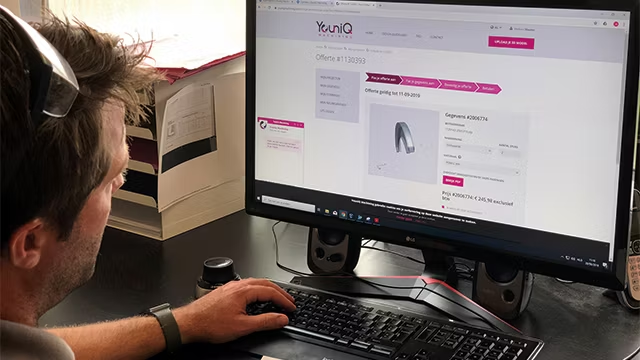
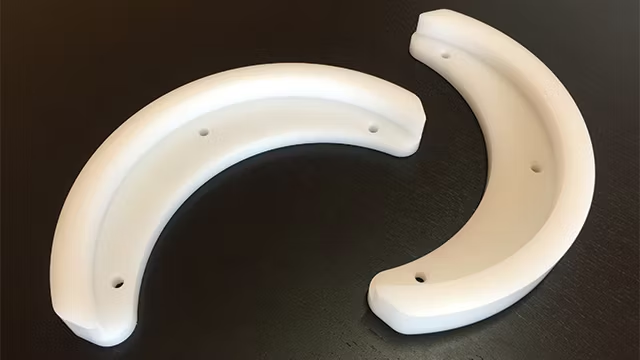
YouniQ Machining envisioned a digital workflow that could streamline and accelerate the order-to-production cycle, creating a web-based machine shop that would bring the efficiency and speed of 3D printing services to machining processes. The digital workflow begins when the customer prepares a 3D model of the desired component using any computer-aided design (CAD) program and uploads the CAD file to a web portal. Once uploaded, YouniQ applies automated routines to analyze the model’s manufacturability and generate a quote based on simulated machining time and material. The company provides the customer with a downloadable 3D model of the part showing the expected machining results, which the customer can use to verify its fit in an assembly. Customers can adjust the quote based on material, quantity, delivery, and post-machining requirements, and then place the order. Using computer-generated programs, YouniQ’s staff and modern machine shop produce the parts and arrange delivery as specified by the customer.
Unique web platform and zero-touch production approach enables next-day delivery
One of the main challenges in realizing the web-based machine shop was integrating the web environment with computer-aided design and manufacturing (CAD/CAM) solutions. Since no out-of-the-box solution was available, YouniQ had to program everything manually. A robust application programming interface (API) in the CAD/CAM solution was crucial.
YouniQ initially worked with a CAD/CAM provider that offered good web integration, but they could not meet the API requirements. Another CAM provider had a strong API but failed in web integration and CAD capabilities. The company then partnered with Siemens Digital Industries Software, which provided solutions that met all of YouniQ Machining’s requirements.
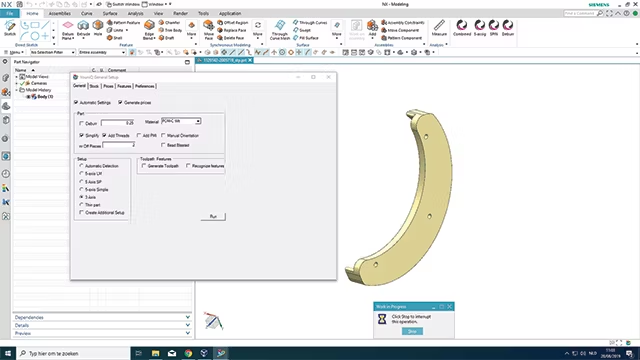
Through its NX™ product development software, Siemens offered best-in-class CAD/CAM integration and application programming capabilities that quickly exceeded those of other suppliers. Key features of NX that filled all gaps included web integration using the JT™ data format and the NX Open API for programming and customization. Together, these elements provided an open environment, excellent programming potential, and a strong CAD connection, which became increasingly important over time.
Realizing the vision through digitalization
YouniQ used Siemens’ solution to redesign conventional processes through end-to-end digitalization. The result is a process that provides customers with transparent pricing, direct feedback on producibility, finishing options, and design modifications that reduce costs and lead times. Most importantly, the streamlined digital process reduced delivery times from eight to 12 weeks to as little as two days. Furthermore, the process does not require customers to submit extensive 2D technical drawings.
A key capability of the NX solution that enabled this reimagined process is synchronous modeling, a technology that allows direct editing of component geometry regardless of the source CAD system. Synchronous modeling eliminated the need to manually modify the original CAD design; with NX, YouniQ can easily redesign parts to ensure all specifications and tolerances match the requirements.
Automating NC programming with machining
The feature-based machining capabilities of NX CAM were also crucial to the digital workflow. With feature-based machining, numerical control (NC) programs can be automatically created based on the features in the component model. A tool called the machine knowledge editor (MKE) allowed YouniQ engineers to record all the rules and tools used in machining features, capturing knowledge and data that drive automated NC programming.
Results
With its web-based machine shop and automated, hands-off workflow, YouniQ Machining reduced time-to-market from the typical eight to 12 weeks to just two days for fast delivery. The company also offers additional delivery options that reduce costs: standard delivery in five business days and budget delivery in 15 business days.
With its fully digitalized workflow, YouniQ Machining achieved higher margins than competitors, allowing investment in future innovations. The company also reduced its reliance on highly skilled experts and minimized its administrative burden, enabling the business to focus on core machining operations. With processes defined and programmed in NX, the company standardized its development procedures and enabled hardware standardization in production.
While Siemens’ NX CAM solution was a key element in achieving these impressive results, the professional support and consultation of Emixa Industry Solutions also played a significant role. With in-depth knowledge of Siemens NX CAD/CAM, automation, and postprocessing, and extensive industry insights, this Siemens Platinum business partner translated YouniQ Machining’s business needs into concrete, practical solutions. Emixa Industry Solutions’ vast experience in providing high-end technical solutions for demanding environments enabled fast and seamless implementation, minimizing downtimes and disruptions. Additionally, Emixa Industry Solutions offers a continuous feedback loop to identify and resolve future challenges and developments.
Future plans
Looking ahead, YouniQ Machining plans to add more interactivity to its web platform, including the ability for customers to add tolerances without 2D drawings and to eliminate manual product approval through advanced algorithms. The company also aims to automate the processing of product and manufacturing information (PMI – 3D annotations in part models) to support model-based design and offer a wider variety of materials.
Supplyframe is the leading Design-to-Source platform for the global electronics value chain, offering solutions that interpret billions of signals related to intent, demand, supply, and risk, providing insights throughout the product lifecycle from design to market. In 2021, Siemens AG acquired Supplyframe.
DesignLab at Supplyframe is a physical research and development studio located in Pasadena, California. It focuses on transforming the electronics industry by collaborating with other organizations, such as universities, to develop open-source hardware projects and products with social impact. DesignLab also hosts events, including technical and university workshops.
Design Workflows at Supplyframe DesignLab
DesignLab uses NX CAD and other software from the Siemens Xcelerator portfolio throughout its design process. NX CAD offers tools for multidisciplinary, collaborative design across MCAD and ECAD, which is crucial for the design of products with electronic components at DesignLab.
The design process at DesignLab begins by gathering relevant data to guide decisions, as many of their projects are based on existing research. This might involve considering what types of sensors are needed, power management, user experience, and more. Once this information is gathered, the team starts modeling and iterating the design in NX CAD. After a design is ready, they move on to prototyping.
With NX as a comprehensive CAD/CAM/CAE tool, DesignLab also utilizes NX CAM for prototyping and manufacturing. Their 4,900-square-foot studio is equipped with high-volume Pick and Place machines, CNC mills, and 3D printers, allowing for rapid prototype development throughout the design and iteration process.
NX X: Cloud-Based Licensing for NX CAD
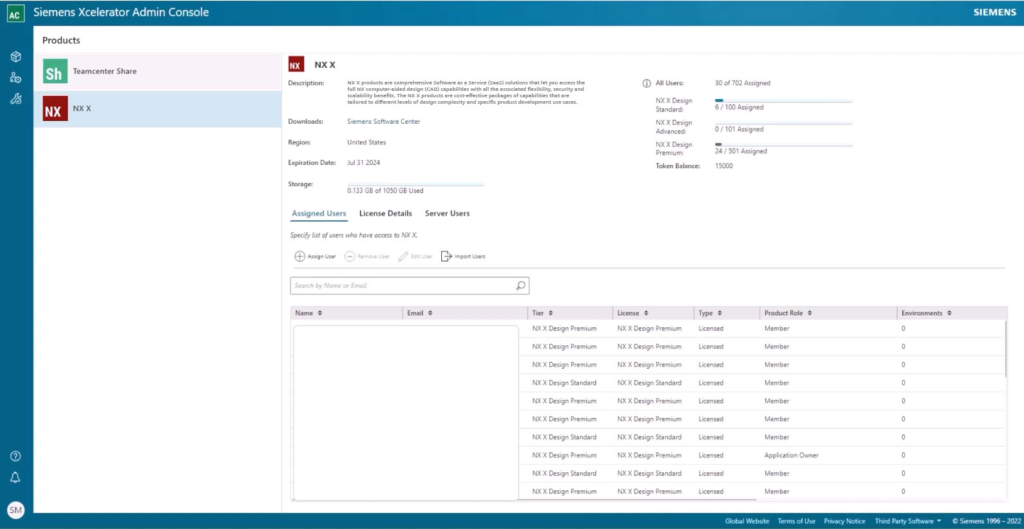
In June 2024, DesignLab adopted NX X, a cloud-based Software as a Service (SaaS) deployment of NX CAD for product design. NX X includes all the same multidisciplinary design tools as traditional on-premises NX CAD, plus the advantages of a SaaS solution, such as flexibility, security, and scalability. It also includes built-in data management and integration with Teamcenter PLM, which DesignLab leverages for collaboration and data sharing.
We spoke with Giovanni Salinas, Senior Product Development Engineer at DesignLab, about their decision to switch to NX X. When asked what drew DesignLab to adopt NX X, Giovanni said:
“The licensing system, easy! You practically have no license management to worry about. You just install NX X and get to work.”
The Installation Process of NX X at DesignLab
Giovanni highlighted that the installation process of NX X was “frustration-free” and the “easiest application installation by far,” taking no more than 25 to 30 minutes, most of which was spent downloading the installation package. Unlike typical software installations, which require IT team assistance, Giovanni only needed an internet connection. He received an email to download Siemens Software Center, followed the instructions, and the rest was quick, simple, and online.
“It was truly smooth. I’m seriously looking forward to more Siemens applications with an ‘X’ in their name.”
Flexibility of NX X: Desktop and Browser-Based CAD
NX X offers “the best of both worlds,” according to Giovanni. Licensing is managed online by Siemens, but the application itself remains desktop-based, allowing users to leverage their computer’s processing power.
“Other [cloud-based CAD] applications are fully online, which may make installation a breeze, but they come with their own set of challenges.”
Online-only applications are often simplified versions of their desktop counterparts, with reduced functionality and fewer capabilities. NX X, however, provides the same NX CAD features and functionalities, along with the benefits of cloud licensing. Additionally, NX X can be streamed online on any browser-enabled device through the NX X Remote Extension.
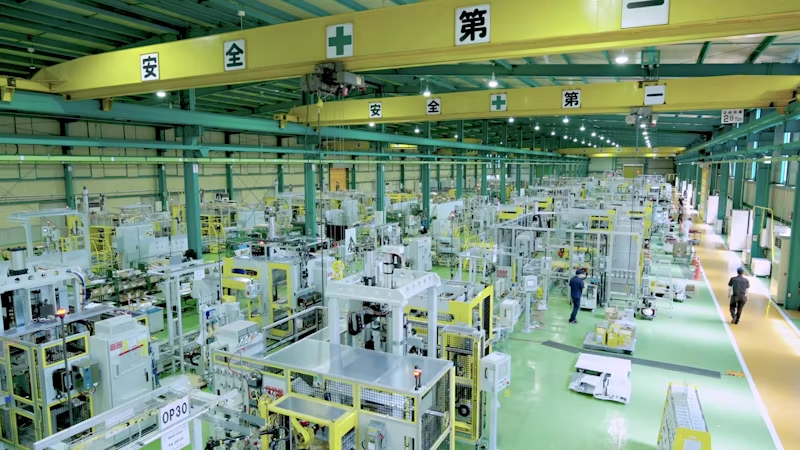
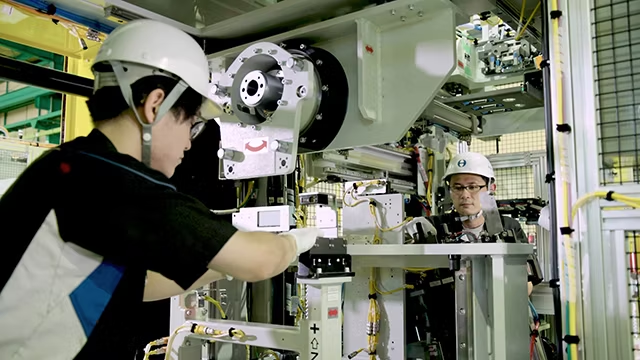
Hirata Corporation (Hirata), headquartered in Kumamoto, Japan, is a global leader in constructing production lines. It has locations throughout Japan as well as plants in North America, Europe and across Asia, providing production equipment to automotive and semiconductor manufacturers worldwide.
Hirata provides transmission assembly lines, engine assembly lines, electrical vehicle (EV) and other automotive production equipment to numerous manufacturers.
When the 2016 Kumamoto earthquakes damaged the company’s plants, Hirata decided to contribute to the reconstruction effort by relocating its headquarters to Kumamoto City.
As sales increased, the company’s newly built plant was expanded to provide space for adjusting equipment test runs and enabling customers to conduct inspections inside the plant. Hirata has integrated design, manufacturing, assembly, electrical work and adjustment test runs. As the company constructed and subsequently expanded its plant, it also started a large-scale digital transformation.
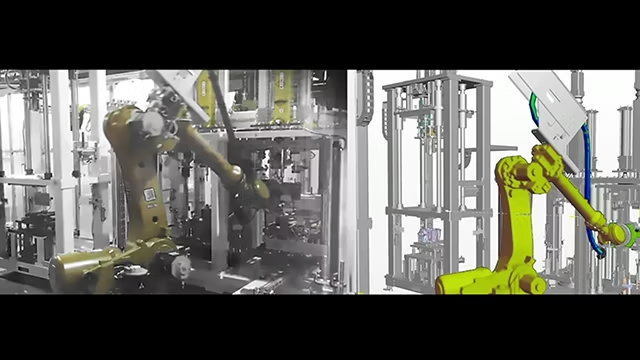
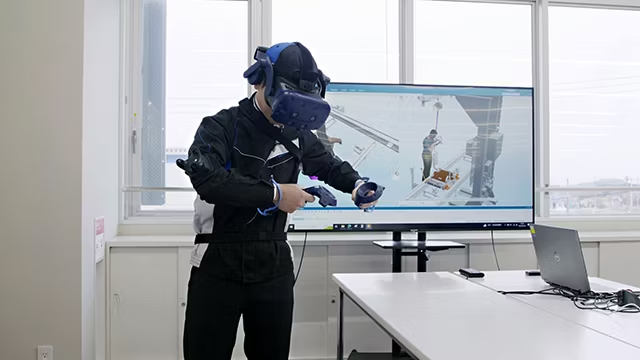
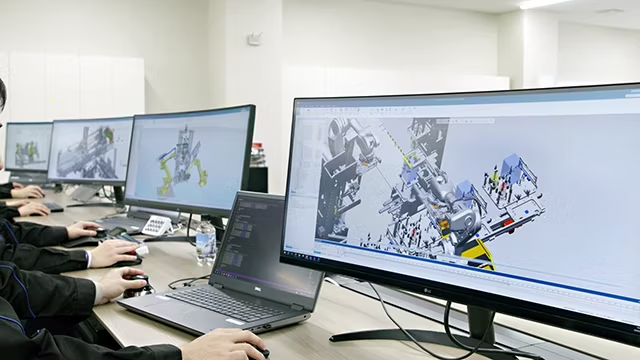
After evaluating several simulation solutions, Hirata chose Siemens Digital Industries Software’s Process Simulate in the Tecnomatix® portfolio. It also decided to work with Siemens as its strategic partner to promote digital transformation, and as part of that initiative introduced the Siemens Xcelerator business platform of software, hardware and services to the company.
Strategically promoting digital transformation
By embracing digital transformation, Hirata has been able to shorten the time it takes to go from product design to manufacturing. Hirata has front-loaded its investment in resources early in the product development process, bringing forward work that was previously done in later stages.
As Hirata’s customers began to face shorter production times, they focused on how to compress the time between new products, handle low-volume, high-mix production and shrink the period required to modify production lines during operation.
Hirata knew the digital transformation would help them, but it was challenging to explain to senior management and on-site personnel what would change and what the simulations with Process Simulate would reveal. Describing the benefits of simulations was particularly difficult at first. Some personnel had the impression that simulations would require twice as much effort. However, as the implementation went ahead, workers were able to see the positive effects and started saying it made sense.
Simulation supports high-quality manufacturing
“Prior to introducing digital simulations, we were able to check for equipment interferences and conduct on-site verifications, but now we were able to teach robots offline,” says Shoichiro Seki, general manager of the engineering departments at Hirata. “Once that data has been downloaded, the robots can immediately be operated on-site, which is a huge advantage.
“Previously, we had to turn on the power, start up the robots and then perform the teaching work to check for interferences, cable twists and other issues. Now all of that can be performed offline, which is incredibly helpful for manufacturing.”
Leveraging Process Simulate
Hirata’s major customers have added 3D model validation to their equipment development process and most of them were using Process Simulate, which is part of Siemens Xcelerator. This also motivated Hirata to select Process Simulate.
“Previously we required three engineers to complete the verification process in three to 10 days, but one engineer using Process Simulate for cable simulation can complete the verification process in approximately two hours,” says Seki. “That reduced man-hours compared to conventional methods by 90 percent and manpower requirements by 66 percent.”
“After a year of simulation experience with Process Simulate, I was able to gain a deeper overall understanding of the work I had been doing for the past five years in my own area of expertise, human machine interface,” says Mami Hayata, chief of the control design group in the engineering department. “This enabled me to receive information from many different fields, including mechanical, control, instrumentation and robotics. The introduction of simulation has allowed me to learn so much more about the world of equipment.”
“I used to only talk to people in control,” says Kosuke Nishi, who is a mechanical design engineer. “But now I have connections with various people in mechanical, control, instrumentation and robotics. Initially, when simulations were introduced, my requests to mechanical designers to provide information for simulation were met with resistance, but now that awareness and demand have increased considerably, I feel that we are able to exchange useful information.”
“Previously, we determined the optimal cable routes and fixing methods by trial and error,” says Ryosei Sekiguchi, manager of the control design group in the engineering department. “With Process Simulate we can use simulations to verify multiple patterns of routes and fixing methods simultaneously, which significantly reduces the time spent on that.”
“Prior to introduction, we used 2D drawings to confirm ergonomic areas and workability based on planar dimensions, which frequently led to insufficient verification of worker postures and product shapes,” says Seki.
“This often resulted in us discovering necessary adjustments only after the completed equipment started being used. However, with the introduction of human machine interface, we can now perform work verifications for various postures in 3D. The results are clear and easy to understand, allowing smooth consensus building with customers.
“We compared simulation software from various manufacturers, but ultimately chose to adopt Process Simulate due to its global market share and especially its widespread use among automotive manufacturers.
“As a result of this evaluation, we chose Siemens as our strategic partner to promote digital transformation. We also introduced Siemens Xcelerator as part of that effort.”
Future of Process Simulate
Hirata is implementing Process Simulate add-on features every year, including modules for robotics, virtual commissioning, safety and cable. They have also introduced Plant Simulation in the Tecnomatix portfolio in various departments.




-640x360.jpg?w=900&fit=max&q=60&dpr=1&auto=format)
-640x360.jpg?w=900&fit=max&q=60&dpr=1&auto=format)
-640x360.jpg?w=900&fit=max&q=60&dpr=1&auto=format)
-640x360.jpg?w=900&fit=max&q=60&dpr=1&auto=format)
-640x360.jpg?w=900&fit=max&q=60&dpr=1&auto=format)