Product: NX Design Industry: Construction and Manufacturing
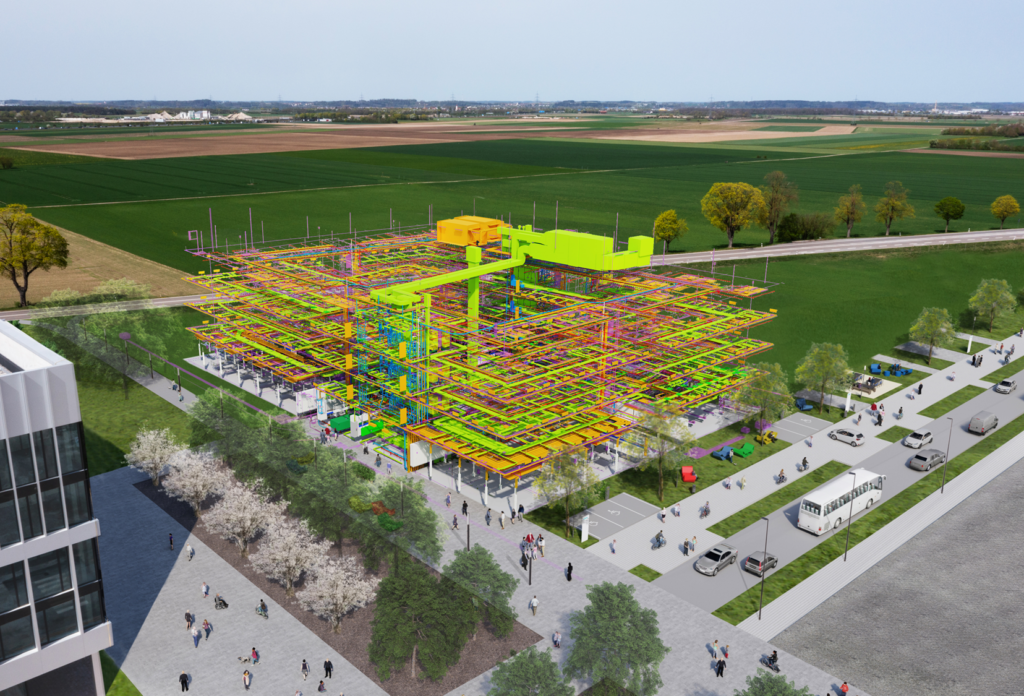
The integration of Building Information Modeling (BIM) with NX is transforming the way industrial plants and factories are designed. By combining the strengths of both tools, Siemens Real Estate and Siemens Digital Industries Software are streamlining workflows, improving collaboration, and enhancing efficiency in shop floor planning.
BIM and NX: A Powerful Collaboration
Siemens Real Estate (SRE), a global leader in corporate real estate management, is at the forefront of digitalization and innovation. With a “digital-first” approach, SRE mandates the use of BIM for all new construction projects. This methodology enables the seamless connection between the physical and digital worlds, laying the foundation for a digital twin of buildings and shop floors.
A prime example is the Digital Native Factory in Nanjing, which was fully planned and simulated using digital twin technology. By integrating factory data, shop floor layouts, and building performance data, SRE created a comprehensive digital representation of the facility. This success highlighted the need for more efficient processes to scale projects and integrate multiple teams.
Bridging the Gap Between BIM and CAD
Typically, BIM and mechanical CAD are managed by separate teams. BIM data, owned by Siemens Real Estate, is used to design buildings, while shop floor layouts are planned by engineers. The traditional workflow involves:
Creating and updating BIM models in dedicated software.
Importing BIM data into NX for shop floor planning.
Revising and exporting design changes via IFC format to ensure updates are reflected in both environments.
Since design reviews occur frequently, this process demands constant data transfers between architects and engineers, increasing complexity and the risk of errors.
Challenges in BIM and CAD Integration
The manual process of exporting and importing data presents major challenges, including:
Data Format Differences: BIM data is stored in single part files, while NX structures data as assemblies and components.
Positioning Issues: BIM relies on a consistent coordinate system, which must align with NX models.
Complexity in Data Translation: Converting large-scale BIM models into NX can be time-consuming, requiring hours of processing and generating thousands of parts.
To address these challenges, Siemens Real Estate collaborated with Siemens Digital Industries Software to develop better BIM data import solutions in NX. These solutions include preserving BIM structures, simplifying file conversions, and improving IFC translation to reduce errors and enhance usability.
The Future of BIM and NX Collaboration
Looking ahead, Siemens is working on real-time design updates between BIM and NX, reducing the need for manual transfers. The goal is to create a seamless, interconnected workflow, where engineers receive automatic alerts when changes occur.
Additionally, VR and Immersive Engineering are becoming integral to design collaboration. Siemens is exploring Sony’s XR head-mounted displays and the Industrial Metaverse to enhance shop floor planning and virtual decision-making.
Another significant advancement is the NX Translator for Revit, introduced in June 2024. This tool, available via token licensing, enables the direct recognition of identical components (e.g., doors, beams, windows), streamlining BIM data import into NX.
Ultimately, Siemens aims to develop a single source of truth for BIM and CAD data, eliminating inefficiencies and enabling fully digitalized, automated workflows. By continuing to innovate, Siemens Real Estate and Siemens Digital Industries Software are shaping the future of integrated industrial design.
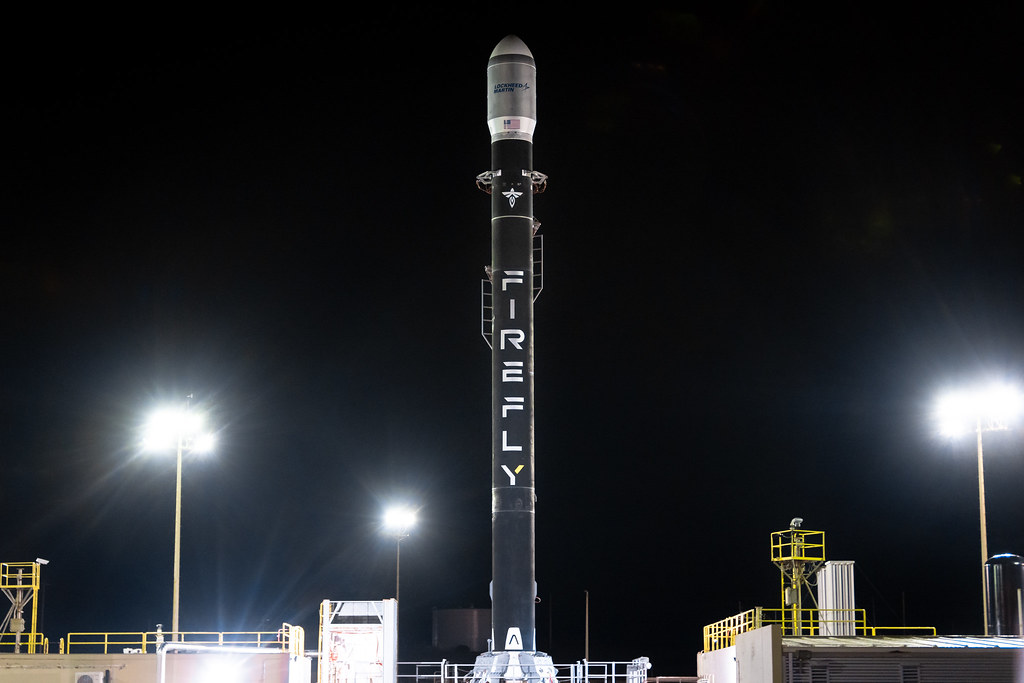
Morgan and Drew from Firefly Aerospace take us behind the scenes of their design process—from whiteboard sketches to fully engineered rockets. Learn how they leverage advanced tools like Siemens’ NX and Teamcenter to iterate quickly and bring complex structures to life.
They also reveal their thoughts on the role of AI in aerospace engineering, the significance of sustainability in rocket development, and the push for reusable rockets to lower costs and minimize environmental impact. The engineers also share insights on the future of space travel, the challenges of scaling rocket designs, and how the private space sector is driving a new era of exploration.
What you’ll learn about in this episode:
What is Firefly Aerospace?
Firefly Aerospace is a Texas-based private aerospace company founded in 2017 focusing on providing end-to-end space transportation services. Firefly is on a mission to enable our world to launch, land and operate in space, anywhere, anytime. They specialize in launch vehicles and spacecraft.
The design process at Firefly Aerospace
Drew, Morgan and Greg begin discussing the design process at Firefly Aerospace and how they get from concept to launch. They start with a goal or problem statement at a whiteboard discussion and then begin making early sketches. With the necessary stakeholders, they determine boundary conditions, constraints, what materials are available and what the budget is. From then, they begin creating a preliminary CAD model. They emphasize their iterative design process, so they iterate on and refine the CAD model through discussions, meetings and design reviews.
Morgan notes that sometimes the iterative process is physical and sometimes it is digital on the CAD models, running simulations and analyses virtually. But eventually, the iterations will come into the physical world for real-life validation of the design. The design touches different teams and design trades throughout the process to ensure it is up to regulations, standards and requirements.
CAD software and Siemens’ NX in aerospace design
Greg then Morgan and Drew about the benefits they see using CAD, specifically NX CAD software from Siemens Digital Industries Software. Morgan discusses how it’s nice to be able to “fly around in 3D space” and actually look at a design on the screen. You can make updates quickly, share easily with Teamcenter to get a visual representation and fully see the entirety and fullness of a design in CAD software.
Drew mentions structures as an area where visualization is especially helpful to note clearances with other components and knowing something will work when it’s manufactured. Morgan also adds that you can “virtually cut something in half to look at a joint.”
Rockets require very complex assemblies, but with NX, that design complexity is simplified. They mention how load settings such as how loading only one part of an assembly can speed up the design or review process, as well as how NX helps with being able to create structures with a “sandwich laminate,” as their previous software didn’t allow individual parts to have dissimilar materials. “With NX, it’s fully streamlined. It’s easier to do those kind of parts,” Drew says.
Before moving on, Drew also notes how helpful and useful advanced features in NX such as Synchronous Modeling are. “To be able to just do that on the fly without fully rebuilding the model, it’s so useful,” he says.
Challenges in the design process at Firefly Aerospace
We then move on to talk about challenges in the day-to-day design process working in the aerospace industry at Firefly. Morgan first mentions how regulations and the general rapid pacing of the industry can be a challenge, “It’s incredibly competitive. It’s like running on a treadmill. You have to always be innovating, always be iterating, testing, and doing better so that you are still a competitor in the industry,” she says.
Drew then mentions that the iterative process itself is a challenge, especially if it is something they haven’t done before so they can’t apply lessons from previous experiences. There is a lot of trial and error in the design process. Morgan and Drew discuss a specific example with scaling their flight-proven 6-feet-diameter Alpha rocket to a medium-class launch vehicle that is 14 feet in diameter. Throughout the process, they are learning new lessons as they create a bigger rocket.
They mention that one thing that does help them face challenges easier though is collaboration with Teamcenter. Everyone at Firefly has access to view CAD files and drawings so can reference anything needed during a design review concurrently, whether they’re in the Cedar Park office or at the different test sites.
The future of sustainability in aerospace design and engineering
We then move on to talk about trends in the industry, beginning with sustainability. Morgan notes how important sustainability and especially reusability is in their field, as not only does it help from an environmental standpoint but it enables cost savings as they don’t need to start from the ground up every time. They save on labor costs as well as reduce lead times for materials the pain points that come along with creating something completely new. Both Morgan and Drew also add that Firefly is focused on composites and lightweighting with carbon fiber structures.
“Pioneering carbon fiber structures. That’s been Firefly’s main selling point—a fully composite rocket. So, lighter materials, better-performing rockets,” Drew says. Morgan adds, “When you have lighter structures, you can lift either more propellant or more payload.”
Morgan also discusses how designing for reusability evolves over time as a young aerospace company. When they first start out, they’re focusing on being flight-proven and less on reusability. When they are more established, they can pivot towards reusability if it’s economically viable. The three then talk about what recovery and reusability actually looks like in practice, including calculating where the rocket will splash back down.
The future role of the Industrial Metaverse and Immersive Engineering in rocket design
Continuing the talk on trends, Greg briefly explains the Industrial Metaverse and Immersive Engineering and asks if Firefly would benefit from leveraging immersive tools. Drew thinks immersive technology would be especially beneficial for integration and production planning. Morgan agrees with the benefits within manufacturing and production planning, and also thinks the integration of AR and VR into training could be incredibly valuable. Though they haven’t explored it yet, Morgan says, “We haven’t dipped our toes into that realm yet. I think it’s a technology that is very promising and has a lot of room to grow in this industry, and Firefly could absolutely make use of it in the future.”
Morgan adds how helpful immersive technology could be in manufacturing with mitigating issues that arise in non-conformance reports. For example, showing a circle where a bolt hole is meant to be if someone is a few degrees off during manufacturing.
Greg also asks if they would find value specifically in the Sony XR head-mounted display and NX Immersive Designer, with visualizing massive structures like rockets in an immersive environment. Drew says that an immersive experience would be really helpful with seeing models in real-time scale and space, visualizing sizes of parts and getting a sense of scale. With some parts being absolutely massive, they want to know if a crane would be needed, if multiple people would be needed to move it or if there is clearance to get inside the space to install a part before getting to the manufacturing stage. Morgan tells a story about discovering a part in real-life being much bigger than it’s on-screen digital counterpart, “Sometimes you do lose that sense of scale when you’re sitting behind a desk,” she says. “If I had the ability to slap on some glasses or a headset and be able to walk around the rocket at scale, that would be incredibly useful.”
How does Firefly Aerospace use AI in the design process?
Moving onto the last trend of the episode, we discuss AI and how/if Firefly is using it throughout their design process. Drew says that while they have experimented with generative design, improvements are necessary for it to be incredibly useful for their design process. He cites an example of generative design technology creating a “cool and optimized” part, but it could not take into account manufacturability, integration into the full assembly, or cost/budget into its design. However, he believes that as AI grows and gets more capable, it will be a very useful tool for engineering. “Maybe just to do a quick trade study for a particular design, where you can give it a prompt, and it can create a quick concept design that you can refine from there. Less so just a one-and-done and makes-it-for-you solution,” he says, then concluding how AI will evolve and get better and he looks forward to the improvements that will be made over time.
Though Morgan also believes that AI is powerful and has come a long way in a short amount of time, she says “I think there’s still something inherently human in a lot of the engineering that you do…there are engineering decisions and judgments that humans make. Something imperfect is purposely included because the design is, therefore, more human, more manufacturable, or more usable.” So while she doesn’t see AI doing the design work any time soon, she does think that AI could take over a lot of automation like in math, analysis processes and design edits.
Check out our previous episode recap of our AI episode, AI-Enabled CAD: Enhancing Design Efficiency with Siemens’ NX, to learn about some of the AI-enabled capabilities in NX that help engineers to be more productive and reduce inefficiencies. Similar to Drew’s wish of giving a prompt to the software, we also recently introduced NX Copilot, powered by Microsoft Azure.
What does the future of design look like to Firefly Aerospace?
Morgan says the next generation of engineers will continue to build with AI and new features and technology that come out, such as Immersive. For herself, she hopes to be like Tony Stark— seeing holograms of a rocket and updating it with a wave of a hand or voice command.
Founded in 1883, Amazone has over 140 years of experience developing agricultural machinery that blends tradition with cutting-edge technology. As a family-owned company based in Germany, Amazone is a global leader in agricultural equipment, recognized for its commitment to innovation and quality.
A dedicated team ensures that Amazone’s machinery meets and exceeds the evolving demands of modern agriculture. “Amazone is known for designing high-quality solutions,” explains Stefan Albrecht, metrologist at Amazone. “At our Leipzig plant, we focus on passive tillage, incorporating modern and cost-effective agricultural methods into our machinery to support our customers’ operational success and growth.”
Challenges with Conventional 3D Measurement Technologies
For over ten years, Amazone’s quality assurance team has relied on 3D measurement technology to inspect in-house and externally manufactured parts. However, their previous 3D measuring arm presented significant limitations. Measuring large assemblies was challenging due to its limited range, and accuracy decreased with repositioning. Slow measuring speeds further restricted efficiency and increased workload.
Additionally, many components had to be placed on a flat magnetic surface, making it difficult or even impossible to measure certain assemblies. Rising repair costs also became an issue, prompting Amazone to search for a more advanced 3D measurement solution.
The company set specific criteria for their new measurement system, prioritizing: ✅ Faster, more accurate, and higher-volume measurements ✅ A simplified 3D measurement process ✅ A robust system capable of performing in industrial environments
The Game-Changer: Creaform’s MetraSCAN 3D
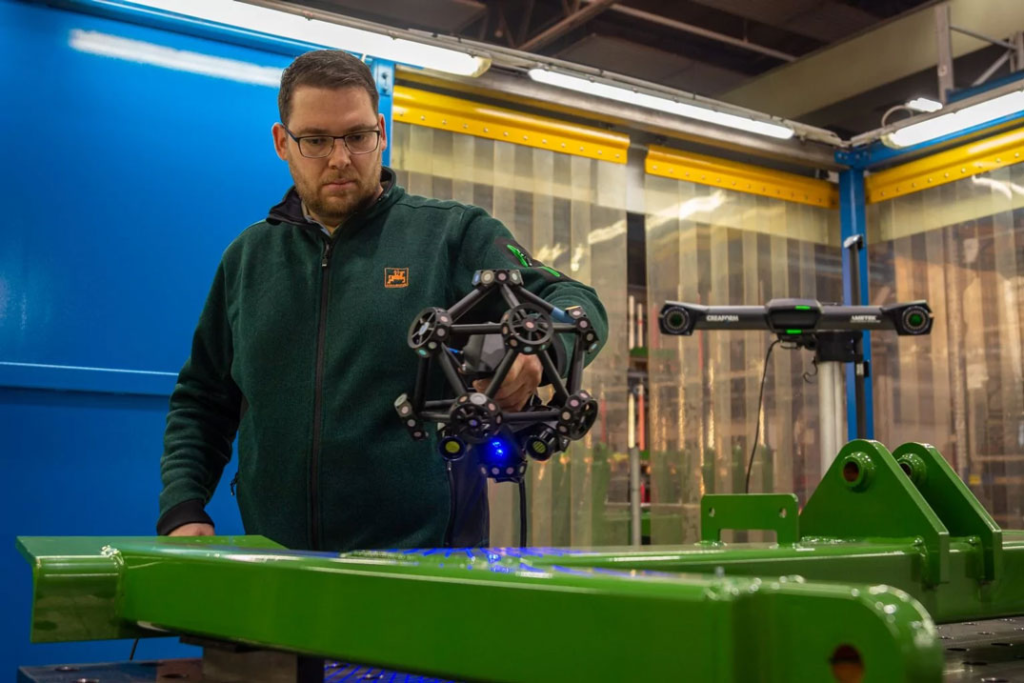
After evaluating various options, Amazone selected Creaform’s MetraSCAN 3D. “The MetraSCAN 3D met all our criteria,” says Albrecht. “We were particularly impressed by its flexibility, robustness, and speed in capturing and analyzing 3D measurements. It handles various surface types effortlessly—painted, cut, sandblasted, or baked—and is easy to operate.”
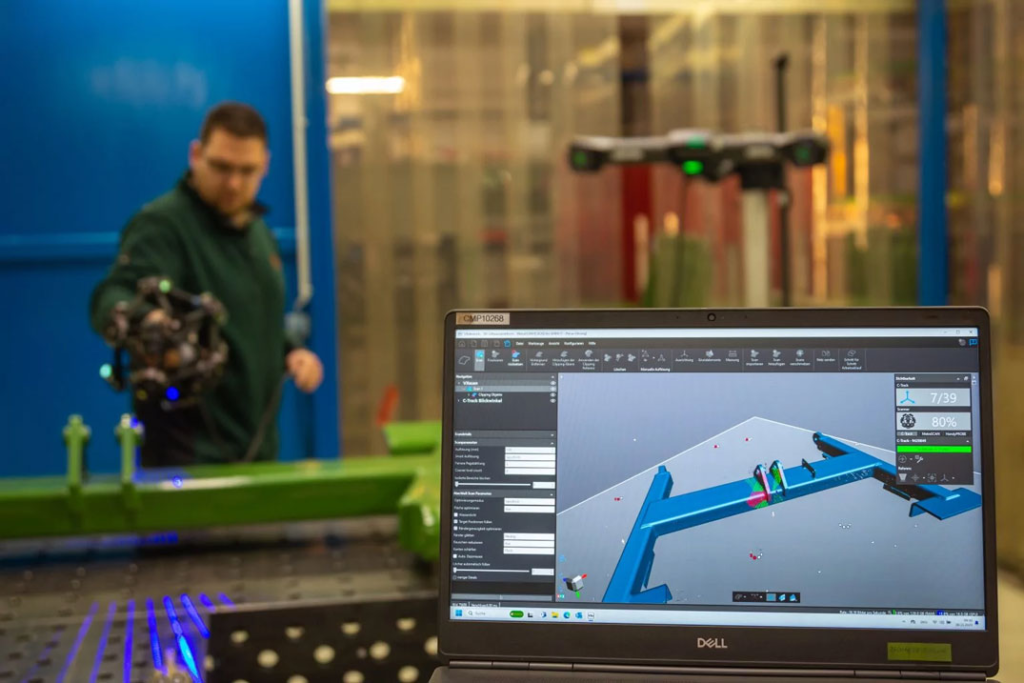
Amazone’s quality control team primarily uses the MetraSCAN 3D at a large measurement station in the production area. Components such as rear oscillating arms and welded assemblies (central frames, side frames, braces, rollers, and roller frames) are scanned and compared to their CAD models using 3D measurement software.
Boosting Accuracy and Efficiency
Compared to their previous system, Amazone has significantly accelerated its measurement processes. The streamlined data collection and inspection workflow allow the team to respond more effectively to new production challenges while enhancing incoming inspections and production control.
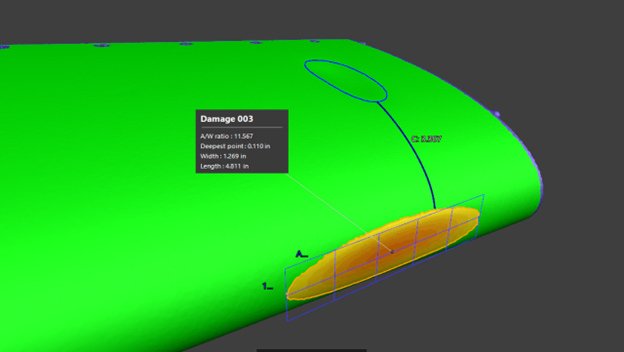
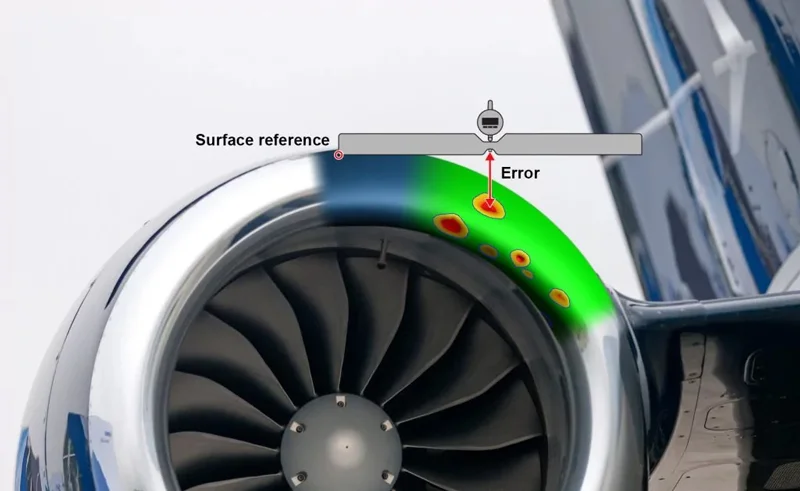
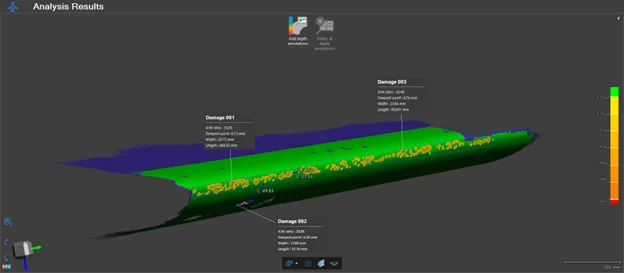
By scanning entire welded assemblies, Amazone proactively detects deviations and distortions, ensuring comprehensive dimensional checks.
Stefan Albrecht concludes: “For us, the future lies in using Creaform’s MetraSCAN 3D.”
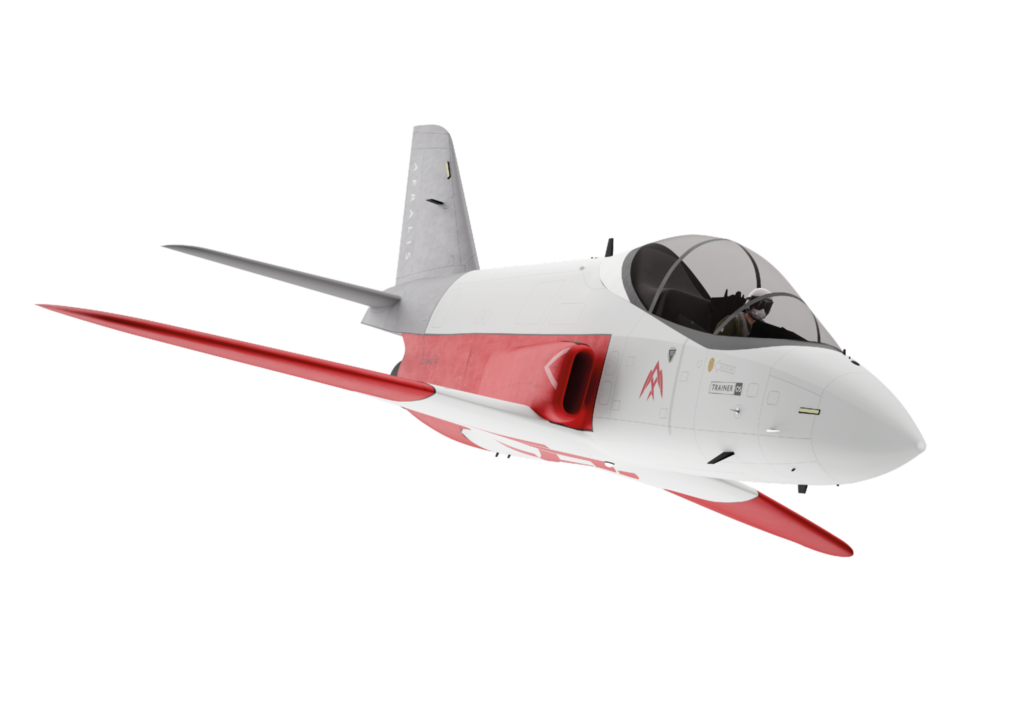
AERALIS is a digital enterprise that leverages digital engineering and a digital thread in accordance to AERSIDE: AERALIS Smart Integrated Digital Enterprise. As requirements and technology changes in the aerospace industry, it is absolutely needed to be a digital enterprise. Charlie says, “Aircraft are designed about 20 years before they land on the market in some cases, and by that point, the requirements and technology have completely changed. So, there’s a real push to keep up with that change and reduce the period from ideation to launch.”
Charlie defines digital engineering as “the application of digital processes throughout the entire lifecycle of a system, from concept to manufacture, operation, certification and disposal, but all connected via a single source of truth.” At AERALIS, the entire lifecycle of the aircraft is digitally developed, connected by a single source of truth. Callum says this digital engineering enables efficiency, collaboration and innovation.
With a digital thread, they can design parts based on known requirements, and anyone can see and be notified of changes to requirements or parts themselves. Callum again emphasizes how a digital thread enables efficiency. With everything being digital-first, Charlie notes that AERALIS can easily collaborate in a live design environment with other designers or manufacturers. From simulation and optimization to manufacturing and real world operations, everything is linked together along the digital thread with digital twins.
Model-Based System Engineering (MBSE) at AERALIS
AERALIS adopts the Model-Based Systems Engineering Arcadia Method. Callum explains how they are “breaking down a problem at an operational level and then going into more detail at functional, logical and physical levels.” With this MBSE approach, they are not just using it on the aircraft but to all business operations as a whole. Charlie uses the comparison of just how computer-aided design (CAD) evolved and became a digital step in design as opposed to drawings on paper, MBSE is the development of digital models instead of just documents and drawings.
AERALIS works closely with Siemens with our professional services implementation team. AERALIS engages in agile collaborative feedback with Siemens daily, including identifying new capabilities that they need or trialing different capabilities and methodologies. “Every week, we’re designing something, building it, testing it, changing it a bit more, and working in that real agile sprint,” Charlie says regarding testing new capabilities they request. This workflow of close collaboration helps them launch, deploy and adopt new functionality amongst their engineers quickly.
How AERALIS uses NX to solve challenges
Callum notes that AERALIS has a managed NX environment, where everything in NX is integrated with Teamcenter PLM software to enable collaboration with design partners such as Hamble Aerostructures. With NX and Teamcenter, both design teams located in Bristol and Southampton can work together on the same live digital models with the same requirements. With NX and Teamcenter, they can leverage a full digital thread— “It is a thread and collaboration and efficiency and working on the same stuff. It’s not emails.”
Charlie and Callum also call out specific benefits they realize with NX, such as including maintainability in their aircraft from day one. NX also includes human models, so they can test their designs and make sure anyone from the largest man to the shortest woman can access all parts of the aircraft needed to fly. “You can mock the view of a pilot from their eyes, and you can move their head up and down, and you’ll be able to see what they see in the cockpit. So, you can map out the anthropometrics,” Charlie says.
The design process at AERALIS
Callum briefly explains the design process at AERALIS, stating that it operates as a “thin prime.” They are modular in their organization and design by a requirements-driven approach. They collaborate with Hamble Aerostructures for some of the design and manufacturing including the Common Core fuselage, and other design firms for system design. With multiple companies, they still design as “one team” as a digital enterprise.
Aerospace industry challenges
Charlie and Callum then describe some of the challenges being seen in the aerospace industry and how AERALIS is responding to them. Charlie notes that aircraft systems have more complexity, take longer to develop, need more resources and require a bigger industrial base. Requirements change quickly, and pilots need to train based on those new requirements, but the trainer platforms have to adjust and adapt. He also notes that traditional companies wrestle with legacy IT estates that are not on new technology and not digital. He acknowledges that while AERALIS does not have a legacy IT estate to deal with which allows them to innovate faster, that it also means they are building an organization, processes and toolsets at the same time as trying to build the aircraft itself.
Callum adds on to the challenge of increasing complexity, saying that certification is getting more expensive as complexity and requirements evolve. “I fear that may be reducing the appetite for people to try new things, and limiting how eVTOLs are progressing,” he states.
Greg asks if there are any challenges that are unique to AERALIS, and Charlie mentions that there are not many new aerospace companies in general, but it is especially a challenge as they are trying to do something that has not been done before in the defense industry: modular aircraft. They have to balance the need to get it to market, getting it flying and getting it certified. But they are leveraging partnerships and collaborations with other companies across the UK and the world to solve these challenges.
When it comes to overcoming challenges, Callum says that at AERALIS they start from a theoretical standpoint and ensure that they are future-proofing and having one single source of truth for solutions as they communicate and share data. He shares an example of a challenge they had with part numbering, but states that their “secret sauce” is simply: “Just think about it as a whole— don’t just jump in— and try to build something for the future.”
The future of design at AERALIS
Before closing out the episode, Greg asks about some trends in the industry. They discuss sustainability, noting that sustainability will only increase and leveraging digital tools will allow them to identify more opportunities for optimized and sustainable solutions. The modularity of an AERALIS aircraft is inherently more efficient and sustainable as it is adaptable.
They also address the Industrial Metaverse and Immersive Engineering and look forward to experiencing the benefits of Immersive tools from initial requirements to design to manufacturing. “You can sit on a chair, put a VR headset on, and play around with potential cockpit designs. That’s only possible because we’ve been designing digitally from day one,” Charlie says.
We conclude the episode talking about AERALIS’ ultimate goal of revolutionizing the aerospace industry with modular defense aircraft, how they think the aerospace industry has evolved in their few years as engineers and how it will continue to evolve and their perspective on the general next generation of design.
Dexcom is an emerging medical technology leader headquartered in San Diego, California, specializing in the development and production of continuous glucose monitoring (CGM) systems. These devices are essential in helping patients monitor their glucose levels in real-time, offering a less invasive alternative to traditional blood glucose meters.
Dexcom’s latest device, the Dexcom G7, allows users to effortlessly track their glucose levels, helping them make smarter decisions about food and activity in the moment to take better control of their diabetes. With the launch of this new device, Dexcom continues to push the boundaries of innovation, ensuring smaller, more effective, and user-friendly products.
Challenges in scaling operations
Faced with increasing demand for its CGM devices, Dexcom needed to scale its operations without compromising efficiency, safety, or cost-effectiveness. It was also crucial to maintain a focus on customer experience to ensure broader accessibility while continually improving the product.
To overcome these challenges, Dexcom adopted Siemens’ Plant Simulation technology. As Mohamed Elsayed, Industrial Engineering Manager – Modeling & Simulation at Dexcom, explains:
“We’re making Plant Simulation part of Dexcom’s DNA. It supports our decision-making process, allowing us to continuously advance our product while optimizing operations and boosting productivity at a lower cost.”
Simulation driving productivity and innovation
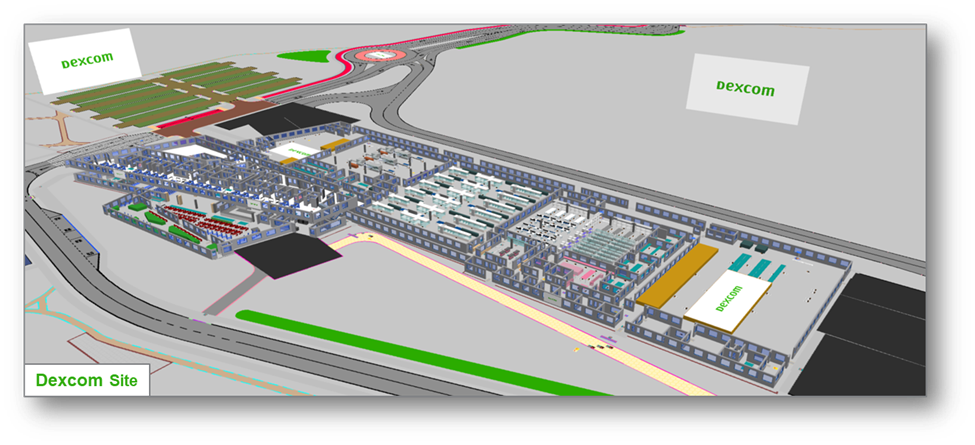
Dexcom implemented Plant Simulation to digitally replicate its factory sites and optimize production processes. This technology enables them to model, analyze, and optimize their operations in a virtual environment before making physical changes, resulting in enhanced safety, increased productivity, and better resource utilization, ultimately reducing costs and increasing product accessibility.
Notable use cases of Plant Simulation at Dexcom
Enhancing production line efficiency Dexcom used Plant Simulation to optimize production lines, modeling different scenarios and workflows. This allowed them to identify bottlenecks and allocate resources efficiently, increasing production throughput and ensuring smooth transitions when introducing new products.
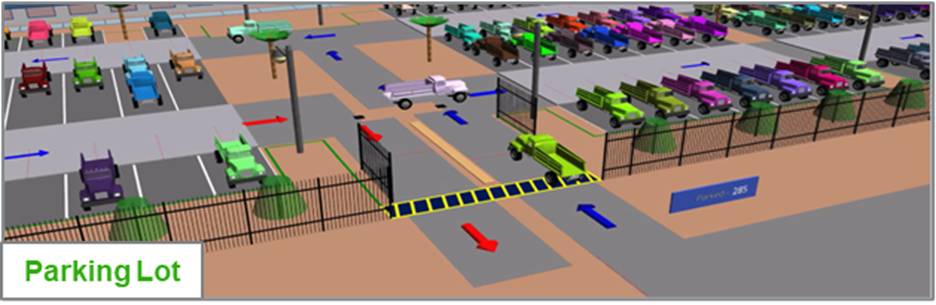
Improving facility layout and safety The company used simulation to improve safety and layout configurations, including parking lots. By modeling various scenarios, they optimized traffic flows and minimized congestion, improving safety and employee convenience.
Designing new manufacturing sites As Dexcom expands globally, they use Plant Simulation to design new manufacturing sites before construction begins. The software helps model emergency scenarios, like fire drills, ensuring safe and efficient evacuation routes and compliance with safety regulations.
The future of simulation at Dexcom
Looking ahead, Dexcom plans to democratize factory simulation, making it accessible to more employees, including those on the shop floor. The goal is to integrate this technology into everyday decision-making, enabling real-time adjustments based on resource availability and production demands.
By leveraging Siemens Plant Simulation, Dexcom has embedded a culture of continuous improvement and innovation in its operations. This technology not only optimizes processes but also supports Dexcom’s mission to improve the lives of people with diabetes worldwide.
Manufacturers: Still Doubting Automation In today’s manufacturing sectors, companies continually face various pressing challenges. Labor shortages and rising labor costs require innovative solutions to maintain productivity with fewer workers.
Additionally, relentless inflation continues to put pressure on raw material costs, thus reducing margins. Manufacturers are also competing against tight production deadlines, driven by the imperative for shorter time-to-market, a direct consequence of increasing global competition.
To overcome these widespread issues, many executives and factory managers are turning to automation and metrology solutions. However, they seek to leverage these technologies even further to maximize their investments. So, what are the possible next steps?
This article provides insights on how manufacturing companies can harness the potential of 3D scanners in automated environments. It also offers guidance for adopting approaches that balance initial technology investments with future scalability toward full automation.
Despite widespread recognition of automation as an indispensable factor in modern manufacturing, manufacturers are still hesitant to fully adopt automated production lines. This reluctance is rooted in organizational culture and operational considerations.
The Perception of Automation is Too Complex For many manufacturers, the perceived complexity of automation acts as a deterrent. The notion that automation requires a radical overhaul of existing processes and equipment fosters fear of the unknown. There is a prevailing concern that introducing sophisticated systems like robots and cobots will lead to job losses and a significant learning curve for employees.
Psychological resistance to change is further exacerbated by the misconception that automation is an all-or-nothing proposition rather than a scalable process that can be integrated gradually and managed with familiar tools.
Lack of Internal Expertise Another barrier to automation is the apparent lack of internal expertise. Small and medium-sized manufacturers, in particular, may not have the resources to maintain a dedicated IT department capable of implementing and maintaining advanced automation systems. They may assume that without specialists to guide the automation process, the chances of successful implementation decrease, preventing them from taking initial steps, despite the availability of more user-friendly automation tools.
Misconceptions About Cost Implications A misunderstanding of the costs involved amplifies doubts about automation. Manufacturers tend to focus on the immediate financial outlay while overlooking or underestimating the potential return on investment, which includes long-term savings and efficiency gains. This narrow view of finances obscures the true value of automation and its ability to optimize operations and reduce costs over time.
The Integration of 3D Scanners as the First Controlled Step Toward Automation 3D metrology-grade measurement solutions stand out for their versatility. They can be used at various stages of the manufacturing process, including product design and development, quality control and assurance, reverse engineering, and directly on production lines.
The Role of 3D Scanning in Bridging the Gap in Automated Manufacturing During the preliminary phase, 3D scanners help create accurate and detailed design models, laying the foundation for quality. As products move through the manufacturing cycle, 3D scanners can be used for evaluations and quality control on the fly, transitioning easily from manual and practical operations to semi-automated processes.
This adaptability offers manufacturers a tangible starting point for automation, allowing them to begin gradually and progress without the need for a complete overhaul of automation.
For small and medium-sized enterprises (SMEs), where each investment has even more weight in terms of return, 3D scanning technologies can be a cost-effective solution for taking a step toward automation without immediately adopting a fully automated system. This enables SMEs to gradually increase their automation capabilities along with their growth and financial comfort level. By implementing 3D scanning, these companies can harness the benefits of automation, such as greater precision and speed in production, without the large-scale investment that larger, more complex robotic systems would require.
The Inherent Scalability of 3D Scanning Technology Perhaps the most compelling argument for incorporating 3D scanning technology is its inherent scalability. It’s a future-ready investment that supports a company’s growth trajectory. As businesses evolve and market demands change, 3D scanning systems can scale to meet increased production needs or extend capabilities to new product lines.
In Summary: 3D Scanners Assist in the Transition Toward Automation For manufacturers facing the pressures of modern markets, starting with a versatile and upgradable 3D scanning solution provides a strategic path forward.
By selecting the right 3D measurement technology and implementation approach, companies can enhance their product development and quality control processes, improve efficiency, mitigate upfront costs, and lay the foundation for future automation.
A strategic investment in 3D scanning not only addresses current manufacturers’ needs but also sets the stage for progressive growth, ensuring they can adapt and thrive with emerging automation technologies.
Choosing the Right 3D Scanner When selecting 3D scanning equipment, it is important to consider key factors to ensure the solution chosen can meet your company’s needs both now and in the future. These factors include:
Scalability: It’s best to choose technology that offers both portable and automatable options. This allows for an initial investment in portable devices that can be expanded into automated systems as needs evolve and budgets permit.
Versatility: The technology should handle complex geometries and various materials without requiring extensive preparation, making it suitable for a wide range of applications and ensuring its long-term usefulness.
Speed and Precision: These are essential to maintain productivity and quality. The chosen technology should provide fast data acquisition and high precision to meet strict tolerances and quality standards.
Software Compatibility: It’s essential to seek solutions that work seamlessly with external simulation and metrology software, allowing for efficient data transfer and use throughout the manufacturing process.
Provider Expertise: When selecting a 3D scanning manufacturer, it’s important to choose one with extensive knowledge of both hardware and software. This ensures access to optimized support when addressing the most challenging production workflows. Additionally, you should inquire whether the provider has previously worked on automation projects with their 3D scanners or if they offer dedicated 3D measurement solutions for automated processes, such as quality control. It’s also worth checking if the provider offers integration services for their technologies in production environments.
Sat Nusapersada Boosts NPI and SMT Efficiency with Siemens Process Preparation Software
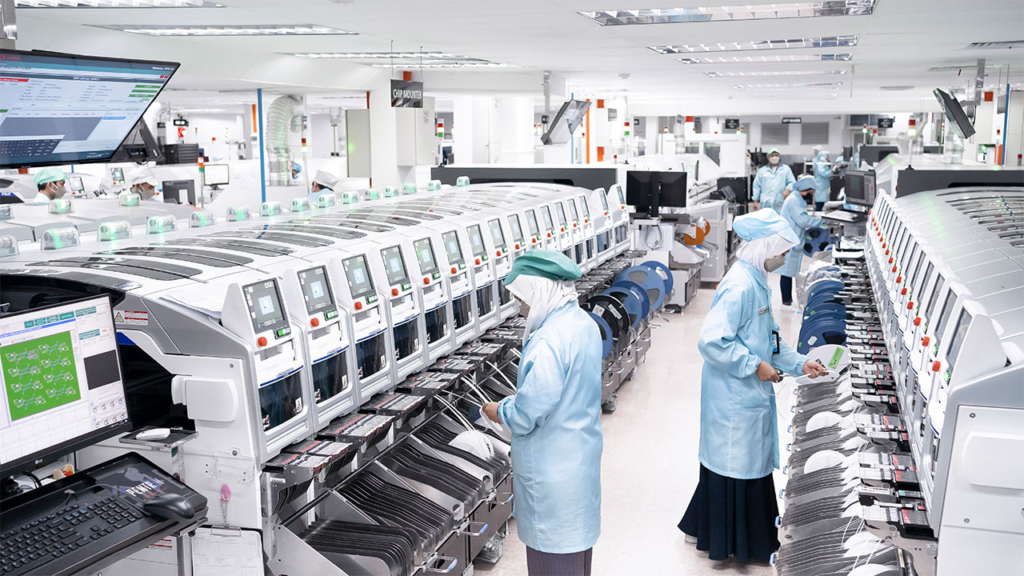
Sat Nusapersada, one of Indonesia’s largest Electronics Manufacturing Services (EMS) providers, has chosen Siemens’ Process Preparation software to enhance its New Product Introduction (NPI) processes and increase the efficiency of its Surface Mount Technology (SMT) production lines by 33%.
Founded in 1990, Sat Nusapersada is the first high-tech EMS listed on the Indonesia Stock Exchange, serving global brands like Asus, Huawei, Xiaomi, and Sharp. With growing customer demands, Sat Nusa expanded its SMT lines to 24. However, as production capacity and monthly requests for quotes (RFQs) increased, the company needed to reduce manual work, particularly in the NPI phase, to maintain efficiency and competitiveness.
Following a thorough evaluation, Sat Nusapersada implemented Siemens’ Process Preparation software. This solution allows the company to streamline assembly, testing, and inspection processes, keeping all information updated in a single environment. The software eliminates the need for manual corrections, reducing errors and improving consistency across their operations.
“We’ve seen significant improvements in our production capacity since implementing Siemens’ Process Preparation software,” said Stanly Rocky, general manager & public relations at Sat Nusapersada. “With less manual rework, we’re able to better serve our customers and meet the fast-paced demands of today’s electronics industry.”
The results have been impressive. Sat Nusapersada reduced the time needed to gather incoming project data by 92%, and overall line efficiency improved by 33%. The software also streamlined SMT programming tasks, cutting down time by 31% for line configuration setup and other related processes. Additionally, the design for solder stencils was reduced by 50% thanks to the software’s learning libraries.
Alex Teo, managing director and vice president for Southeast Asia at Siemens Digital Industries Software, commented, “It’s great to see Sat Nusapersada benefiting from Siemens’ Process Preparation software. Our focus is on helping customers like Sat Nusa scale their production lines to meet the increasing global demand for electronics.”
CFD for clean air: How simulation is transforming spaces and processes.
Until 2020, Computational Fluid Dynamics (CFD) for ensuring clean air was not a topic that captured the attention of the general public. However, with the COVID-19 pandemic, the need for clean and healthy air became a matter of global concern. This led to CFD reaching the mainstream media. Although public attention has been reduced following the pandemic, the need for purified air in public facilities, offices and transportation remains crucial. Moreover, it is not only humans who require high standards of air quality; many industries need controlled environments to avoid contamination that can affect the production of goods.
CFD simulation is an essential tool in this ongoing challenge. Simulation software from Siemens’ Simcenter portfolio is used in a variety of applications to ensure that air is purified, improving both our breathing and manufacturing processes.
Three ways CFD helps ensure clean air
While CFD simulations do not replace public health guidelines, they can be useful in three key areas:
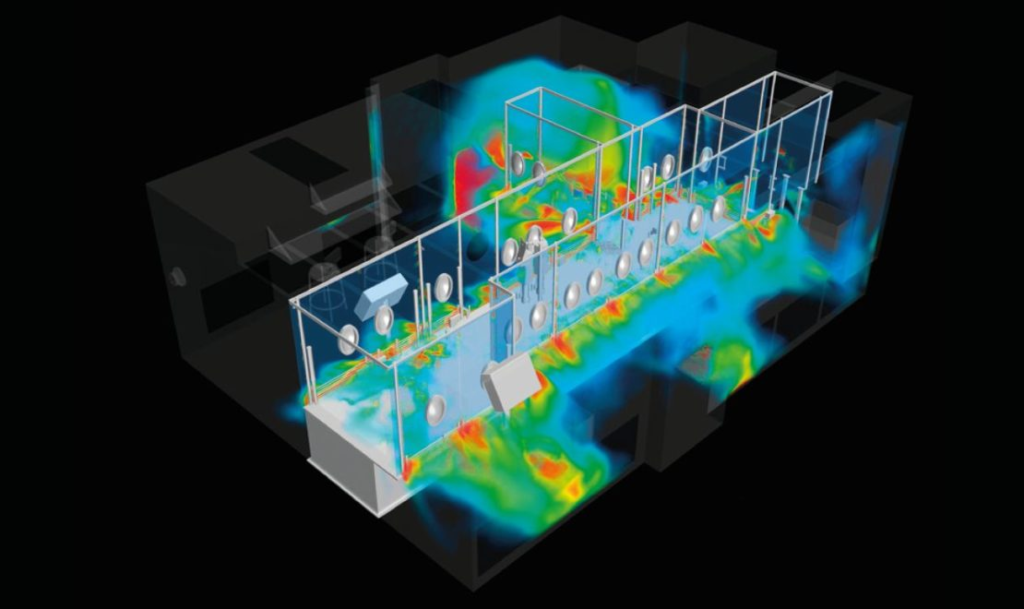
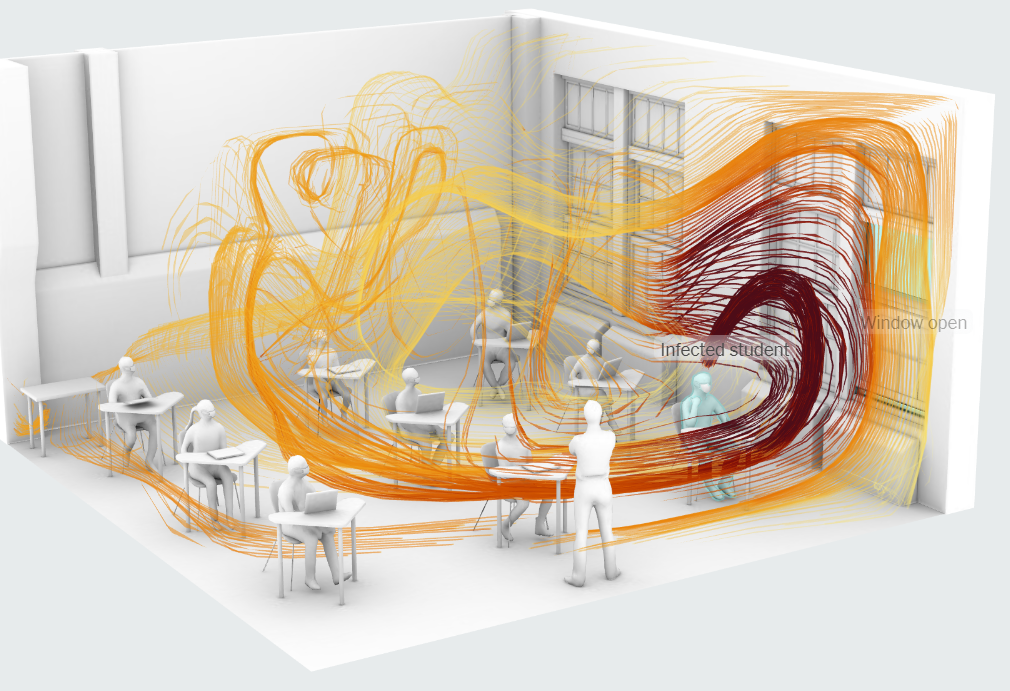
Understanding pollutant transport and mitigation 2. CFD allows modeling the movement of aerosols and particles in space and time. This is especially useful in controlled indoor spaces such as rooms, automobiles, trains, airplanes, clean rooms, and food factories.
Improve and redesign indoor spaces for safety. With CFD, multiple configurations for ventilation systems can be analyzed, ensuring efficient removal of particulate contaminants in indoor spaces. It is also possible to optimize the location of air purifiers and air barriers.
Designing equipment to remove hazardous substances and purify air. CFD enables the design of more efficient air purification devices used in public buildings, transportation and industrial environments.
CFD case studies for clean air
Public transportation
Airbus: Used Simcenter STAR-CCM+ to model the transport of cough particles in aircraft cabins, evaluating the effectiveness of face masks.
Norton Straw:** Analyzed ventilation strategies in trains, such as opening windows or installing plastic barriers, optimizing passenger safety.
Buildings
HOLT Architects:** Redesigned office spaces to reduce airborne virus transmission. Simulations evaluated the effectiveness of HVAC systems, window openings and the use of disinfection devices.
JB&B:** Showed how opening windows in classrooms dilutes contaminants, helping to minimize the risk of contagion in schools.
Industrial production
FS Dynamics:** Developed an advanced methodology to avoid contamination on lithography machines in the semiconductor industry.
Creaform Engineering: Simulated vaccine filling lines in clean rooms, ensuring regulatory compliance and minimizing economic losses.
Beyond Human: Purification in Industrial Processes
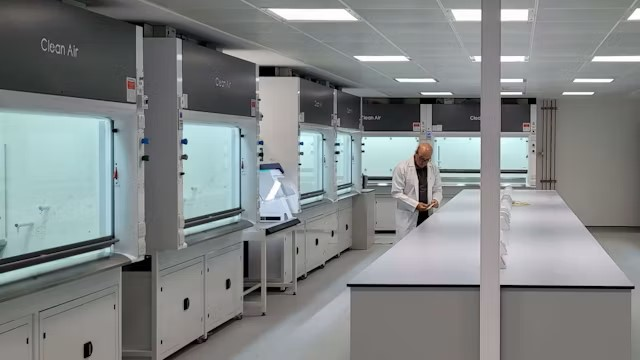
In addition to protecting people, CFD simulation plays a key role in maintaining hygienic standards in the production of food, drugs and other sensitive goods. Companies such as Excelitas Noblelight and Clean Air Limited have used CFD to design innovative devices, from UVC air purifiers to fume hoods, improving both efficiency and sustainability.
In short, Computational Fluid Dynamics not only helps improve the quality of the air we breathe, but also transforms key processes in multiple industries. Ready to explore what CFD can do for you?
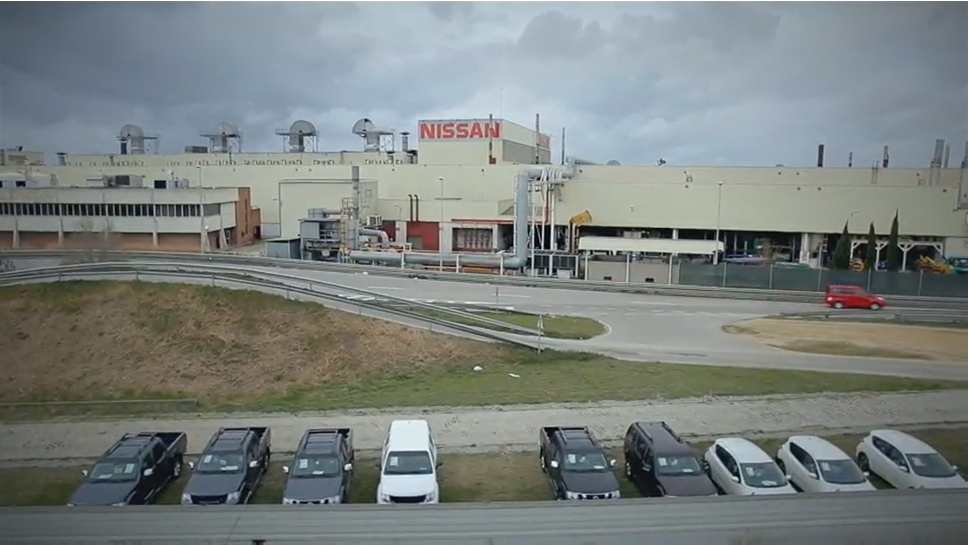
In 2017, Nissan enjoyed a record year with 5,820,000 cars sold globally. That year, Renault-Nissan Alliance became the world’s leading seller of passenger vehicles, surpassing Volkswagen.
Nissan’s brand awareness and recognition is at its zenith. In fact, YouGov BrandIndex, which measures the public perception of thousands of brands in Europe, reports that Nissan is the fifth-ranked automobile supplier (of 38) for United Kingdom (UK) consumers.
To continue increasing brand perception, as well as improving the quality ranking, Nissan sets high standards in regard to engineering quality and reliability, it is essential to understand and address the needs and requirements of its local customers. The role of the Nissan Technical Centre in Europe (NTCE) is to support Nissan’s reputation and ensure that performance attributes of new vehicle designs and concepts meet European consumer expectations. Nissan Technical Centre Spain (NTCE-S) is a center of excellence for the design and development of vehicles manufactured across Nissan’s European production plants, focusing on key activities such as powertrain development, light commercial vehicle engineering and testing.
Nissan is committed to offering its European customers the highest standards of quality and reliability. This is one of the reasons why NTCE-S invested in Simcenter™ software solutions from Siemens Digital Industries Software for test-based durability engineering to bring its engineering capabilities to the next level.
Durability is key
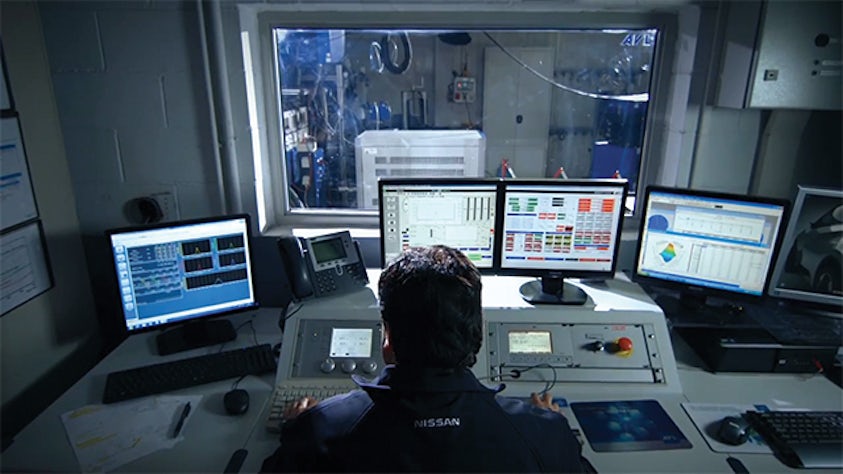
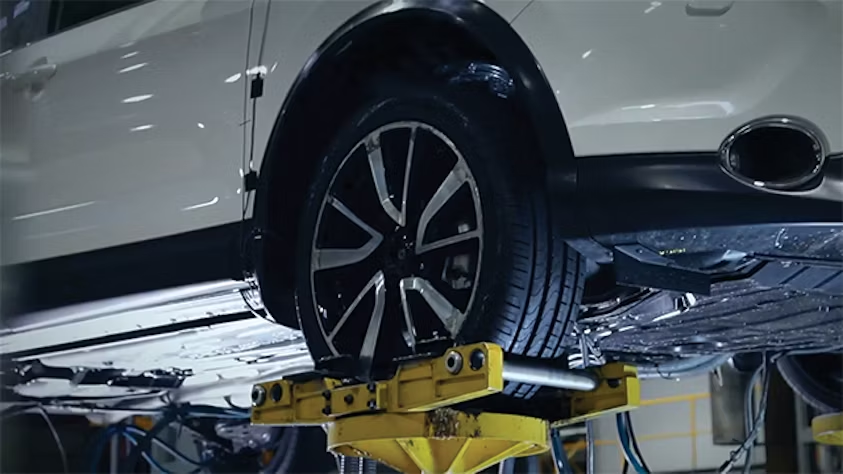
The main role of the function and durability department at NTCE-S is to validate the functional performance of an engine’s components over the vehicle’s lifecycle. To assess performance, the team conducts extensive tests on components fitted on NTCE’s engine dynamometer (dyno). It also evaluates the component’s performance in a full assembly configuration, where the complete vehicle is positioned on the chassis dyno. Finally, the team puts passenger cars and light commercial vehicles (for example, pick-up segment) through fatigue tests, either on the test bench or the test track.
A large number of the tests performed by the function and durability team are durability tests. Durability is an important performance attribute of passenger and light commercial vehicles. In the light commercial vehicles market segment, consumers are inclined to select a brand they trust will support their daily needs.
“Durability is extremely important,” says Arturo Barreu, powertrain durability test engineer, function and durability department, NTCE-S. “In Europe, this attribute is closely associated with the perception of quality. As the demand for quality increases, we need to confirm the durability of our vehicles. Consumers expect vehicles will not break down after only one year, but up to 20 years.”
Other attributes such as ride and in-vehicle comfort, engine power and fuel efficiency are also important in the vehicle’s design. The role of a durability engineer has become more complex as durability engineering teams need to take more parameters into account when conceiving and testing components, subsystems and full systems of next-generation vehicles.
Streamlining processes
One of the steps the team took to improve durability engineering was to invest in solutions from the Simcenter portfolio. With its portfolio, Siemens Digital Industries Software helps streamline the engineering process by offering an end-to-end solution for test-based durability engineering.
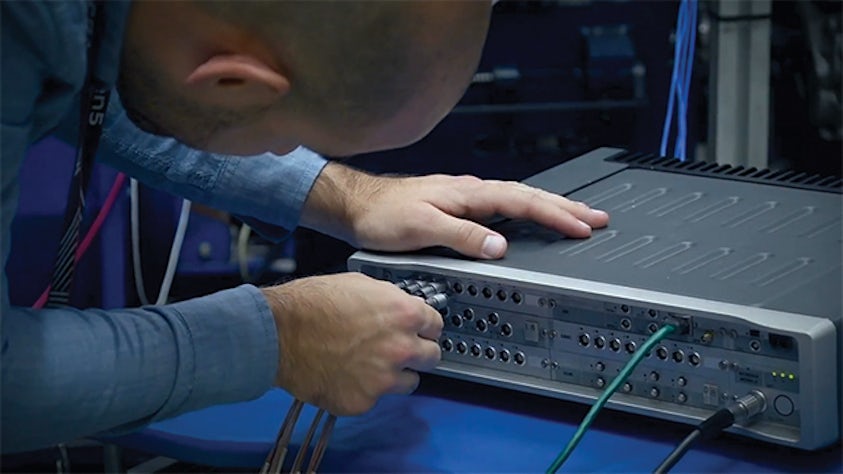
A complete durability test campaign encompasses measurements on the engine dyno, followed by measurements on the chassis dyno, after which the test team moves to the test track. As the engineers are required to move the test equipment from one location to the next and to instrument the test item anew, they appreciate the portability and flexibility of Simcenter™ SCADAS hardware.
“We use Simcenter SCADAS for all our data acquisition tasks,” says Barreu. “It is a portable system which is very compact. It is also versatile, adjusting to our needs. With it, we can acquire different types of data such as acceleration or strain, using the same equipment. Our Simcenter SCADAS data acquisition systems total more than 100 channels, which we can easily transport from the engine dyno to the chassis dyno and to the test track and back.”
Beyond data acquisition, the team streamlined its durability engineering process by relying on Simcenter Testlab™ software for load and fatigue analysis. The software effectively supports every step of a testing campaign, from data acquisition to load classification and fatigue life prediction. Moreover, it forms part of a platform dedicated to multiphysics test-based performance engineering and, as such, better helps balance the contribution of various performance attributes such as acoustic, comfort and durability, combined with low weight and fuel economy, to the overall perceived quality and reliability.
The function and durability department’s main responsibility is to test and validate the functional performance of enginerelated components. The engineers, meanwhile, acquire, analyze and compare test data on a large number of components and engine subsystems. They combine the outcome of durability analyses, such as time at level, rain flow counting, range pair counting, level crossing, and fatigue life prediction, with typical noise, vibration, and harshness (NVH) analysis results, which can include peak hold spectra, order sections, colormaps, and many more. All durability and NVH data are acquired using the same Simcenter SCADAS hardware, and the analysis is performed in a single software environment, making it a very efficient process for the engineering team.
“The key challenge that we are confronted with is the consolidation of our knowledge,” says Barreu. “We have to test more components now than ever before. These components are also of a different nature. We test more and more electronic components and less mechanical parts. The collaboration with Siemens is essential to adapt to these changes and to validate these new components.”
For the validation of the component on the test rig, the team uses Simcenter Testlab to synthesize an equivalent damage profile and to consequently emulate the damaging events encountered during test track measurements on the rig. This highly efficient process significantly accelerates testing by realistically simulating the damage experienced by the component during the operational life of the vehicle.
NTCE engineers have found that Simcenter Testlab offers great stability, independent of channel count, making it easy for them to configure online analyses. The solution also provides fast and error-free data postprocessing thanks to the Process Designer functionality and offers immediate, clear reporting.
“Simcenter Testlab is our preferred tool for durability validation,” says Barreu. “It is easy to configure and allows us to automate processing. It is also a very good software for quick reporting and data sharing with our colleagues.”
The outcome of the tests produce reliable data that can be endlessly manipulated to deliver deep engineering insight into the fatigue behavior of the components. This data supports the definition of further tests or feeds the simulation models with trustworthy validated information.
“Simcenter Testlab offers an integrated end-to-end solution for load data acquisition and processing,” says Guillermo Gonzalez, function and durability senior engineer, NTCE. “The solution accelerates the delivery of critical durability insights when preparing for test rig campaigns or reliable simulations. It is faster, easier to use and robust.”
We test more and more electronic components and less mechanical parts. The collaboration with Siemens is essential to adapt to these changes and to validate these new components.
Arturo Barreu, Powertrain Durability Test Engineer Function and Durability Department, NTCE-S
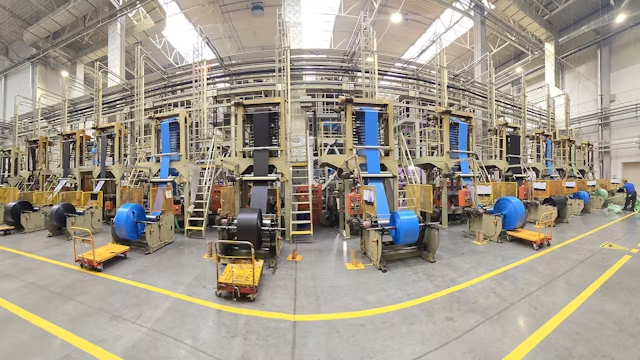
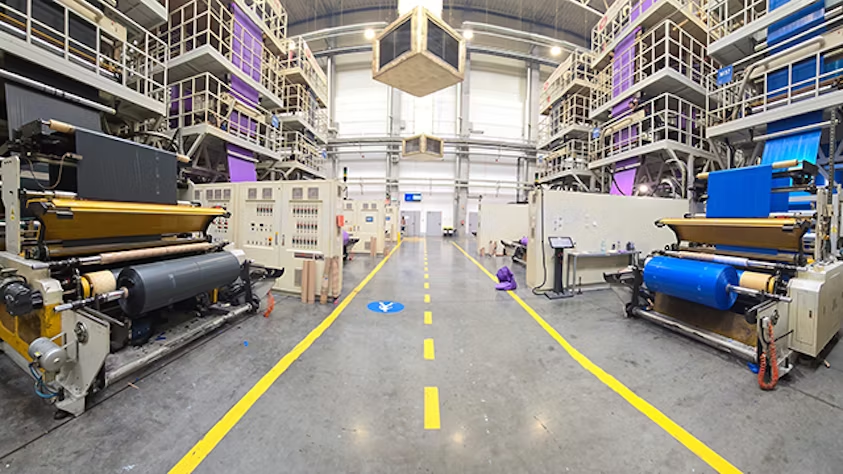
Bags, including garbage bags, plastic films, and tube covers, are essential products in daily life. They are used in most households and many industries, such as food, beverages, retail, and construction. Based in Środa Wielkopolska, Poland, Polipak Sp. z o.o. is a leading manufacturer in Central and Eastern Europe and is part of the Sarantis Group, which has built a reliable and recognized brand trusted by millions of consumers. Known for its wide range of products, including both standard and customized solutions, the company plays a key role in the market, specializing in the production of various plastic film products.
Digitalization for Dynamic Growth
The Sarantis Group places great importance on sustainability as a key element of its business strategy. As a result, Polipak is continuously striving to improve production efficiency, reduce costs, and minimize its environmental impact, all while maintaining the highest quality of its products, which is its main differentiator in the market.
To continue improving its processes and strengthen its position in the market, Polipak needed systems that could comprehensively manage production processes, automate report generation, and optimize resource usage. They also needed to implement and integrate systems to ensure seamless compatibility between existing systems and the divisions of the Sarantis Group, which operates across various regions worldwide.
With the rapid growth in production volume and the increasing number of machines, Polipak had to adopt more advanced planning and management tools. Traditional methods, such as manually completed data sheets, proved inefficient in addressing the challenges of production efficiency and resource optimization.
To achieve this, Polipak partnered with ASKOM, a Siemens Digital Industries Software partner, to implement Opcenter™ for advanced planning and scheduling (APS) and as a manufacturing execution system (MES). Additionally, Opcenter is part of the Siemens Xcelerator platform, which integrates software, hardware, and services.
“We needed a solution that would provide traceability and control at every stage of production,” says Andrzej Migda, IT systems consultant at Polipak. “Our goal was to integrate modern digital solutions to better manage the complex production process across multiple stages. So, we later integrated Siemens APS and MES, which became crucial for the company’s growth.”
Optimizing Processes and Minimizing Waste
The three key areas of the company—Film Department, Roller Department, and Regranulation Department—as well as the central dosing system, are closely interconnected as part of a multi-stage production process. It starts with a fully automated process for preparing batches of raw material mixtures, which include a dozen raw materials, additives, and dyes for each extruder separately, including three-layer machines for each screw in the central dosing system.
Once the raw material feeding process begins, the film is produced on extrusion machines, rolled into rolls, and then transported to the film warehouse. When film is needed to produce bags, it is transported to the Roller Department, where finished products are made. These film and bag production processes generate waste. Although Polipak has significantly reduced waste, at current production levels, they generate around 5,000 metric tons annually. Such a large quantity requires efficient recycling to be reused in the production process.
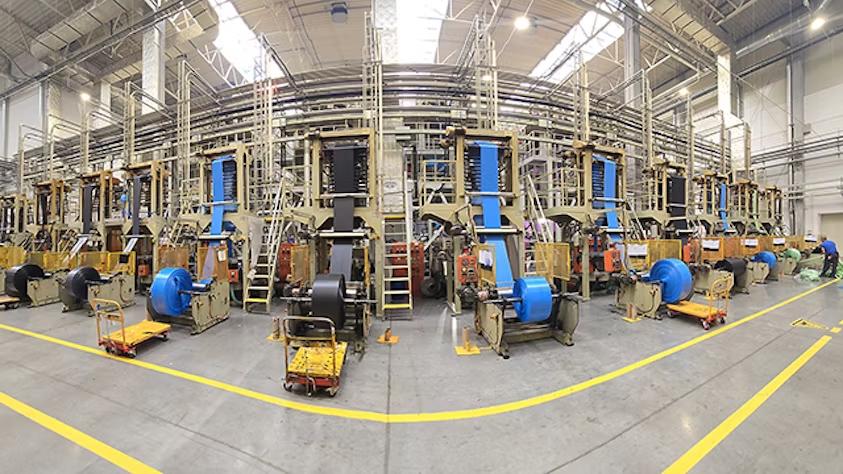
When it began implementing customized digital solutions from Siemens, Polipak was already operating with a production facility equipped, among other things, with 67 extruders (including three and two-layer extruders, totaling 95 screws) in the Film Department, 32 machines in the Roller Department, automated packaging lines, machines to produce regranulate (a type of plastic made from recycled materials) from waste, and a central automated dosing system to supply raw materials to the extruders.
Advanced production planning and management tools, suitable for their large and growing scale of operations, were essential to ensure the smooth running of the system. With Siemens solutions, Polipak can effectively manage its complex infrastructure and optimize production processes, purchasing, and sales, as well as minimize raw material waste.
Supporting Strategic Decision-Making
With Opcenter APS, Polipak automated production scheduling, optimizing resource usage and accelerating order fulfillment. The company replaced its previous production planning process, which was slow and error-prone, with a flexible scheduling process. This process takes into account the multi-stage nature of production, production constraints, and the availability of resources and materials, considering the lead time for raw material deliveries.
By leveraging this APS system, Polipak also accelerated the planning process and improved capacity utilization. As a result, the company is able to fulfill orders more quickly and efficiently. At the same time, the system implemented allows for flexible adjustments to changes in production, including a rapid response to machine failures or potential raw material shortages. Integration with other systems, such as ERP, MES, or the central dosing system, enables a seamless flow of information, improving planning accuracy and creating realistic production scenarios.
“Using Opcenter supports strategic decision-making, allowing us to quickly respond to changing customer needs or circumstances,” says Migda. “By monitoring production in real time, we can evaluate the progress of the plan, which is key to maintaining high productivity and minimizing downtime.”
Using Opcenter for Production Quality Management
The implementation of Opcenter Execution Process, a MES solution from Siemens, was a key step in utilizing computer systems for managing the production process. Opcenter Execution Process serves as the main system for managing production, along with other systems such as APS, ERP, the warehouse management system (WMS), the central dosing system, and a computerized maintenance management system (CMMS). By maintaining interfaces, sharing data, and conducting bidirectional real-time communications, it creates an integrated production management environment.
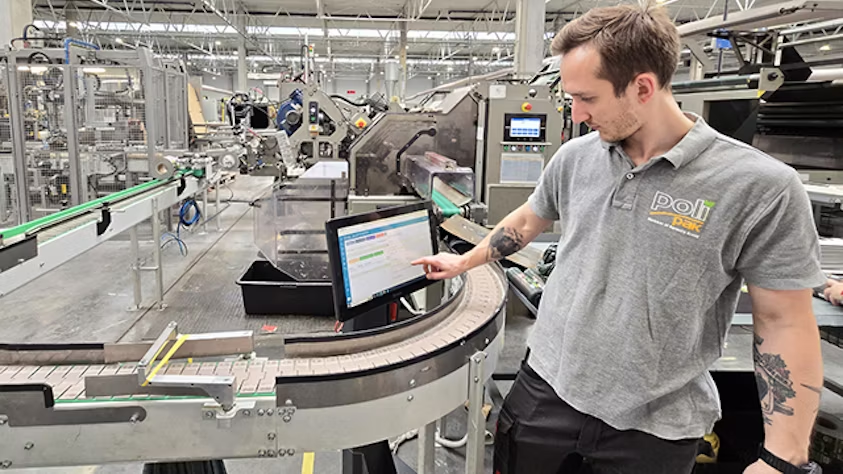
Before implementing the MES, production monitoring and data management were fragmented and required a lot of manual work. With the system, Polipak can accurately track the production process in real time, significantly improving transparency and control over plant operations. The system collects and analyzes machine data, allowing the company to identify potential issues before they affect production efficiency.
The use of Opcenter also enables better synchronization of operational activities, from raw material receipt to production, final packaging, and product distribution. Integrating production data with the MES system provides full visibility across the production chain, resulting in higher product quality and minimal waste. At the same time, seamless procedures for receiving products, semi-finished products, and waste into the MES system allow Polipak to track performance and quality parameters in real time and respond to issues as they arise, affecting observed performance indicators.
Additionally, the use of Opcenter Execution Process plays a key role in quality management by allowing for the monitoring of production parameters and early detection of deviations from quality standards. This reduces waste and complaints and supports continuous improvement of production processes.
Driving Corporate Sustainability
The implementation of Siemens solutions at Polipak has had a positive impact on the company’s operations, efficiency, and sustainable growth. “Thanks to Siemens’ advanced APS and MES systems, we can accurately manage our resources and production processes, which strengthens our competitiveness,” says Migda.
By continually improving resource management, Polipak increased the proportion of regranulate in production from 30% to 90% over the past few years. This increase is the result of a strategic approach to raw materials, which includes not only purchasing regranulate and processing their own production waste but also buying clean post-production waste from the market. Thus, waste that was once sent to landfills is now used as a valuable raw material, supporting the company’s environmental performance.
The strategy to increase the proportion of regranulates in production requires ensuring the appropriate quality of raw materials. In response, Polipak plans to implement an automated waste washing plant by the end of this year, which will enable the company to produce regranulate even from lower-quality waste. Furthermore, by using Opcenter, Polipak has better traceability to ensure that all recycled waste and materials are properly assessed and used in production.