
How 3D Scanning with Creaform Enabled Digitalization of Legacy Molds and Process Optimization in Saint-Gobain PAM Canalisation

Product: HandySCAN 3D|BLACK
Industry:
Manufacturers of water conveyance systems
In the infrastructure sector, where full asset replacement is often impractical, technology becomes a key ally to extend the lifespan of legacy tools. This is the case for Saint-Gobain PAM Canalisation, a company with over 160 years of history, which found in 3D scanning an effective solution to preserve its industrial legacy and move confidently into the future.

An Industrial Legacy Facing New Challenges

Saint-Gobain PAM Canalisation, part of the Saint-Gobain Group, is a global leader in manufacturing ductile iron pipes for water transportation, sanitation, and industrial applications. Founded in 1856, it has continuously evolved to meet market demands, remaining at the forefront of innovation.

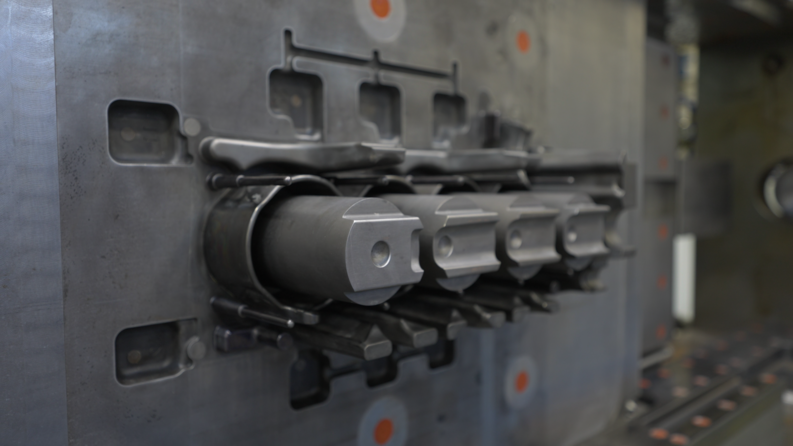
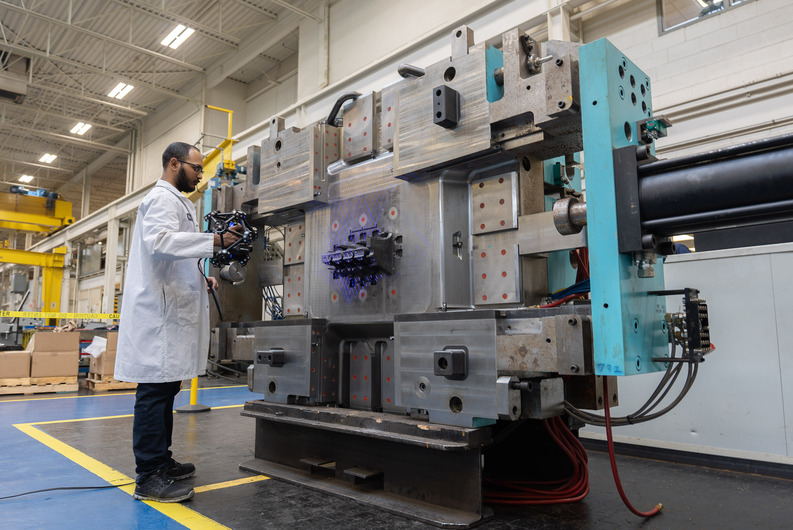
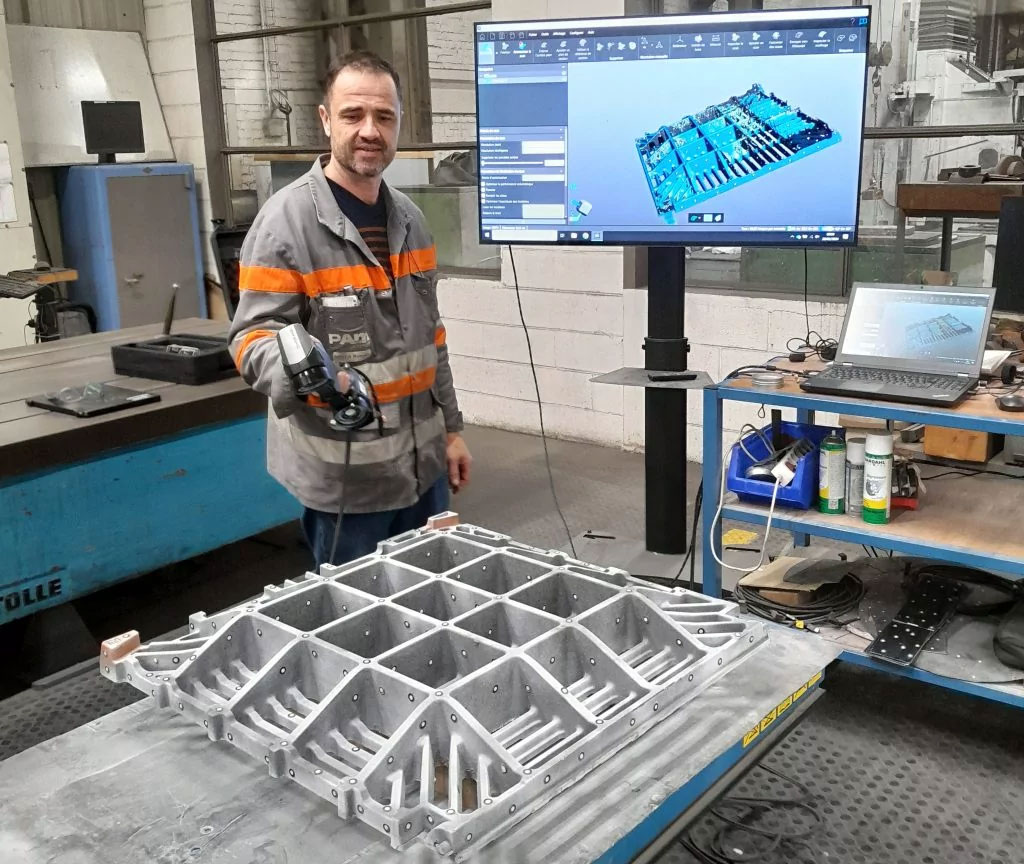
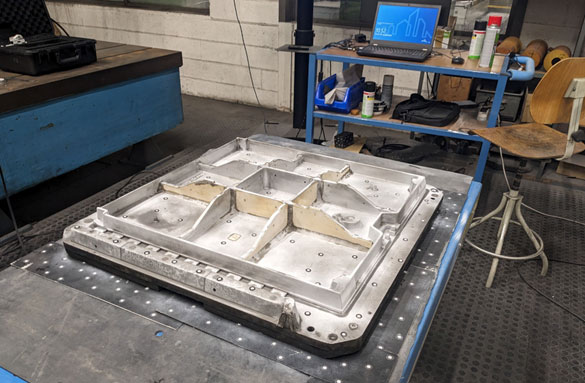
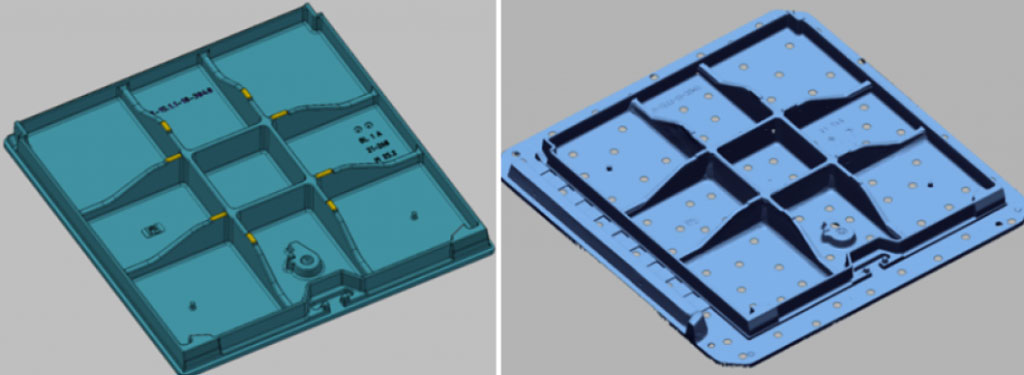
One of its current key challenges is digitizing old mold tools, essential for manufacturing plates used in road systems. These tools often lack CAD design files or modern technical documentation. However, a full replacement would involve high costs and operational complexity. The solution: accurately capture their geometry and generate reliable 3D models for reuse.

Creaform Technology: Precise, Fast, and Reliable

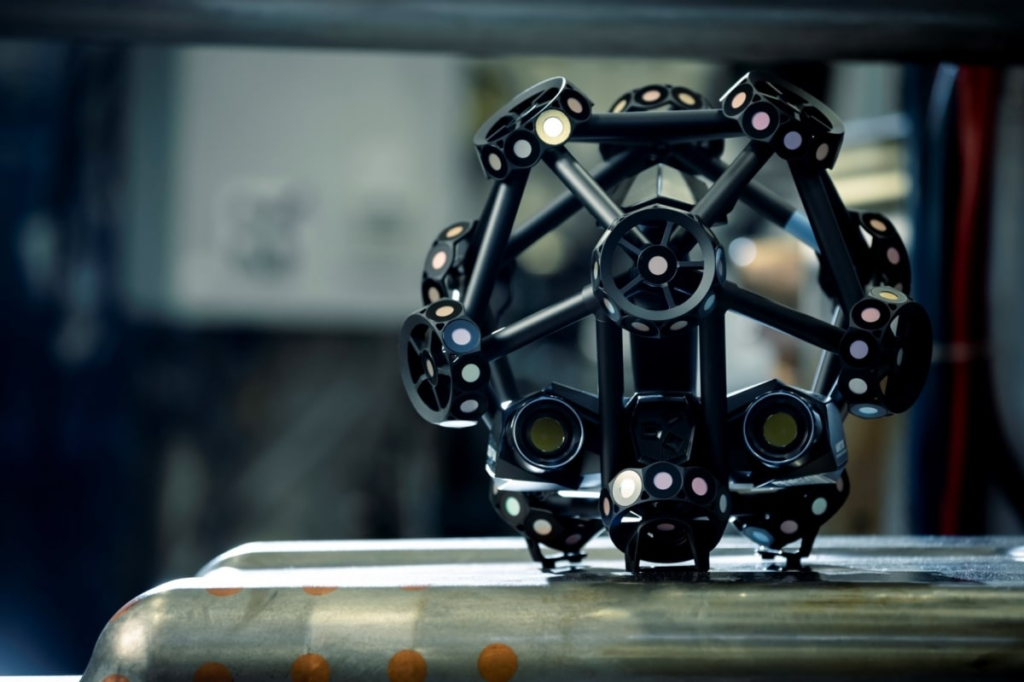
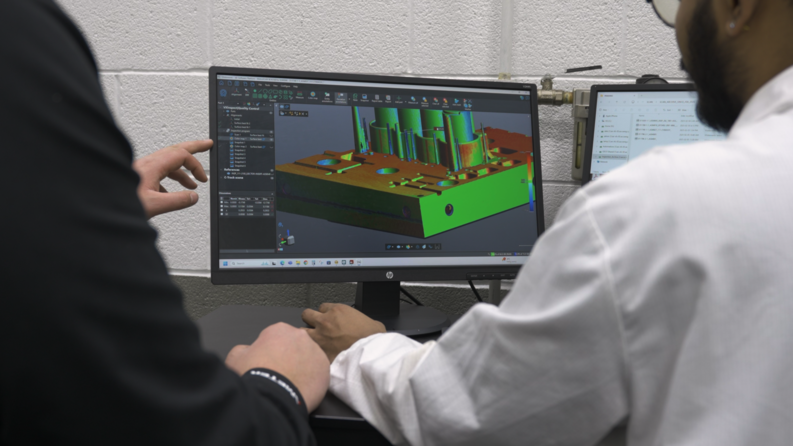
To address this challenge, PAM turned to Creaform solutions, specifically the HandySCAN 3D|BLACK scanner, known for its metrological accuracy, portability, and ease of use. This technology allowed them to capture every detail of the legacy tools and convert them into digital models with complete fidelity to the original design.

Before implementing this solution, PAM relied on traditional measurement methods, including coordinate measuring machines (CMM). However, the process was slow, error-prone, and inadequate for efficiently capturing complex geometries.

With the new system, they implemented a complete scanning ecosystem, including:

  • A dedicated room equipped with a rotary table and a 75-inch monitor.
  • A portable PC for flexible scanner use across production, quality control, and maintenance.
  • Integration of the scanner with Geomagic Design X and Control X software for reverse engineering and quality control.
Transformative Results

The implementation of 3D scanning had an immediate impact on PAM’s processes:

Significant Time Reduction

A project that previously required 2 to 3 months with manual methods can now be completed in just 2 weeks. Thanks to the HandySCAN 3D|BLACK’s 11 crossed lasers, data acquisition is rapid, even on shiny or reflective surfaces, without needing matte sprays.

Higher Precision and Access to Complex Areas

The scanner captures precise data in hard-to-reach areas such as deep cavities, which was not possible with previous technologies. This enables much more accurate and reliable modeling.
Portability and Ease of Use

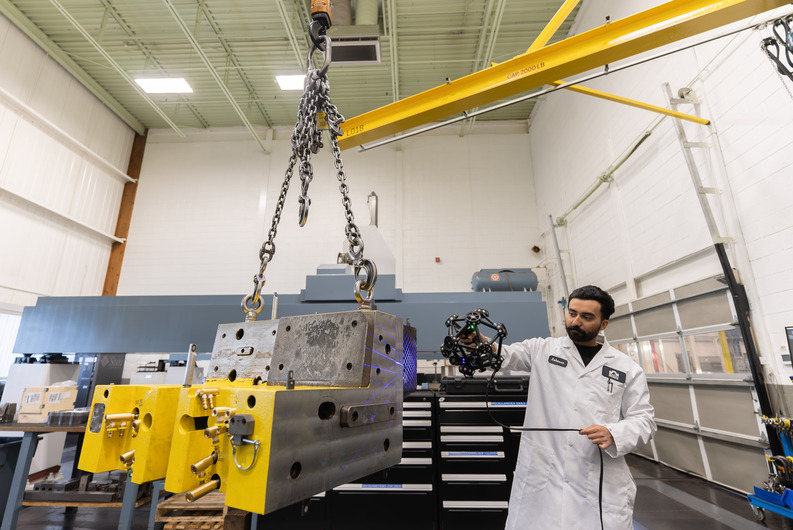
The system is used by various departments, whether in the scanning room, workshop, or on-site, expanding its applications and improving team collaboration.

Operational Savings and Mold Reuse

Beyond saving time and reducing errors, digitization allows for reusing existing tools, representing significant savings in manufacturing and maintenance.

Conclusion: Moving Forward Without Leaving What Works Behind

The Saint-Gobain PAM Canalisation case shows that it is possible to advance digitalization without losing the value of accumulated experience. Thanks to Creaform’s 3D scanning technology and integration with advanced software tools, the company has successfully preserved its industrial heritage and enhanced it with efficiency, precision, and a forward-looking vision.
Wirebot by Polygon Technologies Revolutionizes Wiring Assembly with Siemens Process Simulate

Product: Tecnomatix
Industry:
Robotic

Tackling the challenges of complex automation in wiring

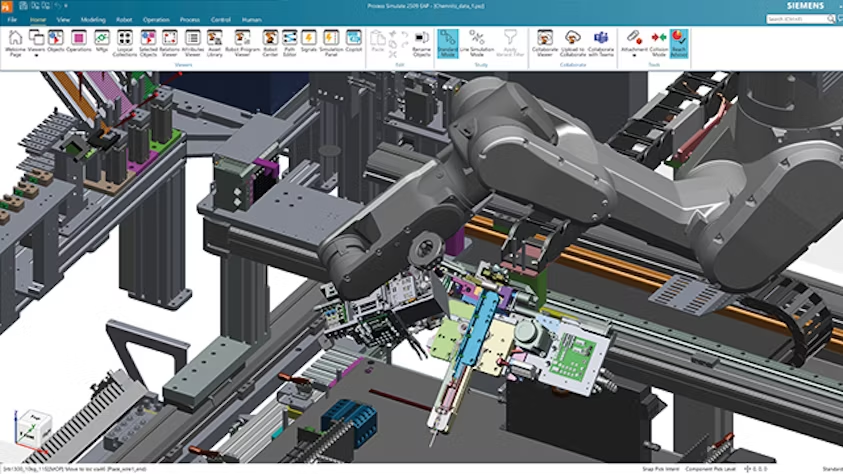
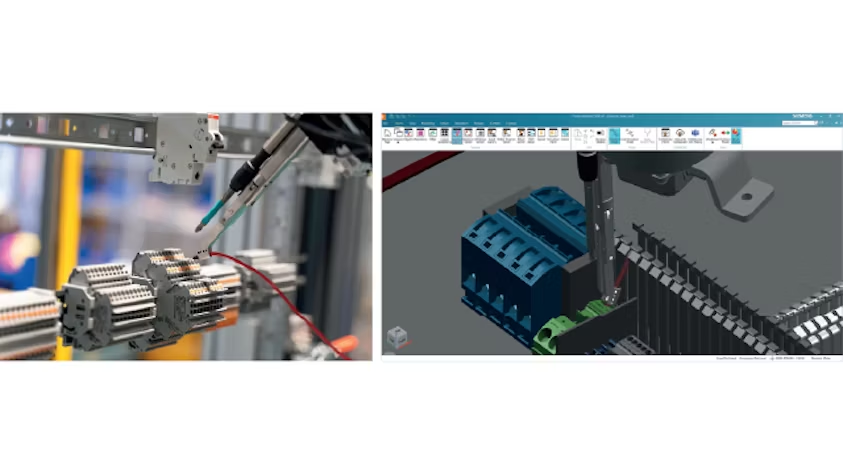
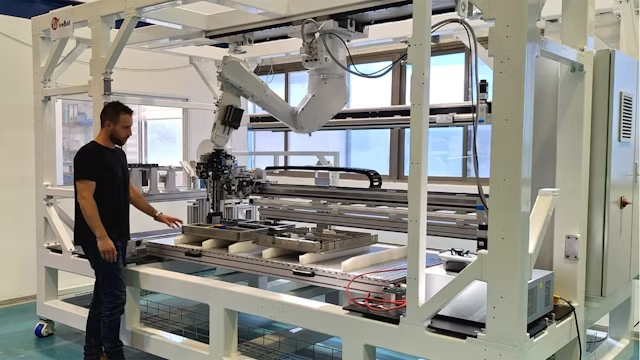
Founded in 1999 and headquartered in Zur Yigal, Israel, Polygon Technologies has become a leading name in robotic engineering, specializing in advanced automation solutions for industries such as automotive, aerospace, electronics, and industrial manufacturing. Their latest innovation, Wirebot, is transforming the way wire harnesses are assembled in control cabinets — and it’s all made possible with Process Simulate from Siemens’ Tecnomatix® portfolio.

As Omer Einav, CEO of Polygon Technologies, explains:

“Using Process Simulate enables WireBot to predict potential issues in the design phase, reducing the risk of delays and improving the quality of the final product.”

A new approach to an old challenge: complex wiring automation

Handling flexible components like wires and fibers has long posed a challenge for traditional robotics. Electrical panel wiring, in particular, has typically been a manual, error-prone, and time-consuming process. Polygon set out to change that with Wirebot, a robotic system designed to outperform human precision in wiring tasks.

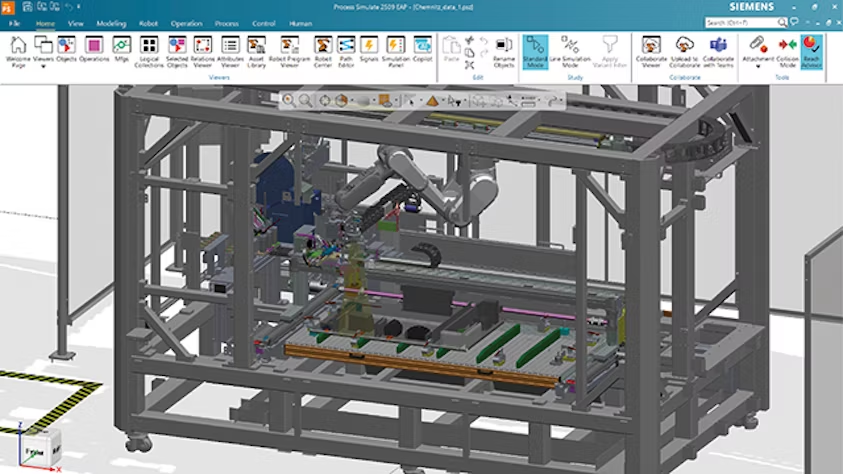
Thanks to Process Simulate, Polygon was able to virtually test and validate complex wiring scenarios before production, optimizing cable routes, avoiding collisions, and streamlining workflows. The result: faster production cycles, fewer errors, and up to 10% savings in copper material, significantly cutting costs and waste.

The key: digital twin, AI, and advanced simulation

Developing Wirebot required recreating human dexterity through cutting-edge technologies like haptic feedback, machine vision, dual-arm coordination, and advanced data processing. The resulting system merges robotics, artificial intelligence, and digital twin technology — made possible through Siemens’ Process Simulate.

“By integrating Process Simulate with WireBot, we provide customers with cost-effective component layouts in the design phase, enhancing wiring efficiency, saving time, and boosting productivity,” Einav says.

Results: precision, efficiency, and scalability

By simulating the process beforehand, Polygon reduced production cycle time by 30%, improved wire positioning accuracy, and minimized rework. Wirebot was also seamlessly integrated into existing manufacturing workflows, increasing overall operational efficiency.

The success of Wirebot has led Polygon to continue exploring new applications for Process Simulate, believing that virtual commissioning and digital twin technology are shaping the future of robotic automation.

Conclusion

The Wirebot success story is a testament to how advanced robotics and Siemens simulation technologies can solve complex challenges, drive productivity, and optimize resource usage. With Process Simulate, Polygon has entered a new era of automated wire harness assembly — and solidified its role as an innovation leader in smart manufacturing.

The impact of 3D scanning on NASCAR stock car racing

Producto: MetraSCAN
Industria:
Automovilismo

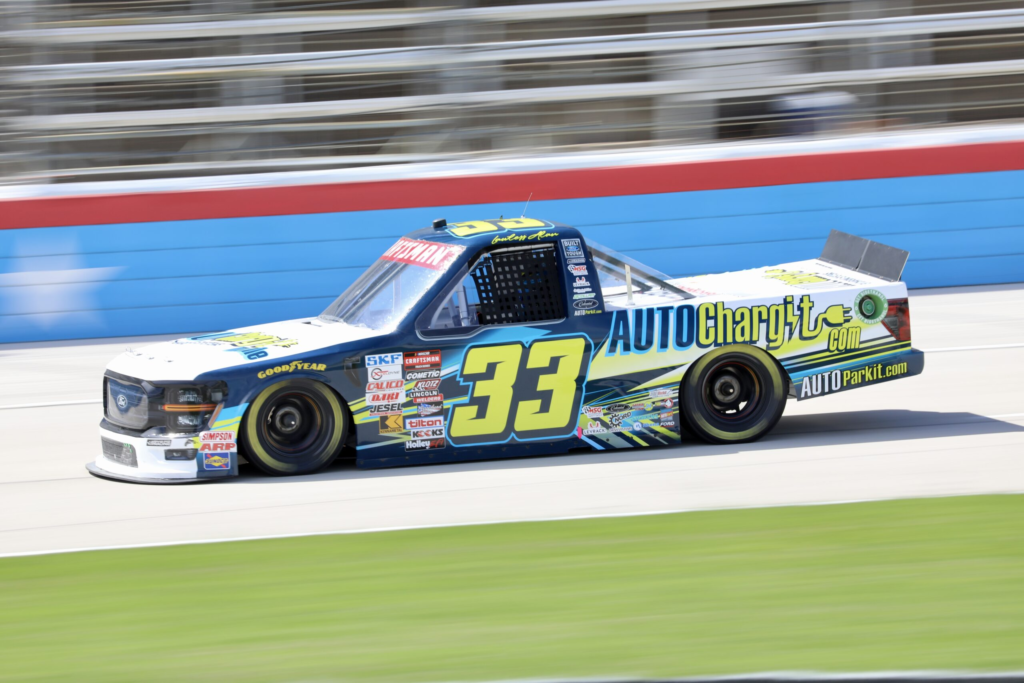
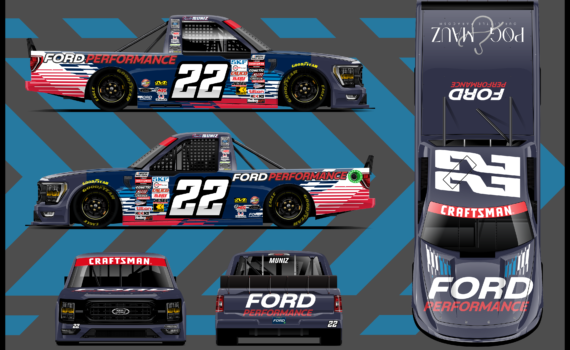
Reaume Brothers Racing is a professional American stock car racing team competing full-time in the NASCAR Craftsman Truck Series. Led by Josh Reaume, the team fields the No. 22 Ford F-150 with various drivers, the No. 27 part-time for Keith McGee, and the No. 33 full-time for Lawless Alan.

As an engineering-driven team, Reaume Brothers Racing is constantly exploring innovative solutions to stay competitive in a sport where strict regulations and limited testing opportunities are the norm. On top of that, they must ensure their constantly modified vehicles remain compliant with NASCAR rules at every race.

The Challenge: Traditional 3D Measurements Hindered Innovation

One of the team’s biggest challenges was acquiring accurate 3D measurements of their truck bodies. Initially, they relied on low-precision methods such as tape measures—leading to errors and inconsistencies that jeopardized compliance with NASCAR standards.

This lack of precision not only introduced a high risk of human error but also restricted engineers’ ability to confidently evaluate the condition of the vehicles both before and after races. At one point, they even outsourced their 3D measurement needs to a competitor—far from ideal in such a high-stakes environment.

The need to take control of this process in-house—ensuring accuracy, reliability, and confidentiality—was the turning point that led the team to seek a better solution.

The Solution: Creaform’s MetraSCAN 3D Solves the Accuracy Problem

Reaume Brothers Racing turned to Creaform’s MetraSCAN 3D for its speed, precision, user-friendliness, and repeatability. Paired with VXinspect for dimensional inspection, the system quickly became a key tool in their quality control process.

The implementation was fast and efficient. After just a few days of training, team members were scanning confidently. They initially used MetraSCAN 3D to establish setup protocols, enabling them to generate accurate 3D measurements and deliver detailed printouts to crew chiefs. This dramatically sped up vehicle setup times between races.

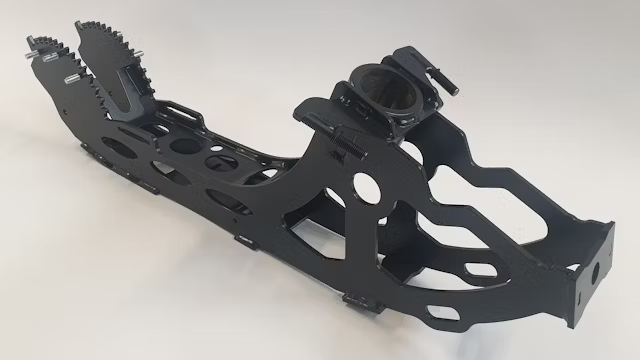
One of the team’s most impactful projects was replicating headrest mounts for their carbon fiber racing seats. Each mount was scanned twice, the scans were merged to fill in gaps, and precise part drawings were generated. This allowed for the seamless production of additional mounts, ensuring their seats were always race-ready.

The Results: Improved Quality Control and Performance

Creaform’s technology has completely transformed Reaume Brothers Racing’s quality control approach. The ultra-precise, high-resolution scans from MetraSCAN 3D allow the team to monitor and maintain their steel-fabricated truck bodies within NASCAR’s strictest tolerances.

Amir Alexander, Team Manager at Reaume Brothers Racing, shared:

“MetraSCAN 3D has significantly improved our ability to maintain and optimize our race vehicles. The precision and ease of use have been game-changers for us.”

He also highlighted the cost and time savings:

“Before we had our Creaform scanner, we had to transport the vehicle to a third-party provider, costing us around $2,000 and a full day—including prep and unloading. Plus, it exposed sensitive data about our trucks to competitors. Now, one employee can complete a scan in the same amount of time it used to take just to load the truck.”

Since implementing the scanner, the team has completed 17 truck scans and 8 part scans—each one delivering critical insights that give them an edge over their rivals.

Conclusion: Gaining a Competitive Edge with 3D Metrology

Creaform’s MetraSCAN 3D has become an essential asset for Reaume Brothers Racing. With its accurate, repeatable measurements, the team has reduced reliance on imprecise tools and human guesswork—ensuring their trucks stay compliant and perform at peak levels.

The success of projects like the headrest mount replication clearly shows how fast, reliable 3D scanning supports high-performance engineering.

As Amir summed it up:

“Implementing Creaform’s technology has given us the confidence to push our engineering further and maintain our edge in this highly competitive sport.”

How EXCO Engineering Elevates Die Casting Quality with Creaform’s 3D Scanners and Software

Product: MetraSCAN
Industry:
Casting

In the large-scale die casting industry, where every detail matters and errors can lead to costly delays, EXCO Engineering has taken a decisive step to ensure unparalleled quality: adopting Creaform’s 3D scanners and software as a central part of their inspection processes.

A Legacy of Innovation and Precision

Located just 30 minutes from Toronto, EXCO Engineering is a global leader in die casting solutions for powertrain, body, and structural components. Operating from a 130,000-square-foot facility equipped with state-of-the-art machinery, in-house casting capabilities, and a 4,000-ton die casting machine, the company has supplied tooling for major automotive programs, from engine blocks to body panels.

With decades of experience, EXCO has consistently aimed to exceed customer expectations through high-precision engineering solutions.

The Challenge of Inspecting Increasingly Complex Molds

As die-cast parts grew in size and complexity, traditional inspection methods—like coordinate measuring machines (CMMs)—began to show their limitations. The quality team faced difficulties inspecting deep cavities, areas near pins, and internal ribs, even with one of North America’s largest CMMs.

This posed a significant risk: overlooking machining errors or missing engineering changes could lead to mold failures and halt customer production.

Transitioning to 3D Scanning

Recognizing these challenges, EXCO Engineering integrated 3D scanning into their operations, choosing Creaform’s technology. While the transition initially met some resistance, the accuracy, portability, and versatility of the MetraSCAN 3D scanner quickly won over the team.

“With the CMM, it felt like we were viewing the molding area on an old black-and-white TV. Now, with Creaform’s scanning software and the MetraSCAN 3D in our daily activities, it’s like seeing the results in 4K—we can clearly see what’s happening,” said Jonathan Koot, Quality Systems Manager at EXCO Engineering.

Immediate Improvements in Quality and Efficiency

Implementing the MetraSCAN 3D allowed for direct scanning on the production floor, even inside CNC machines or on suspended parts. By capturing complete surface profiles, the generated color maps provide detailed analysis, facilitating error detection and swift decision-making.

Additionally, Creaform’s intuitive inspection software enables the generation of comprehensive visual reports in minutes, streamlining workflows and reducing inspection times by half for certain parts.

A Key Partner in Continuous Improvement

Beyond the technology, EXCO highlights Creaform’s customer support as a critical factor in their success. From immediate assistance to personalized on-site training, the user experience has been outstanding.

“They set the support standard so high that I forget what normal support is like,” Koot remarked.

Ensuring Quality from the Workshop

Through this collaboration, EXCO Engineering has eliminated critical errors before they reach the customer, ensuring parts meet the highest standards of quality and performance. Today, 3D scanning is not just an inspection tool but a cornerstone of their continuous improvement strategy.

Siemens Process Preparation takes SPEA test scheduling to the next level

Product: Valor
Industry:
Manufacturing

The SPEA Leonardo programming software is highly capable, but when scaling from a single board to multiple boards, there’s always room for improvement. That’s where Siemens Process Preparation comes in—designed to optimize test programming efficiency and streamline the entire workflow.

Engent Inc.: Excellence in Microelectronics

Located in Norcross, Georgia, Engent Inc. is a contract manufacturer founded in 2003, recognized for being at the forefront of microelectronics assembly. With deep expertise in advanced surface mount technology (SMTA), they excel in low- to medium-volume, high-mix turnkey production.

Their engineering capabilities support every stage of the product lifecycle—from product and process development, proof of concept, and new technology introduction (NTI), to design for manufacturing (DFM), new product introduction (NPI), and volume production. As an ITAR-registered company with AS9100:2016 certification, Engent is committed to delivering exceptional quality and reliability.

A Key Upgrade: Efficient Programming for SPEA Machines

When evaluating the capabilities of Process Preparation for their SPEA flying probe machine, Engent identified a significant opportunity: extending assembly support and refining programming workflows to substantially improve overall efficiency.

Solving the Gerber File Challenge

One of the main challenges was that SPEA Leonardo does not support Gerber files as a basis for test program creation. Since some of Engent’s customers provided only these files, a robust solution was essential.

With Process Preparation, not only is intelligent CAD data supported—raw Gerber files (274X or 274D) can also be transformed into a digital product model. This enables the extraction of critical information such as pin connectivity, netlists, and component intelligence, bringing the starting point much closer to intelligent CAD formats like ODB++.

Key Ways Process Preparation Enhances SPEA Test Programming

When integrated with SPEA Leonardo, Process Preparation dramatically speeds up test programming through:

  • Seamless CAD Import – Ensures no loss of critical design data, including solder mask information. Missing solder mask layers? No worries—Gerber files can be used to reconstruct accurate board details.
  • Effortless BOM Integration – Rapidly and accurately links the Bill of Materials to the test program, ensuring the right components are identified and tested.
  • Intelligent Component Recognition – Automatically detects resistors, capacitors, diodes, and other components, even when CAD files lack clear designations.
  • Accurate Package Outlines – Essential for flying probe testing, as precise dimensions determine optimal probe placement. Process Preparation taps into the Valor Parts Library, with access to over 35 billion part numbers for detailed package data.
  • Automated Probe Placement – Using a complete digital twin of the PCB, Process Preparation calculates the best probe locations, reducing errors and debug time.

Less Downtime, More Productivity

Once the optimized test program is ready, Process Preparation sends all data to SPEA Leonardo in a single consolidated file, eliminating inefficiencies caused by rushed programming or manual adjustments.

Skipping steps may seem like a shortcut, but it often leads to costly delays during machine debugging. The goal is clear: minimize downtime. When the flying probe machine is running tests, it’s generating revenue. When it’s idle, it’s costing money.

By leveraging Line Designer, battery manufacturers achieve over 40% efficiency gains

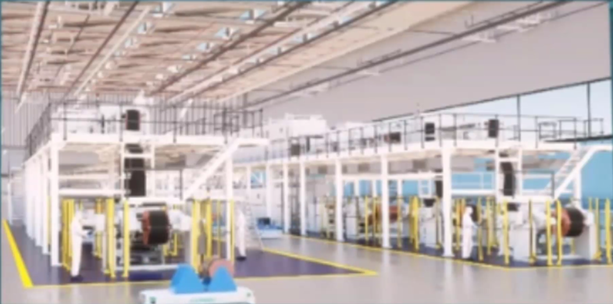
The rapid development of the new energy sector presents battery manufacturers with dual challenges: expanding production capacity while adapting to fast-evolving technology. Traditional 2D factory planning models no longer align with smart manufacturing requirements. However, Siemens Industrial Software’s innovative Line Designer solution is breaking new ground by leveraging 3D digital technology, redefining efficiency and accuracy in battery plant construction.

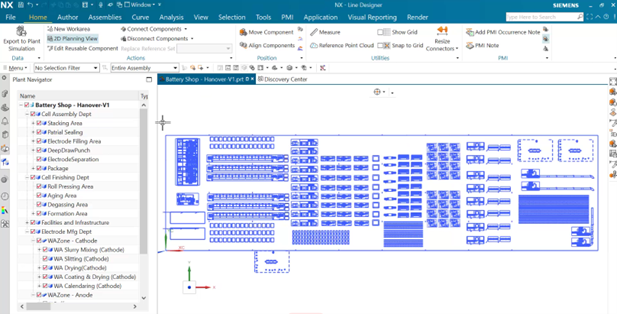
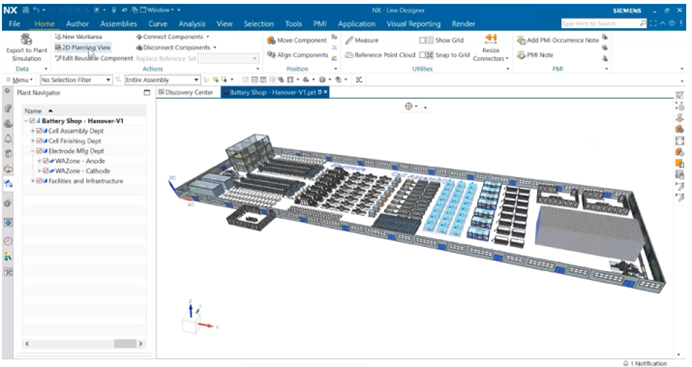
Line Designer 3D Super Battery Plant.png
Line Designer 3D Super Battery Plant

3D digital factory planning: A game-changer

At the core of 3D digital factory planning is its full-process visualization and dynamic optimization capabilities. Siemens’ Line Designer utilizes parametric modeling technology, allowing engineers to seamlessly complete equipment layout, logistics path planning, data analysis, and report generation—all within a virtual environment. This advanced approach improves efficiency by over 40% compared to conventional 2D methods.

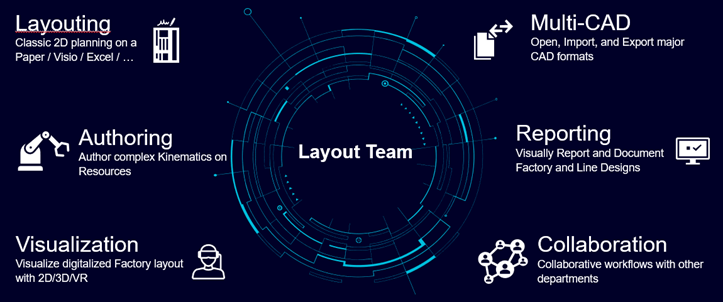
Line Designer core function

The system’s extensive intelligent library contains thousands of 3D models covering industrial equipment, building structures, and other key assets. It also supports multi-format data imports, including CAD and point clouds, making it ideal for complex renovation projects where flexibility and precision are critical.

Real-world impact: A 6GW super battery plant

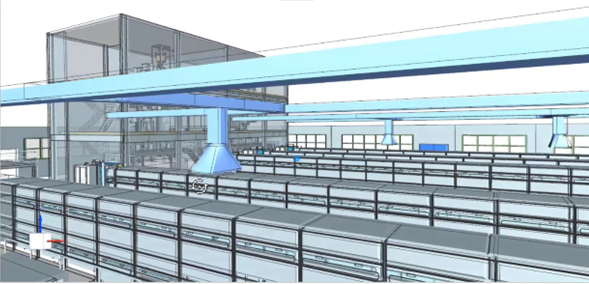
In a landmark 6GW battery manufacturing facility project, Siemens’ technical team harnessed Line Designer to achieve rapid, one-click conversion from 2D floor plans to 3D digital models. The software’s dynamic interference checking feature played a pivotal role in identifying and resolving spatial conflicts between production equipment and utility pipelines early in the design phase. This proactive approach significantly reduced potential rework costs, streamlining the overall construction process.

Collision checks of 3D environment in Line Designer

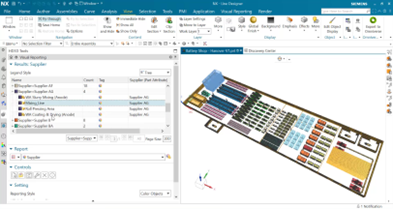
Moreover, Line Designer’s intelligent visualization system generates automated data dashboards that categorize information by supplier performance, equipment status, and other critical metrics. These insights empower procurement and engineering teams to make informed decisions, enhancing operational efficiency.

Report and collaboration in Line Designer

Streamlining Collaboration and Design Integrity

Engineers can rapidly complete 3D factory layouts by simply dragging pre-engineered models from the library onto 2D floor plans,” explained a project engineer using Line Designer. “The software also ensures seamless conversion of 3D models back into 2D blueprints through reference set switching, preserving full design integrity with a single click.”

A representative from Siemens Industrial Software further emphasized the transformative potential of this approach:

Our goal is to make factory planning as simple and efficient as building blocks. By integrating immersive interactive environments and kinematic simulation capabilities, customers can not only validate design plans intuitively but also pre-rehearse production processes in a virtual space, proactively mitigating potential risks.”

The future of smart manufacturing

As the new energy industry shifts toward intelligence and sustainability, 3D digital factory planning is emerging as an industry standard. Siemens Industrial Software remains at the forefront of this evolution, driving digital transformation in manufacturing through its deep expertise in industrial software solutions.

One click converting from 3D models back to 2D blueprints

With cutting-edge tools like Line Designer, Siemens continues to enable manufacturers to optimize efficiency, reduce costs, and build smarter, future-ready factories. The 6GW super battery plant is just the beginning—ushering in a new era of intelligent industrial design and execution.

6GW Super Battery Plant
6GW super battery plant in NX Line Designer

Benefits of Using Siemens NX Line Designer for Battery Plant Planning

Siemens NX Line Designer provides a transformative approach to battery plant planning through advanced 3D digital modeling. One of its key benefits is efficiency—engineers can achieve over 40% faster design completion compared to traditional 2D methods. The software’s parametric modeling capabilities enable seamless equipment layout, logistics path planning, and real-time data analysis within a virtual environment.

The tool’s intelligent library, containing thousands of pre-engineered 3D models, allows for accurate and rapid assembly of factory layouts. This feature supports multi-format data imports, including CAD and point clouds, making it particularly valuable for complex renovation projects. Additionally, the dynamic interference checking function proactively identifies and resolves spatial conflicts between equipment and infrastructure, significantly reducing costly rework during construction.

Another major advantage is enhanced collaboration. Engineers can convert 2D floor plans into fully functional 3D environments with a single click, facilitating seamless integration between different teams. The system also generates automated data dashboards, offering real-time insights into supplier performance and equipment status.

By integrating kinematic simulations and immersive virtual environments, Line Designer allows manufacturers to pre-rehearse pro

Innovation in coffee roasting with clean technology and Simcenter

Product: Simcenter
Industry:
Consumer products
Walk the Talk Ray & Jules cares about the coffee farmers. From Brilliant Ben to Spicy Sara, every bag tells a story about the region, workers and people behind the coffee beans. Ray & Jules is in direct contact with the local farmers and co-operatives and sources beans directly, whenever possible.

The Challenge: A More Sustainable Coffee
The coffee industry faces a significant challenge regarding sustainability. Traditional coffee roasting methods consume large amounts of energy, leaving a high carbon footprint. Ray & Jules, a Belgian company focused on clean energy solutions, and CEE set out to create a more efficient, sustainable roasting system using solar energy.

Their goal was clear: design a roaster that reduced energy consumption by up to three times compared to conventional methods. However, achieving this required overcoming design challenges, including thermal efficiency and precise control of the roasting process to ensure consistent coffee quality.

The Solution: Optimization with Simcenter
To bring their vision to life, Ray & Jules and CEE turned to Simcenter simulation tools by Siemens. Using Simcenter, engineers could analyze and optimize the thermal and aerodynamic design of the roaster, ensuring even and efficient heat distribution.

Simcenter enabled them to:

  • Evaluate the airflow performance within the roaster.
  • Optimize heat transfer to ensure a uniform coffee roast.
  • Identify potential energy losses and address them before manufacturing.

The use of Simcenter allowed for design adjustments in the development phase, avoiding costly mistakes and ensuring a faster and more accurate product development.

The Results: Energy Efficiency and Coffee Quality
The benefits of using Simcenter were significant:
Up to 3 times less energy consumption compared to traditional roasters.
Reduced thermal waste thanks to an optimized design.
High-quality coffee with uniform roasting and precise process control.

Ray & Jules and CEE have positioned themselves as leaders in sustainable innovation in the coffee industry, showing that combining renewable energy and simulation technology is key to transforming traditional sectors into more sustainable futures.

With Simcenter, energy efficiency and sustainability go hand-in-hand, allowing companies like Ray & Jules to redefine coffee production standards.

Exploring the Future of Hybrid Manufacturing with Big Metal Additive

Producto: NX
Industria:
Manufactura aditiva

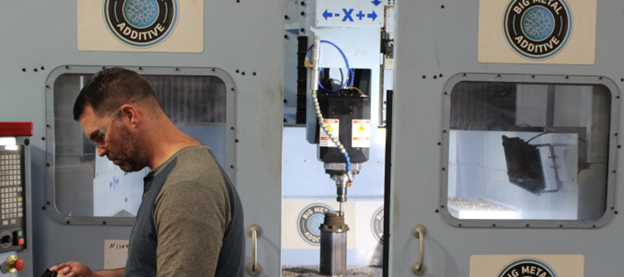
This blog series explores key lessons from my visit to Big Metal Additive (BMA), an advanced manufacturing shop in Denver, Colorado, that integrates Siemens NX for Manufacturing software and hardware for hybrid machining. This methodology, which combines additive and subtractive processes, enables the production of parts once considered impossible. However, mastering this workflow requires a hybrid skill set, where employees must efficiently operate diverse machinery and software. In this blog, we will delve into the essential skills and key machining trends in the industry.

Big Metal Additive: Innovation in Additive Manufacturing

I recently visited a leading industrial additive manufacturing customer, Big Metal Additive (BMA), which uses Siemens Additive Manufacturing software. BMA is a specialized metal 3D printing shop that integrates welders with 5-axis CNC mills to explore new frontiers in manufacturing. Their work often pushes boundaries, serving both private companies and government agencies to replace traditional processes, build intricate geometries, and conduct material testing.

The Growing Need for Hybrid Skills

A few months before visiting BMA, I spoke at a technical education conference, emphasizing the need for educational institutions to adapt their training programs to modern manufacturing. I reinforced that companies should break down silos and train employees across multiple disciplines—machining, welding, and toolmaking—especially as technologies like additive manufacturing, robotics, and automation become more prevalent.

BMA exemplifies this shift. It is not just a machine shop—it is a hybrid manufacturing powerhouse that embraces cross-functional expertise.

The Power of Hybrid Machining

Hybrid machining integrates additive and subtractive processes, allowing manufacturers to reinvent production workflows. While 3D printing has advanced significantly, it still cannot fully replace traditional methods. However, combining it with milling or turning enhances efficiency and expands design possibilities.

From a workforce perspective, this requires more than just welders, machinists, and programmers—it demands multi-skilled employees who can adapt to different tools and equipment. The future belongs to versatile engineers who can operate across domains.

CNC Meets Robotics: A Powerful Combination

BMA’s shop floor is a fusion of technology, featuring both 5-axis CNC machines and articulated robots capable of welding and machining. Engineers must navigate G-code-driven CNC machines alongside six-axis robotic systems with SINUMERIK controls—each with vastly different programming languages and degrees of freedom.

One engineer at BMA was hired for his CNC background but was tasked with learning robotics from day one. He embraced the challenge and is now an expert in both fields—a testament to the adaptability required in modern manufacturing.

Software as the Driving Force

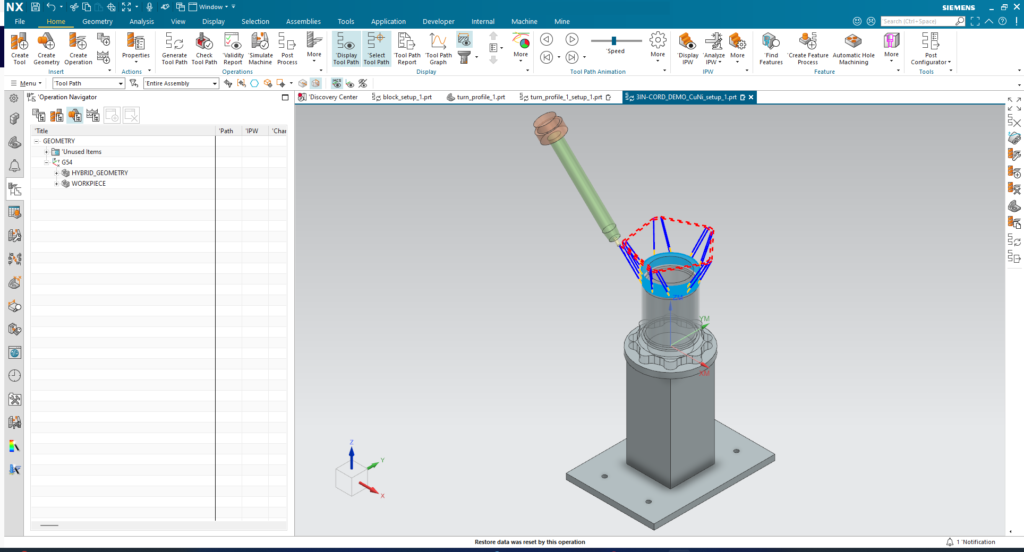
BMA’s hybrid operations rely on multi-functional CAM software. Siemens NX Multi-Axis Deposition enables programmers to create both additive and subtractive toolpaths within a single environment. This means engineers must understand both processes and synchronize them for successful builds—a critical step in creating a digital twin for hybrid machining.

At BMA, welding expertise is not limited to hands-on operations—it starts in the software. Engineers like Jordan factor in heat dynamics while programming additive toolpaths. Miscalculations in layer height can disrupt a build, but experienced engineers adjust settings in NX for Manufacturing to ensure success.

BMA does not rely on intuition alone. Engineers meticulously record process data, tracking voltage, amperage, and temperature during builds. This data is stored in a database, allowing for process optimization and repeatability. Many BMA customers seek to explore additive manufacturing’s potential—whether to create complex geometries, reduce lead times, or supplement production. Each project involves extensive testing, often requiring destructive analysis like tensile strength testing. Even tasks like wire EDM cutting—traditionally handled by specialists—are now done by multi-skilled engineers.

The rise of hybrid machining raises fundamental questions about workforce training. Should technical schools restructure their programs toward certification-based models that cover a wider range of skills? Should degree programs become more flexible, allowing students to mix and match courses across disciplines? Education must evolve sooner rather than later.

The Future of Hybrid Manufacturing

BMA’s engineers embody the versatile workforce of the future. Their ability to blend skills across machining, robotics, and data analysis creates a dynamic, resilient manufacturing environment.

As additive manufacturing continues to evolve, shops like BMA will shape the next era of production. I can’t wait to see what they achieve next. Stay tuned for my next blog, where I will continue exploring the future of hybrid manufacturing and industry trends.

Achieve up to three times higher record monthly production using the same resources

Product: Opcenter APS
Industry:
 Industrial machinery

Ensuring Consistent and Reliable Quality

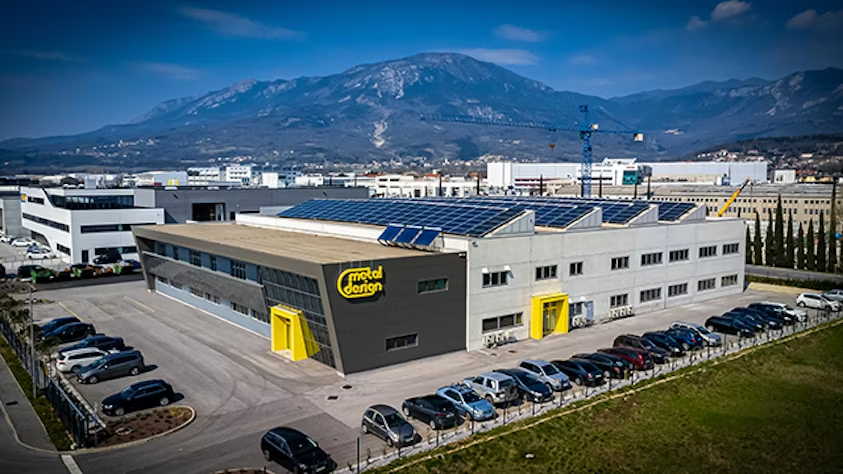
Metal Design specializes in the development, optimization, and production of technologically demanding metal products and machine components. As an international partner for various Western European companies, it has built a reputation for delivering consistent and reliable quality.

With over 30 years of experience manufacturing metal parts—including welded assemblies, sheet metal products, and machined components—Metal Design aims to become a recognized European leader in producing complex metal components for advanced industries such as green technologies, agricultural machinery, automated internal logistics vehicles, and medical applications.

As the company expanded its production capabilities and invested in new technologies, operational planning became increasingly complex. Manufacturing processes require a precisely timed sequence based on the bill of materials (BOM), ensuring optimal machine utilization, efficient workforce deployment, and strict adherence to customer delivery deadlines. As Metal Design focused more on highly technical products with multi-layered BOMs and intricate production methods, managing these challenges manually became unsustainable.

To address these issues, Metal Design partnered with INEA d.o.o. (Inea), a Siemens Digital Industries Software partner, and adopted Opcenter™ advanced planning and scheduling (APS) software—part of the Siemens Xcelerator portfolio of software, hardware, and services.

Overcoming Inefficiencies Through Digital Transformation

At the start of its digital transformation journey, Metal Design relied on a basic enterprise resource planning (ERP) system from a local IT vendor and a free version of production planning software. The company later developed in-house applications to assist with planning and scheduling, as well as tasks like item sorting, BOM verification, and tracking production times.

However, this hybrid approach was inefficient. The production manager manually adjusted monthly and weekly schedules using a combination of in-house tools and personal expertise. As a result, scheduling relied heavily on intuition and complex, manually managed tools. The IT administrator struggled to optimize production planning, and the company was not leveraging software effectively.

Recognizing these inefficiencies, Metal Design made a decisive move: replacing its ERP system and upgrading its production scheduling software simultaneously.

Selecting Opcenter to Optimize Scheduling

The production manager tested three APS software solutions in demo versions using real production data. Opcenter Scheduling stood out due to its user-friendly interface, scalability, and ability to solve scheduling challenges. Additionally, the production manager had prior experience with Opcenter from his mechanical engineering studies, underscoring the value of Siemens’ collaboration with academia.

A key moment in the decision-making process came when Metal Design received an urgent customer order that initially seemed impossible to fulfill on time. Using Opcenter Scheduling, the company simulated production scenarios, accounted for existing orders and shop floor constraints, and determined that completing the order was feasible. This capability convinced the production manager that Opcenter was the right solution.

Implementing Opcenter Scheduling

The implementation process began with a thorough analysis of all production processes, requirements, and parameters. This review allowed Metal Design to refine its data and enhance accuracy.

Once integrated, Opcenter Scheduling provided insights across multiple departments—including technology, procurement, sales, and production—helping teams resolve daily challenges more efficiently.

“Opcenter Scheduling was the best fit because it’s the most optimal for our needs and company size, providing all the necessary functionalities at an affordable price,” says Jerneja Curk, Assistant General Manager at Metal Design. “With Opcenter and the support of Inea, we have elevated our production scheduling to a higher level.”

By fine-tuning scheduling parameters, adjusting capacity settings, and fully understanding the software’s capabilities, Metal Design significantly improved its production planning standards. A crucial step was integrating the new ERP system with Opcenter Scheduling via web services, enhancing the accuracy of scheduling operations and feeding scheduled data into the company’s business intelligence (BI) system.

“In our old system, it took up to two hours to prepare and import data. With Opcenter’s ERP integration, we now just press a button and wait a few minutes,” says Karin Kodele, Production Coordinator at Metal Design.

By optimizing machine changeover times and resource allocation, Metal Design achieved record monthly production levels—tripling its usual output without increasing resources.

Enhancing Efficiency and Customer Confidence

Metal Design frequently needs to simulate potential customer orders before creating work orders in its ERP system. This process previously took up to four hours per inquiry, but with Opcenter Scheduling’s order inquiry functionality, it now takes just 15 minutes.

“Using Opcenter Scheduling, I can efficiently schedule the entire shop floor and all shifts while quickly responding to customer inquiries,” says Kodele. “Working with Inea, their support is exceptional, and their quick, efficient responses always impress me.”

“With over 700 different parts in production and long-term B2B partnerships, delivering on time is crucial to our clients’ supply chains,” says Polona Curk, Director of Business Development at Metal Design. “Our B2B customers are always impressed when they learn we use Siemens’ Opcenter Scheduling. It reassures them that we will deliver as agreed, which strengthens our business relationships.”

Looking Ahead: Future Optimizations

Following the successful implementation of Opcenter Scheduling, Metal Design’s future plans include further optimizations, such as integrating employee skill matrices into scheduling. Additionally, the company aims to transition from general schedule overviews to personalized displays for each production cell on the shop floor.

By leveraging Opcenter Scheduling, Metal Design has embraced digital transformation, streamlined production planning, and positioned itself for continued growth in the competitive metal manufacturing industry.

×