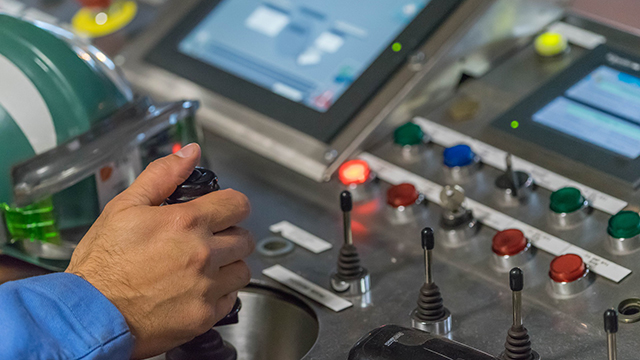
In an era of digital transformation, companies are seeking engineers who are not only technically proficient but also fluent in the digital tools that are reshaping the manufacturing industry. Graz University of Technology (TU Graz) in Austria is responding to this challenge by equipping students with hands-on experience in model-based design, simulation, automation, and closed-loop manufacturing — all powered by Siemens Xcelerator.
A Modern Education for a Digital Industry
At TU Graz, the Faculty of Mechanical Engineering and Economic Sciences combines mechanical engineering with business insight to educate future-ready professionals. As Dr. Franz Haas, Dean of the faculty, explains:
“Our mission is to develop innovative, interdisciplinary, and holistic solutions for the full lifecycle of products in automotive, energy, and production engineering.”
From the first semesters of the bachelor’s degree through master’s and doctoral programs, TU Graz students are immersed in computer-aided engineering tools and digital workflows. Through the Siemens Xcelerator platform — which includes software, hardware, and services — they gain early access to the same technologies used in cutting-edge global industries.
The smartfactory@tugraz: A Living Lab
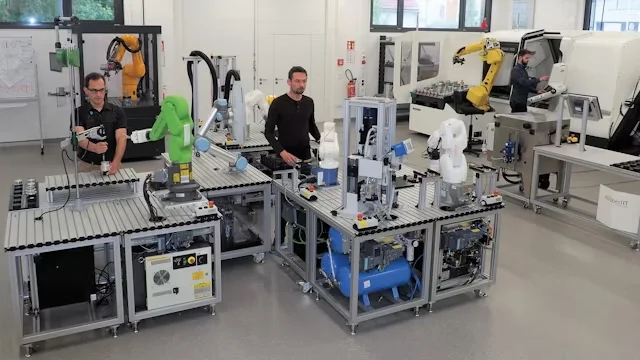
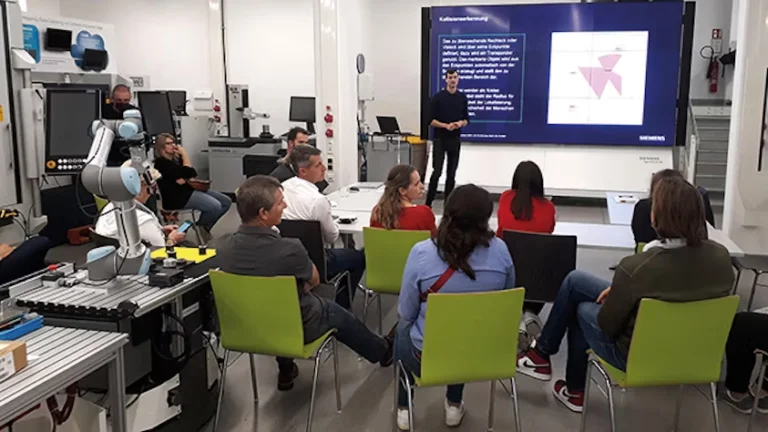
At the heart of TU Graz’s innovation ecosystem is the smartfactory@tugraz, a learning and research facility designed to explore and demonstrate agile, autonomous, and digital production. It’s part of the Smart Production Graz initiative and offers:
Real-time production line reconfiguration
Integration of robotics and additive manufacturing
A private 5G network to support industrial IoT
A safe space for companies to test new manufacturing approaches
This environment allows students, researchers, and partners to experiment with advanced concepts — from automated tool transport using mobile manipulators to full-scale digital twin applications.
Software-Based Manufacturing in Action
In the smart factory, students use Siemens Digital Industries Software to explore a fully connected product development and manufacturing process. They apply:
NX™ for CAD/CAM
Teamcenter® for PLM
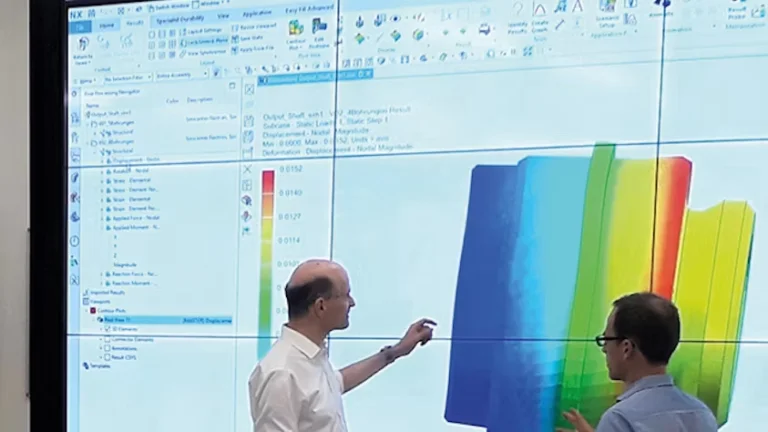
Simcenter™ Nastran for structural simulation
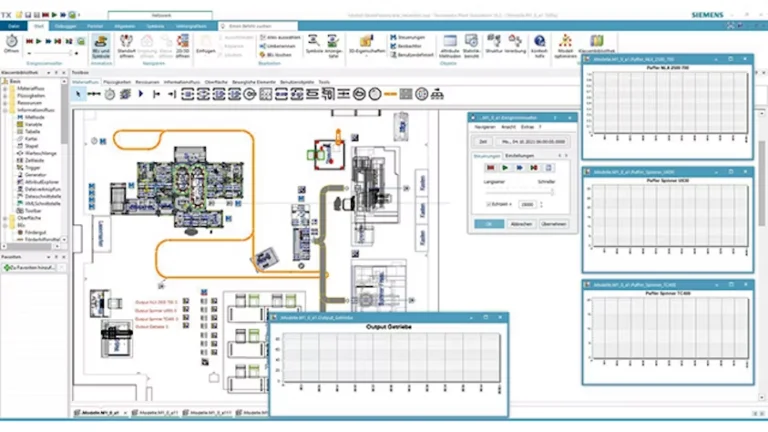
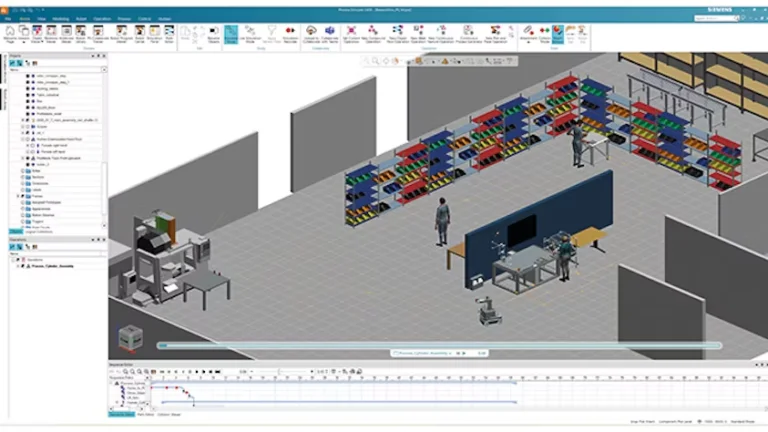
Tecnomatix® for digital manufacturing and robotics simulation
With this software suite, they can design, simulate, and optimize production processes long before physical implementation. They also use virtual commissioning to test PLCs and automation systems digitally, reducing real-world commissioning time and safety risks.
Closed-Loop Manufacturing and Vertical Integration
Thanks to full data consistency from design to execution, TU Graz students experience true closed-loop manufacturing. Updates made by machine operators in the factory are automatically sent back to the digital design environment via Teamcenter and NX Open, allowing for continuous optimization.
Key advantages include:
Real-time location tracking of mobile assets
Predictive maintenance using machine data
Tool digitization via laser scanning and integration into NX CAM
A connected tool database using Teamcenter X Resource Management
Additionally, the university links its smart factory with other academic pilot factories in Austria using Insights Hub, creating a virtual network of collaborative innovation.
A Model for the Factories of the Future
At TU Graz, future engineers gain practical knowledge that often surpasses what’s currently implemented in industry. With support from Siemens and a full suite of Xcelerator tools, they are trained to think holistically, work sustainably, and lead digital manufacturing initiatives with confidence.
“Siemens software covers the entire product lifecycle, which is key to closed-loop manufacturing,” says Dr. Rudolf Pichler, Head of smartfactory@tugraz. “Using Siemens Xcelerator helps us educate broad-minded and skilled creators of tomorrow’s products and systems.”
Product: NX, Simcenter 3D Solutions, Teamcenter Industry: Automotive & transportation
NASCAR Racing Team Leverages Siemens Software for Competitive Edge
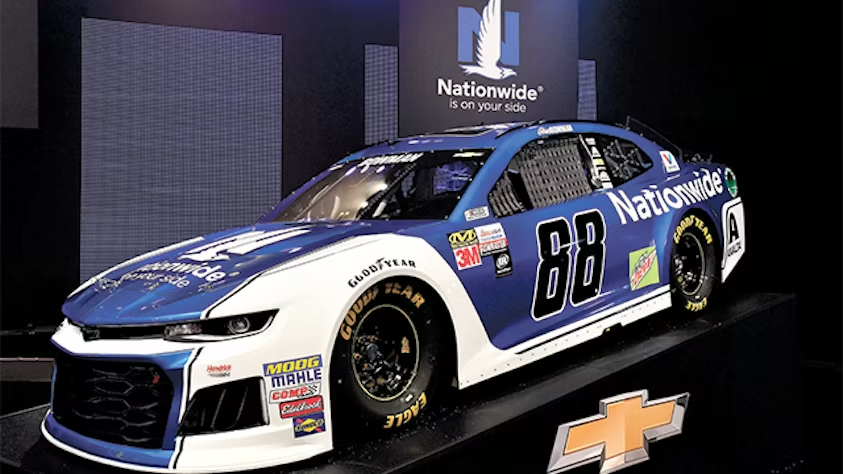
Hendrick Motorsports Hendrick Motorsports, a renowned NASCAR® racing team based in Concord, North Carolina, employs Siemens Digital Industries Software solutions—NX, Simcenter, and Teamcenter—to enhance performance and reliability in their racing operations.
Challenges
Design Compliance: Create and test a fleet of cars that meet strict NASCAR regulations.
Data Accessibility: Improve access to data to maximize time spent on analysis and innovation.
Keys to Success
Digital Backbone: Establish a robust infrastructure using Teamcenter.
Collaboration with Siemens: Work closely with Siemens to optimize new tools with each software release.
Comprehensive Software Utilization: Take full advantage of the Siemens software portfolio.
Results
Rapid Development: Quickly develop new parts and assemblies that improve performance.
Design Optimization: Use NX to evaluate multiple options and refine designs.
Efficient Data Mining: Leverage the digital backbone for faster and more reliable access to data.
As Engineering Manager Tad Merriman stated, “If we can take advantage of rule changes faster, we can develop and implement new ideas quicker, leading to race wins. Siemens Digital Industries Software gives us a competitive advantage.”
Hendrick Motorsports has integrated Siemens software since the early 1990s, transforming their operations by streamlining design, simulation, and manufacturing processes. The digital backbone established through Teamcenter enables them to efficiently manage data across various aspects of their racing program.
Conclusion
Hendrick Motorsports continues to demonstrate that leveraging Siemens Digital Industries Software solutions significantly contributes to their success on the track, allowing for rapid innovation and enhanced performance.
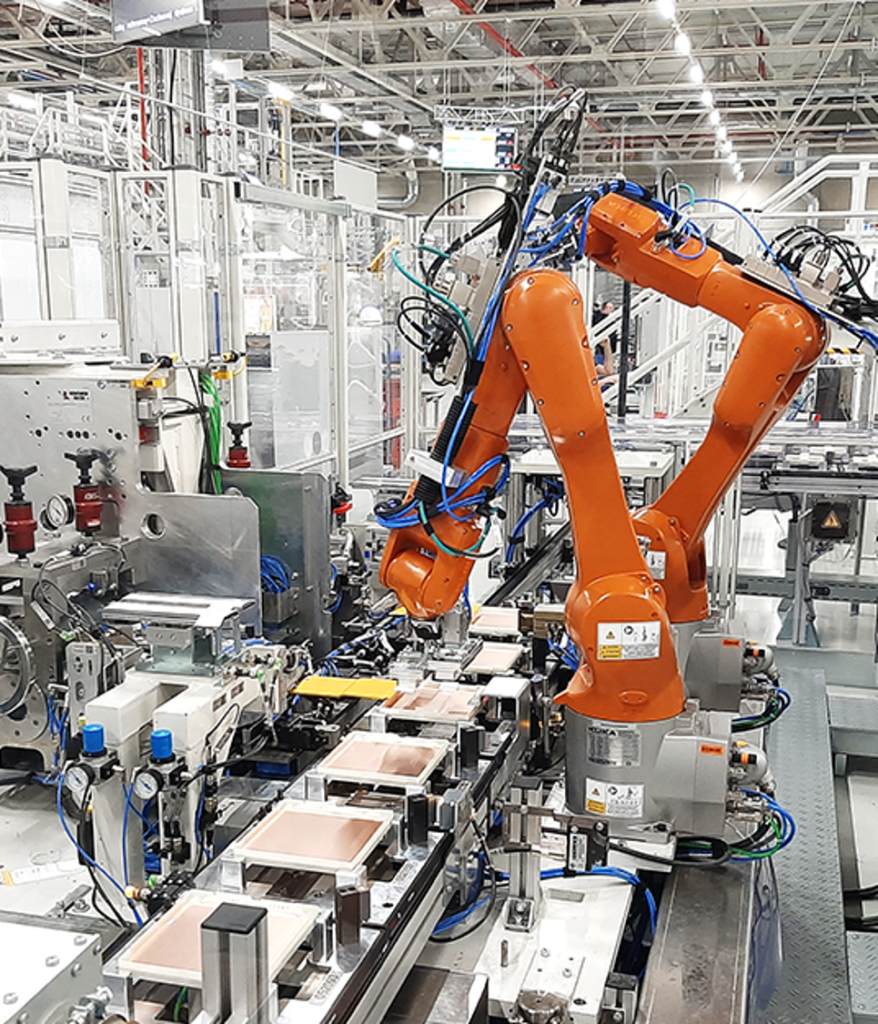
Battery production takes place in a dynamic landscape of manufacturing. Efficiency is the cornerstone of success. Nowhere is this more evident than in the realm of automotive battery production, where precision and optimization are paramount. At EBZ Group, a beacon of innovation in the transportation industry, Louisa Christin, a senior project manager in production planning, is leading the charge towards enhancing battery production through the integration of layout planning into material flow simulation.
Unlocking potential
Louisa Christin’s journey into the world of mechanical engineering at the University of Applied Science Ravensburg-Weingarten laid the foundation for her pioneering work at EBZ. Since joining the company in 2018, she is responsible for projects in production planning, focusing particularly on body-in-white and battery production facilities. Her expertise extends to material flow simulation, where she has been instrumental in implementing static and dynamic simulations using Siemens Tecnomatix Plant Simulation software.
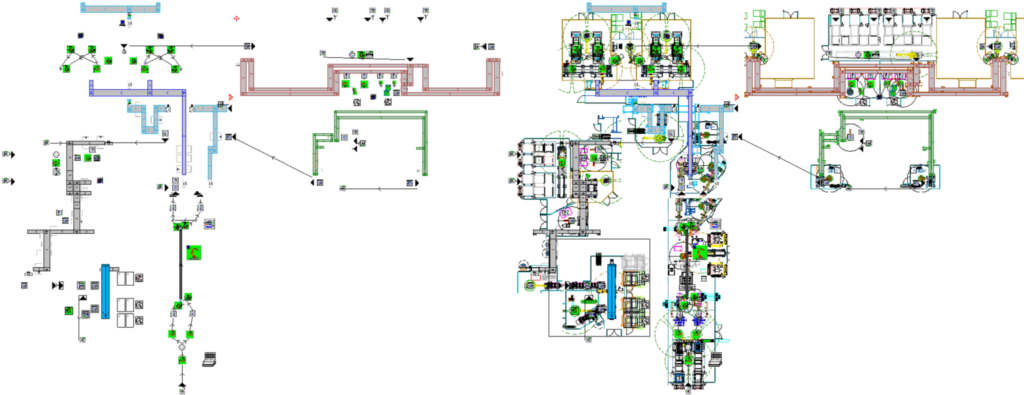
The power of integration In her lecture, Louisa will shed light on the synergies between layout planning and material flow simulation, emphasizing the advantages of their integration in the context of battery production. By combining these methodologies, companies can gain invaluable insights into their production processes, leading to enhanced efficiency, reduced costs and improved quality.
Navigating challenges Drawing from real-world experiences, Louisa will present three compelling use cases from EBZ’s project business. Each case will provide a comprehensive overview of the project, highlighting the differences between battery production in material flow simulation with and without layout implementation. Attendees will gain a deep understanding of the evolution of battery production in material flow simulation and the challenges encountered along the way.
Realizing benefits Louisa will delve into the heart of each use case, discussing the biggest challenges faced and the strategies employed to overcome them. Attendees can expect to learn about the tangible benefits that have resulted from integrating layout planning into material flow simulation, including increased throughput, optimized resource utilization and streamlined processes.
By seamlessly integrating layout planning with material flow simulation, automated battery production lines engineered by EBZ not only optimize efficiency but also propel us into a future where precision and innovation converge to power the automotive industry forward.”
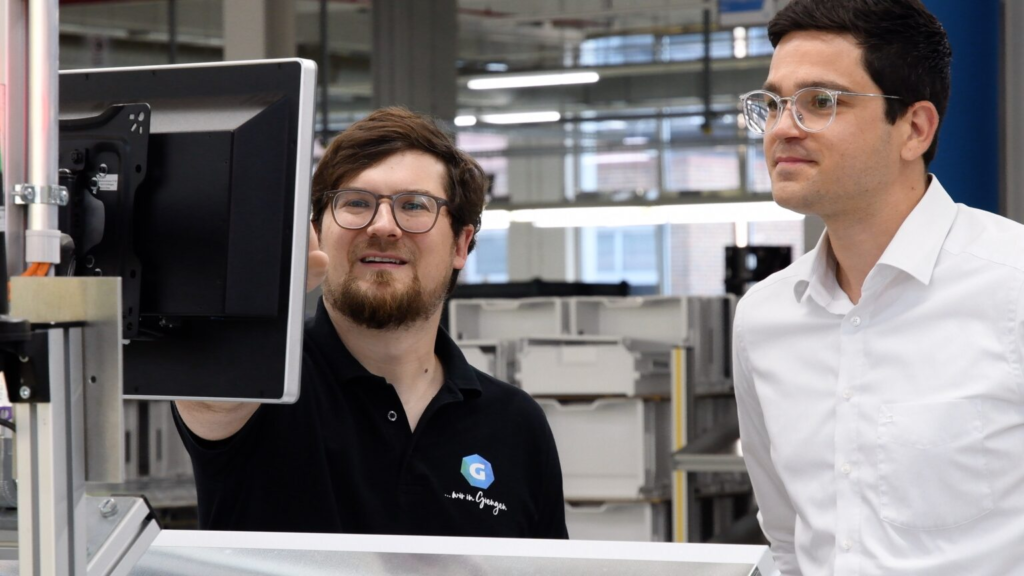
We love to hear how Teamcenter and Siemens Xcelerator tools help our customers succeed. This story looks at the global roll-out of Teamcenter Easy Plan at BSH Home Appliances. We were lucky enough to go straight to the heart of Germany to the BSH plant in Giengen to see the results firsthand.
I don’t know how many of you have been shopping for a new refrigerator lately, but the selection seems mind-bogglingly endless compared to what I remember from my first fridge purchase in the 1990s. It used to be that you just measured your space, tallied up your budget, and, presto, out you went to your local (Siemens) dealer to buy a classic white stand-up model with a little freezer unit on top.
Today, all this has changed. Or at least most of it. You’ll probably hit the Internet for reviews and ideas, maybe google for the best price and performance, and then the tough decisions start: which fridge do you choose?
Brands, model variations and more
First, do you want a freestanding or a built-in? Then what size exactly? What about finishings: inox, black glass, a color, or plain old white? Glossy, matte or in-between? Fridge on top and freezer on the bottom? Or vice-versa? American side-by-side doors? French doors? Mid-storage drawers? Door-in-door technology? Craft icemaker? And water dispensers of all shapes and sizes…Not only how do you select one? How do you manufacture all this choice? Earlier this year, we were lucky enough to visit BSH Home Appliances in Giengen, Germany to hear how Teamcenter Easy Plan helps.
BSH Home Appliances is one of the largest manufacturers of its kind in the world and is number one in Europe. BSH manufactures refrigerators, washing machines, dishwashers, induction cooktops, cordless vacuum cleaners, espresso machines and much more for well-known and respected brands like Bosch, Siemens, NEFF and Gaggenau.
With 62,000 employees and 41 plants worldwide (at time of publishing this blog), BSH manages a huge portfolio with hundreds of product variants on a global scale. Production can vary from plants that make only washing machines to plants like the one in Giengen, which makes only built-in refrigerators and freezers. Other BSH sites focus on small innovative appliances like espresso machines and cordless vacuum cleaners. In most cases, each of the 41 BSH sites manufacture product variants for more than one brand.
“Imagine a production line with over several hundred products,” says Philipp Winter, an IT business consultant in the Global Digital Services Department of BSH Digital Factory. “Our production lines have to adapt constantly, as well as line operators and the planners.”.
Manufacturing planning complexity
Depending on the plant, operators might build twenty-five Siemens built-in refrigerator models followed by 25 Bosch models with different tray designs and then still other different models for other brands – all on the same line. Other plants might have robotic lines that makes slightly different home appliance models for every type of consumer in the portfolio.
It is hard to imagine how one starts to organize such a complex production process on a global scale. But Philipp Winter, an IT business consultant in the Global Digital Services Department of BSH Digital Factory, and his colleague, Sacha Weckend, an industrial engineer responsible for the Teamcenter Easy Plan implementation at the Giengen, Germany plant were happy to explain how they count on Siemens tools for manufacturing planning.
As you see, BSH uses Teamcenter® software to runs its entire product development database. In 2015, BSH extended this to all manufacturing and planning data, integrating Teamcenter and the Tecnomatix® portfolio, which are part of the Siemens Xcelerator portfolio, the comprehensive and integrated portfolio of software, hardware and services, into its digital factory ecosystem.
At most of the BSH locations, local industrial engineers and planners have access to tools including Easy Plan, which is built on top of Teamcenter, Process Simulate in the Tecnomatix portfolio and Line Designer. These tools allow BSH to organize and optimize production lines for maximum performance for globally distributed plants, complex product variation schemes, line balancing, productivity and production efficiency, human health and safety issues, robotics and even collaborative robots (cobotics).
Teamcenter Easy Plan is just very easy to use
“You reach a limit at some point where you need special software to face and challenge this complexity in manufacturing,” says Winter. “We have leveraged digital manufacturing solutions from the Siemens Xcelerator portfolio for many years. This has resulted in an accurate digital twin of our factory ecosystem. Now we have added Easy Plan, which is our latest planning software, to do our line balancing and all our time management on the production lines.”
“We have specific cycle times for our assembly lines,” says Sasha Weckend. “For each workstation we try to find the perfect amount of work content. You can learn Easy Plan quite fast. It is easy for me to train new colleagues, trainees and students. The user interface is quite intuitive. If you have worked with an internet browser then you know where you have to click with Easy Plan. Easy Plan is just very easy to use. I think this is why the implementation is quite seamless.”
So, thanks to some pretty special Siemens software, an accurate digital twin of the BSH factory ecosystem, and the ease-of-use of Teamcenter Easy Plan, it looks like BSH Home Appliances is well on its way to successfully tackling modern-day process and product complexity to make the fridges (and home appliances) we will want to buy in the future.
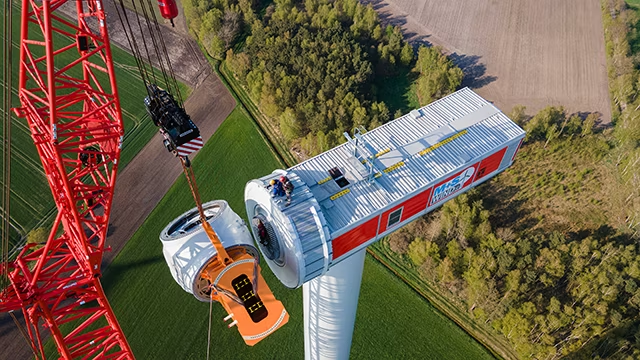
The Teamcenter Product Configurator is an important part of our global PLM strategy. By leveraging a single source of truth for multi-disciplinary product configuration data across the entire product lifecycle, ENERCON is positioned to remain at the forefront of technological advancements in the wind energy industry.
Sebastian Heinzel , Product Owner, Senior Consultant PLM ENERCON
Adapting to the dynamic changes in the wind industry
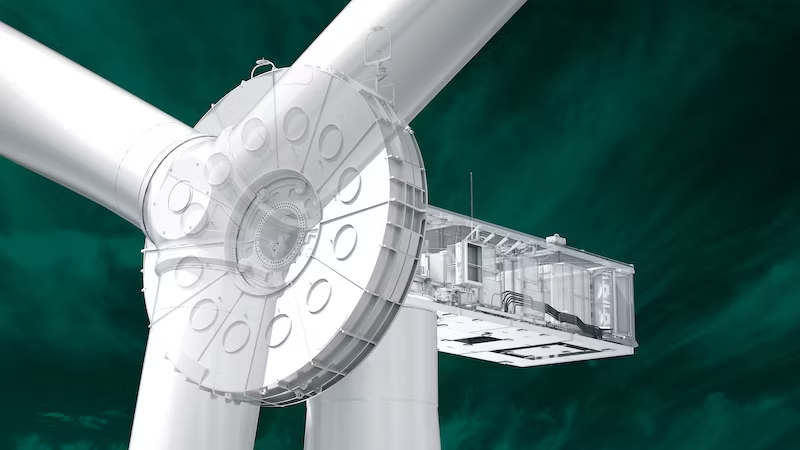
The wind industry is characterized by its unique challenges including dynamic market conditions, technological advancements and increasing customer demands for customization. ENERCON has been in the wind industry for over 35 years developing, producing, installing and maintaining wind turbines. To further streamline its operations and enhance variability management, ENERCON partnered with Siemens Digital Industries Software to adopt Teamcenter® software and specifically Teamcenter Product Configurator. Teamcenter is part of the Siemens Xcelerator business platform of software, hardware, and services.
ENERCON was looking to streamline manufacturing operations and enhance wind turbine development. The company faced numerous challenges in a highly complex and ever-changing industry, including needing customization, shortening lead times, ensuring up-to-date product configurations, and integrating computer-aided design (CAD) systems. By implementing Siemens’ solutions, the company achieves significant improvements in process efficiency, collaboration, and time-to-market, while also aligning its bill-of-materials (BOM) management and expanding its capabilities for future growth.
A new approach for managing product complexity
ENERCON faced several business challenges over the years including managing a highly complex product line, meeting customer demands for customization, reducing lead times from order to quotation, ensuring stakeholders work with valid and up-to-date product configurations and addressing limitations with their current SAP systems that don’t allow them to validate the digital twin.
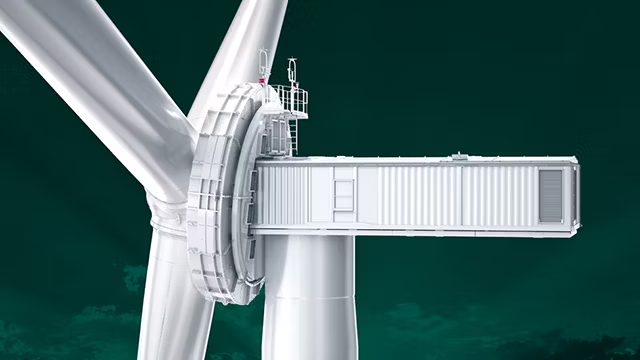
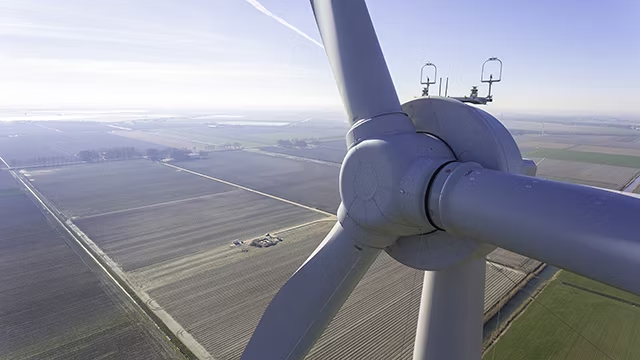
ENERCON realized it needed to modernize its approach to product variability management. In 2018, it embarked on a search for a solution that would integrate a common product configuration definition across its design BOM (DBOM), engineering BOM (EBOM) and manufacturing BOM (MBOM), serving as a reliable source of truth for its entire value chain. Implementing Teamcenter Product Configurator allowed ENERCON to bring together variability data from their BOMs and consider the holistic value chain perspective. This effort coincides with ENERCON’s latest project, which is developing the E-175 EP5 wind turbine. This turbine has one of the largest rotor diameters for onshore turbines right now. ENERCON plans to continue applying this variability management approach in the development of the new evolution of their turbine, the E-175 EP5 E2.
Leveraging Teamcenter Product Configurator provided ENERCON with valid and buildable product configurations. ENERCON leveraged these capabilities to configure its products early in the development process, eliminating the need for downstream configuration changes in its enterprise resource planning (ERP) system. With access to valuable data within Teamcenter, ENERCON’s engineers can easily validate the feasibility of different configurations, ensuring that all combinations were valid and buildable.
Configuration management will be integral to improving the company’s engineering change management processes. ENERCON plans to convert their operating model from a made-to-stock and engineer-to-order approach to a CTO+E approach. This model incorporates more repeatability and reuse into the business model while still supporting client customization. This will allow ENERCON to better control fast-track changes such as health and safety execution (HSE) topics, supplier discontinuity, part obsolescence and missing part topics. By implementing a CTO+E approach, changes would be able to be applied to any product variant at any time between revision packages. Using this engineering change management process with a common variability backbone, ENERCON will have the ability to adapt their BOMs and manufacturing processes quickly without jeopardizing the supply chain management processes in their plants.
“Using Teamcenter Product Configurator will help us implement a CTO+E approach, advancing ENERCON’s transformation to a project-driven company,” says Martin Gorges, head of PLM governance for ENERCON.
Using Teamcenter to improve collaboration and communication
ENERCON used Teamcenter Product Configurator as a digital configurator, enabling improved communication and collaboration among stakeholders across the development lifecycle. By working off a common source of variability information, everyone involved had access to the latest and most accurate data, eliminating confusion and discrepancies. This streamlined collaboration, enhanced efficiency, and reduced the risk of errors caused by out- dated or incorrect configuration data.
Implementing Teamcenter Product Configurator yielded significant results for ENERCON, enabling them to streamline internal processes. ENERCON successfully used a common configurator across disciplines, eliminating silos and improving process efficiency.
ENERCON is using Teamcenter Product Configurator to provide a digital configurator that serves as a common source of variability information. This facilitates seamless communication and collaboration among stakeholders.
“By understanding the product parameters that need to be accommodated, ENERCON will be able to respond to customer orders more quickly, shortening lead times and enhancing customer satisfaction,” says Sebastian Heinzel, senior consultant PLM for ENERCON.
Using the predefined rules and constraints within Teamcenter Product Configurator allowed ENERCON to deploy new features and implement changes in a more efficient and timely manner. Although ENERCON is still working to develop the E-175 EP5 wind turbine, the company has already experienced a significant reduction in development time. Additionally, consolidating variability management has simplified the value chain and ensured consistency in the product data.
Continuing to improve the manufacturing process
Looking ahead, ENERCON plans to further leverage Siemens solutions for MBOM, SBOM and digital manufacturing. By expanding its use of Siemens solutions, ENERCON is aiming to enhance its manufacturing processes, improve serviceability, and stay at the forefront of technological advancements in the wind energy industry. “We are training very hard to get to know everything about Teamcenter Product Configurator so we can utilize all of its capabilities,” says Sebastian Heinzel, senior consultant PLM for ENERCON.
ENERCON is in the concept phase of a PLM program that will bring both Engineering BOM and Manufacturing BOM configuration management into Teamcenter. This will enable them to deploy highly sophisticated discrete manufacturing processes best known within the automotive and aerospace industries. With the help of Teamcenter, ENERCON’s goal is to perform pre-planning up to 36 months in advance of manufacturing and work with schedul- ing agreements showing early demands to the suppliers. This will allow them to make changes to product variants holistically across all platforms, plants, systems and processes, including pre-planning. An integrated PLM configuration management solution also helps ensure stable high-volume production without line stops while avoiding the use of obsolete materials or high numbers of part stocks.
Implementing Teamcenter Product Configurator will be transformative for ENERCON’s wind turbine development processes and manufacturing operations. They have consolidated a diversified portfolio into a single platform, which allows them to handle more complex variability. Using Teamcenter Product Configurator has helped ENERCON get one step closer to going from a design-centric approach to a part-centric approach.
These results have positioned ENERCON for continued success in a rapidly evolving industry while continuing to take on new projects. ENERCON is looking forward to continuing to leverage Teamcenter to develop the E-175 EP5 E2 wind turbine that will be available in 2026 as well as other future next generation products.
Using Teamcenter Product Configurator will help us implement a CTO+E approach, advancing ENERCON’s transformation to a project-driven company.
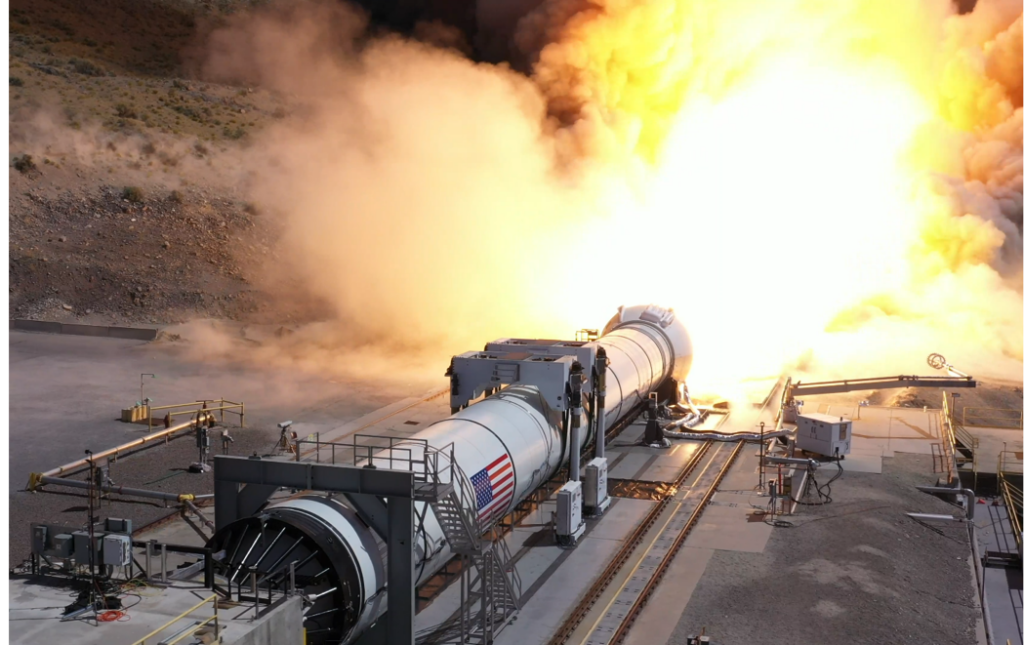
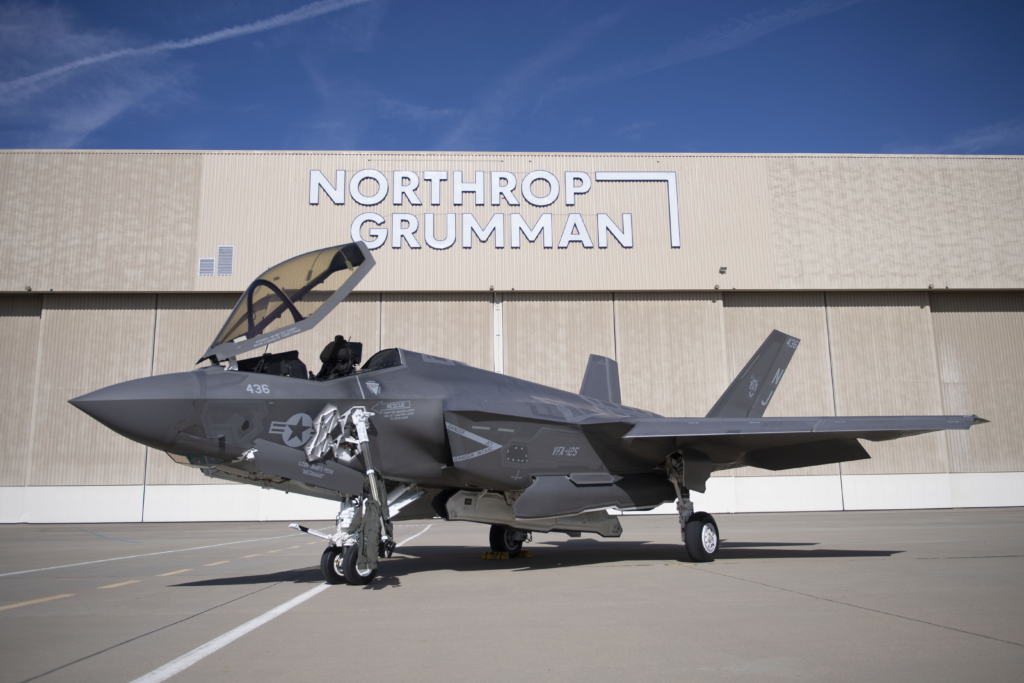
Northrop Grumman Corporation is an American multinational aerospace and defense technology company focused on digital transformation. With 90,000 employees and an annual revenue in excess of $30 billion, it is one of the world’s largest weapons manufacturers and military technology providers. Altair Kaminski, PLM Systems & Digital Strategy Manager, works in the propulsion systems division, which develops solid rocket motors for the space sector.
The propulsion systems division of Northrop Grumman uses Siemens’ product lifecycle management products to support its digital transformation goals, including for CAD management and manufacturing applications.
Verification management in complex product development environments
For aerospace manufacturers, certification is everything. In addition to already strict regulations, today’s aerospace and defense companies face additional demands for advancements such as aggressive sustainability targets and autonomous aircraft options, which require more integrated systems driven by software and electronics.
While managing the development of their highly complex product line, Northrop Grumman are acutely aware of these challenges. First and foremost, they must meet customer expectations to deliver new products and updates to existing products to market as fast as possible.
To expedite certification and bring products to market faster, it is essential for Northrop Grumman to drive efficiencies to their business processes and operations. When presented with a challenge like change management, product developers need to understand not only why a change is being made, but what impacts a change will have across the entire array of the product.
Reconciling a single change can be extremely tedious when the product data isn’t connected or in context for certification. The problem becomes exacerbated when one change must be multiplied across millions of parts and hundreds of suppliers. To ensure they have the right tools in place to support their programs, Northrop Grumman enlisted Siemens to aid them in their journey toward organizational digital transformation.
Embracing digital transformation
Kaminski and her group have embraced the concept of digital transformation. Digital transformation refers to the adoption of data and digital solutions for business activities and processes. With their PLM system serving as the backbone for enablement, digital transformation engages people with digital workflows to promote the full advantage of technology investments across an organization.
“Data is key to gaining information, but connecting it is where the real power of digital transformation comes from,” said Kaminski.
PLM is used by Northrop Grumman as a massive hub for storing and managing the information required to establish a digital thread throughout their product lifecycle. It helps to tie the relationships between data together, bring in additional information, and connect to external systems.
A system of systems approach in action
To support their digital transformation, Northrop Grumman has established a product lifecycle digital thread. The PLM system serves as the digital thread backbone, connecting information across functional domains and operational disciplines to enable individual functions to operate as a collaborative unit. This “system of systems” approach opens the door to explore powerful cross-functional capabilities like digital twins.
We were able to see a 25% weight reduction by being able to have access to both the model and run a bunch of iterations on the design in order to get optimal efficiency.
– Altair Kaminski, PLM Systems & Digital Strategy Manager
For their launch abort system manifold, Northrop Grumman leveraged digital twins, coordinating physical and virtual testing to achieve significant product weight reduction. With the ability to integrate simulation and virtual testing into their project plan, Northrop Grumman can plan the certification testing and documentation in real time. The digital thread creates a fully traceable and auditable chain of data from requirements through service, reducing the reliance on physical parts testing by linking virtual and physical testing for proof of compliance.
Armed with a digitalized virtual verification and validation strategy backed by PLM, Northrop Grumman can more efficiently produce and more confidently show proof of compliance of their advanced products and achieve certification faster.
Product: Figure 4 Industry: Consumer Products and Retail
Siemens Digital Industries Software representatives have always been proactive and practical; they became quickly familiar with the technical jargon of our organization and responded knowledgeably to the questions of our designers, who use Pro/Engineer. Integration between two different vendors obviously caused some doubts, but Siemens PLM Software’s experience in this kind of integration offered solid assurancesthat have turned out to be true.
Elisa Galassi, IS Manager Faber SpA
Imagining, designing and manufacturing kitchen hoods
For fifty years, Faber SpA (Faber) has been imagining, designing and manufacturing hoods, becoming a leader in the global scene, not only in Italy, where one out of two hoods is made by Faber. Established in 1955, the company has been expanding constantly through acquisitions all over the world until 2005, when all of the organizations were acquired by Switzerland’s Franke Group, leaders in sinks. Today, the Faber brand is managed within Franke Group’s Hoods Product Line. As the “air specialist” within the group’s Kitchen Systems division, Faber is in charge of coordinating the activities of group companies across India, Turkey, Argentina, Sweden, France and Russia.
Fabriano, the historical headquarters of the company in the Marche region, is home to the major research and development (R&D) center of the group; other R&D centers are located in Sweden and in Pune, India, where a manufacturing plant is planned.
PLM starts in Fabriano
To handle the coordination of product development activities assigned by Franke Group to Faber after the acquisition, the Fabriano site managers immediately started looking for a suitable tool to improve coordination and synergy among all group companies. Samuel Riitano, R&D manager of the Hoods Product Line at Faber, explains: “For our product development and product lifecycle management (PLM) operations, we initially tried to centralize data searches using replicated databases; however, this approach was inadequate, mainly because we wanted to maximize re-use on one side, and to create an orderly R&D process on the other. When your organization is articulated and distributed, you need clear rules to manage projects within distributed teams having different cultures and languages. We were looking for a solution to keep everything together, defining accurate and clear working methods and procedures for all stakeholders.”
In early 2008, the company launched a scouting activity aimed at the analysis of platforms that might respond to Faber’s requirements. “Besides Windchill and SAP, which we were already using, we extended our evaluation to a third option, Teamcenter from Siemens Digital Industries Software,” says Marco Castellani, who is responsible for BI and SOA (business intelligence and service-oriented architecture) at Faber. “For all software candidates, we checked integration with our CAD (computer-aided design) package Pro/Engineer and held a number of meetings with our research and development group to consider possible developments in PLM. From the very start, a preference emerged for Teamcenter.”
After three years of analyzing the potential value and benefits of adopting a PLM solution that, starting from the hoods product line, could then be deployed across the entire organization, management re-activated the technology search in 2011. “At the end of this further analysis, everyone agreed that the PLM solution by Siemens Digital Industries Software was the right platform,” Castellani adds. “A pilot project was launched in Fabriano to prove the benefits offered by the introduction of PLM.”
Quickly up and running
Only a few months after implementation, Teamcenter® software was in full productive use in Italy and Sweden, while other group companies in Argentina, India and Turkey primarily employed it for visualization. Everyone had direct, real-time access to all design information available in the database. “We have more than 30 people using Teamcenter,” says Elisa Galassi, IS (information systems) manager at Faber. “Besides utilizing vaulting functionality with drawing check-in and check-out, project data management, workflows and drawing approval cycles, we have completed the integration with SAP, the ERP (enterprise resource planning) software adopted by Franke Group across the entire organization, enabling data exchange with the database for component searches based on item codes transferred between Teamcenter and SAP.”
The Teamcenter implementation at Faber is significant for the Italian market, where PLM culture often boils down to CAD file vaulting and management. “We are completing the component classification process, for which we have created and populated most of the tree,” notes Galassi. “We are now defining the proper management of engineering change orders (ECOs) and finalizing the model for engineering bill of materials (EBOM) management with the introduction of configuration.” He adds, “It is very easy to work on the EBOM using Teamcenter.”
Riitano adds, “This will be the final step of the first phase; afterwards, we will move out of engineering to define requirements for sales and manufacturing operations. Potentially interesting developments include cost quantification and new product costing. We are considering the direct involvement of our supply chain, via a portal that collects information from Teamcenter and makes drawings, specifications and other information available to our suppliers. Each supplier will then have access to all necessary information to prepare a quotation and post it on the portal, with a fully traceable process. As for costing, we would like our designers to read the cost of existing modules directly from the ERP system to estimate the cost of a new product; then, purchasing and business administration will be in charge only for new components.”
Galassi notes, “We know that, using Teamcenter, you can open a view into SAP, to retrieve any information when you need it, without frequent updates and synchronization between the two systems.”
Tangible benefits
Faber management essentially identified three benefits resulting from the first phase of the implementation. First, full integration with the corporate ERP software enables quicker and leaner information searches for all engineering department users, who can work through one single interface and one desktop. Second, the management of drawings and technical information is more accurate and reliable, and, after initial database population, much faster. Third, structured workflows guide users through subsequent project stages without using paper documents or email messages, thus improving the tracking of all activities.
Benefits expected in the second stage are equally important, starting with the SAP® software integration. Castellani explains, “As soon as we complete the integration of the engineering bill of materials with ERP, we will have one single document describing the product in Teamcenter and SAP, with an optimized information transfer between designers and item code creators; this transition is critical both for the typical issues related to data transfer, and for time. With Teamcenter, we are confident we will minimize both. It is worth noticing that the integration between Teamcenter and SAP integration is bidirectional, a unique situation in Italy.”
According to Riitano, once finalized, component classification will enable a better use and increased re-use of components, particularly useful in foreign sites even more than in Fabriano, where employees have proven experience and a deep knowledge of all components. He explains, “By collecting and classifying all components in a unified system accessible on a global scale, we will help all our users avoid useless duplications or re-create parts and objects that already exist somewhere.” The benefits of classification are apparent for a company like Faber that manages 400 to 500 codes across 100 product families, plus the entire Franke Group catalog and models for its OEM customers. “The current portfolio includes active codes for approximately 5,000 finished products and almost 300 models, and every year we generate more than one thousand new finished product codes,” say Riitano. “If we refer to components, we have 40 to 50,000 codes of raw materials and semifinished products.”
Promising developments
“We are pleased with the service offered by Siemens Digital Industries Software, starting from the initial approach with a high-impact presentation and proposal,” says Galassi. “Siemens Digital Industries Software representatives have always been proactive and practical; they became quickly familiar with the technical jargon of our organization and responded knowledgeably to the questions of our designers, who use Pro/Engineer. Integration between two different vendors obviously caused some doubts, but Siemens Digital Industries Software’s experience in this kind of integration offered solid assurances that have turned out to be true.”
We are pleased with the service offered by Siemens Digital Industries Software, starting from the initial approach with a high-impact presentation and proposal.
Product: Solid Edge, Teamcenter Industry: Automotive and Transportation
Using PMI has turned deriving individual variants into configuration. It has reduced the time required by 65 percent.
Stefan Ziegler, Head of Industrialization R&D,
Freedom and comfort combined
Camping has been a popular outdoor recreational activity and a mode of accommodation for decades. In many countries, it is a substantial contributor to the tourism industry. The activity offers some of the most affordable lodging options. According to the Statista platform, about seven percent of all tourists visiting Germany in 2020 preferred camping over hotel accommodation. As the use of tents has significantly decreased over the past decades, recreational vehicles (RV) such as caravan trailers and motorhomes have become more popular. They provide campers with home-level comfort such as living areas, kitchen facilities and bathrooms.
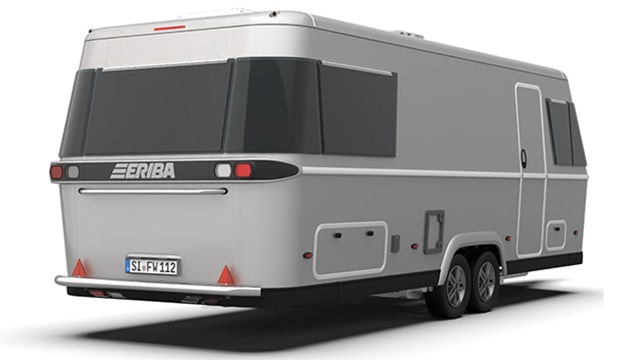
Located in the spa town of Bad Waldsee in Southern Germany, Hymer GmbH & Co KG (Hymer) is among the pioneers of RVs. The company produced its first caravan trailer in 1957, followed by the first German motorhome in 1961. Hymer has become a household name emblematic for an entire vehicle category in Europe. The company is part of the Erwin Hymer Group and also designs and manufactures trailers under the Eriba brand. The Erwin Hymer Group belongs to the Thor Industries family of companies, uniting the vast majority of European and North American RV manufacturers.
Hymer has become an innovation and technology leader in the motorhome segment, combining innovation with Swabian virtues such as attention to detail and quality and made in Germany workmanship standards. “The five centimeters (two-inch) side walls combining aluminum skins on closed-cell PU provide insulation comparable to 80 centimeters (2 feet and 7 inches) of brick wall,” states Frank Heinrichsen, marketing manager at Hymer.
Hymer engineers in all European locations use Solid Edge for CAD.
Fully digitalized product creation
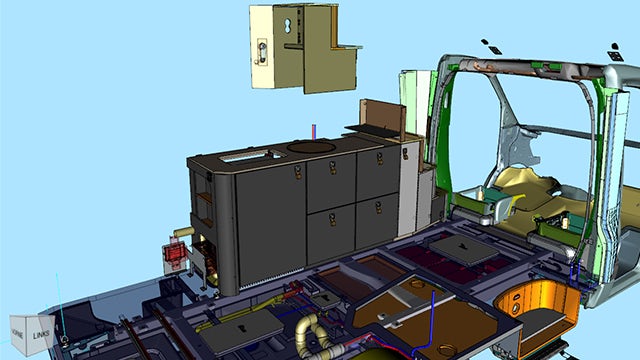
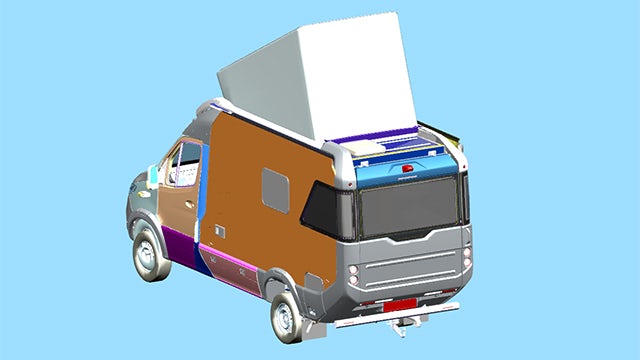
Hymer engineers designed the VisionVenture, a concept camper van, by weaving a digital thread along the entire product design process. As in all their designs, they created a comprehensive digital twin of the vehicle using software from the Siemens Xcelerator portfolio, the comprehensive and integrated portfolio of software, hardware and services.
For computer-aided design (CAD), Hymer engineers in all European locations use Solid Edge® software. For VisionVenture, they imported models that an external industrial designer had created using NX™ software. “Solid Edge has a supportive user interface, so it is easy to learn; new colleagues only require minimal training,” says Stefan Ziegler, head of industrialization research and development (R&D) at Hymer. “At the same time, this 3D CAD software has everything we need to create a comprehensive digital twin of the vehicles, including powerful tubing capabilities.” In Hymer camper vans, fluid tubing and electrical harnesses play a key role. For designing and routing those, they rely on the Solid Edge Xpress Route 3D routing application.
The design engineers verify the structural integrity of our designs using finite element modeling (FEM) analyses. For everyday basic verifications, they use the capabilities of Solid Edge. More in-depth stress analyses are outsourced to The Team Technology (TTT), an automotive lightweight construction department in the Erwin Hymer group. They use Simcenter™ 3D software for FEM analyses. This two-stage verification process establishes a knowledge gain during the early phases of product design, reducing the number of physical prototypes required.
The design engineers use the FEM capabilities of Solid Edge to verify the structural integrity of their designs for everyday basic verifications and outsource more in-depth stress analyses to a specialized internal department in EHG (The Team Technology; TTT) using Simcenter 3D.
Virtual prototyping
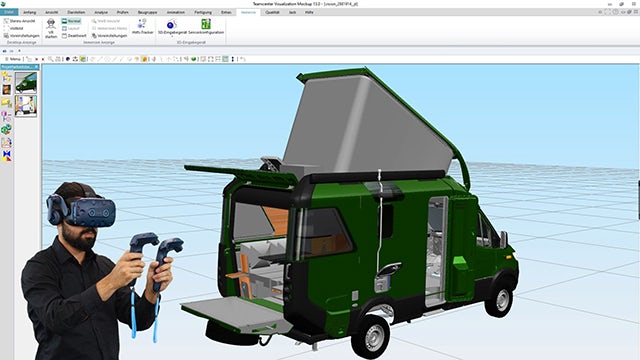
Hymer uses Teamcenter® software to build prototypes of their vehicles in virtual reality (VR). Teamcenter visualization concept capabilities are provided as an add-on to the Teamcenter lifecycle visualization suite. The caravan experts import the digital twin created using Solid Edge and build digital mockups of the entire vehicle or a part of it to detect and resolve issues.
Ergonomic design verification is vital and using VR gear is an easy way to reveal if the solutions designed are practical. “By using the digital mockup capabilities of Teamcenter visualization, we can identify and resolve issues before they become costly problems,” says Heinrichsen. “Virtual prototyping helped us reduce physical mockups and prototypes by 80 percent.”
Teamcenter VR uses the JT™ file format in viewing and analyzing 3D designs. Importing design data from Solid Edge does not require any data preparation or conversion because the geometry information is received in the JT data format.
Hymer engineers generally use the JT data format for all exchange of geometry data between different software products. For many purposes, most of the information carried in native CAD data is not required. In most cases, geometry information is all that is needed and historical data would merely be a ballast. “We do not need three days for data translation and cleansing anymore,” explains Ziegler. “Using the JT data format, we can import and consolidate geometry data in minutes versus days, even if they originate from different software systems.” This is frequently needed when bringing together Hymer’s mechanical and wire harness designs created using different software products in one model using Teamcenter Visualization.
Additionally, using JT for model data exchange does not require users to be equipped with CAD software to view 3D designs using the free JT2Go viewer. This eases collaboration with suppliers and external partners based on rich design data.
Hymer engineers use Rapid Author for Teamcenter to create electronic instructions for assembly lines.
One digital twin, many uses
Hymer engineers use Rapid Author for Teamcenter to create all documentation. They benefit from its work instruction component to create electronic instructions for assembly lines.
“Workers were enthusiastic about the dynamic assembly instructions using 3D models,” says Ziegler. “They particularly liked the ability to turn models to better see things often hidden in drawings.”
This also helped accelerate onboarding and training new employees in production. In engineering, Siemens’ solution partner ISAP AG supports Hymer with software training. For marketing and sales, Hymer engineers create life-like and often animated renderings. These are also based on 3D model data from Solid Edge in the JT data format.
These effects are even stronger if there is only one digital twin, even if a product comes in numerous variations, as Hymer caravans and motorhomes usually do. “Everything we create starts out as a 150 percent model that must be reduced to a 100 percent model to fit individual requirements,” says Heinrichsen. Hymer engineers have recently started enriching their models with product and manufacturing information (PMI). “Using PMI has turned deriving individual variants into configuration,” Ziegler confirms. “It has reduced the time required by 65 percent.”
Using the digital twin created in Solid Edge as the single source of truth for all these purposes enables all data to be bot ubiquitous and associative. This allowed Hymer to eliminate distributed information silos and some notorious sources of error associated with this data separation. Additionally, after modifications, everyone involved can immediately resume work on the basis of valid, up-to-date information.
Hymer engineers create life-like and often animated renderings for sales and marketing based on 3D model data from Solid Edge.
Users that are not equipped with CAD software can view 3D designs by using the free JT2Go viewer. This eases collaboration with suppliers and external partners based on rich design data.
Hymer reduced physical mockups and prototypes by 80 percent by using the digital mockup capabilities of Teamcenter Visualization for design verification.
Virtual prototyping helped us reduce physical mockups and prototypes by 80 percent.
Product: Teamcenter Industry: Automotive and Transportation
Overcoming an inefficient system
Based in Liuzhou, China, Dongfeng Liuzhou Motor Co., Ltd. (Dongfeng Liuzhou) is one of Dongfeng Motor Group’s production bases, producing a wide range of commercial vehicles, including tractors, dump trucks, electric logistics vehicles and passenger cars as well as sport utility vehicles (SUVs), sedans and electric vehicles. Dongfeng Liuzhou is also the primary research and development (R&D) center for the group. The company caters to domestic and overseas markets, including the Americas, the Middle East and Africa. Founded in 1954, Dongfeng Liuzhou has more than 5,700 employees.
The company’s existing digital models could only be used to produce 2D computer-aided design (CAD) drawings and were not systematically managed. The Dongfeng Liuzhou design departments needed to collaborate more closely due to the increase in the types of designs required, such as hybrid and electric vehicle technology, but this was not possible with their existing software.
More advanced vehicle models, which required increasing amounts of data, soon exposed problems caused by ineffective data use and management, including the lack of full model configuration management and fully configured bills-of-material (BOM). This resulted in a growing number of single vehicle BOMs, creating a system that was time-consuming and costly.
To meet this challenge, Dongfeng Liuzhou implemented Teamcenter® software, which is part of the Siemens Xcelerator portfolio, the comprehensive and integrated portfolio of software, hardware and services. This helped enable Dongfeng Liuzhou to improve its R&D management and structural process management, resulting in significantly increased efficiency and accuracy.
Outdated data management creates long project cycles
Dongfeng Liuzhou’s production was plagued by inefficiencies and problems with model accuracy. The company’s existing data management tool could not meet their design needs; it was neither fast enough nor able to handle the depth of detail increasingly required for Dongfeng Liuzhou’s vehicle designs.
Dongfeng Liuzhou’s design teams were finding it impossible to use their existing tool design management (TDM) to collaborate in real time across disciplines and design processes. They found that collaboration was only possible on finished designs, a factor which significantly slowed the production process.
With each part of CAD and BOM data management being handled in separate processes, the design requirements had to be dealt with consecutively, which also affected accuracy as they passed from one team to another.
Although Dongfeng Liuzhou’s modeling engineers were able to manage digital models, they could only process partial inspections at any one time on their personal computers, which meant the team could not inspect the entire design as a single entity. Often, the entire vehicle model was too large for the company’s outdated software to handle. The modeling engineers were unable to inspect systems and subsystems simultaneously, resulting in a significant increase in project cycle length and cost issues that only came to light at the production stage.
As departments were not able to collaborate during the design process, colleagues had to rely on spreadsheets to share information and track progress, which increased the risk of human error while hindering attempts to make meaningful improvements to the management system.
Expert partner implements tailored solutions
Dongfeng Liuzhou approached Shanghai Real Information Technology Co., Ltd (Shanghai Real Information Technology) as they had a strong track record in vehicle R&D and product lifecycle management (PLM) for more than 15 years. Shanghai Real Information Technology suggested that Dongfeng Liuzhou use Teamcenter to facilitate the sharing of large amounts of data between departments.
Shanghai Real Information Technology is a Siemens Digital Industries Software Expert Partner in Simcenter® software testing solutions, which, like Teamcenter, is part of the Siemens Xcelerator portfolio, the comprehensive and integrated portfolio of software, hardware and services. Siemens recognizes partners that demonstrate expertise and competency in one of its solutions. These partners are validated by customers and Siemens for demonstrating their superior business and technical acumen.
Shanghai Real Information Technology used the Siemens value delivery methodology (VDM) implementation by standardizing the process. Together with Dongfeng Liuzhou, Shanghai Real Information Technology created a joint project team to transfer the system operation, maintenance and support capabilities during the implementation process and ensure that after the project went live, Dongfeng Liuzhou’s engineers could manage the system, its basic operation and maintenance on their own.
Working closely with Shanghai Real Information Technology, Dongfeng Liuzhou was able to build systems and basic database information. This included the master data of materials, 3D digital models, 2D drawings, BOMs, documents, change data, etc. The basic data was stored in Teamcenter as a structured library to achieve an effective data sharing and permission allocation, while also improving the design re-use rate.
Teamcenter enables real-time management of model data
Shanghai Real Information Technology reorganized Dongfeng Liuzhou’s product data structures to better manage their R&D data. There were two parts to this process: sorting historical product data and building fully configured BOMs.
Implementing Teamcenter enabled Dongfeng Liuzhou to better manage parts, 3D design collaboration, the drawing and document library, standard parts classification and fully configured BOMs as well as process, authority, organization and change management and office integration.
Shanghai Real Information Technology was able to standardize Dongfeng Liuzhou’s existing historical data by using Teamcenter for guided management and applications, as well as to conduct real-time management and verification of their existing R&D vehicle model data.
Accurate digital model data and precise product data structures now provide accurate, real-time data support across all production and manufacturing departments.
Shanghai Real Information Technology and Dongfeng Liuzhou divided the project implementation into system function construction and business application operation and maintenance. The function construction took nine months, and the operation and maintenance is ongoing.
Realizing impressive results with Teamcenter
Dongfeng Liuzhou uses Teamcenter for R&D management and structural process management across their commercial vehicle and passenger vehicle divisions.
Using Teamcenter enabled Dongfeng Liuzhou to cut the labor cost of modeling engineers by 30 percent, 50 percent of which was spent on model queries, and reduce the time spent on report outputs by 90 percent. At the same time, data accuracy increased by 95 percent.
“By using Teamcenter we have removed the existing data inconsistencies and helped us reduce product delivery delays,” said Chen Lai, project lead at Dongfeng Liuzhou.
By using digital prototypes, Dongfeng Liuzhou is able to detect design and manufacturing issues much earlier in these respective processes, which reduces the design and manufacturing rectification tasks, thereby shortening the product development project cycles.
“Using Teamcenter has enabled us to greatly shorten the vehicle development cycles and improve the product development quality,” says Luo Li, PLM division lead at Shanghai Real Information Technology.
As Shanghai Real Information Technology was able to customize the software to the customer’s needs it has built a commercial vehicle-based made-to-order (MTO) design mode based, on the business model of Dongfeng Liuzhou’s Commercial Vehicle Division. The partner also helped Dongfeng Liuzhou to build a fully configured vehicle BOM management system.
Further, Dongfeng Liuzhou also constructed a standard component library and diagram document knowledge base to improve the design re-use rate. It also enhanced sustainability/green initiatives by gradually decreasing offline processes and design data transfers, improving paperless office capabilities and achieving a sustainable environment for enterprise development.
“This project has enabled us to realize the digital R&D business management, laying a good foundation for our manufacturing digitalization in the future,” says Lai. “We have benchmarked with digitally advanced automotive companies in China and achieved rapid implementations, shortening the gap with the industrial benchmark and developing our R&D business.”