
Water pump manufacturer uses MOM software to embrace digitalization

Product: Opcenter
Industry: Water pumps
Enhancing water movement and management technologies
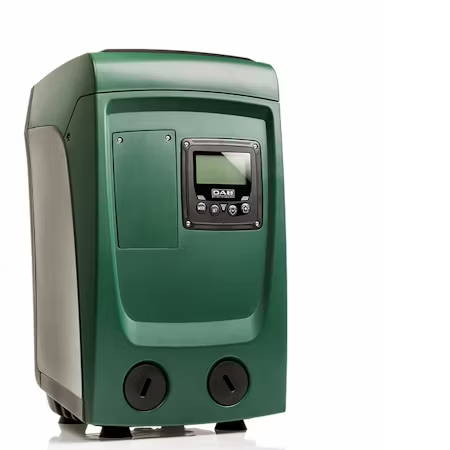
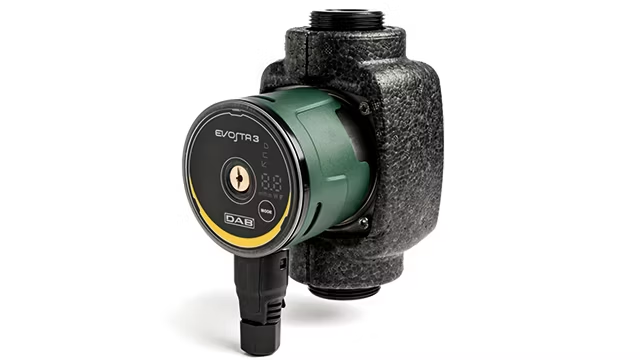
Founded in 1975, DAB Pumps S.p.A. (DAB Pumps) is a multinational organization with seven production sites, 12 sales branches and a total workforce of more than 1,500 that specializes in water movement and management technologies. The distinguishing features of DAB Pumps technologies are reliability, quality and efficiency. The aim is to identify simpler installation, and use and maintain solutions for domestic, residential, civil and commercial applications as well as agricultural irrigation systems.

Siemens facilitates digital transformation
DAB Pumps refers to their digital transformation strategy as the DAB Digital Evolution (DDE). The DDE supports a new digital strategy that links DAB Pumps’ values to new digital opportunities.

“We are working to build an open-minded digital culture, developing innovative and engaging projects and designing solutions in which technology works for people,” says Sandro Stramare, group chief executive officer (CEO) of DAB Pumps.

According to Paolo Menon, group chief operation officer (COO) of DAB Pumps, “Our factory of the future represents an important step to close the loop between our customers and factories. It’s a way to interconnect all the elements that create value and is an effective end-to-end process that supports a new set of services and connected products to transform the customer experience.”
Looking to facilitate a successful digital transformation, DAB Pumps benchmarked multiple software solutions by using a digital sourcing evaluation to find the best fit for their company. After an exhaustive search, DAB Pumps decided the Siemens Digital Industries Software Manufacturing Operations Management (MOM) portfolio of solutions best suited their needs.

“We scanned many solutions in the market and we came to Siemens because we think the most important dimension is the willingness to become a partner and not simply a supplier,” says Enrico Pana, group logistic manager and digital manager for operations, DAB Pumps. “Siemens is meeting our expectations in terms of integration with third-party systems, discrete manufacturing features and standard solutions.”

DAB Pumps manufactures what the customer wants, and in order to have the best time-to-market and connected products in the market, they adhere to the lean production method of minimizing waste without sacrificing productivity.

The Siemens solution, Opcenter Execution Discrete, helped change the manufacturing process for DAB Pumps. It allows them to track every step of their product process, serialize each water pump and introduce better control/visibility of management over production process and paperless manufacturing.

Additionally, DAB Pumps employs Siemens’ Opcenter Intelligence and Opcenter AS to make their processes more efficient through effective resource utilization.

Opcenter Intelligence is used to precisely map DAB Pumps’ production process by providing a centralized system integrated with business functions to eliminate paper usage while improving visibility and control over production process/data. Using Opcenter AS allows DAB Pumps to more efficiently manage their production plan in order to support their clients’ changing needs.

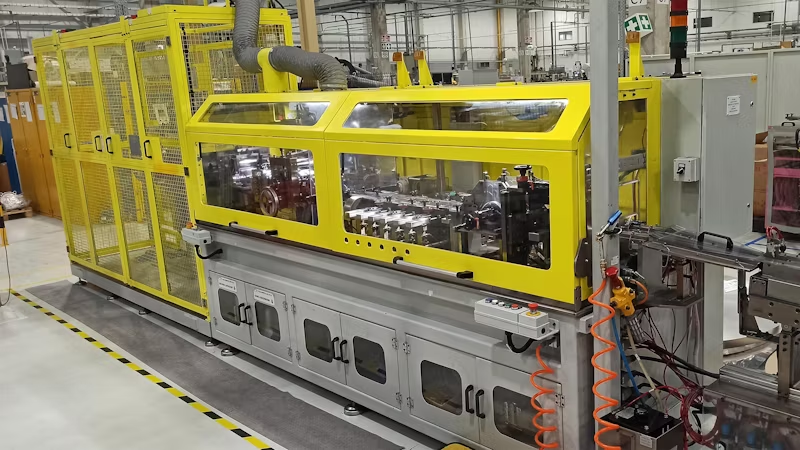
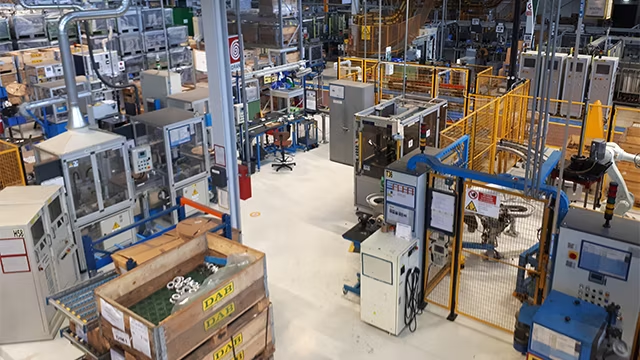
The Mestrino plant, (Dab Pumps Headquarter).
Business and technical challenges
DAB Pumps faced major business challenges in managing production and satisfying their clients’ fluid requirements. The company identified two reasons for these challenges: First, there were difficulties sharing information within the company, which led to a siloed approach, and second, there was limited visibility within the company into production activities.

The technical challenges DAB Pumps faced were mainly due to lots of manual activities, significant use of paper and very limited availability of digitally shared data related to critical activities and performed by operators with extensive experience and skills (work instructions, test results, nonconformities). DAB Pumps was facing issues like using spreadsheet software for manual scheduling and work-in-process (WIP) management software, and manual inventory and collecting quality data by hand or that was left on automatic stations.
Benefits of Siemens’ solutions
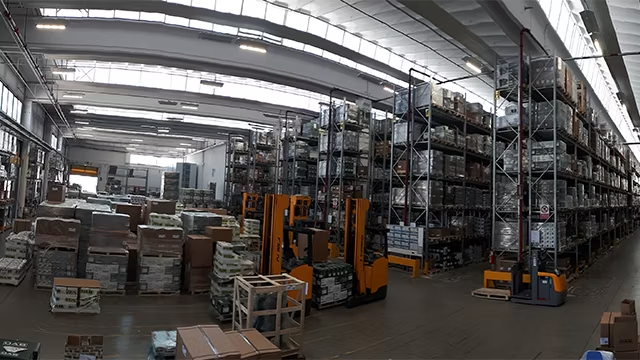
By introducing a manufacturing execution system (MES)/MOM solution based on Opcenter Execution Discrete and Opcenter AS, the problem of siloed data was largely eliminated. That’s because there was now a bi-directional level of communication between the enterprise resource planning (ERP), product lifecycle management (PLM) business systems and the shop floor, allowing for greater and immediate control of the business on the production floor. Also, using Opcenter Execution Discrete enabled off-the-shelf support for WIP, tracking and inventory control. Further, it improved operator activities due to electronic work instructions (EWI) features and manual and automatic quality control while also facilitating creation of a centralized quality data archive. Opcenter AS is integrated with Opcenter Execution Discrete to create a proactive scheduling approach, which provided DAB Pumps with more accurate delivery dates, supply demand synchronization and effective resource utilization.

Using Opcenter AS production scheduling improves the synchronization of DAB Pumps’ manufacturing processes, providing greater visibility and control. This enables DAB Pumps to increase resource utilization and on-time delivery while reducing inventory levels and waste.

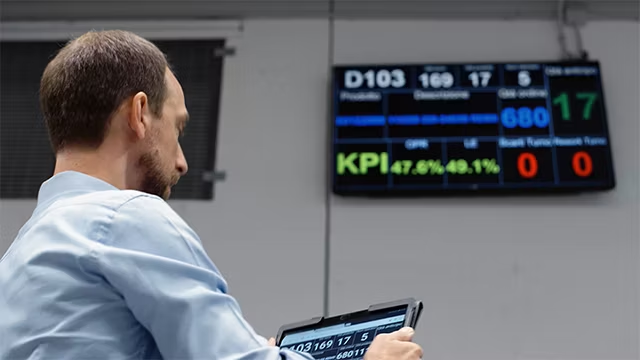
Opcenter Intelligence is used by DAB Pumps at the plant level to improve collaboration and data exchange between the plant floor and enterprise systems. As data from different sources are combined, they can be put into a new context or aggregated to provide team leaders with a different and more complete perspective of operations regardless of where the data originated.
Optimizing the entire value chain through digitalization
“Digitalization was not a matter of choice for DAB Pumps,” says Stramare. “We are adapting to what is happening at a world-wide level. DAB Pumps embraced digitalization mainly to create value within our company. We believe that digitalizing our company increases the creation of value in all company areas, and we believe that digitalization is not only an epochal change at a worldwide economic level, but it helps companies increase efficiency, and enhances and creates value in the production and sales processes. This is the main reason why DAB Pumps strongly believes in digitalization and is pushing the digitalization of its processes.”
+25 to 35% intralogistics improvement: Eye-opening simulation and analysis of manual vs. automated intralogistics and ASRS integration through Plant Simulation

Product: Tecnomatix
Industry: Autoinjectors

Exploring automation in autoinjector manufacturing: A comparative analysis for medical device production

SHL Medical; Lu Yi-Chi and Luigi Fumagalli

Medical device manufacturing processes have undergone significant transformations, particularly in the realm of automation. At the 2024 Plant Simulation User Conference, we delve into a comparative analysis of manual versus automated intralogistics and automated storage and retrieval system (ASRS) integration through Plant Simulation, shedding light on the transformative journey within autoinjector manufacturing.

Brief introduction to SHL Medical

Medical device production building; SHL Medical
Medical device production building; SHL-Medical

Founded with a noble ambition to improve the lives of patients reliant on self-injection solutions, SHL Medical pioneers advancements that foster patient independence and elevate their healthcare experience. Through partnerships with leading pharmaceutical and biotech companies, we deliver high-quality products and reliable platforms, empowering millions of patients annually and catalyzing positive change within the medical device and healthcare ecosystem.

What we do

At SHL Medical, we specialize in the design, development, and manufacturing of self-injection solutions, offering a comprehensive suite of services from design to build and contract manufacturing. Our portfolio includes autoinjectors, pen injectors, and innovative specialty delivery systems tailored for large-volume and high-viscosity formulations.

Background and objective

The transition from manual processes to automation in medical device autoinjector manufacturing presents a paradigm shift with profound operational implications. Our study, utilizing Tecnomatix Plant Simulation, aims to showcase the enhancements in production efficiency, inventory control, and overall process integration achieved through automation in medical device manufacturing. With a focus on optimized operational strategy, our objective is to provide a comparative analysis and actionable insights into integrating automation to enhance operational performance across key areas in medical device production.

Medical device manufacturing of self-injection solutions

Addressing complexity challenges with Plant Simulation

Navigating the complexities of automation implementation necessitates overcoming several challenges. From data dependency and supplier collaboration to integration trials, each hurdle poses unique obstacles. However, Tecnomatix Plant Simulation emerges as a potent solution, enabling data adaptation, guiding suppliers with precise requirements, and minimizing costly trial-and-error processes.

Simulation model development

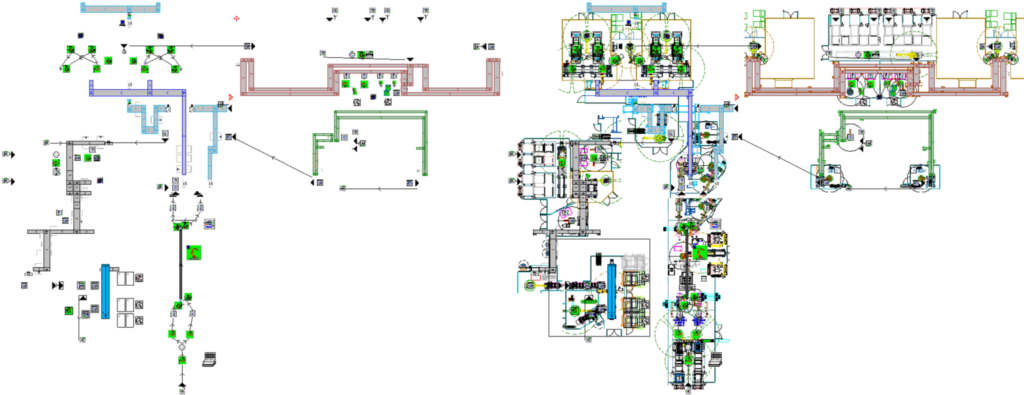
Central to our analysis is the development of a robust simulation model that encapsulates production data, layout design, operation flow, and intralogistics strategy. By meticulously crafting a virtual representation of manufacturing operations, we gain invaluable insights into the dynamics of manual and automated production stages.

Analysis of results

Our analysis delves into two key aspects: operation evaluation and performance comparison. By meticulously evaluating requirements, testing solutions, and implementing optimization adjustments, we unveil the tangible benefits of automation. From significant headcount savings to enhanced operation efficiency and intralogistics improvements, the data underscores the transformative impact of automation in autoinjector manufacturing.

Medical device labeling of self-injection solutions

Analysis of results: Performance comparison

This segment delves into a comparative analysis between the manual and automated production stages, emphasizing the transformative changes achieved through automation and subsequent optimization adjustments. Utilizing plant simulation software as a powerful tool, the data presented below holds significance for the transition to automated systems, aiding in strategic decision-making and investment.

Benefits

  • -60% headcount saving: Automation drastically reduces the need for manual handling and supervision, resulting in a substantial decrease in labor costs.
  • 15 to -25% inventory level decrease: Automated systems facilitate more precise inventory control, leading to a notable reduction in excess stock and storage space requirements.
  • +25% operation efficiency: Enhanced automation fosters swift material movements and efficient management, thereby enhancing overall stability and throughput.
  • +25 to 35% intralogistics improvement: Optimized automated workflows streamline material handling processes, mitigating delays and boosting productivity. Furthermore, the automated storage and retrieval system (ASRS) effectively utilizes limited space, maximizing storage efficiency.

Conclusion

As we navigate the ever-evolving landscape of medical technology, automation emerges as a catalyst for innovation and efficiency. Through meticulous analysis and strategic insights, SHL Medical continues to spearhead transformative initiatives that redefine the boundaries of possibility within autoinjector manufacturing. Join us in shaping the future of healthcare delivery, one innovation at a time.

Innovation by nature thanks to IT/OT convergence

Product: Opcenter
Industry: Agriculture

Reshaping the potato starch industry

As a leading global player in the potato starch market, Royal Avebe has been reshaping the industry for over a century. Avebe was founded by local farmers in the Netherlands back in 1919. Since then, the small group of farmers has grown to more than 2000 members in the Netherlands and Germany.

Today, Avebe produces potato starch and potato protein, used in food and industrial applications. To get the most out of the potato, they are always looking for innovative solutions and products. Like any other company operating in a dynamic marketplace, Avebe faces its fair share of challenges, including keeping up with changing customer needs and market trends.

As consumer preferences shift towards healthier, natural, and clean-label products, Avebe continuously works to stay ahead of the curve. By investing in research and development, Avebe strives to create starch-based solutions that not only cater to evolving dietary requirements but also enhance the quality and taste of food products.

Avebe’s digitalization journey with Siemens and ATS Global

In their relentless pursuit of innovation and sustainability, Avebe recognized the need to embrace digital transformation to address the challenges in their industry. To achieve this, they teamed up with Siemens, a global technology leader, and ATS Global, a trusted solution partner specializing in IT and OT integration.

Through this strategic collaboration, Avebe embarked on a digitalization journey that revolutionized their production processes. By leveraging Siemens’ cutting-edge IT/OT integrated solutions, Avebe could, on one hand, reduce the workload for the operators, and on the other gained unprecedented insights into their operations, enabling them to optimize efficiency, increase productivity, and ensure consistent quality throughout their production lines.

The implementation of Siemens’ advanced technologies, such as Industrial Internet of Things (IIoT) platforms and data analytics tools, empowered Avebe to capture real-time data from their production facilities. With this data, Avebe can monitor key performance indicators, identify bottlenecks, and make data-driven decisions to drive continuous improvement.

ATS Global played a pivotal role in integrating Avebe’s IT and OT systems seamlessly. They delivered an MES/MOM system that included integration into ERP and shop floor.

The benefit of having one partner both on the IT and the OT is that they can see solutions for problems you don’t have yetJan Hessel Veurink, Manufacturing IT Engineer at Avebe

“We are utilizing our knowledge with our customers because we realized a long time ago that the IT and OT is so complex that it’s very difficult for the customers to follow. If you have to discuss this with single points, it gets very complicated very quickly”, says Rob Valent, Global Partner Manager at ATS Global “and our customers want a partner to help them basically reducing the complexity and not add complexity.”

By embracing digitalization, Avebe is able to tackle the growing demand for sustainable solutions head-on. Through optimized production processes and precise control over resources, Avebe significantly reduced waste, minimized environmental impact, and paved the way for a more sustainable future.

“The benefit of working with a company like Siemens is that it offers such a broad portfolio of IT / OT solutions, that we can select the solutions that best suit the customer needs.” says Rob

Oil and gas: Raising industry safety standards with simulation

Product: Simcenter
Industry: Oil company

How does simulation support the oil and gas industry safety standards and procedures?

Discover some innovative safety initiatives supported by advanced engineering simulation and the digital twin.


Is an offshore oil rig a dangerous workplace? Sure, it is. Exposed to the elements, handling complex, heavy machinery, dealing with flammable hydrocarbons: workers on the platform cannot take their tasks lightly.

The setting of an oil rig and the one of refineries, transportation sites are all accident-prone environments.

Falls, spills, crashes, burns… How can industry players bring the number of safety incidents down to zero?

In this article, we share some facts about the status of safety in the oil and gas industry and explore some initiatives that can help bring the numbers further down.

Status of health and safety in the industry – better than expected

Fires on an offshore oil platform

We’ve all seen images of tragic accidents. Oil wells on fire, rigs wrecking into the sea. Scenarios for an amazing Hollywood blockbuster movie. But not the reality that we want to face.  Accidents belong to the history books or should only live in the imagination of fiction writers. And oil and gas companies must aim for a zero-incident report.

Luckily, the outlook is better than we feared. Let us look at the numbers.

According to UK Oil & Gas’ annual 2019 report, between 1996 and 2007, there were 21 fatalities in the UK oil sector. Between 2007 and 2018, however, there were only five. Additionally, according to the International Association of Oil & Gas Producers’ 2019 safety report, industry fatalities worldwide had dropped from 30 in 2017 to 27 in 2018. (source: OHS online)

Looking at the chart below, we see an overall positive trend in the US, particularly a reduction in non-fatal incidents.

Infographic - safety in the oil and gas industry

The three objectives of oil and gas industry safety standards and procedures

Why should companies operating in the oil and industry care about safety?

Safety is crucial for three main reasons:

  1. Firstly, safety measures help protect the workers. As we already pointed out, workers evolve in a hazardous environment. Safety measures help preserve their lives and minimize the risks of non-fatal incidents. Equally, companies should not ignore the possible indirect consequences of a difficult working environment, such as cardio-vascular diseases resulting from excessive stress.
  2. Secondly, they help protect the assets. The oil and gas industry is a capital-intensive industry. One way of avoiding eroding profit is to safeguard existing assets and even extend their operational lifetime. Ensuring that equipment operates safely both in normal and extreme operating conditions throughout its planned or extended lifetime is critical.
  3. Last, they help protect the environment. More than ever, a company’s good governance policy should address ecological concerns. Spills, for example, are not uncommon. Appropriate measures help prevent fires, falls, or gas emanation that is health-threatening for workers and damaging to the environment. And if such a damaging event occurs, the right actions will help contain the damage.

So, what is the key to a zero-incident goal? Safety measures, accident prevention and innovative technologies are all elements of success.

The role of safety standards and procedures in the oil and gas industry

Lower incident reports result from experience, learning from errors, setting up safety councils and exploring preventive measures.  For example, the American Institute of Petroleum actively contributed to improved safety by setting up standards applied across the industry. In fact, many safety and prevention measures apply to the oil and gas industry.

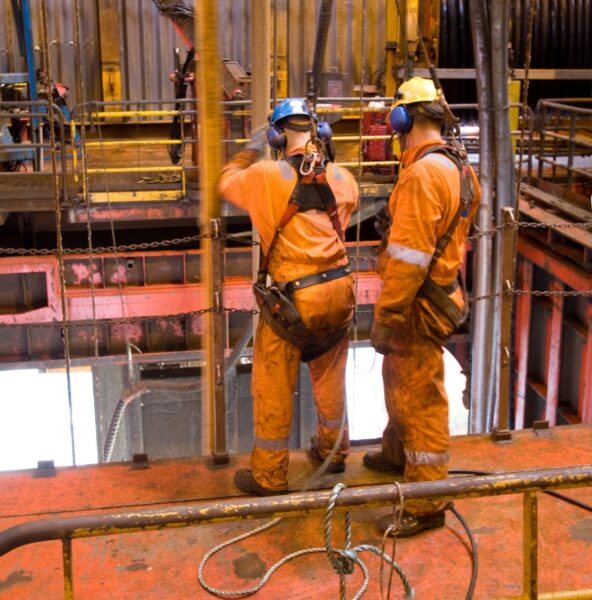
Two oil and gas industry workers wearing safety equipment

Some concrete measures include:

  • A clean, tidy work environment
  • A clear signage
  • Appropriate worker protection equipment (hard hats, gloves, etc.)
  • Well-maintained machinery and equipment
  • The proper use of safety-enhancing technologies

On this last point, safety-enhancing technologies are of varied nature. They include:

  • The use of drones or robots to minimize human exposure to hazards caused by the elements or operating mechanical equipment
  • Automation techniques that remove the need for workers to perform tedious and repetitive tasks
  • Simulation technologies to predict and prevent damaging events
  • The use of a digital twin for predictive maintenance

Other intangible safety measures include:

  • Regular and appropriate training
  • Clear and adequate procedures
  • Regular revision of the procedures to adjust to the reality of the work environment
  • Attention to the worker’s physical but also mental health
  • Efforts to build up a company-wide safety culture

Building up a safety culture is essential for modern oil and gas companies (on this topic, read the McKinsey article: Transforming safety culture: Insights from the trenches at a leading oil and gas company).

But safety measures do not always have a positive connotation. Companies also perceive them as a source of concern, either because they are difficult to implement, too constraining, or not yielding the expected results.

At Simcenter, we believe that simulation and the digital twin form part of the solution. In fact, these technologies effectively support companies to implement adequate safety procedures and execute preventive and corrective actions.

How can simulation and the digital twin help?

Simulation and digital twin technologies were mentioned earlier in this article as being safety-enhancing technologies. Herewith, we develop a bit more and explain why these technologies can prove really effective in improving safety in the oil and gas industry.

Ensuring process safety

Process safety is critical to all oil and gas production and processing facilities. Using digital twins, it is possible to simulate safety-related events. Then, the results and accompanying data can be used to design and operate assets with maximum insight to minimize process safety risks.

Therefore, Simcenter offers a range of solutions to simulate the unique behavior of systems and processes.

Those solutions provide opportunities to:

  • Create digital twins to visualize and understand real-world behaviors
  • Assess the impact of layout on safety-related events and consequences
  • Simulate real-world behaviors involving flow, heat transfer, structural response and control systems
  • Model planned and predicted unplanned events, such as gas releases and dispersion
  • Manage interactions between the facility and the environment
  • Apply design space exploration to identify new methods of increasing process safety
  • Manage all of simulation and analysis data in one place

Learn more about Simcenter solutions for the oil and gas industry.

Offshore oil platform with its wireframe representation symbolizing the digital twin

Minimizing risks by predicting events

When incidents occur, simulation can help minimize the associated risks. Examples and case studies illustrate our point better.

Control well blowout events

Wild Well Control is the world’s leading provider of onshore and offshore well control emergency response, pressure control, relief well planning, engineering, and training services.  The company relies on modern simulation techniques as an effective way to inform well control decisions, response operations, prevent further incidents and minimize risk. The applications include:

  • well control engineering (such as blow out rate, kick tolerance and dynamic kill simulation)
  • subsea plume and gas dispersion modeling to understand where hydrocarbons go in the event of a blowout
  • radiant heat modeling of a fire
  • erosion modeling
  • thermal and structural analysis.

Watch the webinar Modern well control equipment: Metal hard hat, Fireproof coveralls, and… CFD! to learn more.

Ensure LNG plant safety

Atkins Engineering and Consulting uses digital twin models to explore new designs. With these models, the company helps reduce cryogenic fluid propagation and structure fracture risks. The models are also used to validate the efficiency of the fluid collection strategy.

Profiting from interconnected, automatic data collection and detailed workflow documentation during PCB manufacturing

Product: Opcenter
Industry: Medical

When we do have to make a tricky decision because of a supply chain issue or other unexpected event, using Opcenter lets us simulate and compare different scenarios.

Florian Funke, Production Scheduler
Siemens Healthineers

Exacting medical equipment industry demands

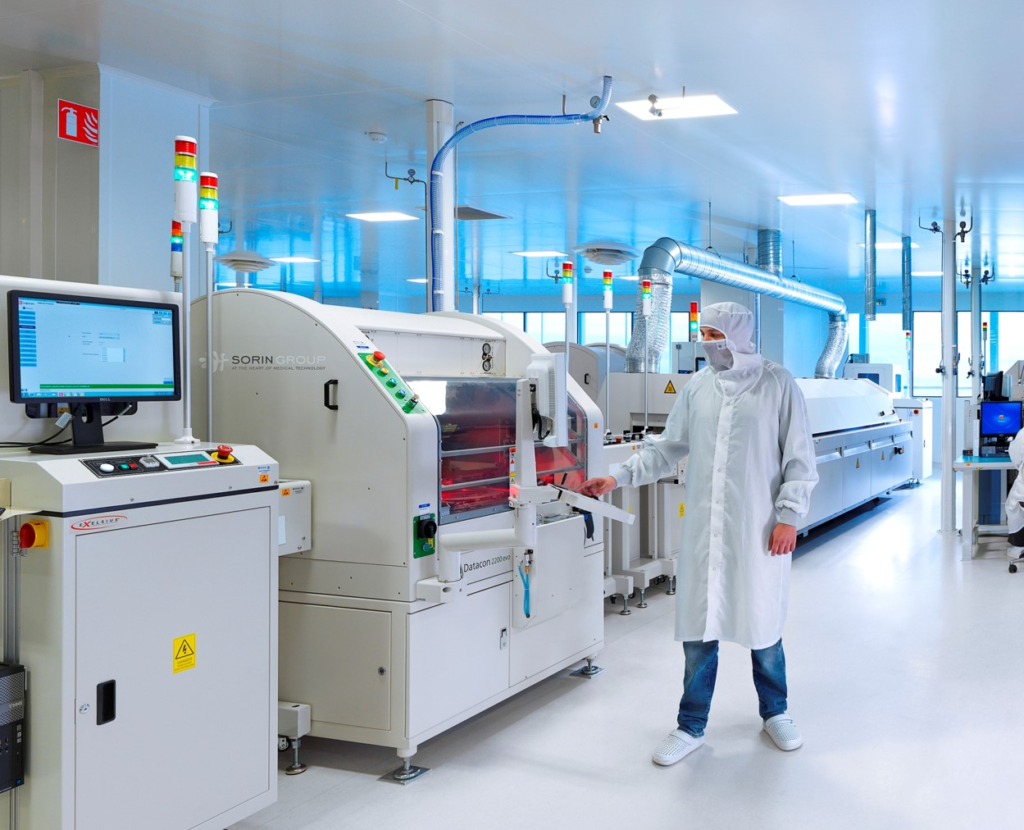
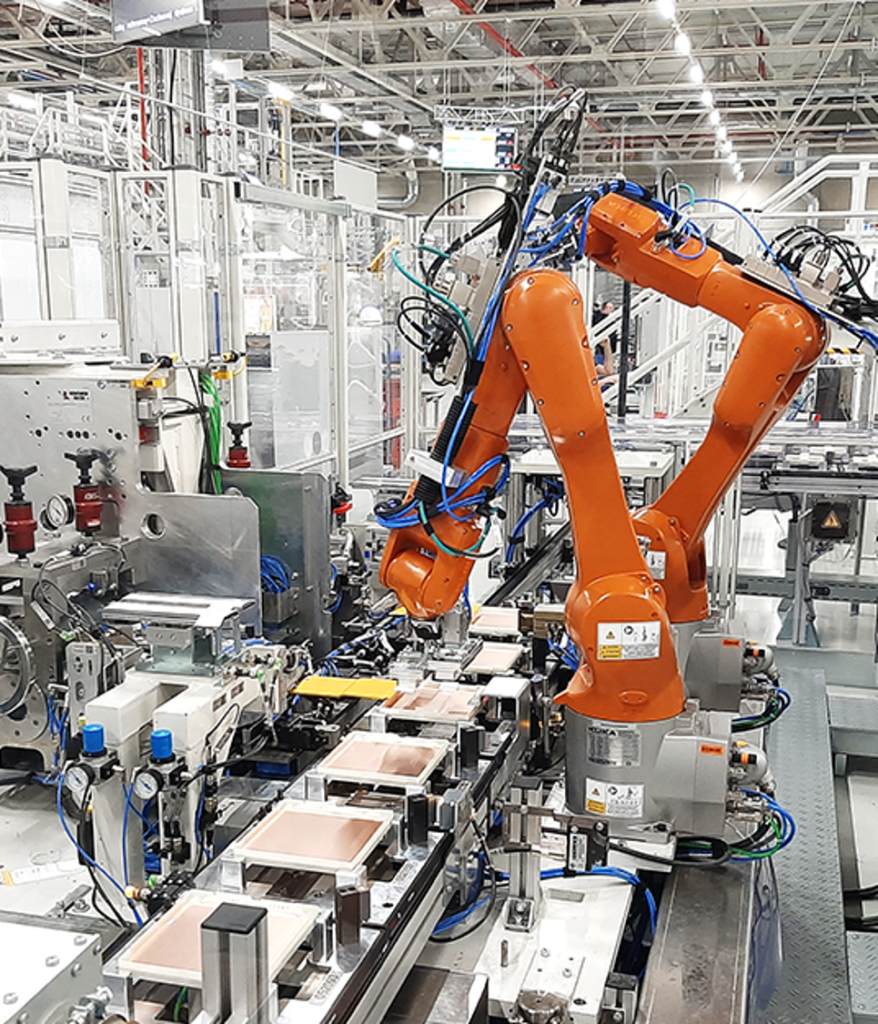
Manufacturing printed circuit boards (PCBs) requires precision, perfect duplication, high speeds, expert raw and rare material management and flexibility. This includes using robots and specialized, high tech equipment to work holistically on dedicated batches in changeable production lines. The entire process demands exacting accuracy, experts and fine-tuned processes without forgetting about sourcing and delivering those expensive raw materials and high tech components.

Now apply this to the highly regulated and exacting medical equipment industry. If you think there is a lot of complexity in the PCBs that run your smart phone or laptop, just imagine the scrutiny required for medical PCBs running a computed tomography (CT) scanner, ultrasound machine, photon scanner or magnetic resonance imaging (MRI) machine.

To ensure safe and reliable patient care, onboard medical PCBs must meet a plethora of strict standards and regulations, including Food and Drug Administration (FDA) and European Conformity (CE) approval. In addition to lists of health and safety factors (thermal management restraints and electromagnetic interference (EMI) issues), regulations also include standards for how a manufacturer designs and builds the medical PCB itself.

“We produce thousands of medical PCBs and components for all types of Siemens Healthineers equipment,” says Jochen Raaber, production scheduler at Siemens Healthineers, which is headquartered in Erlangen, Germany. “Every PCB needs to meet exacting quality standards. As PCB production planners, our job is to make sure that we have the right materials at the right location on time. These are the challenges we have nowadays.”

To overcome these challenges, the PCB production planners at Siemens Healthineers leveraged Opcenter™ Scheduling Surface Mount Technology (SMT) software, which is part of the Siemens Xcelerator business platform of software, hardware and services.

null

Turning complexity into a competitive advantage

The planning team at Siemens Healthineers needs to handle various products and customer requirements with varying degrees of PCB complexity according to the final medical equipment specifications. With a continually changing scheduling environment, just-in-time (JIT) delivery, production delivery deadlines and raw material and component shortages, it is crucial to create an advantage from changes in complex processes.

“We found that to succeed, we needed to be more process-based than product-based,” explains Florian Funke, production scheduler at Siemens Healthineers. “It is one of the key reasons we turned to the Opcenter team and its dedicated solution for SMT scheduling and planning.”

A core part of medical PCB manufacturing is SMT, which is an assembly technique where components are attached and connected to the PCB’s surface using batch soldering processes. The connections between the planner and the shop floor need to work well to achieve this outcome.

Previously, the planning team used a highly customized spreadsheet for assembly to shop floor planning. As experts, they found they could make the right calls based on experience. However, they knew they could improve by leveraging a better tool. One tool they tested using was the Opcenter Scheduling SMT software.

“What we liked about using Opcenter Scheduling SMT is that it covers all our job’s basics, like the production schedules, the frequency, the real-time changes when it comes to new products or short runs and the documentation capabilities, which are important in the medical equipment industry,” says Funke. “But where we really saw value were improvements in our big picture work order workflow. Now this was very interesting for us.”

null

Integrating SAP and ASM

Siemens Healthineers used Opcenter Scheduling SMT to tailor new features for automatically pulling data from three important workflow sources. This includes: 1) machinery, line configurations and resource availability from the shop floor; 2) work orders, schedules and work hours from an enterprise resource planning (ERP) system (in this case, SAP) and 3) material availability and location from the supply chain systems.

The team recently completed an SAP integration to publish XML work order data directly for PCB manufacturing. Using Opcenter Scheduling SMT automatically picks up files and processes the work orders with minimal effort from the planning team. After this success, the team was curious to see how Opcenter could be leveraged to handle a new process work-flow for a new product.

“When it comes to introducing PCBs for new products, we don’t need to do much,” says Funke. “With Opcenter, you don’t need to hunt down data from other sources, which used to take hours or even days if something was lost or not interconnected. Using Opcenter Scheduling SMT, everything is interconnected. We just select similar products, parts and component data directly from our ASM software. Leveraging Opcenter automatically picks up all the required data from SAP and the ASM. It loads all the lists in about a minute. This is an extremely quick way to get the missing product data for a new product.”

“Because all our data is aggregated in a single place within our Opcenter process, we don’t waste time fetching it from various sources,” says Raaber. “The data we use now is purpose-built for us and in one single place, which is optimal for our scheduling team.”

null

Increasing flexibility

Planners at Siemens Healthineers were also happy to learn they could use Opcenter Scheduling SMT to automatically assign work orders to individual lines with its factory schedule optimizer, Multiline, including aligning the work orders by grouping and sequencing.

“Compared to other solutions, using Opcenter Scheduling SMT is far more flexible,” says Raaber. “You can customize it exactly as you need it for the most complex production scheduling.”

The team can even tailor optimization criteria to its exact SMT and production line needs. This covers vital scheduling criteria, like production time, group count, due dates, missing parts, etc.

“We work with fixed groups and setups,” says Funke. “The tool does a lot of the work for us. Using it puts everything automatically in the correct setup and quickly assigns everything to the correct line according to the work order or product. We just check it. There is very little manual retrieval these days. We can comfortably work with a team of two on a shift, whereas in the past we needed three people on the floor to get the job done right.”

null

Improving downtime

The goal is to optimize the overall production process because downtime can hinder the most organized teams. Siemens Healthineers planners hoped to use Opcenter to reduce downtime and optimize production batches. As the recent global chip shortage and supply chain issues demonstrated, the more they can analyze and compensate for unexpected events, like a shipment stuck in transit or a shortage of standard chips or copper, the easier it is for Siemens Healthineers to meet on-time delivery commitments within their production environments.

“When we do have to make a tricky decision because of a supply chain issue or other unexpected event, using Opcenter lets us simulate and compare different scenarios,” says Funke. “We can even input our expertise and preferences by adding weight to the various criteria. Then we just choose the options and schedule that work best for overall production.”null

“The software adapts to what is coming in the production process and leaves us with the flexibility to make the right informed choices,” says Raaber. “I think this is the key strength of leveraging Opcenter Scheduling SMT.”

The team at the Erlangen plant was up and running with ease after three days of installation support and hands-on training. They can use Opcenter Scheduling SMT to do the busy work, from importing orders from SAP and other sources to optimizing the SMT groupings for best-case changeover to flagging PCB production issues, including material availability. Additionally, leveraging the Opcenter Scheduling SMT what-if analysis capability is handy in a constantly changing world where Siemens Healthineers’ high tech production expectations require accurate, practical, on-the-fly scheduling expertise.nullnull

Leveraging digitalization to accelerate production lead time and secure the quality of traceability – The MicroPort case

Product: Opcenter
Industria: Medicine

High performance is critical

MicroPort CRM (Cardiac Rhythm Management) is a business unit of MicroPort Scientific Corporation that manufactures pacemakers, implantable defibrillators, pac­ing leads and Holter monitors for patients with cardiac rhythm disorders. MicroPort CRM’s solutions are Class III products, that means they are strictly regulated by regulatory authorities and must have the highest level of quality.

Moving beyond a paper-based system

Before the introduction of MES in 2014, traceability was fully manual and all the test systems recordings that were used to check the electronic features of the devices, the lot numbers and materials used for product manufacturing were managed and signed in a separate and parallel way by the operator.

It was a huge amount of work spent to perform paper-based traceability activity.

This was the impetus for imple­menting Opcenter™ software, a manufac­turing execution system (MES). It is part of the Xcelerator™ portfolio, the comprehen­sive and integrated portfolio of software and services from Siemens Digital Industries Software. And today many machines in the MicroPort CRM production facility receive information from Opcenter MES.

Opcenter enabled us to control production: to record all production-related data and search, retrieve and consume a massive amount of data but it also allows us to con­trol and avoid errors during the manufacturing flow,” – says Federico Carnovale, information technology (IT) Manager at MicroPort CRM.

Carnovale continued highlighting the importance of traceability – “If we don’t have full traceability into one product, we cannot sell that prod­uct so we need to scrap it. Today, with a system that drives the execu­tion of manufacturing, we can avoid this kind of issue and the related scrap

Opcenter pays off

One of the benefits that we had with this system was with the massive amount of data collected in a single digital repository, we added the possibility to do analytics reportingBefore Opcenter it was more difficult to create reports with live data coming directly from one factory” – says Carnovale.  

If you look at industrial plants, you can imagine that a big percentage of the timeline of the manufac­turing is spent signing, writing, losing, print­ing: removing all this means accelerating the production lead time and this is a bene­fit for digitalizing manufacturing” – says Fadi Fakhouri, IT Director at MicroPort CRM

We are often audited by certificate entities and recently received compliments from the notified body for our traceability system and stability strength. We can provide the auditors with information in real time, retrieve data as they want and are able to show the reliability of the data they want without delay.” – says Alessandro Starace, Manager, Data Management MicroPort CRM

Integrating Opcenter with other factory systems

Opcenter is integrated with the firm’s enter­prise resource planning (ERP) system and is interfaced directly with its testing and man­ufacturing machines and the automation systems, which interact in real time.

This integration is key because, for example, one machine that is needed to produce a part must get information on the manufac­turing instruction immediately in real time before executing the manufacturing. In turn, it needs to provide feedback to the system on the operation just carried out because the next operation might be a few seconds later. So it is necessary to have a way of communicating that is extremely fast.

Labeling is another key aspect in the medical device industry. The labeling of the product is done with a software that manages the labeling for all products in the MicroPort CRM system. In this case MES provides infor­mation that is consumed by the labeling software to produce labels.

Maximizing efficiency: Integrating layout planning into battery production

Product: Tecnomatix
Industry: Batteries

Battery production takes place in a dynamic landscape of manufacturing. Efficiency is the cornerstone of success. Nowhere is this more evident than in the realm of automotive battery production, where precision and optimization are paramount. At EBZ Group, a beacon of innovation in the transportation industry, Louisa Christin, a senior project manager in production planning, is leading the charge towards enhancing battery production through the integration of layout planning into material flow simulation.

Unlocking potential

Louisa Christin’s journey into the world of mechanical engineering at the University of Applied Science Ravensburg-Weingarten laid the foundation for her pioneering work at EBZ. Since joining the company in 2018, she is responsible for projects in production planning, focusing particularly on body-in-white and battery production facilities. Her expertise extends to material flow simulation, where she has been instrumental in implementing static and dynamic simulations using Siemens Tecnomatix Plant Simulation software.

The power of integration
In her lecture, Louisa will shed light on the synergies between layout planning and material flow simulation, emphasizing the advantages of their integration in the context of battery production. By combining these methodologies, companies can gain invaluable insights into their production processes, leading to enhanced efficiency, reduced costs and improved quality.

Navigating challenges
Drawing from real-world experiences, Louisa will present three compelling use cases from EBZ’s project business. Each case will provide a comprehensive overview of the project, highlighting the differences between battery production in material flow simulation with and without layout implementation. Attendees will gain a deep understanding of the evolution of battery production in material flow simulation and the challenges encountered along the way.

Realizing benefits
Louisa will delve into the heart of each use case, discussing the biggest challenges faced and the strategies employed to overcome them. Attendees can expect to learn about the tangible benefits that have resulted from integrating layout planning into material flow simulation, including increased throughput, optimized resource utilization and streamlined processes.

By seamlessly integrating layout planning with material flow simulation, automated battery production lines engineered by EBZ not only optimize efficiency but also propel us into a future where precision and innovation converge to power the automotive industry forward.”

Louisa Christin, production planning, EBZ Group

Romanian space startup OX Origin can count on Simcenter and other Siemens Xcelerator tools thanks to the Siemens Startup Program

Product: Simcenter
Industry: Space components

Scrolling through LinkedIn one evening, Ilie Ciobanu saw a post fly by for the Siemens Startup Program, part of the Siemens Xcelerator solution portfolio. He and his partner, Alex Bugnar had recently created their space startup, a design and simulation analysis consultancy, OX Origin, located in the heart of Transylvania in Cluj-Napoca, Romania. As experienced space experts and digital natives, OX Origin designs complex space systems and components that are high-tech one-offs, engineered to space environment performance standards.

“When we started own consultancy in 2019, we wanted to offer our space customers that same seamlessness between NX and Simcenter that a lot of space specialists count on, and also the ability to work with all the Siemens solvers and pre-post processors, like Simcenter Nastran and Simcenter Femap.” Co-founder Ilie Ciobanu, OX Origin adds, “I knew that Simcenter offered — by far — more and better connectivity between the design and analysis processes. It was much more integrated compared to other tools.”

Ilie Ciobanu had worked extensively with Simcenter and NX early in his career for Thales Alenia and as a digital native knew the power and excellence of the NX/Simcenter combo when it came to space design and qualification.

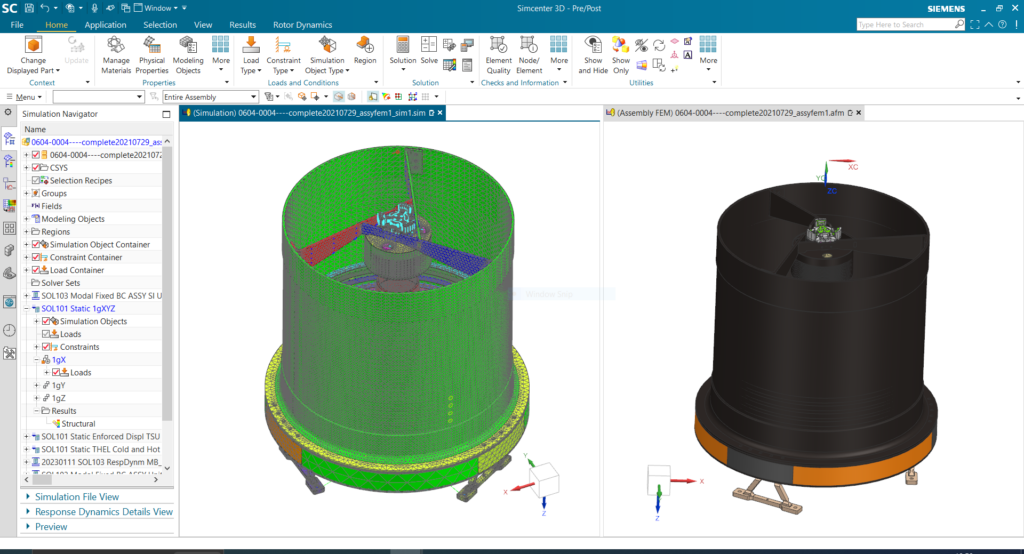
“Thanks to its accuracy and built-in simulation validation tools, you find Simcenter and NX all over the space landscape, whether you are working on the first preliminary design review of a complex electro-mechanical components for solar arrays or preparing for final qualification testing on an opto-mechanical system for an observation telescope,” explains Ciobanu. “So naturally, when we started, we invested in two licenses for Simcenter 3D, which were tailored according to our work requirements — typical space engineering projects in the mechanical and systems engineering field.”

“We wanted a couple of full licenses, and we were curious about integrating some of the other Siemens tools into our internal and customer processes, but as a startup, the budget was just out-of-reach at the time,” explains co-founder Alex Bugnar, OX Origin.

A startup program tailored to advanced engineering

You could imagine their enthusiasm when they discovered that Siemens offers several startup program options tailored to various product development needs – and budgets. One that caught Ilie’s eye was Siemens Xcelerator for Design that included NX for Design, an advanced engineering package of Simcenter simulation tools as well as Teamcenter software.

Ilie Ciobanu dropped an email saying he was interested in the Siemens Xcelerator startup programs and especially the digital tools that he knew were frequently found in the space industry including Simcenter simulation and testing solutions, NX and newer tools like Teamcenter Share (formerly Xcelerator Share).

A Siemens partner ready to help space startups

He shortly heard back from the Siemens Xcelerator Startup Program via a Siemens partner based in Bucharest, Romania, Digital Twin.

Together, they consolidated an affordable package of dedicated space solutions from NX, Simcenter and Teamcenter and adapted them to the OX Origin workflow.

“Digital Twin really helped us regarding the start-up program and software support. Simcenter is a very advanced tool and there are always new things coming up that the team at Digital Twin were happy to help with,” explains Ciobanu.

“From my time at Thales Alenia Space, I experienced the power of the Simcenter/NX combination and the excellent connectivity and integration between NX for the design aspect and Simcenter for more advanced analysis like finite element and system work. The baked-in, step-by-step workflow in the software is very intuitive, but we needed help getting up to speed on the new advances, like space thermal analysis, cost calculations and cloud-based collaboration tools.”

A quest for a better process

As the guys know at OX Origin, the space industry is an exacting place to engineer: everything, every step and every minute detail is scrutinized, double and triple-checked, verified and quality controlled. The rules do not bend. Everyone involved in the process follows strict and specific step-by-step development processes, which can be time-consuming.

Being a small company, OX Origin was surprised to discover that they could save significant time using Teamcenter as well. They had been under the impression that Teamcenter worked well at the bigger aerospace companies to trace data and processes, so they were happy to discover Teamcenter Share, a scalable, secure, cloud-based collaboration version.

“Teamcenter Share was a nice surprise. It is a good solution for the space industry because you can easily add external partners and sync files with extra security and data integrity; I had an excellent hands-on experience with that tool and we tried it out right away with our major customer projects,” says Ciobanu.

“As consultants, it is so difficult to find time. Anything that helps save us time, like Teamcenter Share, is highly valuable.” He adds, “Less admin-hassle in our process frees up engineering time for other customers and projects as well,” adds Bugnar.

Safe and secure in the cloud

OX Origin appreciated the fact that the Siemens Xcelerator platform is securely in the cloud. Not only did this make life easier for customer collaboration and vital security guarantees, it also made working internally a snap.

“We aren’t always in the same place or country and our subcontractors and customers are spread around Europe,” explains Bugnar. “With the Siemens tools, you can have two guys working on the project almost simultaneously from practically any location without affecting each other’s work or crossing wires. We can look at 2 problems or more at the same time,” concludes Bugnar, “It’s like a 2-for-1 engineering coupon for our customers. It not only saves 50% percent of our time, it also saves money.”

Using an automated management execution system to meet automotive requirements

Product: Opcenter
Industry: Automotive

A trusted partner for vehicle cooling

Vehicle cooling systems are indispensable since they not only improve an occupant’s comfort but maintain the vehicle’s correct internal temperature and protect key components. They extend the lifetime of engines and ensure proper performance, reducing harmful exhaust emissions. Therefore, the largest automotive companies want high-quality components, which means cooperating with partners who can guarantee their product’s quality.

ESTRA Automotive Systems (ESTRA) is a global leader in the automotive cooling system industry. It has been in business under its present name since 2019, but its history in the automotive industry dates to 1998. That is when it began to build its position, specializing in the design, validation and production of vehicle thermal components and systems. Today, its operations include offices and technology centers around the world, as well as 14 production plants, including one in Zabrze, Poland.

This is where the company manufactures vehicle powertrain cooling modules, including liquid-cooled condensers, heat exchangers, radiators and condensers. Due to its many years of experience and competencies in cooling systems, ESTRA provides solutions for internal combustion engines (ICEs), electric and hybrid vehicles. For these vehicle types, ESTRA provides solutions tailored to their unique characteristics and manufactures them with the utmost attention to detail.

Using Opcenter for global MES

The automotive sector requires companies to meet stringent constraints for product quality, process validation and certification. With the increasing sophistication of cars and their systems, manufacturers’ expectations regarding individual component quality from external partners are also changing. Due to these strict requirements and manufacturing processes, ESTRA sought out and implemented a manufacturing execution system (MES), which they integrated in their Asia-based markets. However, to integrate this system globally meant the current system would not be sufficient due to support and standardization challenges.

When building a new factory in Poland, ESTRA started looking for standardized global solutions that had full local support. They wanted a solution that would allow precise monitoring and control of production processes in real time to quickly detect and respond to any irregularities and unforeseen situations. With help from ASKOM, a certified Siemens Digital Industries Software manufacturing operations management (MOM) partner, the company decided to integrate Opcenter™ software, which is part of the Siemens Xcelerator business platform of software, hardware and services, into the Zabrze plant. Using Opcenter gave the company a full range of locally implemented services and technical support.

“We wanted to find a solution with a global footprint that had the necessary local technical support we required,” says Waldemar Wojtasz, the MES coordinator and change leader at ESTRA. “We were able to achieve our goals by cooperating with Siemens and ASKOM.”

When Opcenter was implemented, the plant employed solutions to match the condenser design for one of its key automotive original equipment manufacturers (OEMs). The next step was to use Opcenter Execution Discrete, a production execution system, to handle complex assembly operations. Using its base version with basic functionalities, ESTRA was able to gather data to create a personalized solution that allowed them to develop established products while evolving the system.

“Solution flexibility was critical to us,” says Wojtasz. “We wanted to deploy a solution that was tailored to us, our needs and the nature of production, as opposed to having to adapt to the technologies. This was undoubtedly a valuable benefit from cooperating with ASKOM and Siemens.”

Improving the quality of production

Leveraging Opcenter Execution Discrete, which uses a set of standard and company-specific functionalities, ESTRA workers can more efficiently handle production orders, carrying out production processes faster while maintaining high-quality standards. Since machines verify most components, which helps reduce errors, the company can ensure product quality and detect any shortcomings at an earlier stage. This allows the company to take measures to avoid and minimize situations where corrective action would be necessary.

Since the ESTRA plant’s label management and quality control are more automated and precise, the company can reduce the risk of defective products. Additionally, by using Opcenter Execution Discrete, the company was able to introduce full production process traceability. This is important in the automotive sector for tracking every component, from the moment the raw material enters production to the final product. ESTRA can then store the information for the next 30 years.

By using an MES, which acts as the factory’s nervous system and brain, the company can digitally manage huge amounts of information, reducing paperwork. “We liken the MES to a policing system that keeps things in order,” says Wojtasz. “Every radiator we produce has its own identity in the system, receiving a code on its core in the process to track and record its history. This is how ESTRA, and our customers, know exactly where the product has been and how it behaved during each production stage.”null

By integrating Opcenter Execution with SAP enterprise resource planning (ERP), ESTRA was able to provide a consistent flow of information between the business and production systems. This helped the company increase their operational efficiency and improve production order and material data management. By transferring data between the system and the production line in real time, they were able to create a planned cycle time, reducing production cycle time to less than 1 minute.

Additionally, by integrating Opcenter Execution with the Open Platform Communications Unified Architecture (OPC UA) standard into the automation systems from various vendors, ESTRA was able to further automate production processes. Since companies collect process data directly from the machines, the systems provide valuable production line performance information, optimizing and preventing downtime. The production team has access to various key performance indicators (KPIs) in real time and uses them to make quick decisions, ensuring the factory’s efficiency and competitiveness in the automotive sector.

Further, ESTRA created a more flexible production process and improved company transparency by integrating vertical information technology (IT) and operational technology (OT). For example, they were able to connect the shop floor to the top floor.

“Having this knowledge at our fingertips allows us to respond to problems of various degrees of severity,” says Wojtasz. “Using Opcenter, we can respond to trivial issues concerning the arrangement of product parts on the production line to more important issues like missing information that could result in corrective actions.”null

Moving towards further automation

The ESTRA factory in Zabrze is constantly evolving since the company is regularly bringing in new machines and production lines. ESTRA is implementing these improvements to meet specific customer needs and further automate the factory.

Next steps include implementing a preventive maintenance scheme to further reduce downtime. By using an MES system to organize data collected in real time from machines, the company can access information to define the scope of work for maintaining the line and machinery fleet.

Additionally, ESTRA aims to integrate Teamcenter® software, which is also part of Siemens Xcelerator, to achieve a closed-loop manufacturing process and a solution that includes product lifecycle management (PLM), ERP and MOM. This could provide ESTRA’s factory with further growth opportunities, enabling seamless information exchange and interaction in the physical and virtual worlds. Further, the company can take another step toward achieving operational excellence and reinforcing its position in the automotive sector.

null

As the automotive industry evolves, new opportunities are opening via technologies; however, this can cause production quality, validation and certification challenges. Manufacturers like ESTRA are leveraging the support of trusted partners, like Siemens and ASKOM, and available solutions in their quest for excellence and innovation. “Thanks to Opcenter, our customers can get better products while we save money by minimizing the number of corrective actions,” says Wojtasz. ESTRA provides a model for other companies, showing how to effectively meet rigorous industry standards and customer expectations while keeping

processes safe and efficient.

null

×