
Xtreme Manufacturing Boosts Quality and Efficiency with Creaform’s HandySCAN 3D MAX Series

Product: HandySCAN 3D MAX Series
Industry: Telescopic Handlers

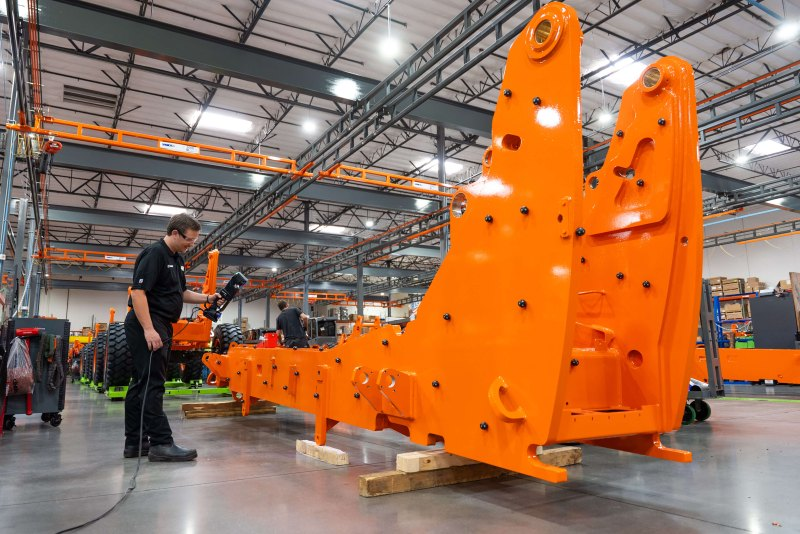
Xtreme Manufacturing offers the most extensive and complete line of high-capacity, heavy-duty telehandlers in North America. Known for robust performance and reliability in the most demanding environments, Xtreme places a strong emphasis on quality at every stage of production.

To uphold its commitment to quality when inspecting large welded structures, Xtreme Manufacturing needed a solution that could deliver fast, accurate, and versatile measurements. Among all requirements, speed proved critical to accelerate telehandler assembly. The chosen solution met these demands, combining efficiency, accuracy, and ease of use without compromise.

This article explores how Xtreme Manufacturing improved manufacturing quality and inspection efficiency by integrating the Creaform HandySCAN 3D | MAX Series into its workflow.
Inspection Challenges Impacting Assembly Efficiency

Before adopting Creaform’s 3D measurement technology, accurately inspecting large welded structures was a significant challenge for Xtreme Manufacturing. Manual inspection methods were not only slow but also allowed certain defects to go unnoticed, reaching the assembly line and causing delays and costly rework.

With multiple large welded structures requiring frequent inspections, the company needed a faster and more reliable measurement solution. Speed was a particular concern, as slow inspection processes jeopardized production flow and created bottlenecks.

The Need for Fast, Detailed Inspections on Large Welded Structures

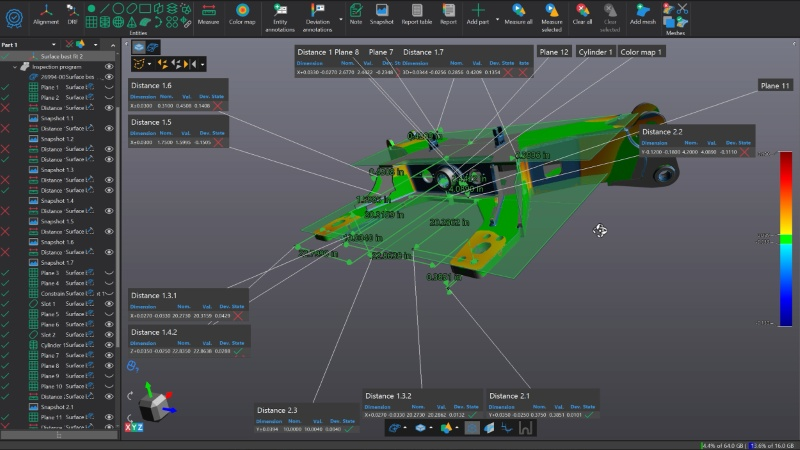
After evaluating several options, Xtreme Manufacturing chose the Creaform HandySCAN 3D | MAX Series for its ability to efficiently inspect multiple features on large welded structures and generate detailed inspection reports. One of the most valued functions was the ability to create an inspection file with all dimensions directly from the CAD model, ensuring a clear correlation between design intent and measurement results.

Integrating the portable HandySCAN 3D scanner into existing inspection workflows was straightforward, and the adoption process exceeded expectations. After just a few scans, the team quickly gained confidence in using both the Creaform portable scanner and the inspection module within the Creaform Metrology Suite, making implementation intuitive and seamless.
Solving Problems Before They Reach the Assembly Line

The adoption of Creaform’s 3D scanning technology quickly paid off. In one case, Xtreme Manufacturing detected an increase in welded stabilizer base structures that could not be installed on machines during assembly. To prevent further disruptions, they proactively removed 30 units from inventory and scanned each one to identify defects before they reached production.

This proactive approach allowed the team to isolate the issue in time and avoid repeated delays. Moving forward, they now have the ability to anticipate quality problems by quickly scanning inventory parts when needed, ensuring that “the pain is felt only once.” As Adam Truster, Manufacturing Engineer, explains:

“Implementing 3D scanning technology has significantly reduced production disruptions by quickly identifying quality defects before they escalate. This has optimized our process, ensuring smoother operations and maintaining high product standards.”
Adam Truster, Manufacturing Engineer at Xtreme Manufacturing

Xtreme and Creaform: A Partnership That Delivers Results

Xtreme Manufacturing’s experience with Creaform has been overwhelmingly positive, from technical support to the performance of the HandySCAN 3D solution. Encouraged by the results, they plan to expand the use of this technology to inspect additional components such as chassis, telescopic booms, and welded structures before they reach the assembly line.

With Creaform, Xtreme continues to raise the bar for innovation and product quality. After all, innovation should simplify processes, not complicate them. By integrating Creaform’s 3D scanner into their workflow, they have improved quality control without disrupting operations—proving that the right technology drives better engineering outcomes.
How Pierre Fabre Is Advancing Sustainable Water Management with Siemens Digital Twin Technology

Product: Tecnomatix
Industry: Pharmaceutical

Pierre Fabre, one of France’s leading pharmaceutical and dermo-cosmetic companies, faced increasing pressure to enhance the sustainability of its water management practices without compromising operational reliability. Today, managing water resources has become more complex than ever, especially under strict regulatory requirements and the need for transparent, real-time operations.

The Challenge: Balancing Sustainability and Operational Continuity

Organizations must strike a delicate balance between meeting environmental goals and maintaining efficient production. For Pierre Fabre, traditional approaches based on static planning and reactive adjustments were no longer sufficient. These methods could not handle the interplay between production demands, seasonal water availability, and regulatory constraints.

To address these challenges, the company partnered with Siemens and Institut Mines-Télécom in a research initiative centered around digital twin technology.

The Solution: A Calibrated, Strategic Digital Twin

A well-calibrated digital twin is key to transforming water management. This technology enables precise short- and long-term simulations of water usage and provides a clear understanding of how operational decisions will play out.

Additionally, scenario-based investment analysis helps prioritize the most effective and sustainable actions, ensuring alignment between environmental and business objectives.
Advanced Simulation and Forecasting

By developing a digital twin of its water management system using Siemens Plant Simulation and Optimize My Plant, Pierre Fabre created a virtual model that mirrors real-world parameters. This allowed the company to:

  • Simulate multiple operational scenarios under real constraints
  • Forecast daily and seasonal consumption patterns
  • Identify structural improvements to significantly reduce water usage
  • Make smarter, data-driven investment decisions

Early results showed strong potential: the company uncovered clear opportunities to optimize consumption and pursue investments that balance economic priorities with environmental responsibility.

Value Across the Organization

The digital twin delivers value at multiple organizational levels. First, it provides simulation capabilities to understand and resolve operational challenges. Then, by integrating real-time data, it enables both proactive and reactive supervision.

“The digital twin provides answers at all levels within organizations. The first level is simulation to understand and solve operational issues. Next, the integration of real-time data enables proactive and reactive supervision.”
Christophe Rousse, Operations Data & Analytics Director at Pierre Fabre Group

Looking Ahead

Pierre Fabre plans to evolve its digital twin into a fully supervised system capable of dynamically adjusting water usage and strengthening its sustainability commitments. This use case demonstrates how digital twins are guiding the pharmaceutical industry toward smarter, greener production.

It also highlights the importance of Siemens’ simulation expertise and academic collaboration in solving real industrial challenges.

Crucianelli: Digital Engineering to Transform Agricultural Machinery

Product: Simcenter 
Industriy: Agricultural machinery.

Crucianelli, an Argentine manufacturer of seeders with nearly 70 years of history, has embarked on a deep digital transformation with the goal of becoming one of the top five seeder manufacturers in the world by 2030. To achieve this, the company adopted the full Siemens Xcelerator portfolio, redefining its design, simulation, and manufacturing processes.

From Family Workshop to Innovation Leader

Founded by Don Nazareno Crucianelli in Armstrong, Santa Fe, the company began as a small workshop repairing agricultural machinery. Today, under the leadership of the third generation, Crucianelli blends tradition, sustainability, and technology to tackle modern agricultural challenges such as climate change, labor shortages, and the pressure to increase productivity sustainably.

The Solution: Siemens Xcelerator

With support from partners Simecanic / X-Plan and Descar Argentina, Crucianelli implemented a comprehensive solution based on:

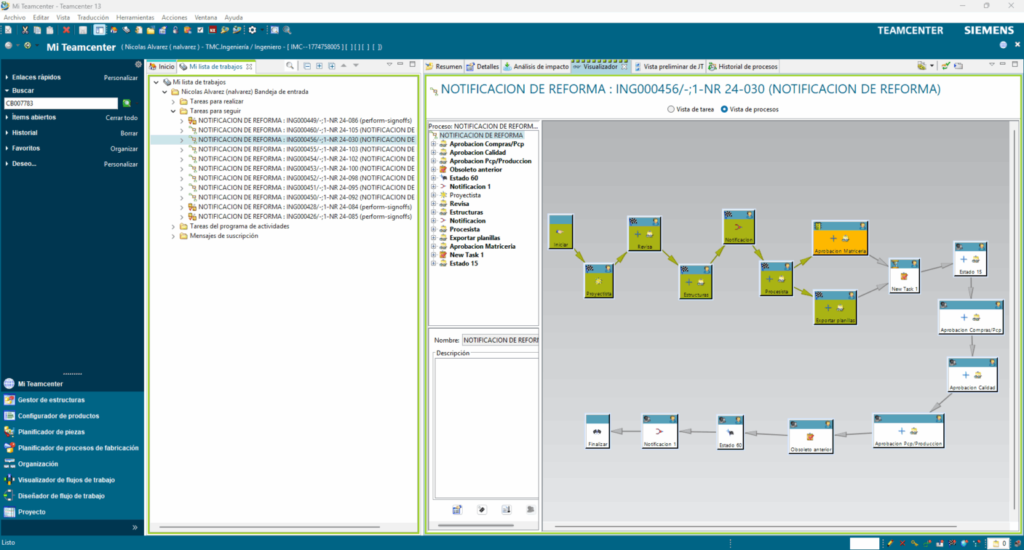
  • Teamcenter as the PLM backbone, integrated with SAP.
  • Simcenter 3D for structural and motion analysis.
  • Designcenter NX for advanced CAD design.
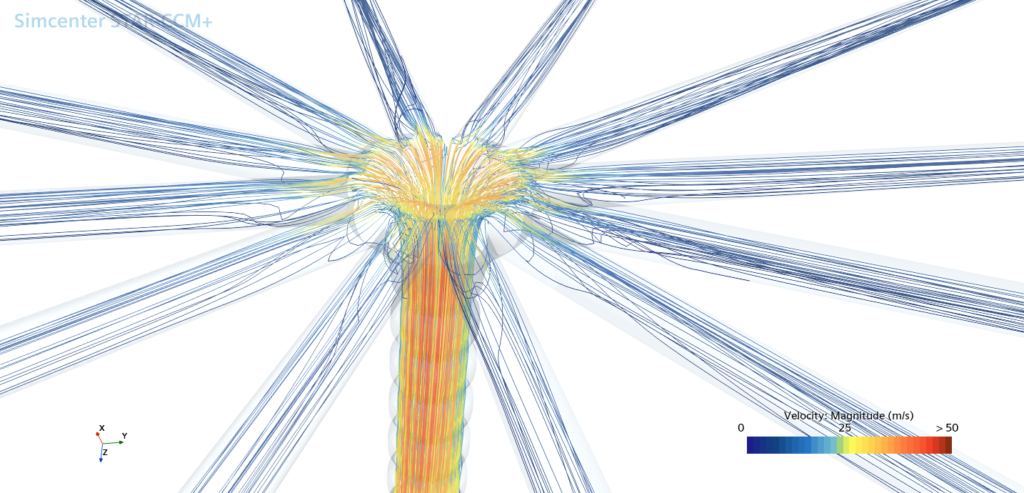
  • Simcenter STAR-CCM+ for CFD-DEM simulations of seed distribution systems.
  • Tecnomatix Plant Simulation to digitize manufacturing processes.

Flagship Project: The Dómina Seeder

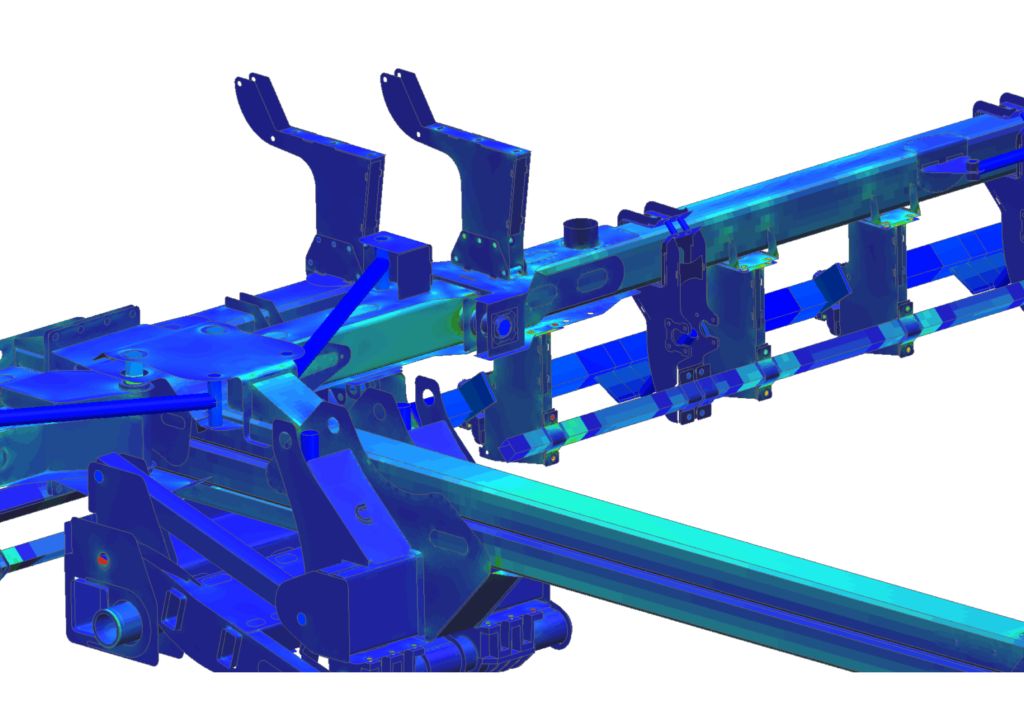
The Dómina is Crucianelli’s first seeder developed entirely in a digital environment. The engineering team built a FEM model with over one million elements (1D, 2D, and 3D), simulating transport and field conditions. With Simcenter 3D, they optimized load distribution, validated structural integrity, and significantly reduced the need for physical prototypes.

A dual-track simulation strategy was applied: one team focused on motion analysis, while another handled structural validation. The integration between NX and Simcenter enabled early design decisions and faster iterations.

Key Results

  • Over 40% reduction in development time and physical testing.
  • Complete digitalization of design, manufacturing, and product configuration.
  • Performance optimization of new and existing machines, such as the Plantor, using CFD-DEM simulations in STAR-CCM+.

Beyond Design: Digitizing the Factory

Crucianelli is also digitizing its production plant using Tecnomatix Plant Simulation, aiming to optimize processes, logistics, and resources. The long-term goal is to replicate digital twin capabilities across the entire organization.

Training and Knowledge Transfer

Success was also driven by a strong training strategy. Young engineers were trained in structural modeling, mesh reduction, and result interpretation, while preserving the hands-on knowledge of experienced technicians. This combination strengthened the company’s innovation culture.

A Collaborative Ecosystem

The collaboration between Crucianelli, Siemens, and local partners was key. The integration of Teamcenter with SAP, automation of product configurations, and ongoing technical support enabled Crucianelli to accelerate innovation and improve competitiveness.

Conclusion

Crucianelli shows how a family-owned company can lead digital transformation in the agricultural sector. With Siemens Xcelerator, it has improved internal efficiency and developed more robust, precise, and field-ready products.

Success Story: Hendrick Motorsports Accelerates Innovation with Siemens and VNCK

Product: NX
Industry:
Automotive

“We now use VNCK every day. It’s been an excellent tool, not just for manufacturing and improving programs, but also as a teaching tool to help us learn the controller.”
Michael Tummond, Engine Engineering Manager, Hendrick Motorsports

Faster, More Powerful Engines

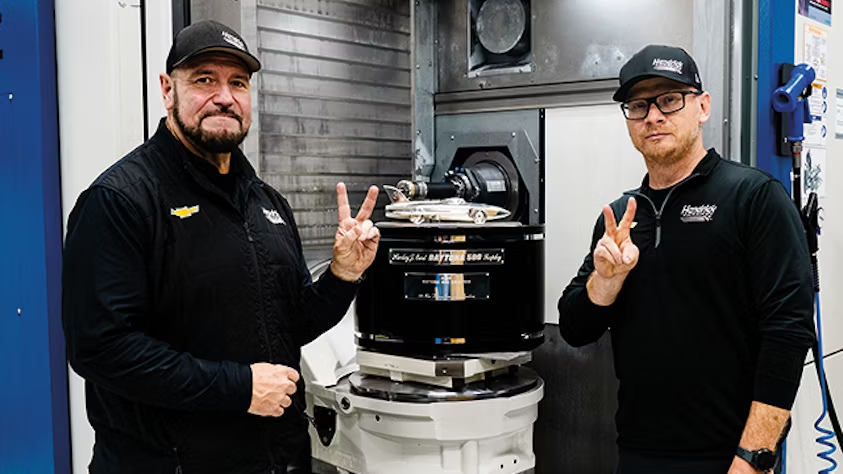
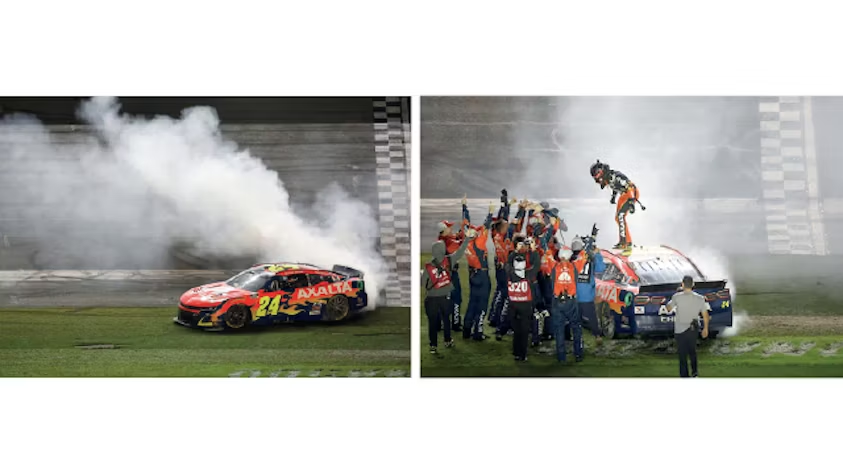
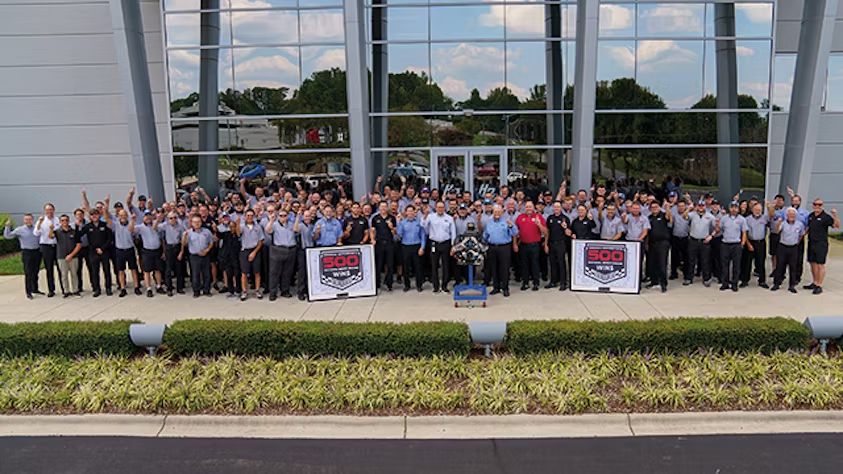
Founded by Rick Hendrick in 1984, Hendrick Motorsports is the most successful team in NASCAR Cup Series history. At the sport’s top level, the organization holds all-time records in every major category: championships, points-paying wins, and laps led. With over 100 team members, its engine department supports more than 500 racing events per year, supplying horsepower for teams in both the Xfinity Series and the top-tier Cup Series. Hendrick engines have powered more than 500 wins across NASCAR’s three national touring series.

In a sport where performance relies heavily on engine power, having efficient, powerful, and durable engines is non-negotiable. That means embracing cutting-edge technology and constantly finding innovative ways to stay ahead of the pack.

Driving Innovation with Siemens and Swoosh Technologies

To stay at the forefront of engine innovation, Hendrick Motorsports partnered with Swoosh Technologies—a Siemens Digital Industries Software partner—and adopted NX™ and VNCK (Virtual Numerical Control Kernel), both part of the Siemens Xcelerator portfolio of software, hardware, and services.

Prioritizing Accuracy and Repeatability

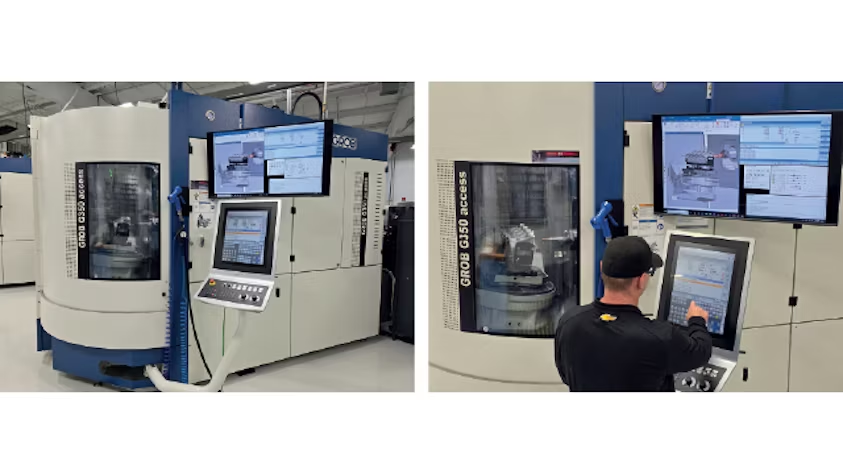
The team’s goal was clear: build better engines. But they had reached the limits of their old equipment and needed more accurate and repeatable results. After a careful evaluation, they invested in higher-precision machines equipped with Siemens controllers.

“We’ve always been a Siemens-driven company,” explains Tummond.
“All of our product lifecycle management runs through Siemens software, but we’d never used Siemens numerical controllers for manufacturing. This was our first time, so we reached out to Swoosh Technologies for support.”

The Value of the Digital Twin

Once the new equipment was in place, a new challenge emerged: learning how to use it. With support from Swoosh and Siemens, the team quickly got up to speed and discovered how VNCK and the digital twin could help them improve part production.

“All of our product data was already managed through Siemens software, but it stopped there. We used Siemens for programming, but now that our machines run Siemens controllers, the integration and connectivity between the two has been great,” says Tummond.

A More Efficient Engine Design Process

Along with the new machines, Hendrick Motorsports invested in a machine simulation kit and postprocessor to bring everything together.

“The one piece of software I took a gamble on was VNCK. At first, I thought it just gave digital readouts from the desktop—which would be useful for training—but it turned out to be a full-blown digital twin.”

With VNCK, the team can analyze any machine parameter directly from their desks, revolutionizing how they program and simulate.

“VNCK allows us to write and test programs away from the machine. Programming itself might be simple, but the tolerances we’re chasing are incredibly tight. VNCK lets us prove part alignment before we make any cuts.”

Standout Results:

  • Zero scrap rate thanks to pre-validation with simulation.
  • 10x improvement in precision, achieving ten-thousandths of an inch vs. thousandths.
  • 50% reduction in setup time, cutting engine block setup from one hour to just minutes.
  • Faster diagnosis of errors in production.
  • Full simulation of all processes—moving beyond basic toolpath verification in NX.

A New Simulation-First Culture

Before this shift, the engine department didn’t use simulation in manufacturing. Today, everything is simulated.

“We weren’t taking advantage of the digital twin or even machine simulation before—just the out-of-the-box toolpath verification in NX. Now, with these Siemens solutions, we’re more confident in our programming, especially as our part alignments grow more complex,” says Tummond.

Thanks to NX, VNCK, and Siemens controllers, Hendrick Motorsports has reached a new level of precision.

“We used to be happy with a few thousandths of an inch. Now, we’re working with ten-thousandths. We’ve improved our accuracy tenfold.”

Racing Toward the Future

Currently, only 3 out of 50 machines on the Hendrick Motorsports campus have VNCK capabilities. Looking ahead, the team plans to expand its use of digital twin technology and bring more high-precision machines into their workflow.

“We need to flip the script. This experience has opened our eyes to what’s possible—and what we need to build faster race cars,” concludes Tummond.


Curious about how simulation and digital twins can transform your manufacturing process? Discover what Siemens and its partners can do for your team.

https://goal-tech.com.mx/
Your success, our best engineering.


Would you like this adapted into a social media post, infographic, or presentation as well? I’m happy to help.

TU Graz Prepares the Next Generation of Digital Manufacturing Experts with Siemens Xcelerator

Product: Siemens Xcelerator
Industry:
Academic

In an era of digital transformation, companies are seeking engineers who are not only technically proficient but also fluent in the digital tools that are reshaping the manufacturing industry. Graz University of Technology (TU Graz) in Austria is responding to this challenge by equipping students with hands-on experience in model-based design, simulation, automation, and closed-loop manufacturing — all powered by Siemens Xcelerator.

A Modern Education for a Digital Industry

At TU Graz, the Faculty of Mechanical Engineering and Economic Sciences combines mechanical engineering with business insight to educate future-ready professionals. As Dr. Franz Haas, Dean of the faculty, explains:

“Our mission is to develop innovative, interdisciplinary, and holistic solutions for the full lifecycle of products in automotive, energy, and production engineering.”

From the first semesters of the bachelor’s degree through master’s and doctoral programs, TU Graz students are immersed in computer-aided engineering tools and digital workflows. Through the Siemens Xcelerator platform — which includes software, hardware, and services — they gain early access to the same technologies used in cutting-edge global industries.

The smartfactory@tugraz: A Living Lab

At the heart of TU Graz’s innovation ecosystem is the smartfactory@tugraz, a learning and research facility designed to explore and demonstrate agile, autonomous, and digital production. It’s part of the Smart Production Graz initiative and offers:

  • Real-time production line reconfiguration
  • Integration of robotics and additive manufacturing
  • A private 5G network to support industrial IoT
  • A safe space for companies to test new manufacturing approaches

This environment allows students, researchers, and partners to experiment with advanced concepts — from automated tool transport using mobile manipulators to full-scale digital twin applications.

Software-Based Manufacturing in Action

In the smart factory, students use Siemens Digital Industries Software to explore a fully connected product development and manufacturing process. They apply:

  • NX™ for CAD/CAM
  • Teamcenter® for PLM
  • Simcenter™ Nastran for structural simulation
  • Tecnomatix® for digital manufacturing and robotics simulation

With this software suite, they can design, simulate, and optimize production processes long before physical implementation. They also use virtual commissioning to test PLCs and automation systems digitally, reducing real-world commissioning time and safety risks.

Closed-Loop Manufacturing and Vertical Integration

Thanks to full data consistency from design to execution, TU Graz students experience true closed-loop manufacturing. Updates made by machine operators in the factory are automatically sent back to the digital design environment via Teamcenter and NX Open, allowing for continuous optimization.

Key advantages include:

  • Real-time location tracking of mobile assets
  • Predictive maintenance using machine data
  • Tool digitization via laser scanning and integration into NX CAM
  • A connected tool database using Teamcenter X Resource Management

Additionally, the university links its smart factory with other academic pilot factories in Austria using Insights Hub, creating a virtual network of collaborative innovation.

A Model for the Factories of the Future

At TU Graz, future engineers gain practical knowledge that often surpasses what’s currently implemented in industry. With support from Siemens and a full suite of Xcelerator tools, they are trained to think holistically, work sustainably, and lead digital manufacturing initiatives with confidence.

“Siemens software covers the entire product lifecycle, which is key to closed-loop manufacturing,” says Dr. Rudolf Pichler, Head of smartfactory@tugraz.
“Using Siemens Xcelerator helps us educate broad-minded and skilled creators of tomorrow’s products and systems.”

Success Story: ZF Achieves 15 PPM Quality with Simcenter Anovis

A digital transformation story presented by Goaltech, Official Siemens Partner

The Challenge: Extreme Quality in Automotive Components

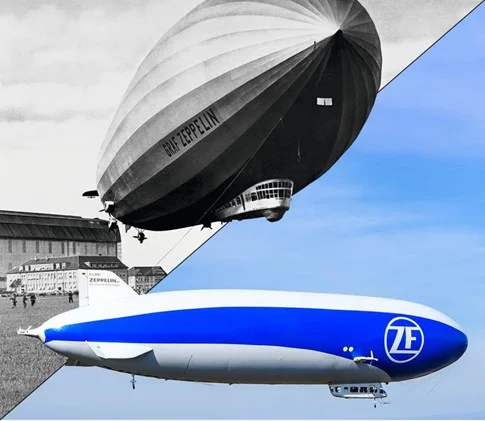
ZF Friedrichshafen AG, a global leader in transmission and chassis technology, faced the challenge of achieving extremely high quality levels in their automotive components. With the industry demanding standards of 15 parts per million (PPM) defects, ZF needed a technological solution that would allow them not only to meet, but exceed these expectations.

Digital Transformation: From Gearboxes to Electric Vehicles

The Context of Change

The automotive industry is experiencing its greatest transformation since the invention of the automobile. ZF, traditionally known for its mechanical transmission systems, had to quickly adapt to the future of electric and autonomous mobility.

Specific Technical Challenges:

  • Microscopic precision: Manufacturing tolerances in the micron range
  • Product diversity: From traditional mechanical components to advanced electronic systems
  • Scalability: Maintaining consistent quality in mass production
  • Complete traceability: Detailed tracking of each component

The Solution: Siemens’ Simcenter Anovis as Game Changer

Siemens Technology That Makes the Difference

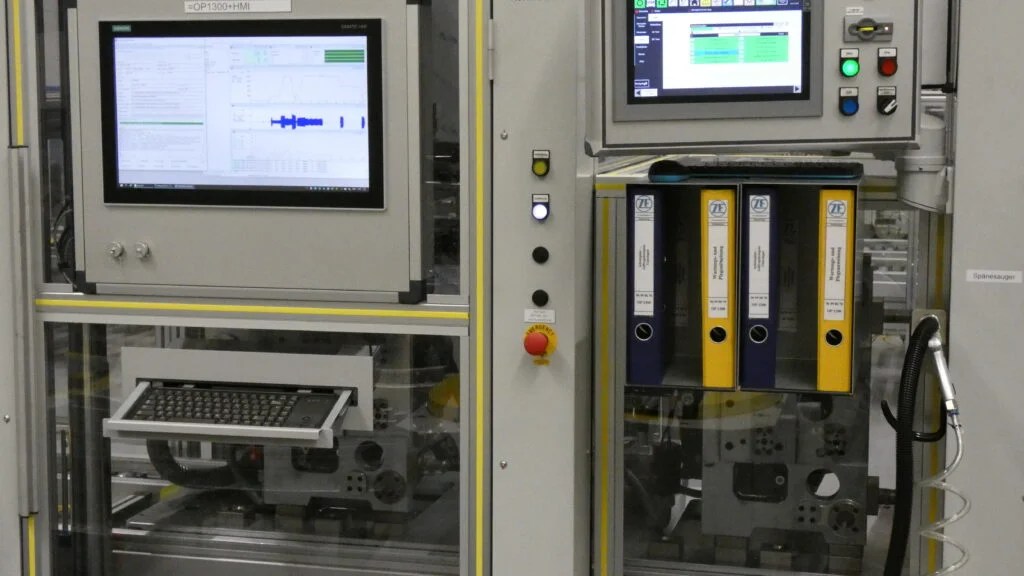
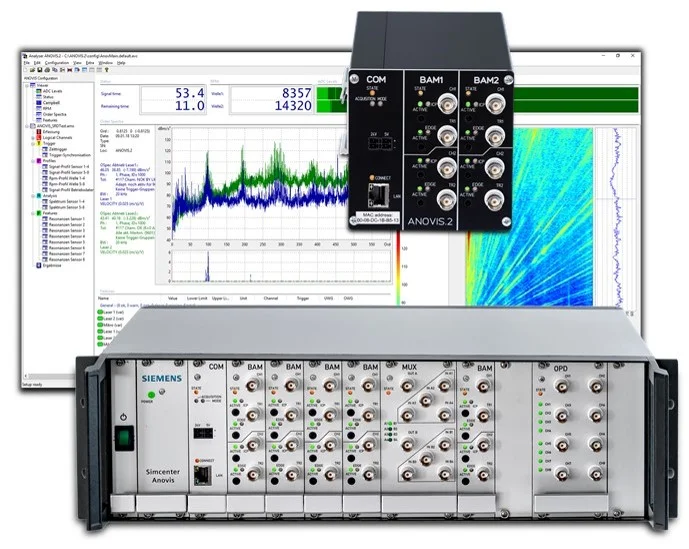
At Goaltech, as Official Siemens Partner, we have witnessed how ZF implemented Simcenter Anovis, one of the most advanced platforms in the Siemens Digital Industries portfolio. This solution combines:

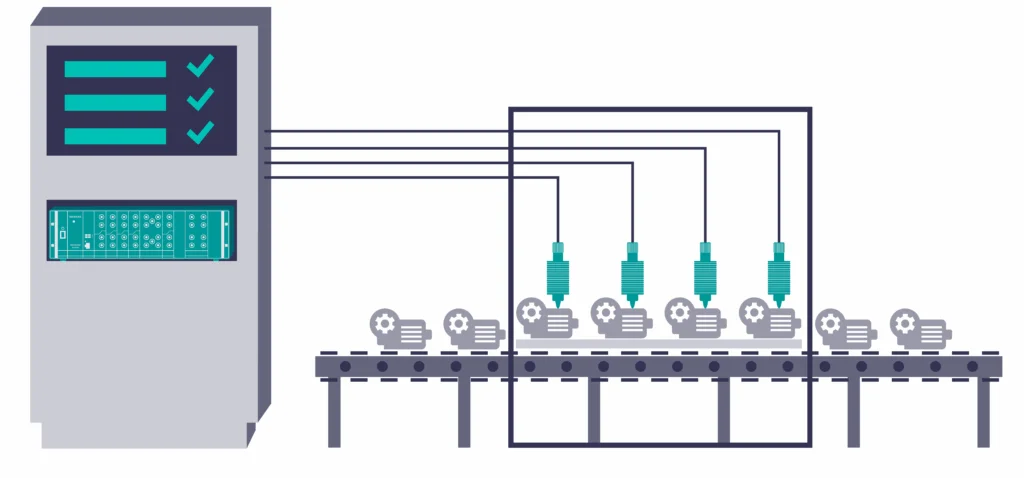
  • High-precision measurement in real-time
  • Predictive analysis with artificial intelligence
  • Complete integration with manufacturing systems
  • Advanced visualization of quality data

Key Capabilities Implemented:

1. Advanced Metrology

  • High-precision laser measurement systems
  • 24/7 automated inspection
  • Real-time defect detection

2. Predictive Analytics

  • Machine learning algorithms to predict failures
  • Predictive equipment maintenance
  • Continuous process optimization

3. Digital Traceability

  • Complete product lifecycle tracking
  • Integration with ERP and MES systems
  • Automatic quality documentation

Extraordinary Results

Impact Metrics:

  • Quality: Achieved and exceeded the 15 PPM target
  • Efficiency: 40% reduction in inspection times
  • Costs: 25% decrease in non-quality costs
  • Innovation: Acceleration of electric product development

Specific Application Cases:

Electric Transmission Components

  • Manufacturing precision: ±2 microns
  • Defect rate: <10 PPM
  • Inspection time: Reduced by 60%

Power Steering Systems

  • 100% automated inspection
  • Early wear detection
  • Service life prediction with 95% accuracy

Competitive Advantage with Siemens and Goaltech

The Siemens Digital Ecosystem

ZF’s successful implementation is based on Siemens’ integrated digital ecosystem, which includes:

  • Simcenter Anovis: For advanced metrology
  • Teamcenter: For product lifecycle management
  • NX: For digital design and manufacturing
  • Opcenter: For manufacturing operations

Goaltech’s Role as Partner

As Official Siemens Partner, Goaltech provides:

  • Local expertise: Deep knowledge of the Mexican market
  • Specialized support: Team certified in Siemens technologies
  • Comprehensive implementation: From consulting to post-sale support
  • Continuous training: Formation of local teams

Key Differentiators:

  1. Exceptional Quality: Products that exceed the most demanding expectations
  2. Agility: Rapid adaptation capability to new requirements
  3. Sustainability: Significant waste reduction
  4. Innovation: Platform for future technology development

Lessons Learned and Best Practices

Critical Success Factors:

  • Executive commitment to digital transformation
  • Comprehensive training of technical staff
  • Gradual but consistent integration of technologies
  • Continuous improvement culture at all levels

Goaltech Recommendations for Implementation:

As experts in Siemens solutions, from Goaltech we recommend:

  1. Comprehensive evaluation: Complete diagnosis of current processes
  2. Personalized roadmap: Implementation plan adapted to each company
  3. Scalable Siemens technology: Solutions that grow with your business
  4. Continuous support: Local Goaltech support at every stage

The Future: Expanding Horizons

ZF continues innovating with plans for:

  • Advanced artificial intelligence in quality control
  • Digital twins of manufacturing processes
  • IoT integration for remote monitoring
  • Blockchain for immutable traceability

Conclusion: The Future of Manufacturing with Siemens and Goaltech

The ZF case demonstrates the transformative power of Siemens technologies when properly implemented. At Goaltech, as Official Siemens Partner in Mexico, we are committed to bringing these world-class solutions to Mexican industry.

Why choose Goaltech and Siemens?

  • Proven technology: Solutions used by world leaders like ZF
  • Local experience: Mexican team with international certifications
  • Comprehensive support: From consulting to implementation and maintenance
  • Complete ecosystem: Access to the entire Siemens Digital Industries portfolio

Ready to transform your company?

At Goaltech, we work hand in hand with Siemens to take your company to the next level. Contact us and discover how the same technologies that transformed ZF can revolutionize your business.

Goaltech – Your Siemens Partner in Mexico
Transforming Mexican industry with world-class German technology

Success Story: ANAND CY Myutex Automotive

Product: NX
Industry:
Automotive & transportation

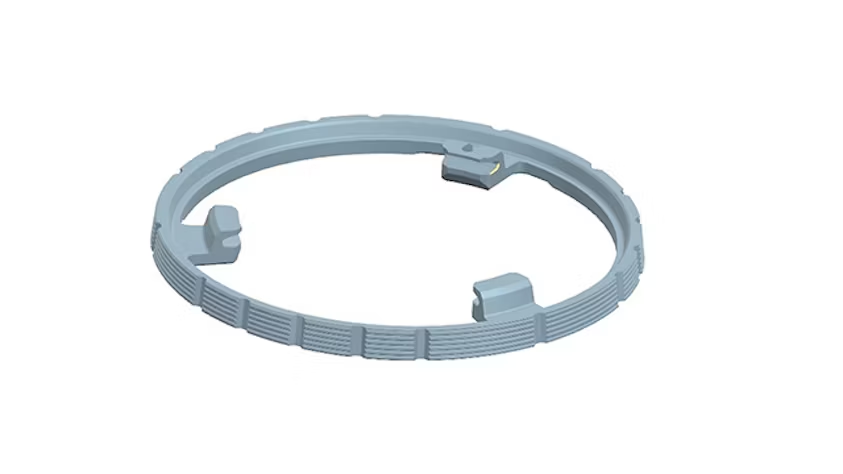
How NX CAD/CAM revolutionized synchronizer ring manufacturing


The Client

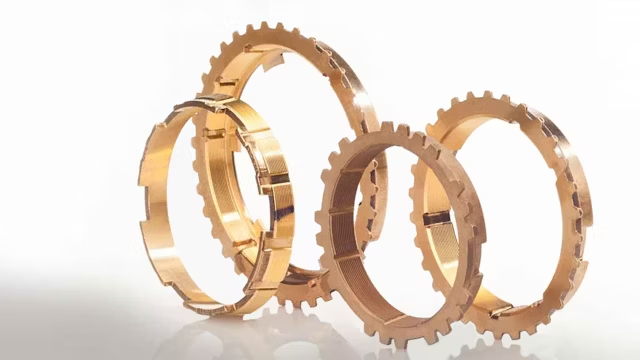
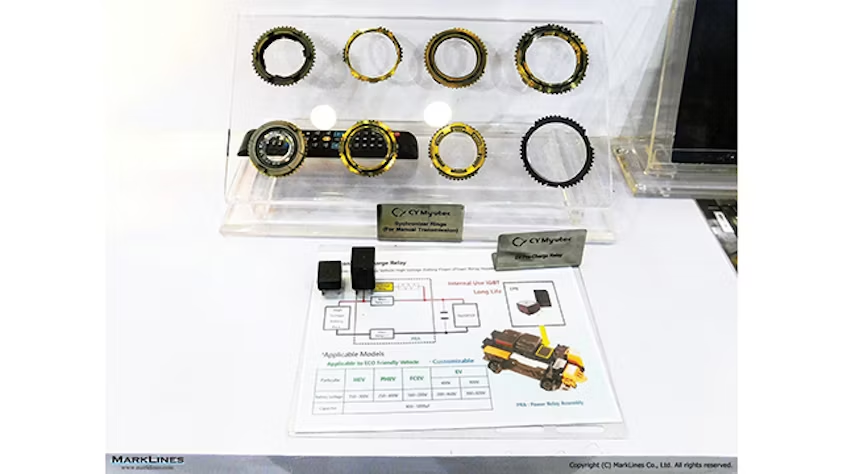
ANAND CY Myutex Automotive (ACYM) is a specialized manufacturer of synchronizer rings for the automotive industry. These components are essential in synchromesh gearboxes, advanced transmission systems that enable smooth gear changes in passenger and commercial vehicles.

The Challenge

ACYM faced multiple obstacles that limited their responsiveness and competitiveness:

Technical Issues:

  • Design and production teams working in silos
  • Outdated CAD software without collaborative capabilities
  • Incompatibility with client file formats
  • Imprecise generation of complex surfaces
  • High manufacturing error risks

Business Impact:

  • Extended development cycles
  • Delayed customer deliveries
  • Risk of costly machinery collisions
  • Loss of competitiveness in an expanding market

“With original equipment manufacturers focusing on high-performance vehicles and expanding electric vehicle offerings, the demand for advanced transmission solutions is increasing”Pranav Rawal, General Manager at ACYM

The Solution: NX CAD/CAM

In collaboration with DDSPLM (Siemens Digital Industries Software partner), ACYM implemented NX™ software, part of the Siemens Xcelerator business platform.

Key Implemented Features:

  • Synchronous Technology: Parameter adjustment without historical data
  • CAD/CAM Integration: Single source of truth for the entire process
  • Advanced Automation: Customizable tools for toolpath creation
  • Universal Compatibility: Support for multiple file formats
  • Integrated Simulation: NC program verification without damage risk

Quantifiable Benefits

Operational Efficiency:

  • 40% reduction in design and production times
  • 40% reduction in concept-to-delivery time
  • 30% savings in operational costs

Technical Improvements:

  • Elimination of manual transfer errors
  • Greater precision in complex surfaces
  • Better machining process control
  • Significant reduction in material costs

Enhanced Collaboration:

  • Design and production teams working in an integrated manner
  • Smooth communication with international clients
  • Complete version control and traceability

Client Testimonial

“The synchronous technology in NX is particularly beneficial for working with imported data. It allows us to adjust hole sizes or shift surfaces on models without historical data. The same way our synchronizer rings deliver a smooth gearbox experience, using NX synchronous technology provides us the flexibility to quickly adjust parameters and implement design changes as needed.”

Pranav Rawal, General Manager, ANAND CY Myutex Automotive

Key Lessons

  1. Integration is fundamental: Eliminating silos between design and manufacturing generates exponential efficiencies
  2. Technical flexibility matters: The ability to work with diverse data is crucial in global supply chains
  3. Measurable ROI: Efficiency improvements translate directly into competitive advantages
  4. Scalability: Solutions must grow with market demands

Why this case matters

In a constantly evolving automotive market, where electrification and efficiency are priorities, ACYM demonstrated that digital transformation is not just an option, but a strategic necessity.


Is your company facing similar manufacturing challenges? At Goaltech, we help companies identify and implement the technological solutions that transform their operations.

Contact our team to explore how we can accelerate your digital transformation.

Hofer Powertrain Revolutionizes Hybrid Vehicle Efficiency with Siemens Technology

Product: Simcenter
Industry:
Automotive

The Challenge: Optimizing Next-Generation Hybrid Vehicle Performance

In an increasingly competitive and sustainability-focused automotive market, hofer powertrain faced the challenge of developing Dedicated Hybrid Transmission (DHT) systems that would maximize both fuel efficiency and vehicle performance. The complexity lies in the fact that having the best hardware is not sufficient: an intelligent energy management strategy is required to optimize the distribution between internal combustion energy and electric energy.

The Solution: Advanced Siemens Technology for Comprehensive Optimization

hofer powertrain chose the powerful tools from Siemens Digital Industries Software to address this complex challenge, implementing a comprehensive solution based on:

Simcenter Amesim: The Leading Simulation Platform

Siemens’ flagship tool for multi-physics system modeling enabled hofer powertrain to:

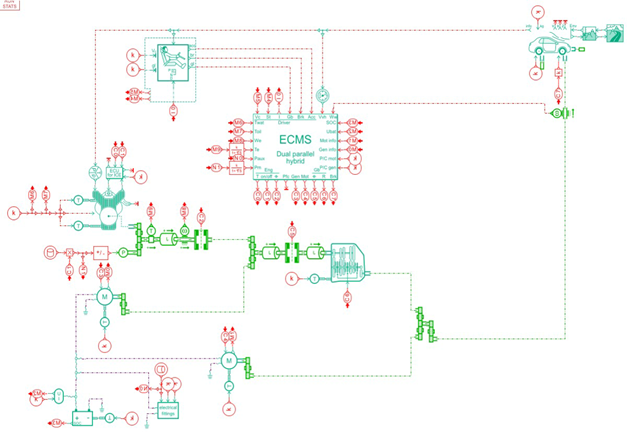
  • Create precise models of the dual-parallel hybrid powertrain
  • Implement the Hybrid Optimization Tool (HOT) with advanced algorithms
  • Automatically generate forward models for dynamic validation

Simcenter HEEDS: World-Class Automated Optimization

Siemens’ multidisciplinary optimization solution provided:

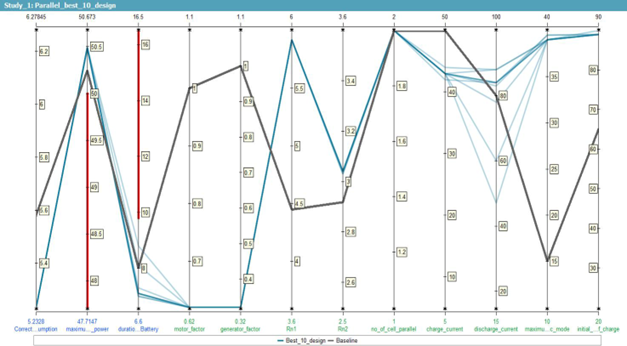
  • Automated exploration of 250 design configurations
  • Optimization algorithms that identified the optimal configuration
  • Parallel analysis of multiple design variables simultaneously

Optimized System Architecture

  • Dual-parallel hybrid vehicle equipped with a 1.2-liter internal combustion engine
  • Dedicated Hybrid Transmission (DHT) optimized specifically for hybrid applications
  • Advanced energy management system combining Pontryagin’s Minimum Principle for offline optimization and Equivalent Consumption Minimization Strategy for real-time optimization

Integrated Workflow with Siemens Technology

The synergy between Siemens tools created an unprecedented optimization process:

  1. Simcenter HEEDS automatically manages and varies design parameters
  2. Simcenter Amesim HOT calculates optimal control for each configuration
  3. The integrated Siemens ecosystem ensures seamless data transfer
  4. Automatic generation of the final optimized Simcenter Amesim model

“The native integration between Simcenter HEEDS and Simcenter Amesim was key to the project’s success, eliminating data transfer errors and significantly accelerating the optimization process.”

The Results: Siemens Technology Power in Action

Thanks to the computational power and advanced algorithms of Simcenter HEEDS, which automatically explored 250 different designs, and the precision of Simcenter Amesim for detailed modeling, the results were extraordinary:

Efficiency and Performance Improvements

MetricBaseline DesignOptimized DesignImprovement
Fuel consumption5.58 L/100km5.23 L/100km-6.3%
0-100 km/h acceleration8 seconds7 seconds-12.5%
Maximum speed in electric mode54 km/h140.4 km/h+160%

Component Optimization

  • 38% reduction in motor power scaling factor
  • 68% reduction in generator power scaling factor
  • 33% improvement in first gear transmission ratio

The Validation: Proven Precision of Simcenter Amesim

The project’s success was confirmed through the robust validation capabilities of Simcenter Amesim:

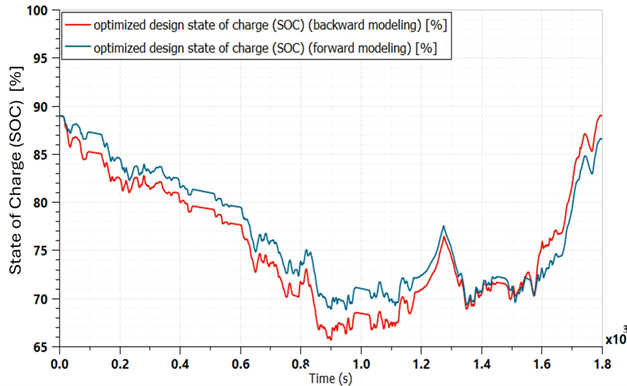
Integrated Dual Modeling

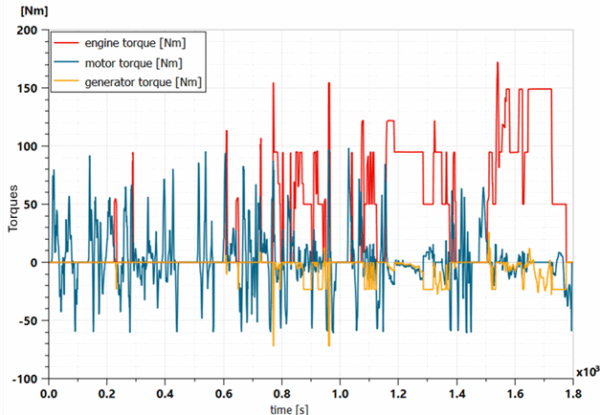
  • Backward model (Simcenter Amesim HOT): High-speed quasi-static optimization
  • Forward model (Simcenter Amesim): Dynamic simulation with real transient effects
  • Automatic transition between models without data loss

Validated Results

The consistency between both modeling approaches demonstrated the exceptional precision of Siemens tools:

  • Optimized consumption: 5.23 L/100km (backward model) vs 5.24 L/100km (forward model)
  • Less than 0.2% difference between simulations, confirming software reliability

The Impact: Siemens Ecosystem Transforming the Industry

This success case demonstrates how Siemens Digital Industries Software integrated solutions can:

Accelerate innovation: Drastic reduction in development time through automation
Guarantee precision: Cross-validation between multiple modeling approaches
Optimize resources: 250 designs explored automatically vs. years of physical testing
Drive sustainability: 6.3% less consumption = significant emission reduction

Competitive Advantages of the Siemens Ecosystem

  • Native integration between tools eliminates transfer errors
  • Scalability for projects of any complexity
  • World-class algorithms in multidisciplinary optimization
  • Specialized technical support from our strategic partner Siemens

Future Perspectives with Siemens

hofer powertrain continues innovating with the Siemens solutions ecosystem, exploring:

  • Simcenter Amesim for battery aging modeling
  • Simcenter HEEDS for next-generation modular architectures
  • Integration with other Siemens solutions for renewable energy

Why Choose Siemens Solutions?

Proven Precision: Less than 0.2% differences between models
Development Speed: 250 designs optimized automatically
Total Integration: Complete ecosystem without data loss
Measurable Results: 6.3% less consumption, 12.5% better acceleration


This success case demonstrates the transformative power of Siemens Digital Industries Software in hybrid vehicle optimization, validating our strategic alliance to deliver the best market solutions.

Ready to revolutionize your hybrid vehicle development? As an authorized Siemens partner, we offer complete access to these world-class tools, along with specialized technical support and certified training.

Success Story: How Digital Engineering and Simulation Software Are Revolutionizing the Bicycle Industry

Product: Simcenter
Industry:
Bicicletas

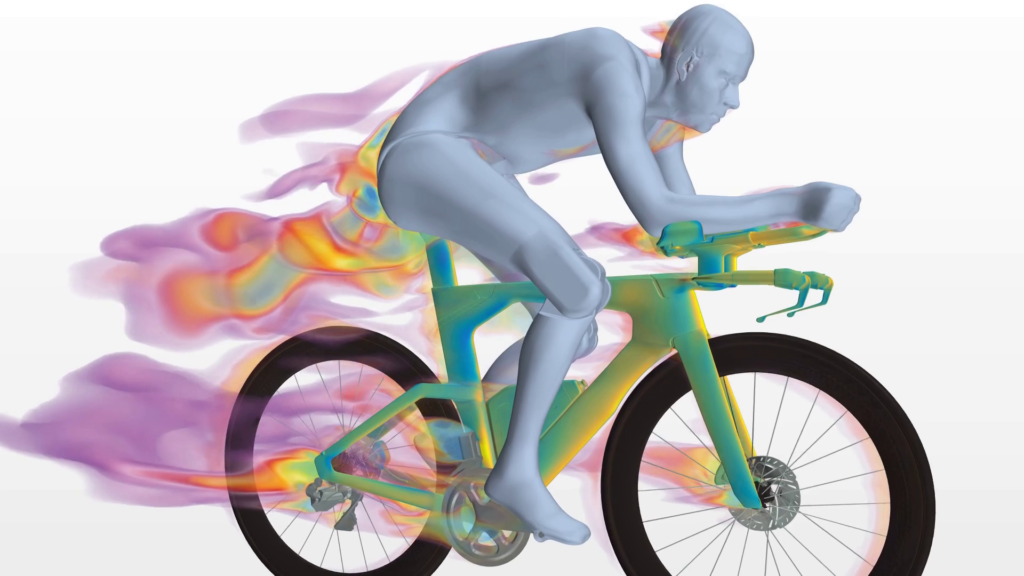
Bicycles are more than just a mode of transport or a healthy hobby—they are the result of decades of innovation where technology plays a crucial role in making them faster, safer, and more comfortable. At Goaltech Engineering Solutions, proud Siemens partners, we have witnessed and actively contributed to this digital revolution in the cycling industry.

The Challenge: Bringing the Bicycle from the Past into the Digital Future

Since Karl Drais invented the Draisine in 1817, bicycles have evolved dramatically. But the deepest transformation is not only in materials or classic design—it’s in how bicycles are developed today: through the power of simulation software and digital engineering.

Leading manufacturers like Trek, Cervelo, and Ridley rely on advanced solutions to optimize every detail—from aerodynamics to rider safety.

Our Solution: Siemens Software for 100% Digital Development

At Goaltech, we implement and support cycling brands with Siemens solutions that transform the design and validation process:

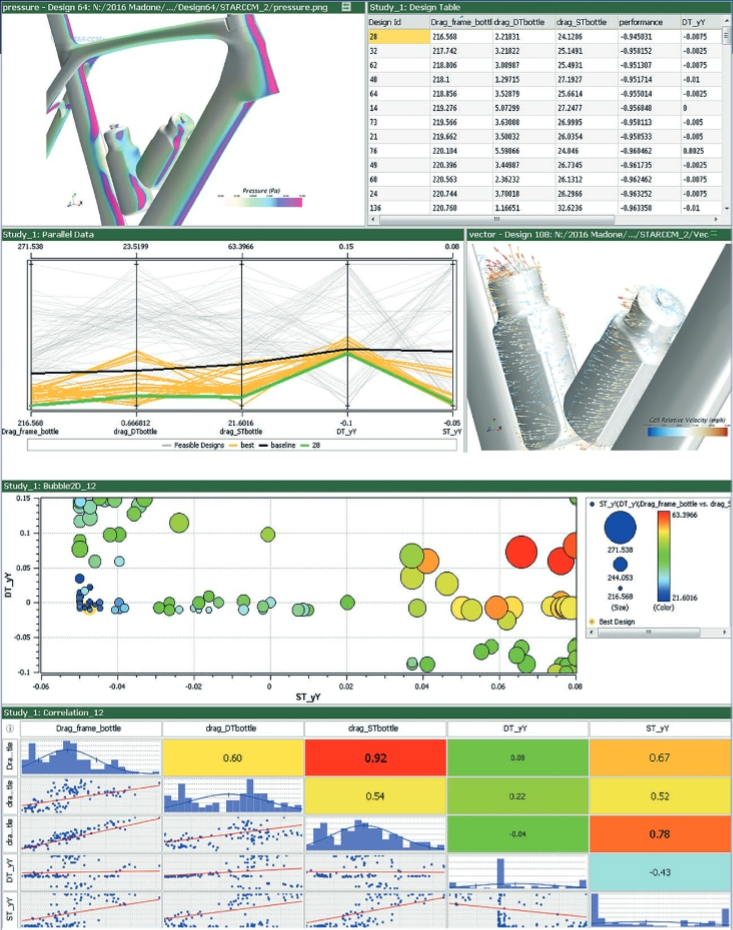
  • GPU-accelerated Simcenter CFD: Enables simulation of airflow around frames and components, optimizing aerodynamics to reduce drag and increase speed. Trek, for example, uses these tools to analyze hundreds of configurations and perfect rider and accessory positioning.
  • Structural simulation and impact testing: Using Simcenter technology, we perform advanced helmet impact and rotational analysis to maximize protection without sacrificing comfort or weight.
  • Thermal and acoustic optimization: Software allows balancing ventilation and thermal comfort in helmets while reducing noise and vibrations in e-bikes for a quiet and enjoyable ride.
  • Full system simulation: From ultra-light hydraulic transmissions to electric motors, digital tools enable the design of more efficient and reliable e-bikes, encouraging millions to adopt sustainable mobility.

Tangible Results: Innovation You Can Feel in Every Pedal Stroke

Thanks to these technologies, today’s bicycles are faster, safer, and more comfortable than ever. Advanced simulation reduces development time and costs, accelerates innovation, and improves the end-user experience.

Radiate Engineering & Design AG, for instance, optimized carbon monocoque wheels with Siemens software to reduce drag by 7% and increase stability in crosswinds—a decisive advantage for professional riders.

Why Goaltech and Siemens?

As strategic partners, Goaltech and Siemens provide the tools manufacturers need to lead the digital transformation in cycling. From CFD simulation to structural and acoustic analysis, the software enables agile, reliable, and data-driven development.

In Summary

The future of cycling is digital, and software is the key to unlocking new levels of performance, safety, and comfort. At Goaltech Engineering Solutions, we’re ready to accompany you on this innovation journey with the best technologies on the market.

×