


admin
NASCAR racing team uses NX, Simcenter and Teamcenter to power its digital race to the starting line

Industry: Automotive & transportation
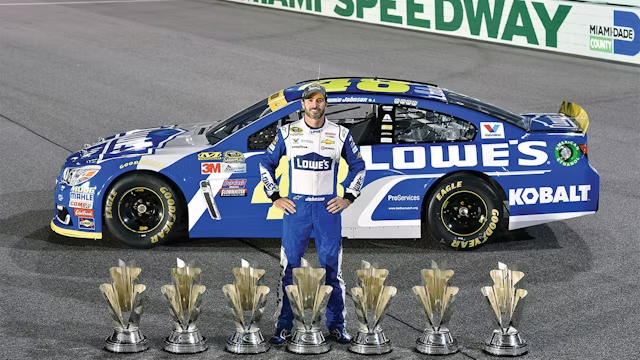
NASCAR Racing Team Leverages Siemens Software for Competitive Edge
Hendrick Motorsports
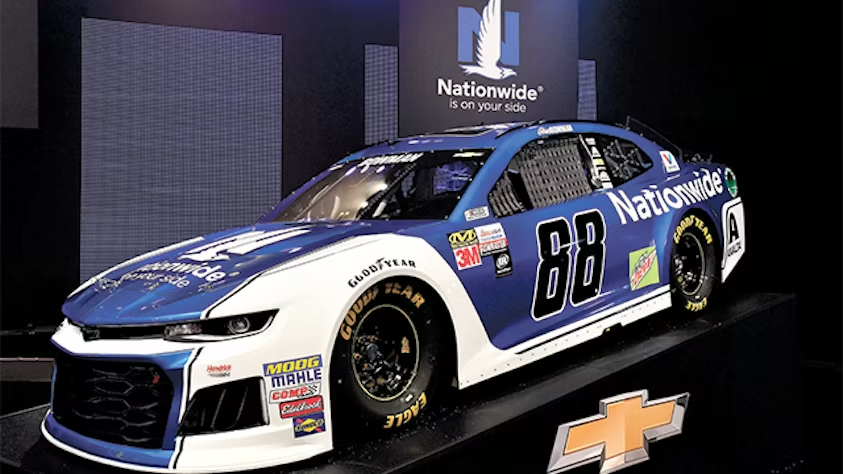
Hendrick Motorsports, a renowned NASCAR® racing team based in Concord, North Carolina, employs Siemens Digital Industries Software solutions—NX, Simcenter, and Teamcenter—to enhance performance and reliability in their racing operations.
Challenges
- Design Compliance: Create and test a fleet of cars that meet strict NASCAR regulations.
- Data Accessibility: Improve access to data to maximize time spent on analysis and innovation.
Keys to Success
- Digital Backbone: Establish a robust infrastructure using Teamcenter.
- Collaboration with Siemens: Work closely with Siemens to optimize new tools with each software release.
- Comprehensive Software Utilization: Take full advantage of the Siemens software portfolio.
Results
- Rapid Development: Quickly develop new parts and assemblies that improve performance.
- Design Optimization: Use NX to evaluate multiple options and refine designs.
- Efficient Data Mining: Leverage the digital backbone for faster and more reliable access to data.
As Engineering Manager Tad Merriman stated, “If we can take advantage of rule changes faster, we can develop and implement new ideas quicker, leading to race wins. Siemens Digital Industries Software gives us a competitive advantage.”
Hendrick Motorsports has integrated Siemens software since the early 1990s, transforming their operations by streamlining design, simulation, and manufacturing processes. The digital backbone established through Teamcenter enables them to efficiently manage data across various aspects of their racing program.
Conclusion
Hendrick Motorsports continues to demonstrate that leveraging Siemens Digital Industries Software solutions significantly contributes to their success on the track, allowing for rapid innovation and enhanced performance.
Siemens Digital Industries Software solutions and services enable FAW to develop a consistent modeling approach
Industry: Automotive
Designing Smart Vehicles
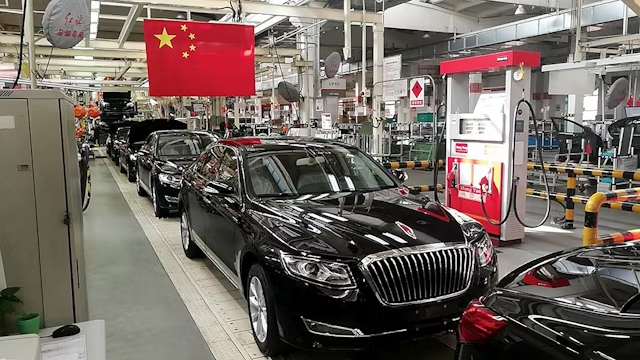
The China FAW Co., Ltd. R&D Center is the largest research, development, testing, and inspection facility for the automotive industry in China and serves as a key technology center for the original equipment manufacturer (OEM), FAW Group Corporation, and the Chinese government. The company focuses on developing commercial vehicles and automotive components, with engineering expertise covering the entire vehicle development cycle.
As part of the “Made in China 2025” initiative, the FAW R&D Center has taken on the challenge of establishing research and development (R&D) functions for the department of intelligent networking vehicles to develop smart vehicles. Electrifying and automating driving functions increase system complexity, requiring early validation of controllers.
The development of intelligent networking vehicles is a major focus for many automakers in China and globally. For FAW’s Intelligent Networking Vehicles R&D Department, the creation of advanced vehicles presents a significant challenge, as it demands intensive use of advanced development technologies.
Implementing Model-Based Systems Engineering
The FAW Intelligent Networking Vehicles R&D Department sought a supplier with experience in full-vehicle modeling, including real-time and online plant modeling and controls development. Additionally, they aimed to improve their development process and sought a partner open to sharing its knowledge and methodologies.
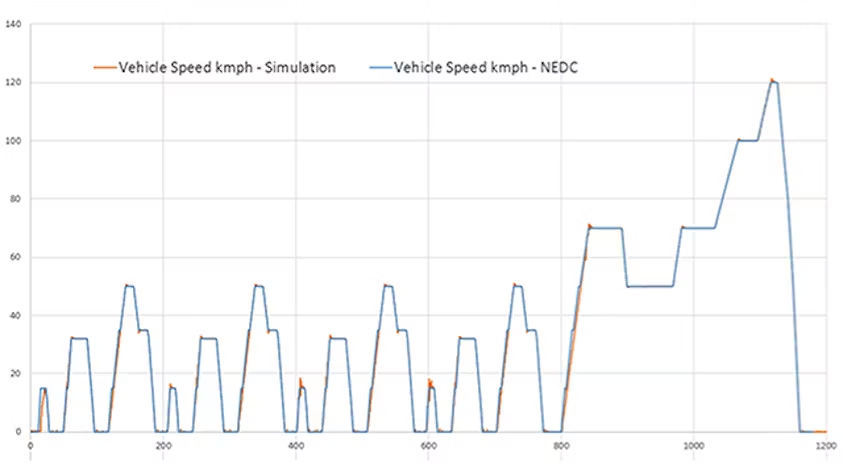
Zheng Lei, administrative office director of FAW’s Intelligent Networking Vehicles R&D Department, explains, “We needed to perform offline simulations using the complete vehicle model to analyze performance and to meet the demand for real-time simulation on the hardware-in-the-loop testing platform. We also needed a technology partner to enhance our internal knowledge through a technology transfer service.”
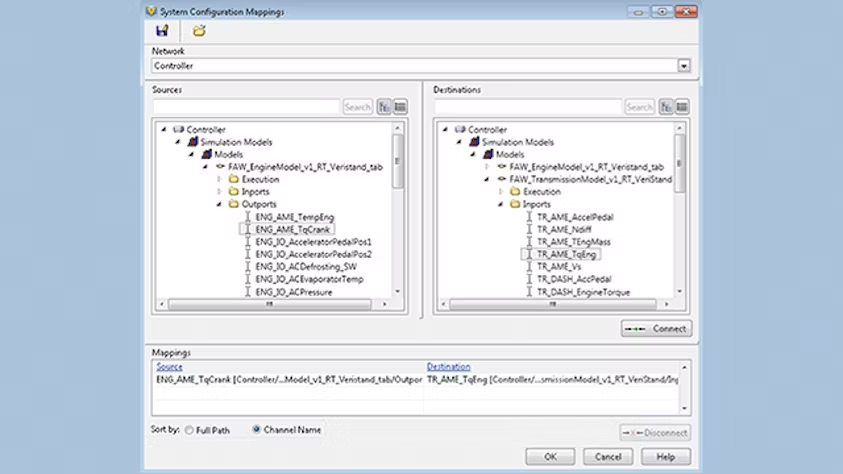
With the support of Simcenter Engineering services and Simcenter Amesim™ software from Siemens Digital Industries Software, FAW implemented model-based systems engineering (MBSE). Simcenter Amesim enables users to create models of varying complexity to meet requirements at different stages of vehicle development. Additionally, it supports hybrid hardware-in-the-loop (HiL) testing for controls verification and model validation.
Simcenter Amesim provides an accessible, open development environment that facilitates joint modeling and effective collaboration between different departments and with suppliers. “It enables a consistent modeling approach even with different levels of model complexity throughout the development process,” Zheng adds.
Working Together Seamlessly
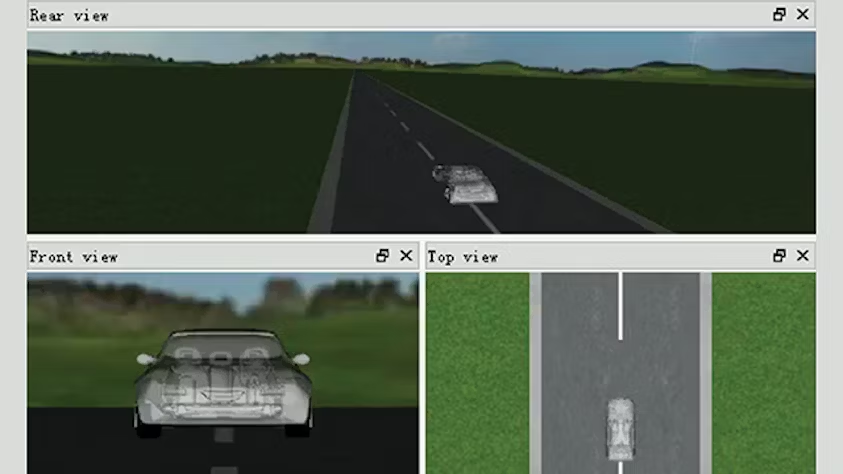
FAW and Simcenter Engineering teams collaborated seamlessly to build a solid framework for advanced vehicle dynamics analysis, for both offline and real-time simulation. The Simcenter Engineering team helped FAW virtually validate the vehicle’s electronic control units (ECUs) like electric power steering (EPS), electronic stability program (ESP), and anti-lock braking system (ABS).
The engineering experts assisted FAW in defining processes, integrating models, and constructing scenarios for HiL testing. They also developed a real-time predictive control (MPC) driver model for vehicle trajectory control, which offers a systematic, streamlined process for designing complex multivariable control systems.
Leveraging Simcenter for Competitiveness
Thanks to Simcenter Amesim and Simcenter Engineering expertise, FAW completed a real-time modeling project for a vehicle independently developed by the company. Through HiL simulation and testing, they conducted virtual simulation-based controller testing and troubleshooting, significantly reducing the development cycle for the vehicle’s electronic control system.
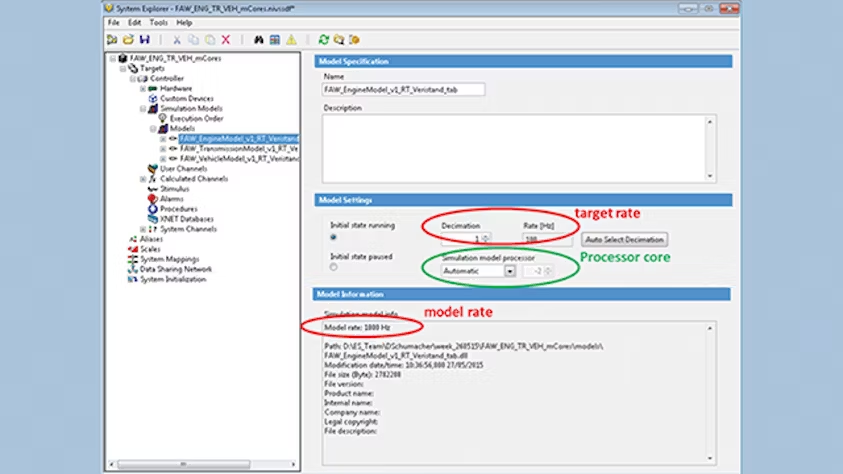
All units within FAW’s Intelligent Networking Vehicles R&D Department now use Simcenter Amesim for vehicle systems design, greatly facilitating system integration, controls validation, HiL simulation, and model verification. Key functionalities like high-frequency engine models, real-time model reduction tools, and the Functional Mockup (FMU) interface for model exchange have optimized the design and testing process.
Enhancing Competitiveness
The China FAW Group Corporation R&D Center has long been a leader in HiL system simulation and testing in China, striving to reach international standards. “Thanks to Simcenter solutions, we now have the ability to model independently, which makes us even more competitive,” Zheng remarks. “We’ll continue working with world-class suppliers like Siemens Digital Industries Software to drive the development of products and technologies.”
Dr. Zheng Lei, Administrative Office Director, R&D Department, Intelligent Networking Vehicles, China FAW Group Corporation R&D Center
We were recognized as Siemens Partner of the Year: Meso America for the eighth consecutive year

At Goaltech Engineering Solutions, we are immensely proud to have been awarded Siemens Partner of the Year: Meso America. This recognition marks a significant milestone in our journey, underscoring our dedication to excellence and our unwavering commitment to innovation in advanced technological solutions. We are deeply honored to be recognized by a global leader like Siemens, renowned for its pioneering work in technology, digitalization, and industrial innovation.
This achievement reflects not only our work but also our vision as a company. Since our inception, Goaltech has focused on transforming our clients’ challenges into solutions that optimize processes, drive efficiency, and contribute to their business success. This award motivates us to redouble our efforts in delivering exceptional service and to continue supporting our clients in adopting technologies that enhance their capabilities in a constantly evolving market.
Receiving Siemens Partner of the Year: Meso America would not have been possible without the hard work and dedication of every member of our team, who consistently go above and beyond to exceed expectations and bring our company to new heights of innovation and service. This recognition also reflects the trust and collaboration of our clients, who have been essential to our growth and consolidation.
We extend our heartfelt gratitude to Siemens for this prestigious award, which reaffirms our position as leaders in engineering and technology. We are excited about what the future holds and are committed to delivering cutting-edge solutions that support our clients in their digital transformation and journey to success. This recognition is just the beginning of all that we are ready to achieve together!
Aiming for zero-emission buses
Industry: Automotive
Transitioning to Zero-Emission Buses: Challenges and Solutions
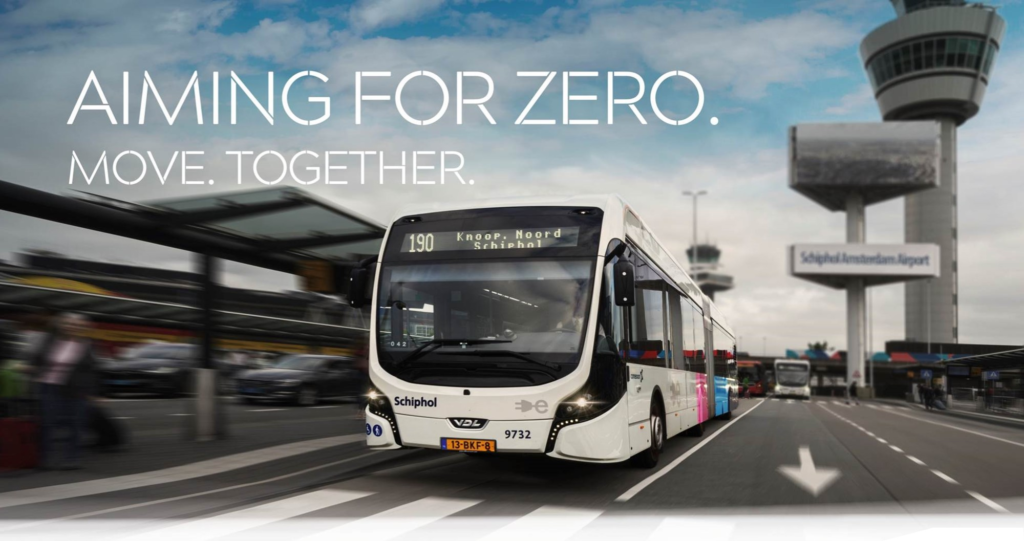
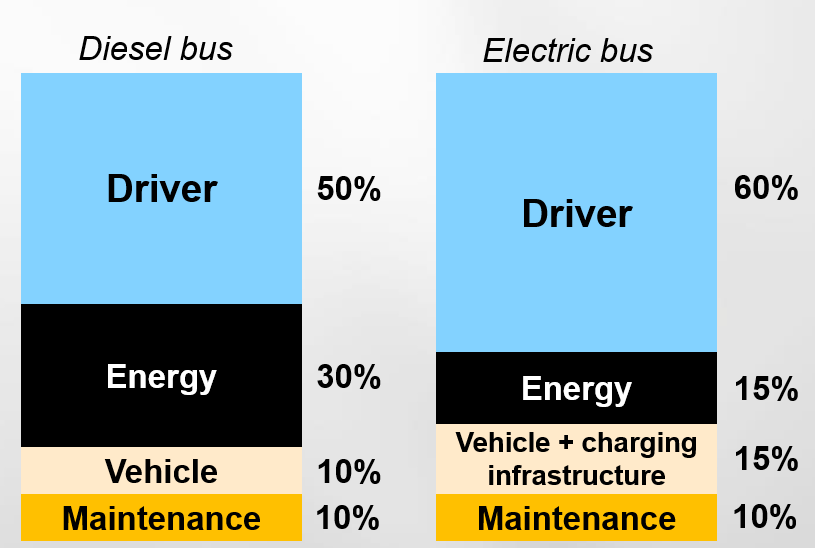
When considering the switch to zero-emission buses, the transition can initially seem expensive. However, bus manufacturer VDL discovered that switching to an electric bus is actually cheaper per kilometer than a diesel one! We spoke with Anouk Hol, aerodynamics and energy specialist at VDL, to discuss this new trend and the challenges it brings.
Similarities Between the Automotive and Bus Industries
There are many similarities between the automotive and bus industries. “We can learn from car manufacturers, for example by using the same battery cells and packs,” says Hol. However, in buses, the batteries need to be larger due to greater capacity requirements. Buses easily drive between 300 and 500 kilometers a day, and their behavior—low speeds, constant stopping—is vastly different from that of a car.
Challenges in Designing Zero-Emission Buses
With this new direction, VDL had to strengthen its software and control expertise as they now supply not just buses but a full system, including charging infrastructure and assistance with scheduling. “When switching to zero-emission buses, we also switched from supplying a bus to supplying a system,” Hol explains.
Cities require different charging infrastructures, ranging from 24/7 services needing fast charging at bus stops to lighter services relying on larger batteries and slower charging once or twice a day.
The Use of Modeling in the Development Process
This is where the need for modeling and simulation tools emerged. It was essential to determine the best configuration early in the process, even before moving to the engineering and prototyping phases, allowing them to offer tailored solutions to customers.
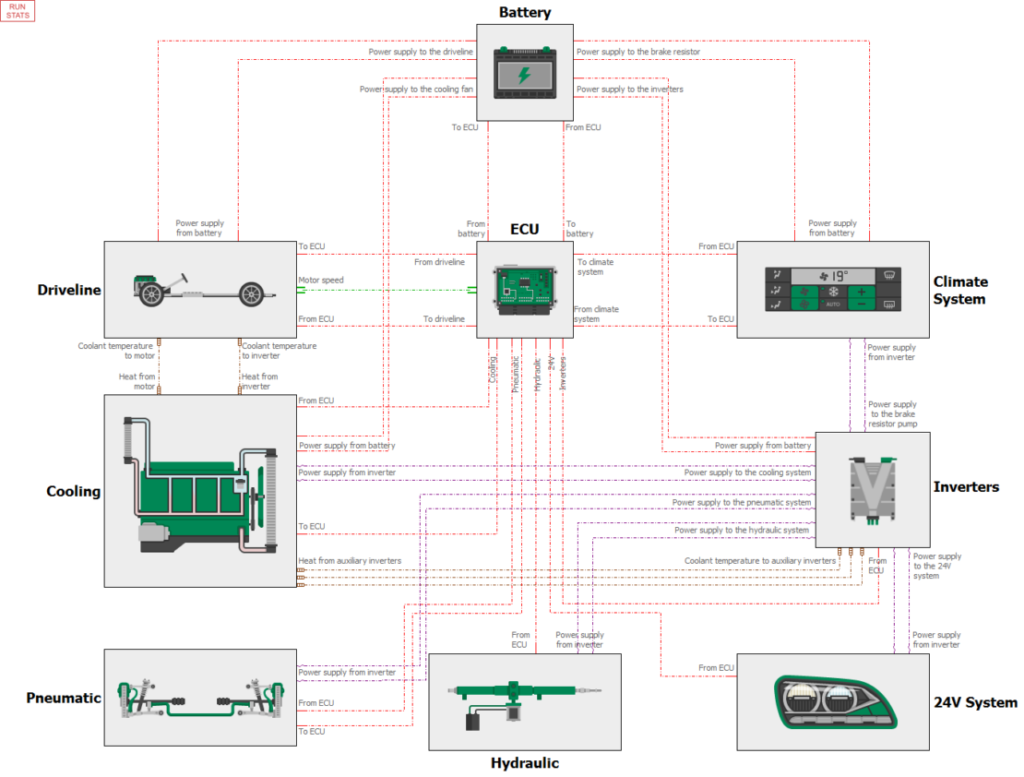
Simcenter™ Amesim™ software was used for various purposes, such as mapping energy flow within the vehicle and optimizing battery size and charging time to improve overall efficiency.
Detailed Battery Cell and Pack Modeling
VDL created detailed models of battery cells and packs and ran simulations to predict their behavior. By combining all bus components, including the vehicle control unit, VDL could accurately predict performance and optimize supplier selection.
Mapping Energy Flows
Simulation was also used to map energy flows within the vehicle. By combining Simcenter Amesim with Simcenter™ STAR-CCM+™ software, VDL imported 3D information to better analyze complex behaviors, such as battery cooling.
Battery Management Systems
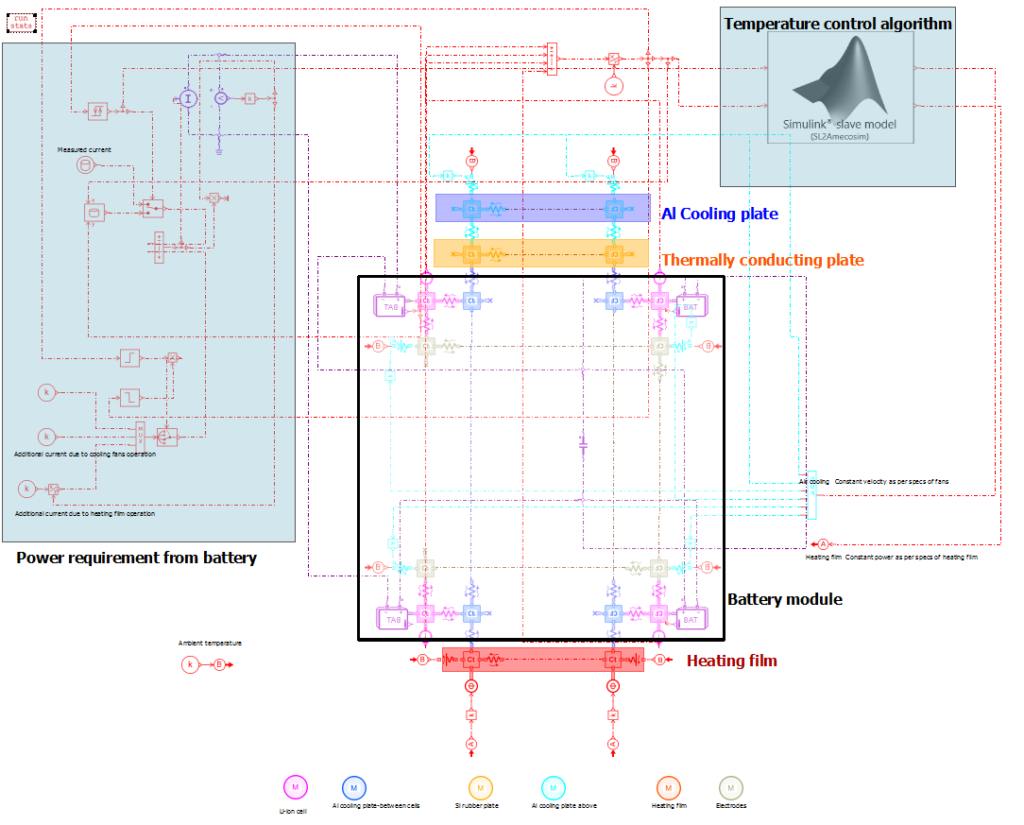
Simcenter tools were also used to validate battery control strategies, combining electrical and thermal calculations to fine-tune control parameters and improve vehicle energy management.
The simulation models helped VDL analyze various customer usage profiles, providing clear insights into their component choices.
Karma Automotive resurrects iconic electric vehicle using Siemens solutions
Industry: Automotive
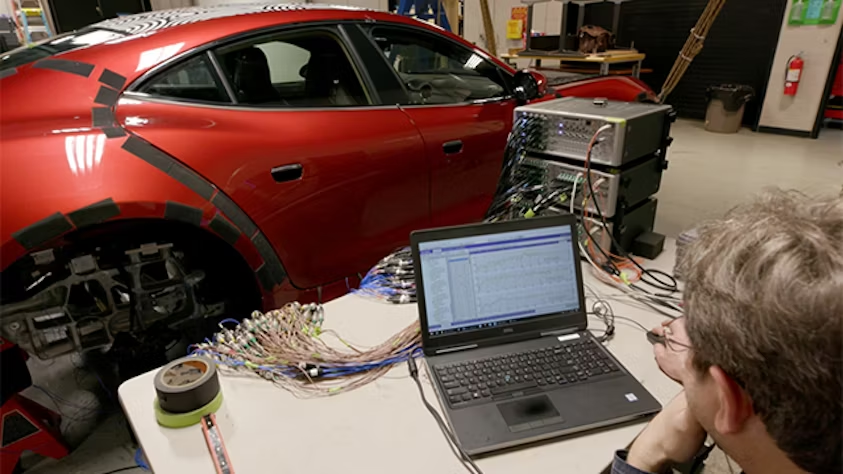
Karma Automotive, a luxury electric vehicle manufacturer, has successfully resurrected an iconic electric hybrid sedan using Siemens solutions to optimize its development process. Based in Irvine, California, and owned by Wanxiang Group, Karma faced the challenge of developing a luxury hybrid sedan, improving NVH (noise, vibration, and harshness) performance, and reducing the number of design iterations.
To overcome these challenges, the company digitized its development processes and received expert assistance from Simcenter engineering services. They used a combination of simulation and testing in the vehicle’s development and adopted Polarion ALM to manage the software lifecycle.
Results:
- Surpassed NVH optimization, improving the overall development process.
- Enhanced NVH performance with a minimum number of design iterations.
- Integrated testing and simulation into a single platform.
- Facilitated team and division collaboration through streamlined data exchange.
Bob Kruse, Chief Technical Officer of Karma Automotive, emphasized that Siemens’ consulting services and software tools helped them optimize the process with minimal iterations, ensuring precision and efficiency from the early stages of development.
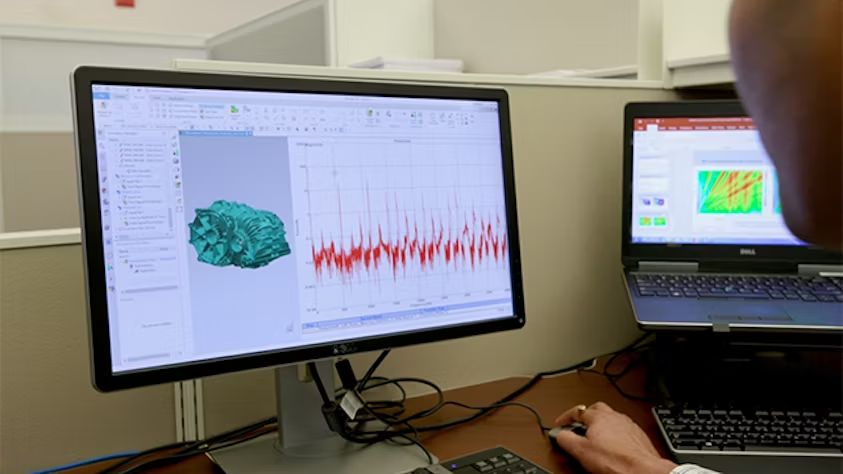
The rise of electric sports cars:
Electrification has revolutionized the automotive industry, with over 12 million hybrid or electric vehicles sold globally. While electric cars haven’t yet dominated the roads, they have reshaped perceptions, and luxury brands like Tesla, BMW, Jaguar, and Porsche have launched high-performance electric and hybrid models.
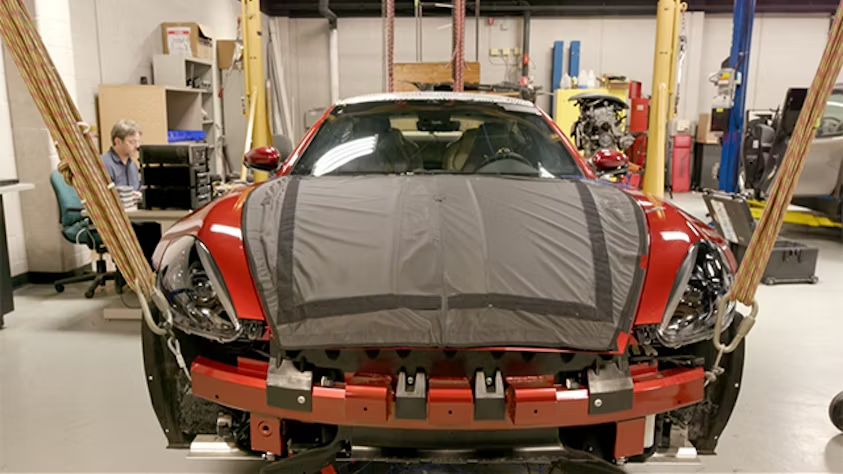
Karma Automotive, a California-based startup, emerged from the assets of Fisker Automotive in 2014. While maintaining Fisker’s attractive Italian design, Karma significantly upgraded the technology, creating a luxury hybrid sedan that combines the best of the original design with modern technological advances.
NVH optimization in a hybrid-electric sports car:
One of the major challenges in hybrid cars is managing engine noise, as the lack of combustion engine noise makes other sounds, like road and HVAC noise, more noticeable. Karma used Simcenter 3D and Simcenter Testlab to balance noise reduction without negatively impacting other attributes, such as weight or durability.
By using simulation and testing simultaneously, Karma efficiently optimized NVH performance, combining hybrid modeling and physical testing. Simcenter 3D helped simulate components under development, while Simcenter Testlab validated these models using physical test data.
Simcenter engineering and consulting services:
In addition to software tools, Simcenter’s engineering and consulting services were crucial to the project’s success. These services helped Karma optimize both the product and process development, minimizing last-minute corrections during the validation phase.
The added value of Polarion:
To manage multiple software capabilities and facilitate collaboration between teams and divisions, Karma adopted Polarion ALM. This tool allowed them to track objectives from the vehicle level down to the component level, ensuring full control over the application lifecycle and improving agility throughout the development process.
Conclusion:
With Siemens’ services, Karma Automotive not only met but exceeded its technical targets. The combination of simulation, testing, and an optimized process allowed them to successfully launch their luxury hybrid sedan to the market. With this process firmly in place, Karma is ready to take on new challenges and expand its electric vehicle lineup in the future.
Innovative 3D Scanner Serving the Largest Industrial Parts A Creaform’s Client Success Story Featuring Siemens Energy
With over 90,000 employees worldwide, Siemens Energy is a global company operating in various sectors of the energy industry, including grid technologies, decarbonization of industries, wind energy, and conventional power generation.
Located in Mülheim, Germany, the metrology group is part of the on-site machining department. Its primary focus is developing and retrofitting specialized machinery for on-site operations in power plants. The machining department also provides on-site maintenance and repair services for power plants. This service benefits the customers by ensuring short repair time, high-quality service, and the use of high-performance equipment that local workshops may not have.
Over the years, new applications have emerged, and new power plants have been built. Siemens Energy needed to increase its capacity to complete its tasks more efficiently. So, the metrology department started looking for new technologies available on the market to accelerate their work and manage their tasks within a few hours or days (instead of a week or two). This led them to the Creaform HandySCAN 3D|MAX Series.
Teams at Work at the Factory and Power Plants
Siemens Energy employs 3D scanning technology at its factory in Germany to validate the quality of parts it produces or those it receives from suppliers. The company also deploys its expert teams on-site to replace old, worn components, such as turbine rotors. By conducting thorough facility scans and precise measurements, they can reverse engineer replacement parts to ensure seamless integration with existing systems. Moreover, Siemens Energy goes beyond mere replacements by designing new parts that enhance the energy efficiency of power plants, contributing to both improved performance and environmental sustainability.

Making Accurate Measurements in a Short Time
During on-site measurements, the teams must efficiently meet the customer’s expectations within the given time window. They must capture all necessary information within the allotted time, as components may become inaccessible after the measurement period, which can occur between different machining slots, such as before or after assembly and reassembly.

Variety of Parts, from Tiny to Gigantic
Siemens Energy’s work often occurs in a humid and hot environment where strong vibrations are ubiquitous. In such a context, the teams must perform a variety of optical measurements on parts of a few centimeters up to 14 meters in size, from simple geometries, such as boreholes, to large and complex shapes like turbine blades, rotors, and castings.
As a result, Siemens Energy requires a high level of accuracy and resolution for measuring parts of all sizes, typically crafted from steel and featuring polished surfaces.

Limitations of the Previous Technology
Before relying on portable 3D scanners with high-resolution capabilities over large parts, Siemens Energy depended on manual field surveys using photos and conventional tools to carry out its tasks. However, it was common to encounter incomplete or unreliable information, resulting in delays or reduced efficiency during repair and maintenance.
Time being their most critical constraint, teams at Siemens Energy had to address these delays in repair and maintenance. Replacement parts had to perform optimally and fit perfectly the first time without iterations.
Helpful Collaboration Leading to the HandySCAN 3D|MAX Series
Siemens Energy is an early adopter renowned for its commitment to exploring and embracing new technologies. As a longstanding partner of Creaform, the company agreed to collaborate on the development of the HandySCAN 3D|MAX Series, yielding impressive results that underscore their shared dedication to innovative technologies.
Quick Measurement of Large Parts
With the HandySCAN 3D|MAX Series, the on-site maintenance and repair teams can scan large parts, as big as turbine rotors measuring up to 14 meters, in fine detail. Compared to the old system, whose setup and acquisition were long and complicated, teams can now scan more parts while saving time. The speed of the acquisition process makes all the difference because it enables Siemens Energy to limit downtimes during part replacement. Customers save money by saving time because every hour a power plant does not operate is an hour it cannot earn money.
Flex Volume for High Resolution AND High Speed
The MAX Series presents the Flex Volume feature, which gives Siemens Energy the flexibility to scan large parts at high speed from a longer distance (Far Mode) or measure smaller areas with high resolution at a short distance (Near Mode). The teams can also use the standard mode to benefit from both speed and resolution when scanning valves and connectors. This combination of speed and resolution allows them to quickly capture all the small details and ensure everything fits in its proper place on the first try during installation.
Portable Everywhere
Siemens Energy provides repair and maintenance services directly to power plant locations. On-site, the teams handle large and difficult-to-move parts in environments with high temperatures and steady vibrations. With the HandySCAN 3D|MAX Series, Siemens Energy can now perform all measurements and tasks with a single reliable device that is easily transportable and adapted to the instabilities of industrial environments.
Better Versatility for More Simplicity
Siemens Energy is particularly fond of the Smart Surface Algorithm feature, which automatically adjusts the camera shutter using advanced image processing combined with artificial intelligence. This feature enhances the performance of the MAX series and provides better readings of difficult contrasting finishes. As a result, anyone can enjoy a simpler and more straightforward scanning process, regardless of their level of expertise or experience.
HandySCAN 3D| MAX Series, A Game Changer for Siemens Energy
Over the past 13 years, the partnership between Siemens Energy and Creaform has consistently proven to be a win-win relationship. The introduction of the new measuring tool, the HandySCAN 3D|MAX Series, marks a significant milestone in this collaboration, serving as a game changer for Siemens Energy. Due to its unwavering commitment to innovation, Siemens Energy is dedicated to delivering better results to its customers in shorter time frames. The HandySCAN 3D|MAX Series embodies this commitment, allowing the company to meet and surpass its customers’ expectations.
Enhancing traceability and tracking to manage a daily workflow of 3,700 samples
Industria: Livestock
A key part of the food chain
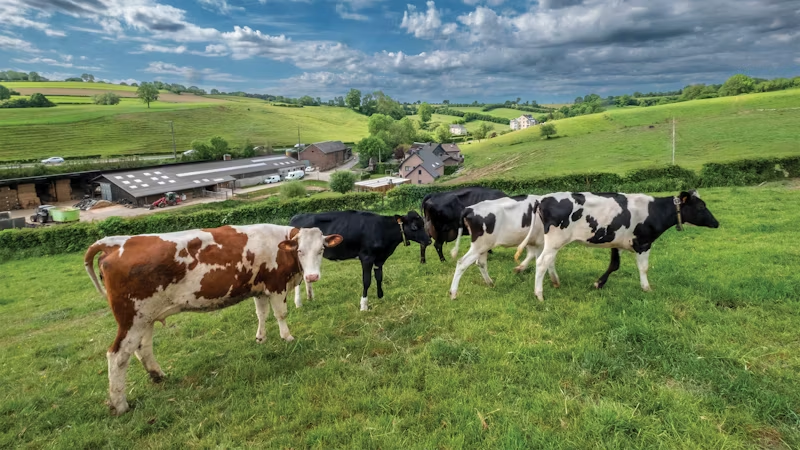
Like most countries and economic communities, the European Union (EU) has exacting standards for the traceability of its food chain, especially regarding animal identification and health.
The Regional Association of Animal Health and Identification (ARSIA) in Wallonia, Belgium, is a certified nonprofit cooperative that helps bovine and other animal farmers and veterinarians across southern French-speaking Belgium align with European animal identification and traceability norms to prevent and fight animal disease.
As a vital aspect of the food chain, ARSIA manages the laboratory side of things – completing standard tests and running general laboratory work. They also help when additional examinations and studies are required for possible disease outbreaks. This enables them to protect animal and herd health and food chain quality, complete important administrative tasks and trace the health status of the Wallonian bovine population. This is no small task in this populous farming region in northern Europe.
“Generally speaking, we receive blood samples from veterinarians’ regular farm visits, register the samples according to the animal’s ear tag identification and European health and safety procedures, complete the analysis and send back the test results to the veterinarian,” explains Cédric Mullender, lab manager at ARSIA. “This is our basic work. We can also handle batch work, more complicated analysis and blood workups and other types of samples, notably cadavers for analysis.
“The ARSIA lab counts on Siemens Digital Industries Software’s Opcenter RD&L for all our traceability, administrative and organizational processes.”
With Opcenter™ Research, Development and Laboratory (RD&L) software, which is part of the Siemens Xcelerator business platform of software, hardware and services, each job is tracked and traced from the source using the registered animal ear tag number. ARSIA receives the samples from the veterinarian, and they are registered as a “one request file,” which can contain data covering one or more samples, all the administrative information and additional analysis requirements. This could include herd sample selection, amounts and types of analysis requests.

Small yet complex
Even in a small region like Wallonia, the analysis is highly complex. Teams from ARSIA collect blood samples from over 80 veterinarians and pick up an average of 21 cadavers for postmortem analysis daily, which does not include the mandatory blood samples from newborns.
“We receive a huge number of samples every day – around 3,700 grouped in 800 requests,” says Mullender. “Most of these requests, about 580 files, are already in an automated sample flow, but this volume still generates a huge amount of lab analyses and files to track. “For more specific work, we can set up additional flows and processes in Opcenter RD&L. I’ve written some myself. Of course, we can check for accuracy manually, but when we see a mainstream flow developing with systematized data, we try to automate it.”
-640x360.jpg?w=900&fit=max&q=60&dpr=1&auto=format)
© Didier Vanmollekot
Streamlining the data flow
The 3,700 samples a day is even more impressive when you realize the ARSIA lab team numbers between 11 and 15 people who register information depending on the analysis period. Today, the data flow is highly automated and runs rapidly and smoothly.
“Our digital transformation with Opcenter RD&L has been life changing for our lab techs,” says Mullender. “Our tool is extremely fast, yet familiar and easy to use. Our lab techs have everything they need right in front of them.”
The road to a successful rollout
But this wasn’t always the case. For years, ARSIA and its members ran all types of software programs to manage the different sample flows.
“Over the years, we narrowed our laboratory information management systems to four and then two, but we knew we needed a single software solution that would be highly flexible and able to handle future complexity and new data flows,” says Mullender.
-640x360.jpg?w=900&fit=max&q=60&dpr=1&auto=format)
The ARSIA wish list
Even with a single solution ARSIA knew it would be an even better investment if the software could be extended to integrate more processes with additional flexibility.
“When we started the integration project with Opcenter RD&L, we were impressed by the local development support we got from the Siemens team,” states Mullender.
“We had a fair amount of customization on our list. We wanted a universal interface to easily integrate tools and data streams. We needed a dependable test report system and a complete billing system that was integrated into the entire process. It was a long and tough list and having a team of competent developers here in Belgium made this happen; it made the entire project a success.”
Mullender and his team realized customized process improvements, like plate management, would save time and operational costs while they were migrating to the Opcenter RD&L system.
“The plate management feature automatically organizes all the samples into the respective lab rack according to analysis type and context,” explains Mullender. “This saves a tremendous amount of lab technician time because it places a series of samples according to specific analyses and context into a group.”
-640x360.jpg?w=900&fit=max&q=60&dpr=1&auto=format)
Quick responses to tough questions
“Siemens has always made sure that issues were resolved,” says Mullender. “Support was there when we needed it, so we had the lab machines up and running on time. We worked with competent people who understood our needs.
“We have worked with Siemen for several years and this experience has given us confidence in them. They have the trust of their customers. I think this is one of the most important points when it comes to working with Siemens.”
Always up to date
Today, the team and techs aren’t sitting around waiting for data, dealing with messy backlogs or trying to get computer programs to talk to each other.
“We’re always up to date,” says Mullender. “It is all traceable, auditable and automated. We know how to track everything. It saves a lot of time. We’re making the most of what Opcenter RD&L has to offer.”
The ARSIA team is especially proud of the customized universal interface they use to integrate critical data from outside applications, such as scheduling visits.
“The universal interface lets us easily create connections,” says Mullender. “I know how to do it and I am not a computer scientist. We’re pretty good at getting the data we need where we need it on our own. As a lab manager, it is what I wanted in a system: I wanted us to be autonomous.
”To get up to speed, we also invested in high-performance machines. Investing in the right equipment to run Opcenter RD&L has made a huge difference. Now it’s extremely fast.
“When it comes to test reports, things just run like clockwork. The crux of the problem was hardware performance. At the start, it took a few hours to send around 40 results. With our Opcenter RD&L system finely tuned and running on the right hardware setting, it takes 10 minutes. It’s easy to save an enormous amount of time.”
-640x360.jpg?w=900&fit=max&q=60&dpr=1&auto=format)
Ready for complex lab work
Now that the Opcenter RD&L system is in place, the team is using it for more complex lab exploratory analysis work like bacteriology that requires collecting data on evolving sample cultures.
“With Opcenter RD&L, we’ve managed to model this with 50 or so methods and parameters,” says Mullender. “Even with all the complexity, we’ve created a tool that’s flexible and performs well enough for bacteriology work.
“That’s the beauty of Opcenter RD&L. If you start with the right parameters and information, Opcenter RD&L helps people make the right choices from a huge selection of items. All you do is follow the steps, make your choice and it works.”
-640x360.jpg?w=900&fit=max&q=60&dpr=1&auto=format)
The bigger food chain picture
Government bodies must have the means to act quickly and control outbreaks of diseases that can harm individual animals, animal populations, farmers and the overall economy, including the health and welfare of the general population.
In case of an outbreak, it is crucial to know where the animals were kept, where the outbreak originated, where the animal went and where the disease transmission likely took place.
“This is why the traceability data we keep in Opcenter RD&L is so vital,” explains Mullender. “We will continue to use it to cover more monitoring and technical parameters until we cover everything. We have confidence in Opcenter RD&L because we can see in detail who did what and we can always find the data that we need quickly and easily.
“In the future, all our government procedures and LIMS processes will be going mobile and thanks to our working relationship with Siemens, we’ll be ready.”