Crucianelli, an Argentine manufacturer of seeders with nearly 70 years of history, has embarked on a deep digital transformation with the goal of becoming one of the top five seeder manufacturers in the world by 2030. To achieve this, the company adopted the full Siemens Xcelerator portfolio, redefining its design, simulation, and manufacturing processes.
From Family Workshop to Innovation Leader
Founded by Don Nazareno Crucianelli in Armstrong, Santa Fe, the company began as a small workshop repairing agricultural machinery. Today, under the leadership of the third generation, Crucianelli blends tradition, sustainability, and technology to tackle modern agricultural challenges such as climate change, labor shortages, and the pressure to increase productivity sustainably.
The Solution: Siemens Xcelerator
With support from partners Simecanic / X-Plan and Descar Argentina, Crucianelli implemented a comprehensive solution based on:
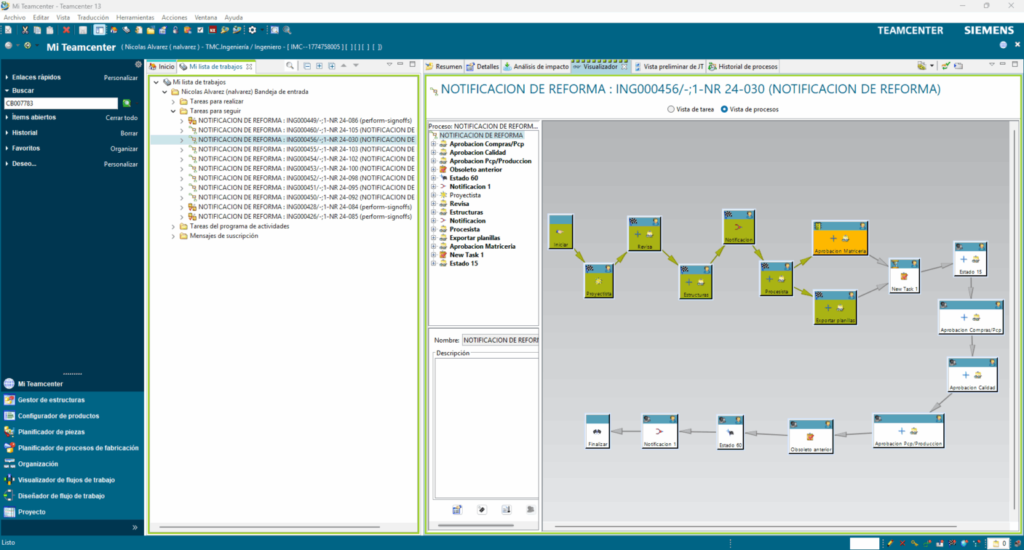
Teamcenter as the PLM backbone, integrated with SAP.
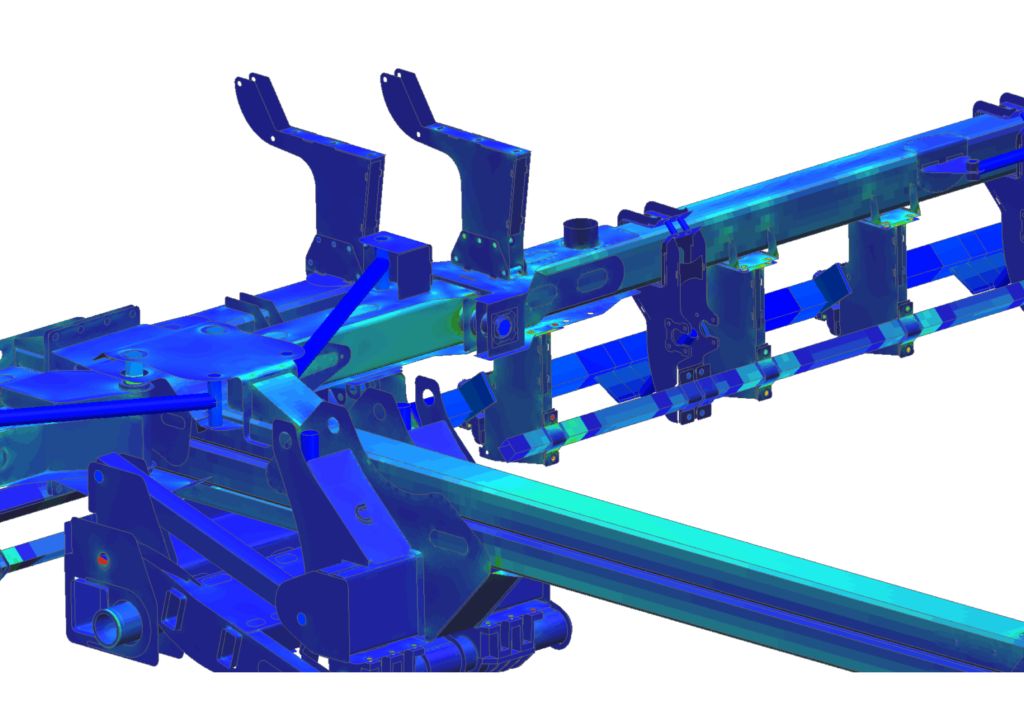
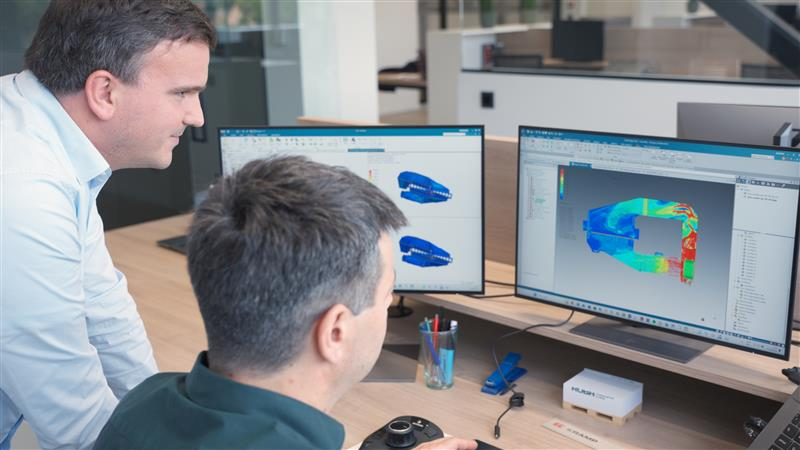
Simcenter 3D for structural and motion analysis.
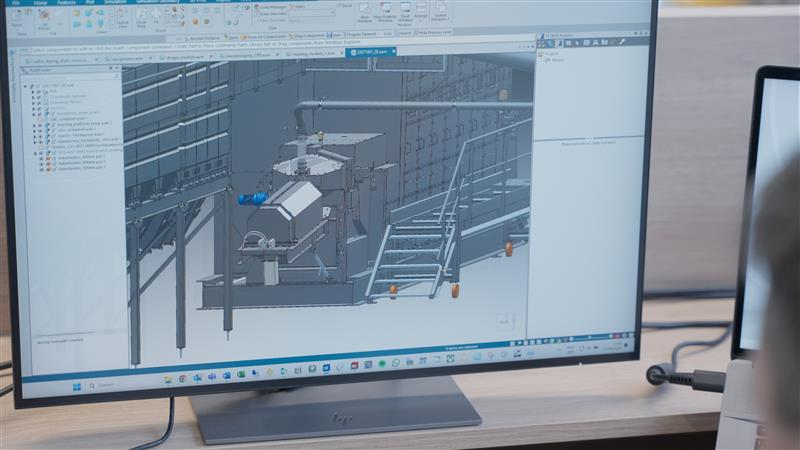
Designcenter NX for advanced CAD design.
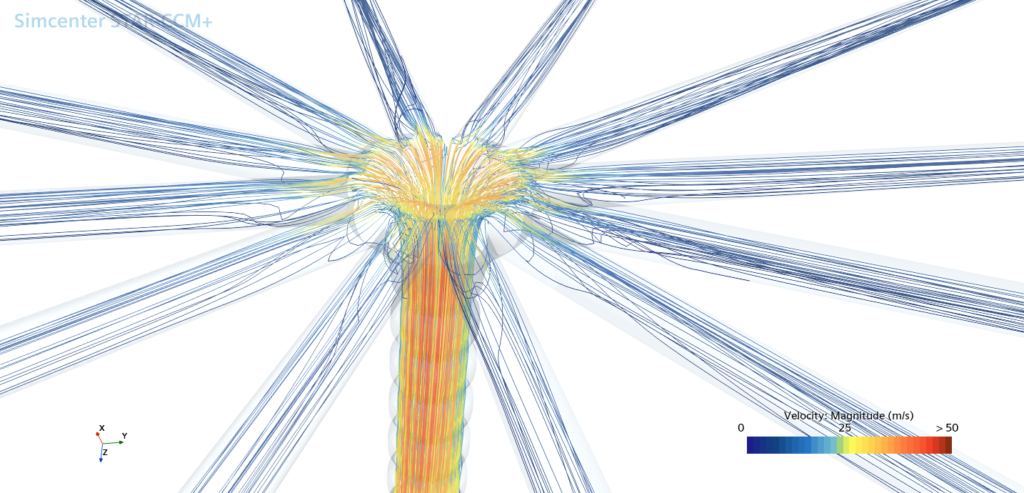
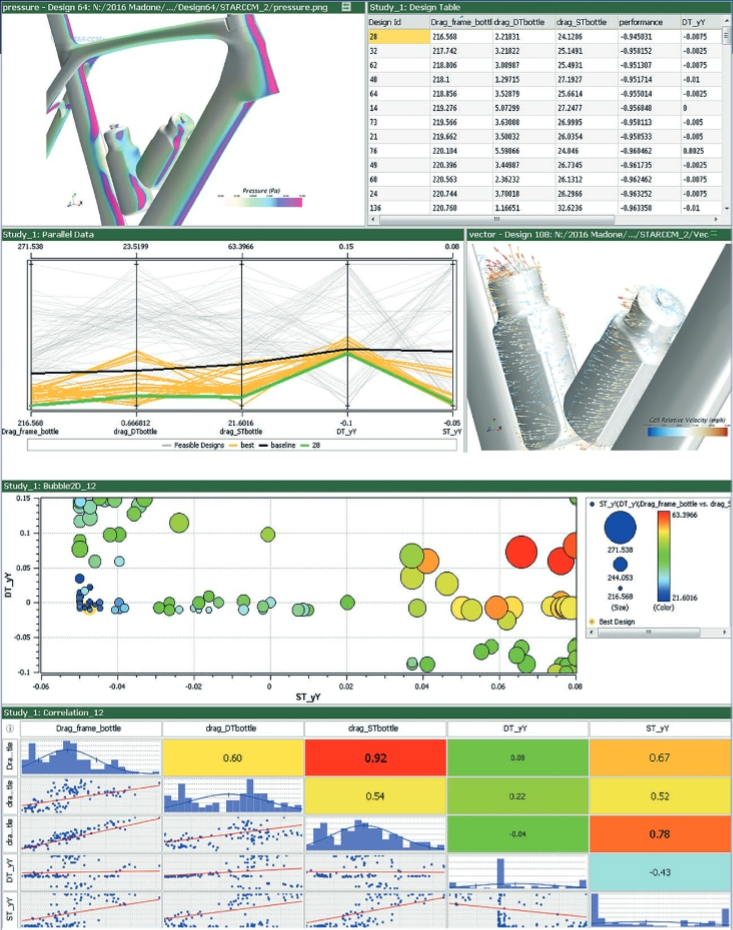
Simcenter STAR-CCM+ for CFD-DEM simulations of seed distribution systems.
Tecnomatix Plant Simulation to digitize manufacturing processes.
Flagship Project: The Dómina Seeder
The Dómina is Crucianelli’s first seeder developed entirely in a digital environment. The engineering team built a FEM model with over one million elements (1D, 2D, and 3D), simulating transport and field conditions. With Simcenter 3D, they optimized load distribution, validated structural integrity, and significantly reduced the need for physical prototypes.
A dual-track simulation strategy was applied: one team focused on motion analysis, while another handled structural validation. The integration between NX and Simcenter enabled early design decisions and faster iterations.
Key Results
Over 40% reduction in development time and physical testing.
Complete digitalization of design, manufacturing, and product configuration.
Performance optimization of new and existing machines, such as the Plantor, using CFD-DEM simulations in STAR-CCM+.
Beyond Design: Digitizing the Factory
Crucianelli is also digitizing its production plant using Tecnomatix Plant Simulation, aiming to optimize processes, logistics, and resources. The long-term goal is to replicate digital twin capabilities across the entire organization.
Training and Knowledge Transfer
Success was also driven by a strong training strategy. Young engineers were trained in structural modeling, mesh reduction, and result interpretation, while preserving the hands-on knowledge of experienced technicians. This combination strengthened the company’s innovation culture.
A Collaborative Ecosystem
The collaboration between Crucianelli, Siemens, and local partners was key. The integration of Teamcenter with SAP, automation of product configurations, and ongoing technical support enabled Crucianelli to accelerate innovation and improve competitiveness.
Conclusion
Crucianelli shows how a family-owned company can lead digital transformation in the agricultural sector. With Siemens Xcelerator, it has improved internal efficiency and developed more robust, precise, and field-ready products.
A digital transformation story presented by Goaltech, Official Siemens Partner
The Challenge: Extreme Quality in Automotive Components
ZF Friedrichshafen AG, a global leader in transmission and chassis technology, faced the challenge of achieving extremely high quality levels in their automotive components. With the industry demanding standards of 15 parts per million (PPM) defects, ZF needed a technological solution that would allow them not only to meet, but exceed these expectations.
Digital Transformation: From Gearboxes to Electric Vehicles
The Context of Change
The automotive industry is experiencing its greatest transformation since the invention of the automobile. ZF, traditionally known for its mechanical transmission systems, had to quickly adapt to the future of electric and autonomous mobility.
Specific Technical Challenges:
Microscopic precision: Manufacturing tolerances in the micron range
Product diversity: From traditional mechanical components to advanced electronic systems
Scalability: Maintaining consistent quality in mass production
Complete traceability: Detailed tracking of each component
The Solution: Siemens’ Simcenter Anovis as Game Changer
Siemens Technology That Makes the Difference
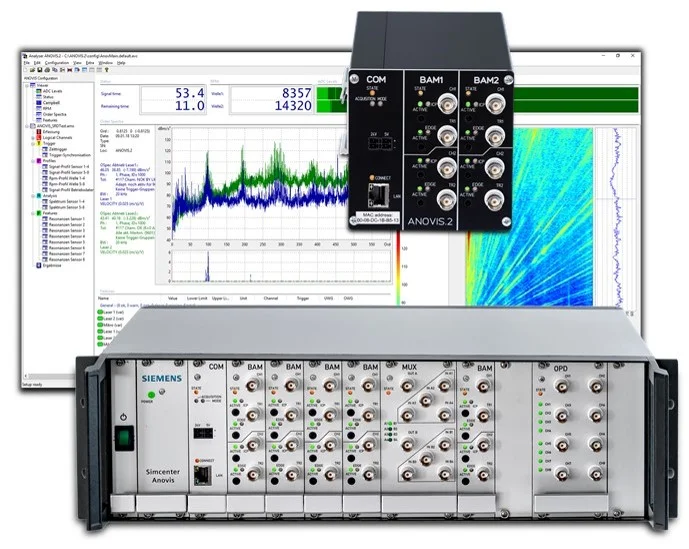
At Goaltech, as Official Siemens Partner, we have witnessed how ZF implemented Simcenter Anovis, one of the most advanced platforms in the Siemens Digital Industries portfolio. This solution combines:
High-precision measurement in real-time
Predictive analysis with artificial intelligence
Complete integration with manufacturing systems
Advanced visualization of quality data
Key Capabilities Implemented:
1. Advanced Metrology
High-precision laser measurement systems
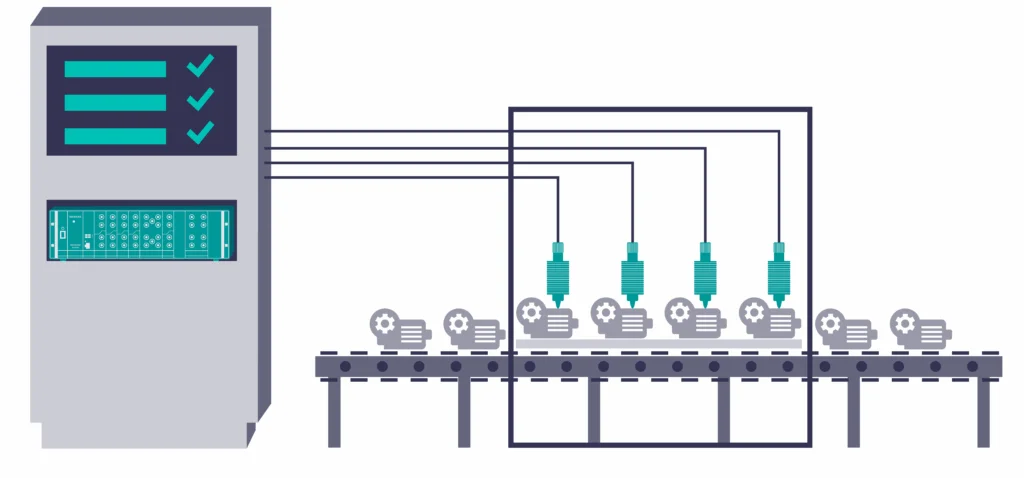
24/7 automated inspection
Real-time defect detection
2. Predictive Analytics
Machine learning algorithms to predict failures
Predictive equipment maintenance
Continuous process optimization
3. Digital Traceability
Complete product lifecycle tracking
Integration with ERP and MES systems
Automatic quality documentation
Extraordinary Results
Impact Metrics:
Quality: Achieved and exceeded the 15 PPM target
Efficiency: 40% reduction in inspection times
Costs: 25% decrease in non-quality costs
Innovation: Acceleration of electric product development
Specific Application Cases:
Electric Transmission Components
Manufacturing precision: ±2 microns
Defect rate: <10 PPM
Inspection time: Reduced by 60%
Power Steering Systems
100% automated inspection
Early wear detection
Service life prediction with 95% accuracy
Competitive Advantage with Siemens and Goaltech
The Siemens Digital Ecosystem
ZF’s successful implementation is based on Siemens’ integrated digital ecosystem, which includes:
Simcenter Anovis: For advanced metrology
Teamcenter: For product lifecycle management
NX: For digital design and manufacturing
Opcenter: For manufacturing operations
Goaltech’s Role as Partner
As Official Siemens Partner, Goaltech provides:
Local expertise: Deep knowledge of the Mexican market
Specialized support: Team certified in Siemens technologies
Comprehensive implementation: From consulting to post-sale support
Continuous training: Formation of local teams
Key Differentiators:
Exceptional Quality: Products that exceed the most demanding expectations
Agility: Rapid adaptation capability to new requirements
Sustainability: Significant waste reduction
Innovation: Platform for future technology development
Lessons Learned and Best Practices
Critical Success Factors:
Executive commitment to digital transformation
Comprehensive training of technical staff
Gradual but consistent integration of technologies
Continuous improvement culture at all levels
Goaltech Recommendations for Implementation:
As experts in Siemens solutions, from Goaltech we recommend:
Comprehensive evaluation: Complete diagnosis of current processes
Personalized roadmap: Implementation plan adapted to each company
Scalable Siemens technology: Solutions that grow with your business
Continuous support: Local Goaltech support at every stage
The Future: Expanding Horizons
ZF continues innovating with plans for:
Advanced artificial intelligence in quality control
Digital twins of manufacturing processes
IoT integration for remote monitoring
Blockchain for immutable traceability
Conclusion: The Future of Manufacturing with Siemens and Goaltech
The ZF case demonstrates the transformative power of Siemens technologies when properly implemented. At Goaltech, as Official Siemens Partner in Mexico, we are committed to bringing these world-class solutions to Mexican industry.
Why choose Goaltech and Siemens?
Proven technology: Solutions used by world leaders like ZF
Local experience: Mexican team with international certifications
Comprehensive support: From consulting to implementation and maintenance
Complete ecosystem: Access to the entire Siemens Digital Industries portfolio
Ready to transform your company?
At Goaltech, we work hand in hand with Siemens to take your company to the next level. Contact us and discover how the same technologies that transformed ZF can revolutionize your business.
Goaltech – Your Siemens Partner in Mexico Transforming Mexican industry with world-class German technology
The Challenge: Optimizing Next-Generation Hybrid Vehicle Performance
In an increasingly competitive and sustainability-focused automotive market, hofer powertrain faced the challenge of developing Dedicated Hybrid Transmission (DHT) systems that would maximize both fuel efficiency and vehicle performance. The complexity lies in the fact that having the best hardware is not sufficient: an intelligent energy management strategy is required to optimize the distribution between internal combustion energy and electric energy.
The Solution: Advanced Siemens Technology for Comprehensive Optimization
hofer powertrain chose the powerful tools from Siemens Digital Industries Software to address this complex challenge, implementing a comprehensive solution based on:
Simcenter Amesim: The Leading Simulation Platform
Siemens’ flagship tool for multi-physics system modeling enabled hofer powertrain to:
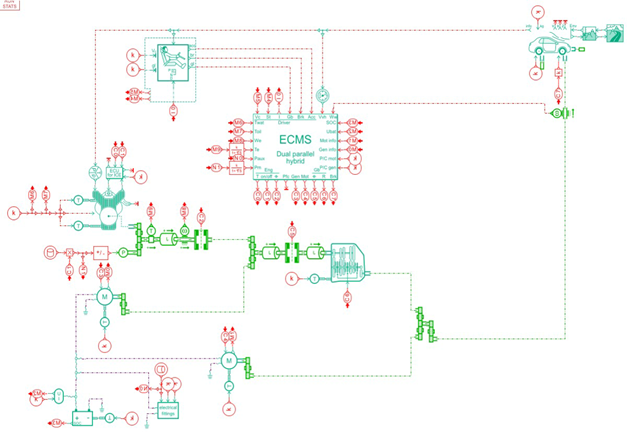
Create precise models of the dual-parallel hybrid powertrain
Implement the Hybrid Optimization Tool (HOT) with advanced algorithms
Automatically generate forward models for dynamic validation
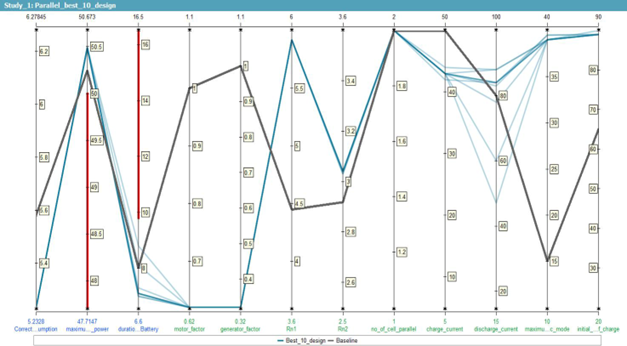
Automated exploration of 250 design configurations
Optimization algorithms that identified the optimal configuration
Parallel analysis of multiple design variables simultaneously
Optimized System Architecture
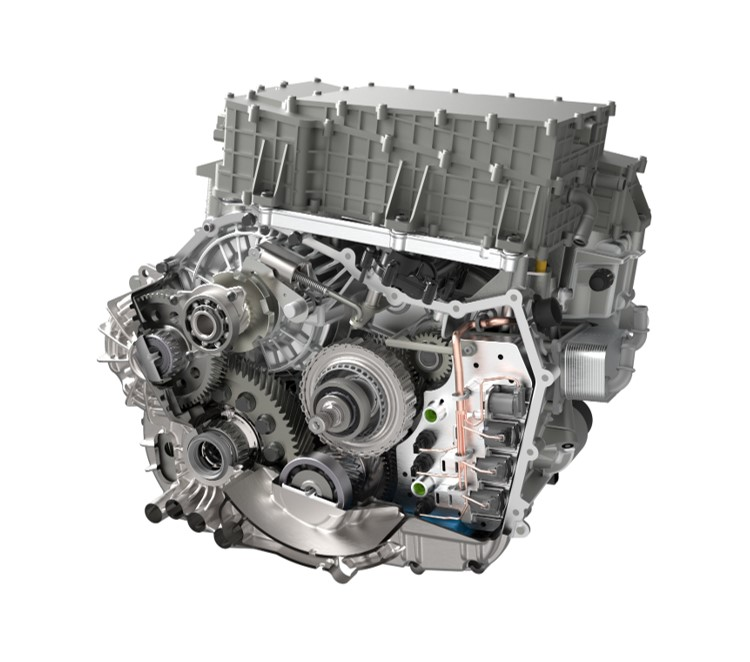
Dual-parallel hybrid vehicle equipped with a 1.2-liter internal combustion engine
Dedicated Hybrid Transmission (DHT) optimized specifically for hybrid applications
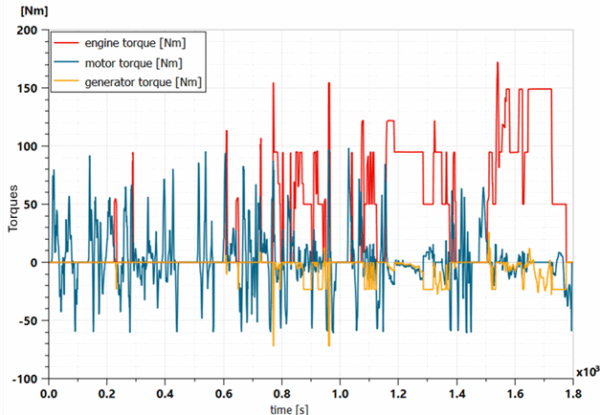
Advanced energy management system combining Pontryagin’s Minimum Principle for offline optimization and Equivalent Consumption Minimization Strategy for real-time optimization
Integrated Workflow with Siemens Technology
The synergy between Siemens tools created an unprecedented optimization process:
Simcenter HEEDS automatically manages and varies design parameters
Simcenter Amesim HOT calculates optimal control for each configuration
The integrated Siemens ecosystem ensures seamless data transfer
Automatic generation of the final optimized Simcenter Amesim model
“The native integration between Simcenter HEEDS and Simcenter Amesim was key to the project’s success, eliminating data transfer errors and significantly accelerating the optimization process.”
The Results: Siemens Technology Power in Action
Thanks to the computational power and advanced algorithms of Simcenter HEEDS, which automatically explored 250 different designs, and the precision of Simcenter Amesim for detailed modeling, the results were extraordinary:
Efficiency and Performance Improvements
Metric
Baseline Design
Optimized Design
Improvement
Fuel consumption
5.58 L/100km
5.23 L/100km
-6.3%
0-100 km/h acceleration
8 seconds
7 seconds
-12.5%
Maximum speed in electric mode
54 km/h
140.4 km/h
+160%
Component Optimization
38% reduction in motor power scaling factor
68% reduction in generator power scaling factor
33% improvement in first gear transmission ratio
The Validation: Proven Precision of Simcenter Amesim
The project’s success was confirmed through the robust validation capabilities of Simcenter Amesim:
Integrated Dual Modeling
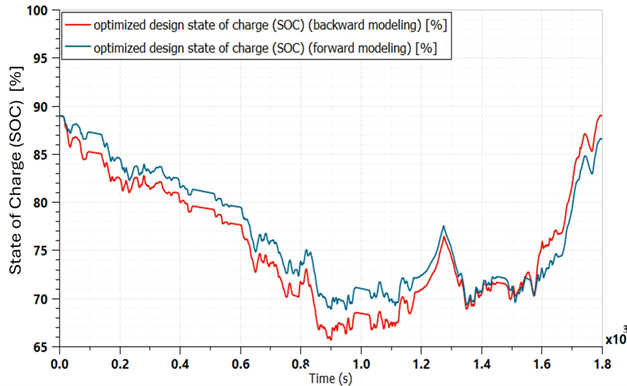
Backward model (Simcenter Amesim HOT): High-speed quasi-static optimization
Forward model (Simcenter Amesim): Dynamic simulation with real transient effects
Automatic transition between models without data loss
Validated Results
The consistency between both modeling approaches demonstrated the exceptional precision of Siemens tools:
Less than 0.2% difference between simulations, confirming software reliability
The Impact: Siemens Ecosystem Transforming the Industry
This success case demonstrates how Siemens Digital Industries Software integrated solutions can:
Accelerate innovation: Drastic reduction in development time through automation Guarantee precision: Cross-validation between multiple modeling approaches Optimize resources: 250 designs explored automatically vs. years of physical testing Drive sustainability: 6.3% less consumption = significant emission reduction
Competitive Advantages of the Siemens Ecosystem
Native integration between tools eliminates transfer errors
Scalability for projects of any complexity
World-class algorithms in multidisciplinary optimization
Specialized technical support from our strategic partner Siemens
Future Perspectives with Siemens
hofer powertrain continues innovating with the Siemens solutions ecosystem, exploring:
Simcenter Amesim for battery aging modeling
Simcenter HEEDS for next-generation modular architectures
Integration with other Siemens solutions for renewable energy
Why Choose Siemens Solutions?
Proven Precision: Less than 0.2% differences between models Development Speed: 250 designs optimized automatically Total Integration: Complete ecosystem without data loss Measurable Results: 6.3% less consumption, 12.5% better acceleration
This success case demonstrates the transformative power of Siemens Digital Industries Software in hybrid vehicle optimization, validating our strategic alliance to deliver the best market solutions.
Ready to revolutionize your hybrid vehicle development? As an authorized Siemens partner, we offer complete access to these world-class tools, along with specialized technical support and certified training.
Bicycles are more than just a mode of transport or a healthy hobby—they are the result of decades of innovation where technology plays a crucial role in making them faster, safer, and more comfortable. At Goaltech Engineering Solutions, proud Siemens partners, we have witnessed and actively contributed to this digital revolution in the cycling industry.
The Challenge: Bringing the Bicycle from the Past into the Digital Future
Since Karl Drais invented the Draisine in 1817, bicycles have evolved dramatically. But the deepest transformation is not only in materials or classic design—it’s in how bicycles are developed today: through the power of simulation software and digital engineering.
Leading manufacturers like Trek, Cervelo, and Ridley rely on advanced solutions to optimize every detail—from aerodynamics to rider safety.
Our Solution: Siemens Software for 100% Digital Development
At Goaltech, we implement and support cycling brands with Siemens solutions that transform the design and validation process:
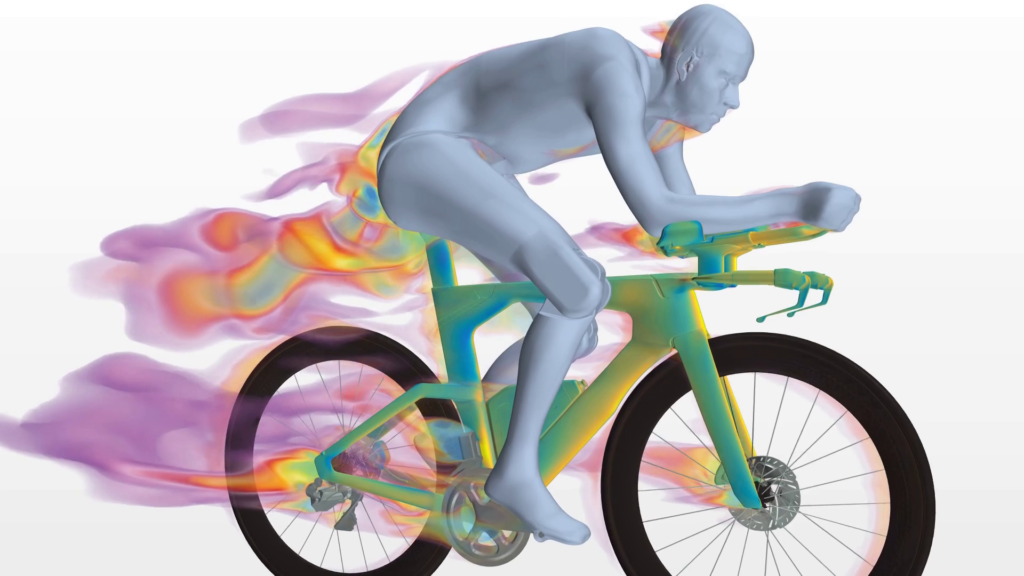
GPU-accelerated Simcenter CFD: Enables simulation of airflow around frames and components, optimizing aerodynamics to reduce drag and increase speed. Trek, for example, uses these tools to analyze hundreds of configurations and perfect rider and accessory positioning.
Structural simulation and impact testing: Using Simcenter technology, we perform advanced helmet impact and rotational analysis to maximize protection without sacrificing comfort or weight.
Thermal and acoustic optimization: Software allows balancing ventilation and thermal comfort in helmets while reducing noise and vibrations in e-bikes for a quiet and enjoyable ride.
Full system simulation: From ultra-light hydraulic transmissions to electric motors, digital tools enable the design of more efficient and reliable e-bikes, encouraging millions to adopt sustainable mobility.
Tangible Results: Innovation You Can Feel in Every Pedal Stroke
Thanks to these technologies, today’s bicycles are faster, safer, and more comfortable than ever. Advanced simulation reduces development time and costs, accelerates innovation, and improves the end-user experience.
Radiate Engineering & Design AG, for instance, optimized carbon monocoque wheels with Siemens software to reduce drag by 7% and increase stability in crosswinds—a decisive advantage for professional riders.
Why Goaltech and Siemens?
As strategic partners, Goaltech and Siemens provide the tools manufacturers need to lead the digital transformation in cycling. From CFD simulation to structural and acoustic analysis, the software enables agile, reliable, and data-driven development.
In Summary
The future of cycling is digital, and software is the key to unlocking new levels of performance, safety, and comfort. At Goaltech Engineering Solutions, we’re ready to accompany you on this innovation journey with the best technologies on the market.
The Challenge: A More Sustainable Coffee The coffee industry faces a significant challenge regarding sustainability. Traditional coffee roasting methods consume large amounts of energy, leaving a high carbon footprint. Ray & Jules, a Belgian company focused on clean energy solutions, and CEE set out to create a more efficient, sustainable roasting system using solar energy.
Their goal was clear: design a roaster that reduced energy consumption by up to three times compared to conventional methods. However, achieving this required overcoming design challenges, including thermal efficiency and precise control of the roasting process to ensure consistent coffee quality.
The Solution: Optimization with Simcenter To bring their vision to life, Ray & Jules and CEE turned to Simcenter simulation tools by Siemens. Using Simcenter, engineers could analyze and optimize the thermal and aerodynamic design of the roaster, ensuring even and efficient heat distribution.
Simcenter enabled them to:
Evaluate the airflow performance within the roaster.
Optimize heat transfer to ensure a uniform coffee roast.
Identify potential energy losses and address them before manufacturing.
The use of Simcenter allowed for design adjustments in the development phase, avoiding costly mistakes and ensuring a faster and more accurate product development.
The Results: Energy Efficiency and Coffee Quality The benefits of using Simcenter were significant: Up to 3 times less energy consumption compared to traditional roasters. Reduced thermal waste thanks to an optimized design. High-quality coffee with uniform roasting and precise process control.
Ray & Jules and CEE have positioned themselves as leaders in sustainable innovation in the coffee industry, showing that combining renewable energy and simulation technology is key to transforming traditional sectors into more sustainable futures.
With Simcenter, energy efficiency and sustainability go hand-in-hand, allowing companies like Ray & Jules to redefine coffee production standards.
CFD for clean air: How simulation is transforming spaces and processes.
Until 2020, Computational Fluid Dynamics (CFD) for ensuring clean air was not a topic that captured the attention of the general public. However, with the COVID-19 pandemic, the need for clean and healthy air became a matter of global concern. This led to CFD reaching the mainstream media. Although public attention has been reduced following the pandemic, the need for purified air in public facilities, offices and transportation remains crucial. Moreover, it is not only humans who require high standards of air quality; many industries need controlled environments to avoid contamination that can affect the production of goods.
CFD simulation is an essential tool in this ongoing challenge. Simulation software from Siemens’ Simcenter portfolio is used in a variety of applications to ensure that air is purified, improving both our breathing and manufacturing processes.
Three ways CFD helps ensure clean air
While CFD simulations do not replace public health guidelines, they can be useful in three key areas:
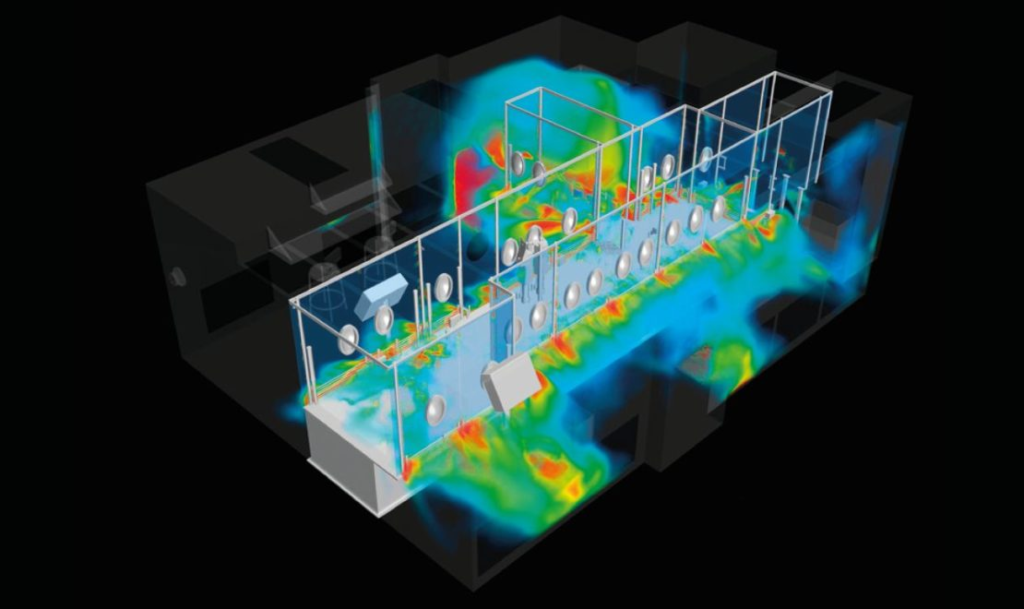
Understanding pollutant transport and mitigation 2. CFD allows modeling the movement of aerosols and particles in space and time. This is especially useful in controlled indoor spaces such as rooms, automobiles, trains, airplanes, clean rooms, and food factories.
Improve and redesign indoor spaces for safety. With CFD, multiple configurations for ventilation systems can be analyzed, ensuring efficient removal of particulate contaminants in indoor spaces. It is also possible to optimize the location of air purifiers and air barriers.
Designing equipment to remove hazardous substances and purify air. CFD enables the design of more efficient air purification devices used in public buildings, transportation and industrial environments.
CFD case studies for clean air
Public transportation
Airbus: Used Simcenter STAR-CCM+ to model the transport of cough particles in aircraft cabins, evaluating the effectiveness of face masks.
Norton Straw:** Analyzed ventilation strategies in trains, such as opening windows or installing plastic barriers, optimizing passenger safety.
Buildings
HOLT Architects:** Redesigned office spaces to reduce airborne virus transmission. Simulations evaluated the effectiveness of HVAC systems, window openings and the use of disinfection devices.
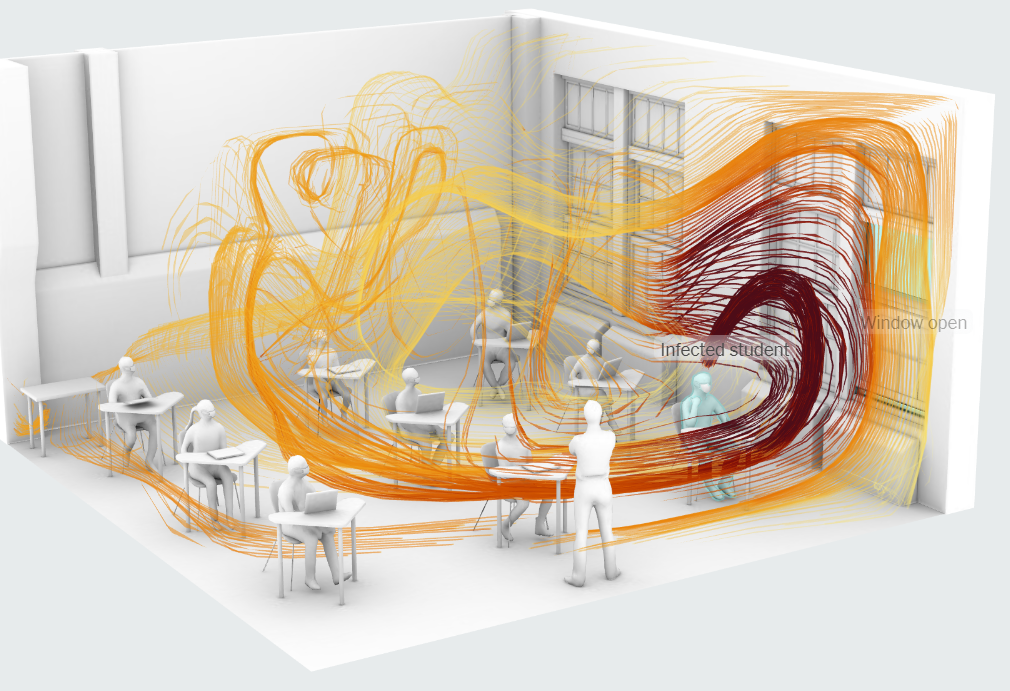
JB&B:** Showed how opening windows in classrooms dilutes contaminants, helping to minimize the risk of contagion in schools.
Industrial production
FS Dynamics:** Developed an advanced methodology to avoid contamination on lithography machines in the semiconductor industry.
Creaform Engineering: Simulated vaccine filling lines in clean rooms, ensuring regulatory compliance and minimizing economic losses.
Beyond Human: Purification in Industrial Processes
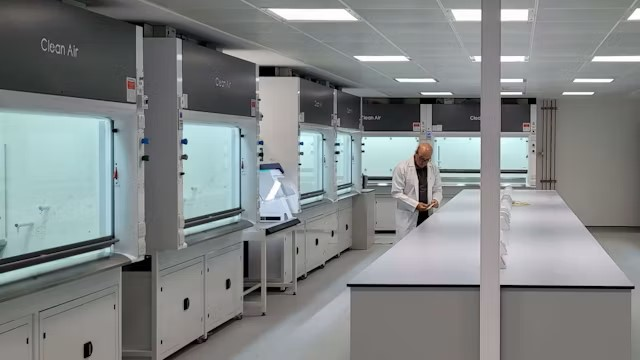
In addition to protecting people, CFD simulation plays a key role in maintaining hygienic standards in the production of food, drugs and other sensitive goods. Companies such as Excelitas Noblelight and Clean Air Limited have used CFD to design innovative devices, from UVC air purifiers to fume hoods, improving both efficiency and sustainability.
In short, Computational Fluid Dynamics not only helps improve the quality of the air we breathe, but also transforms key processes in multiple industries. Ready to explore what CFD can do for you?
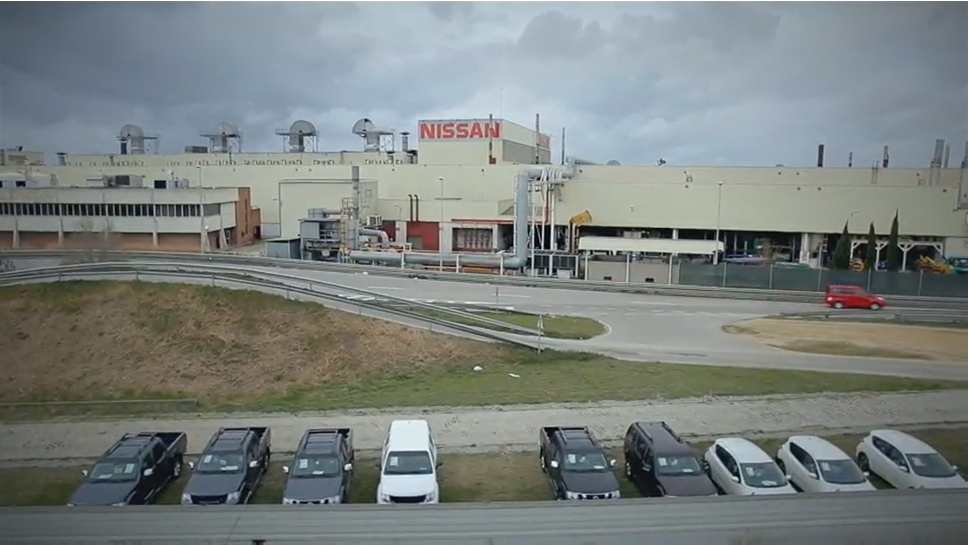
In 2017, Nissan enjoyed a record year with 5,820,000 cars sold globally. That year, Renault-Nissan Alliance became the world’s leading seller of passenger vehicles, surpassing Volkswagen.
Nissan’s brand awareness and recognition is at its zenith. In fact, YouGov BrandIndex, which measures the public perception of thousands of brands in Europe, reports that Nissan is the fifth-ranked automobile supplier (of 38) for United Kingdom (UK) consumers.
To continue increasing brand perception, as well as improving the quality ranking, Nissan sets high standards in regard to engineering quality and reliability, it is essential to understand and address the needs and requirements of its local customers. The role of the Nissan Technical Centre in Europe (NTCE) is to support Nissan’s reputation and ensure that performance attributes of new vehicle designs and concepts meet European consumer expectations. Nissan Technical Centre Spain (NTCE-S) is a center of excellence for the design and development of vehicles manufactured across Nissan’s European production plants, focusing on key activities such as powertrain development, light commercial vehicle engineering and testing.
Nissan is committed to offering its European customers the highest standards of quality and reliability. This is one of the reasons why NTCE-S invested in Simcenter™ software solutions from Siemens Digital Industries Software for test-based durability engineering to bring its engineering capabilities to the next level.
Durability is key
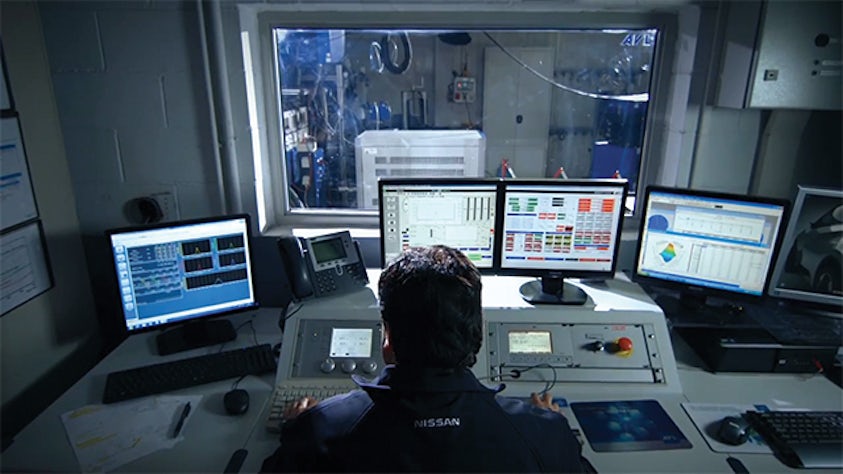
The main role of the function and durability department at NTCE-S is to validate the functional performance of an engine’s components over the vehicle’s lifecycle. To assess performance, the team conducts extensive tests on components fitted on NTCE’s engine dynamometer (dyno). It also evaluates the component’s performance in a full assembly configuration, where the complete vehicle is positioned on the chassis dyno. Finally, the team puts passenger cars and light commercial vehicles (for example, pick-up segment) through fatigue tests, either on the test bench or the test track.
A large number of the tests performed by the function and durability team are durability tests. Durability is an important performance attribute of passenger and light commercial vehicles. In the light commercial vehicles market segment, consumers are inclined to select a brand they trust will support their daily needs.
“Durability is extremely important,” says Arturo Barreu, powertrain durability test engineer, function and durability department, NTCE-S. “In Europe, this attribute is closely associated with the perception of quality. As the demand for quality increases, we need to confirm the durability of our vehicles. Consumers expect vehicles will not break down after only one year, but up to 20 years.”
Other attributes such as ride and in-vehicle comfort, engine power and fuel efficiency are also important in the vehicle’s design. The role of a durability engineer has become more complex as durability engineering teams need to take more parameters into account when conceiving and testing components, subsystems and full systems of next-generation vehicles.
Streamlining processes
One of the steps the team took to improve durability engineering was to invest in solutions from the Simcenter portfolio. With its portfolio, Siemens Digital Industries Software helps streamline the engineering process by offering an end-to-end solution for test-based durability engineering.
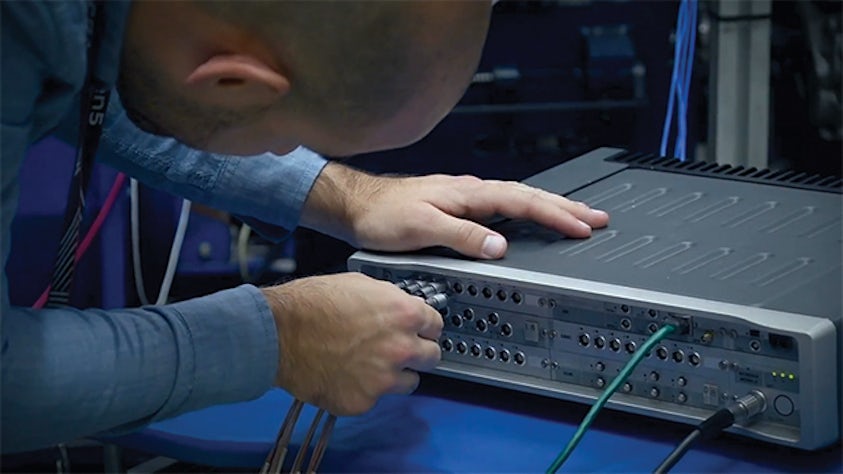
A complete durability test campaign encompasses measurements on the engine dyno, followed by measurements on the chassis dyno, after which the test team moves to the test track. As the engineers are required to move the test equipment from one location to the next and to instrument the test item anew, they appreciate the portability and flexibility of Simcenter™ SCADAS hardware.
“We use Simcenter SCADAS for all our data acquisition tasks,” says Barreu. “It is a portable system which is very compact. It is also versatile, adjusting to our needs. With it, we can acquire different types of data such as acceleration or strain, using the same equipment. Our Simcenter SCADAS data acquisition systems total more than 100 channels, which we can easily transport from the engine dyno to the chassis dyno and to the test track and back.”
Beyond data acquisition, the team streamlined its durability engineering process by relying on Simcenter Testlab™ software for load and fatigue analysis. The software effectively supports every step of a testing campaign, from data acquisition to load classification and fatigue life prediction. Moreover, it forms part of a platform dedicated to multiphysics test-based performance engineering and, as such, better helps balance the contribution of various performance attributes such as acoustic, comfort and durability, combined with low weight and fuel economy, to the overall perceived quality and reliability.
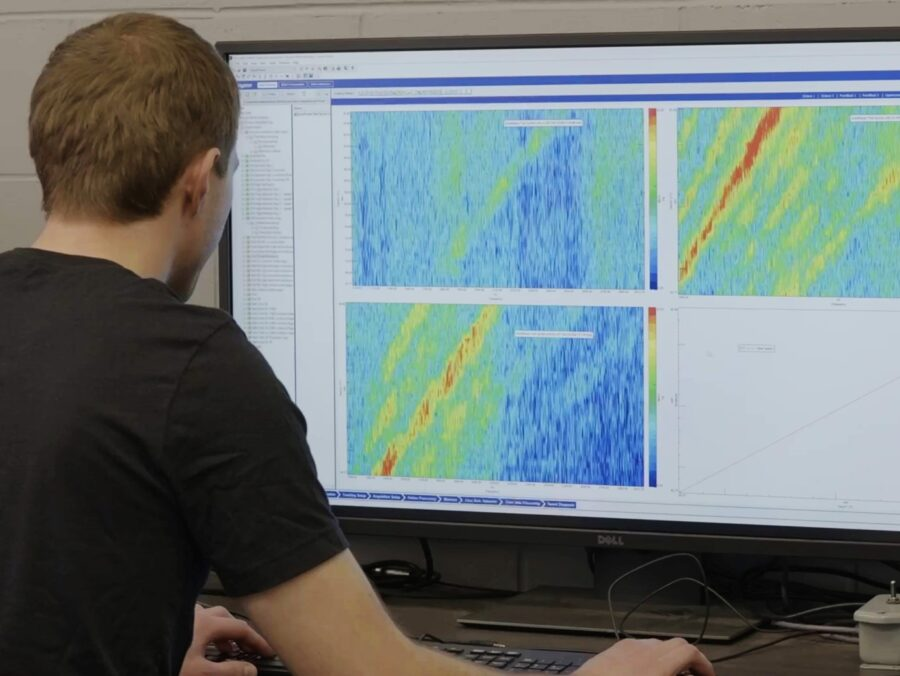
The function and durability department’s main responsibility is to test and validate the functional performance of enginerelated components. The engineers, meanwhile, acquire, analyze and compare test data on a large number of components and engine subsystems. They combine the outcome of durability analyses, such as time at level, rain flow counting, range pair counting, level crossing, and fatigue life prediction, with typical noise, vibration, and harshness (NVH) analysis results, which can include peak hold spectra, order sections, colormaps, and many more. All durability and NVH data are acquired using the same Simcenter SCADAS hardware, and the analysis is performed in a single software environment, making it a very efficient process for the engineering team.
“The key challenge that we are confronted with is the consolidation of our knowledge,” says Barreu. “We have to test more components now than ever before. These components are also of a different nature. We test more and more electronic components and less mechanical parts. The collaboration with Siemens is essential to adapt to these changes and to validate these new components.”
For the validation of the component on the test rig, the team uses Simcenter Testlab to synthesize an equivalent damage profile and to consequently emulate the damaging events encountered during test track measurements on the rig. This highly efficient process significantly accelerates testing by realistically simulating the damage experienced by the component during the operational life of the vehicle.
NTCE engineers have found that Simcenter Testlab offers great stability, independent of channel count, making it easy for them to configure online analyses. The solution also provides fast and error-free data postprocessing thanks to the Process Designer functionality and offers immediate, clear reporting.
“Simcenter Testlab is our preferred tool for durability validation,” says Barreu. “It is easy to configure and allows us to automate processing. It is also a very good software for quick reporting and data sharing with our colleagues.”
The outcome of the tests produce reliable data that can be endlessly manipulated to deliver deep engineering insight into the fatigue behavior of the components. This data supports the definition of further tests or feeds the simulation models with trustworthy validated information.
“Simcenter Testlab offers an integrated end-to-end solution for load data acquisition and processing,” says Guillermo Gonzalez, function and durability senior engineer, NTCE. “The solution accelerates the delivery of critical durability insights when preparing for test rig campaigns or reliable simulations. It is faster, easier to use and robust.”
We test more and more electronic components and less mechanical parts. The collaboration with Siemens is essential to adapt to these changes and to validate these new components.
Arturo Barreu, Powertrain Durability Test Engineer Function and Durability Department, NTCE-S
Product: NX, Simcenter 3D Solutions, Teamcenter Industry: Automotive & transportation
NASCAR Racing Team Leverages Siemens Software for Competitive Edge
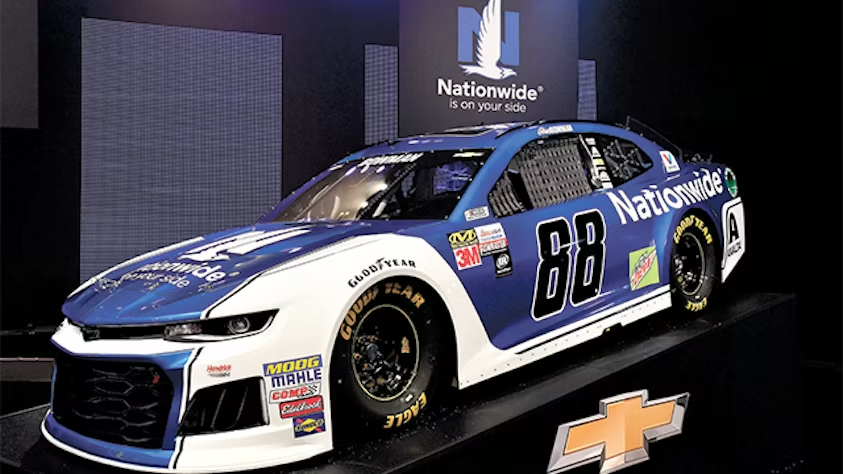
Hendrick Motorsports Hendrick Motorsports, a renowned NASCAR® racing team based in Concord, North Carolina, employs Siemens Digital Industries Software solutions—NX, Simcenter, and Teamcenter—to enhance performance and reliability in their racing operations.
Challenges
Design Compliance: Create and test a fleet of cars that meet strict NASCAR regulations.
Data Accessibility: Improve access to data to maximize time spent on analysis and innovation.
Keys to Success
Digital Backbone: Establish a robust infrastructure using Teamcenter.
Collaboration with Siemens: Work closely with Siemens to optimize new tools with each software release.
Comprehensive Software Utilization: Take full advantage of the Siemens software portfolio.
Results
Rapid Development: Quickly develop new parts and assemblies that improve performance.
Design Optimization: Use NX to evaluate multiple options and refine designs.
Efficient Data Mining: Leverage the digital backbone for faster and more reliable access to data.
As Engineering Manager Tad Merriman stated, “If we can take advantage of rule changes faster, we can develop and implement new ideas quicker, leading to race wins. Siemens Digital Industries Software gives us a competitive advantage.”
Hendrick Motorsports has integrated Siemens software since the early 1990s, transforming their operations by streamlining design, simulation, and manufacturing processes. The digital backbone established through Teamcenter enables them to efficiently manage data across various aspects of their racing program.
Conclusion
Hendrick Motorsports continues to demonstrate that leveraging Siemens Digital Industries Software solutions significantly contributes to their success on the track, allowing for rapid innovation and enhanced performance.
The China FAW Co., Ltd. R&D Center is the largest research, development, testing, and inspection facility for the automotive industry in China and serves as a key technology center for the original equipment manufacturer (OEM), FAW Group Corporation, and the Chinese government. The company focuses on developing commercial vehicles and automotive components, with engineering expertise covering the entire vehicle development cycle.
As part of the “Made in China 2025” initiative, the FAW R&D Center has taken on the challenge of establishing research and development (R&D) functions for the department of intelligent networking vehicles to develop smart vehicles. Electrifying and automating driving functions increase system complexity, requiring early validation of controllers.
The development of intelligent networking vehicles is a major focus for many automakers in China and globally. For FAW’s Intelligent Networking Vehicles R&D Department, the creation of advanced vehicles presents a significant challenge, as it demands intensive use of advanced development technologies.
Implementing Model-Based Systems Engineering
The FAW Intelligent Networking Vehicles R&D Department sought a supplier with experience in full-vehicle modeling, including real-time and online plant modeling and controls development. Additionally, they aimed to improve their development process and sought a partner open to sharing its knowledge and methodologies.
Zheng Lei, administrative office director of FAW’s Intelligent Networking Vehicles R&D Department, explains, “We needed to perform offline simulations using the complete vehicle model to analyze performance and to meet the demand for real-time simulation on the hardware-in-the-loop testing platform. We also needed a technology partner to enhance our internal knowledge through a technology transfer service.”
With the support of Simcenter Engineering services and Simcenter Amesim™ software from Siemens Digital Industries Software, FAW implemented model-based systems engineering (MBSE). Simcenter Amesim enables users to create models of varying complexity to meet requirements at different stages of vehicle development. Additionally, it supports hybrid hardware-in-the-loop (HiL) testing for controls verification and model validation.
Simcenter Amesim provides an accessible, open development environment that facilitates joint modeling and effective collaboration between different departments and with suppliers. “It enables a consistent modeling approach even with different levels of model complexity throughout the development process,” Zheng adds.
Working Together Seamlessly
FAW and Simcenter Engineering teams collaborated seamlessly to build a solid framework for advanced vehicle dynamics analysis, for both offline and real-time simulation. The Simcenter Engineering team helped FAW virtually validate the vehicle’s electronic control units (ECUs) like electric power steering (EPS), electronic stability program (ESP), and anti-lock braking system (ABS).
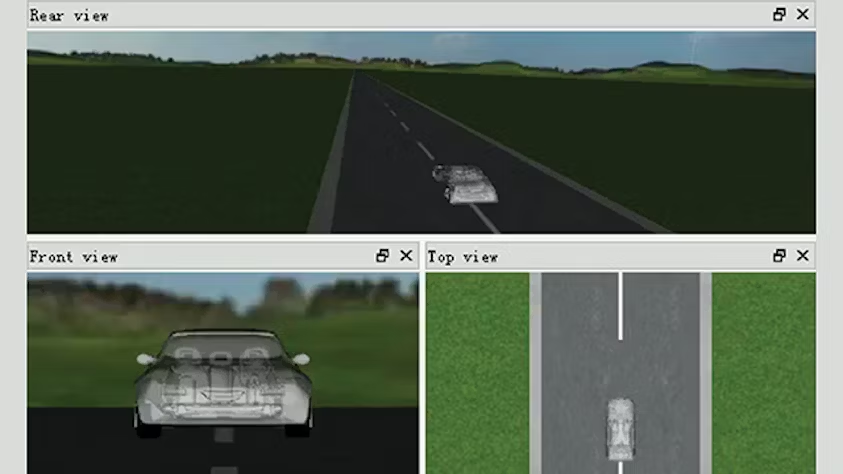
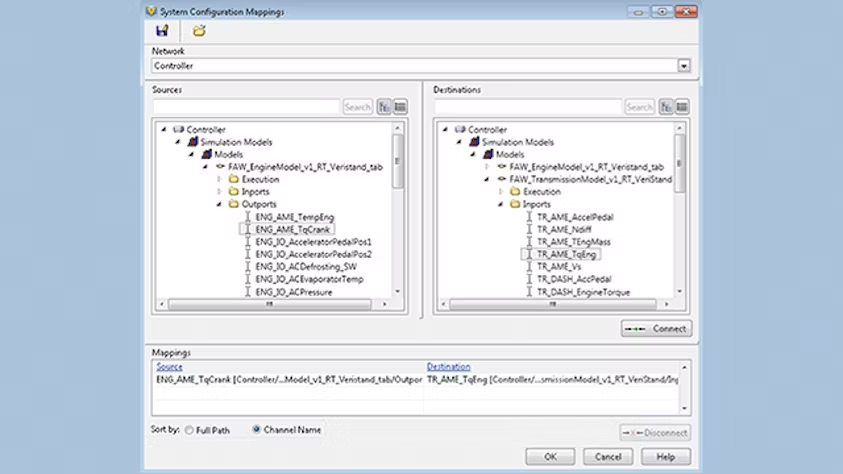
The engineering experts assisted FAW in defining processes, integrating models, and constructing scenarios for HiL testing. They also developed a real-time predictive control (MPC) driver model for vehicle trajectory control, which offers a systematic, streamlined process for designing complex multivariable control systems.
Leveraging Simcenter for Competitiveness
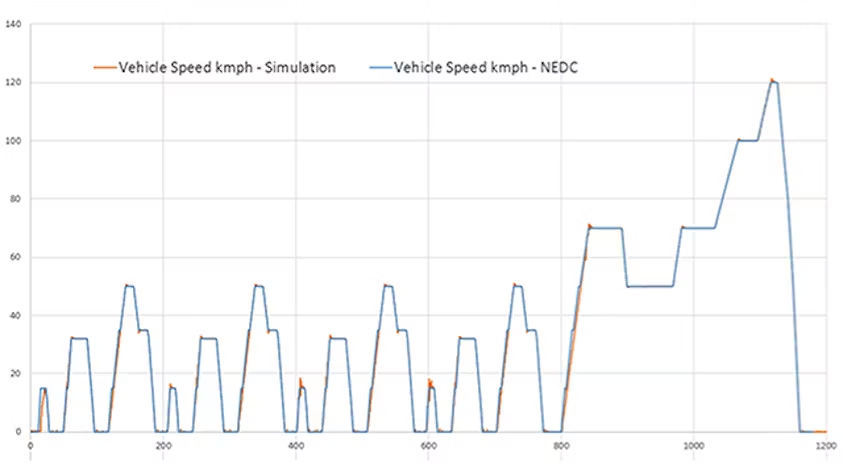
Thanks to Simcenter Amesim and Simcenter Engineering expertise, FAW completed a real-time modeling project for a vehicle independently developed by the company. Through HiL simulation and testing, they conducted virtual simulation-based controller testing and troubleshooting, significantly reducing the development cycle for the vehicle’s electronic control system.
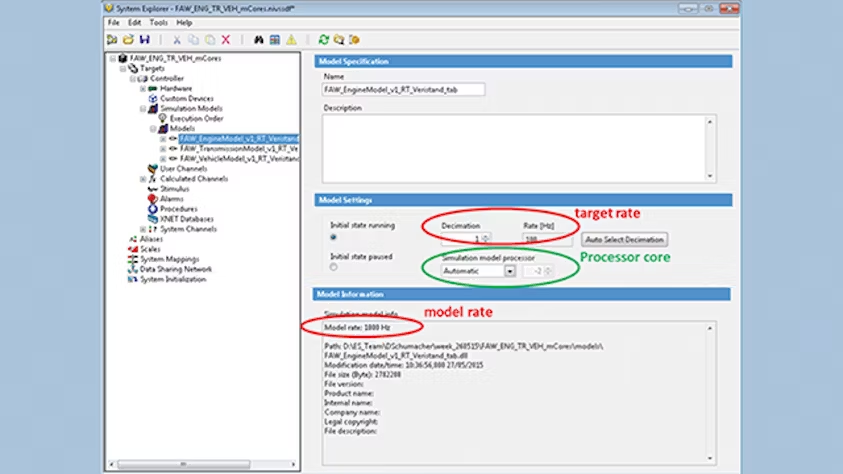
All units within FAW’s Intelligent Networking Vehicles R&D Department now use Simcenter Amesim for vehicle systems design, greatly facilitating system integration, controls validation, HiL simulation, and model verification. Key functionalities like high-frequency engine models, real-time model reduction tools, and the Functional Mockup (FMU) interface for model exchange have optimized the design and testing process.
Enhancing Competitiveness
The China FAW Group Corporation R&D Center has long been a leader in HiL system simulation and testing in China, striving to reach international standards. “Thanks to Simcenter solutions, we now have the ability to model independently, which makes us even more competitive,” Zheng remarks. “We’ll continue working with world-class suppliers like Siemens Digital Industries Software to drive the development of products and technologies.”
Dr. Zheng Lei, Administrative Office Director, R&D Department, Intelligent Networking Vehicles, China FAW Group Corporation R&D Center
Transitioning to Zero-Emission Buses: Challenges and Solutions
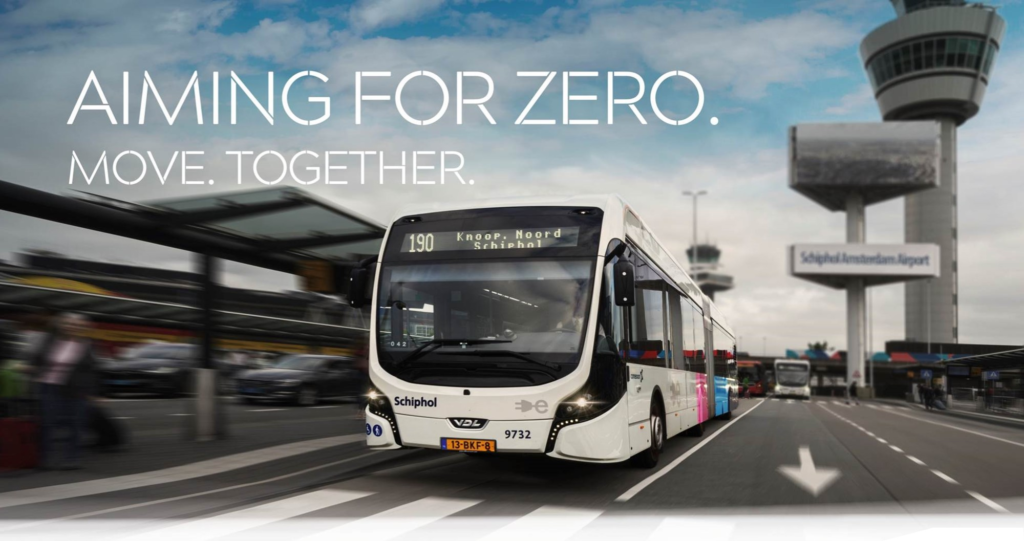
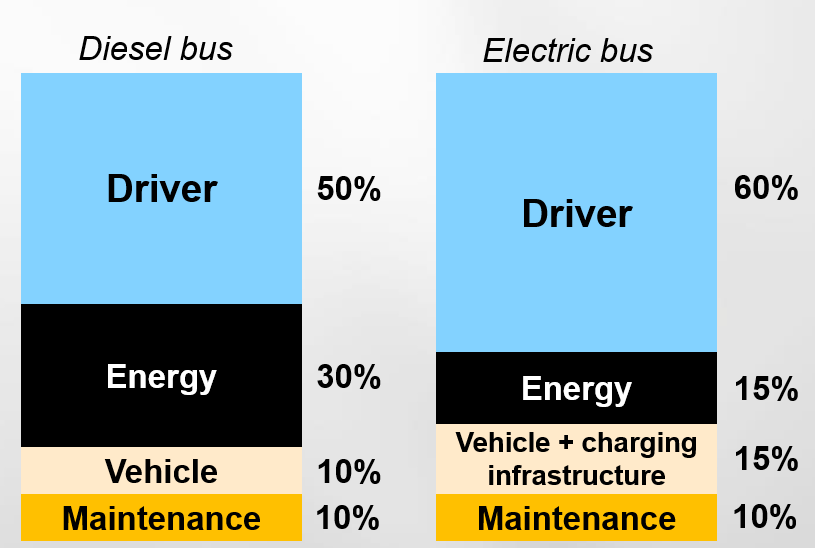
When considering the switch to zero-emission buses, the transition can initially seem expensive. However, bus manufacturer VDL discovered that switching to an electric bus is actually cheaper per kilometer than a diesel one! We spoke with Anouk Hol, aerodynamics and energy specialist at VDL, to discuss this new trend and the challenges it brings.
Similarities Between the Automotive and Bus Industries
There are many similarities between the automotive and bus industries. “We can learn from car manufacturers, for example by using the same battery cells and packs,” says Hol. However, in buses, the batteries need to be larger due to greater capacity requirements. Buses easily drive between 300 and 500 kilometers a day, and their behavior—low speeds, constant stopping—is vastly different from that of a car.
Challenges in Designing Zero-Emission Buses
With this new direction, VDL had to strengthen its software and control expertise as they now supply not just buses but a full system, including charging infrastructure and assistance with scheduling. “When switching to zero-emission buses, we also switched from supplying a bus to supplying a system,” Hol explains.
Cities require different charging infrastructures, ranging from 24/7 services needing fast charging at bus stops to lighter services relying on larger batteries and slower charging once or twice a day.
The Use of Modeling in the Development Process
This is where the need for modeling and simulation tools emerged. It was essential to determine the best configuration early in the process, even before moving to the engineering and prototyping phases, allowing them to offer tailored solutions to customers.
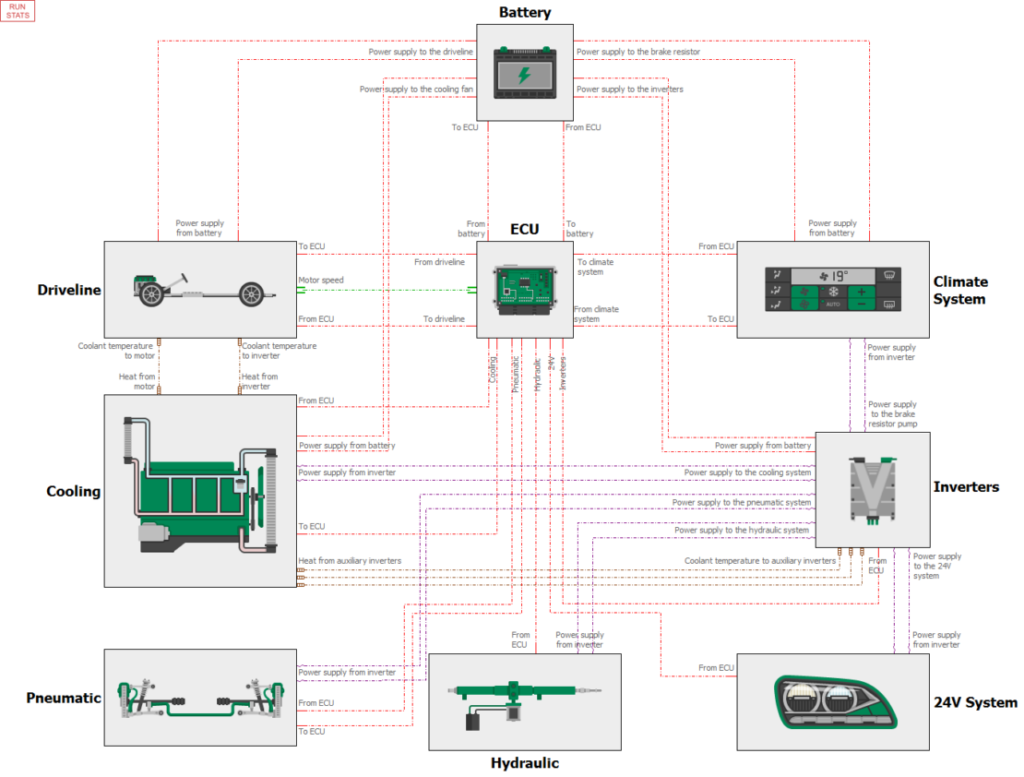
Simcenter™ Amesim™ software was used for various purposes, such as mapping energy flow within the vehicle and optimizing battery size and charging time to improve overall efficiency.
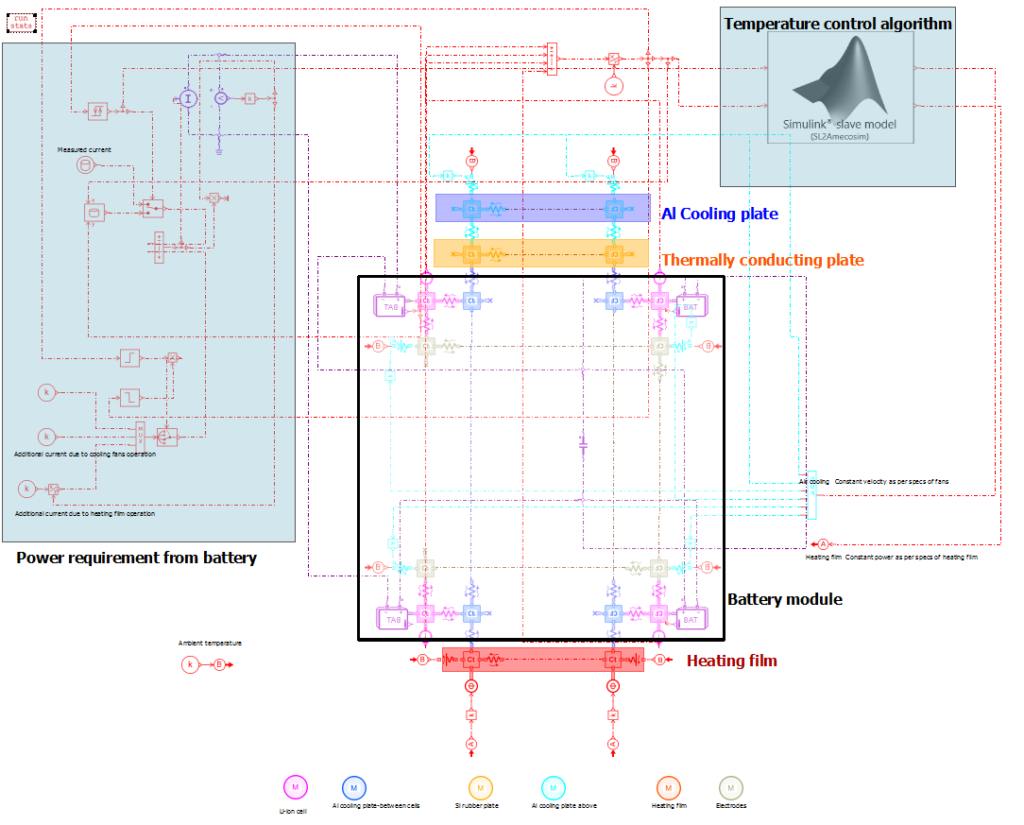
Detailed Battery Cell and Pack Modeling
VDL created detailed models of battery cells and packs and ran simulations to predict their behavior. By combining all bus components, including the vehicle control unit, VDL could accurately predict performance and optimize supplier selection.
Mapping Energy Flows
Simulation was also used to map energy flows within the vehicle. By combining Simcenter Amesim with Simcenter™ STAR-CCM+™ software, VDL imported 3D information to better analyze complex behaviors, such as battery cooling.
Battery Management Systems
Simcenter tools were also used to validate battery control strategies, combining electrical and thermal calculations to fine-tune control parameters and improve vehicle energy management.
The simulation models helped VDL analyze various customer usage profiles, providing clear insights into their component choices.