
Achieve up to three times higher record monthly production using the same resources

Product: Opcenter APS
Industry:
 Industrial machinery
Ensuring Consistent and Reliable Quality

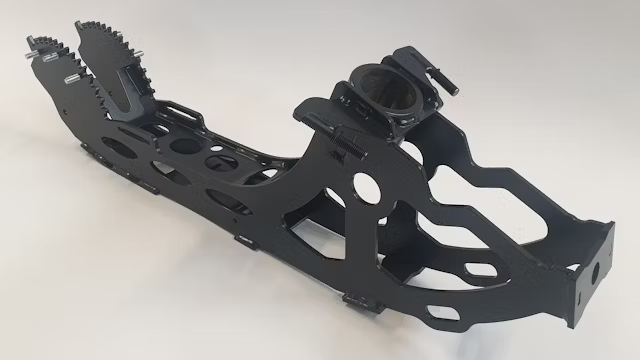
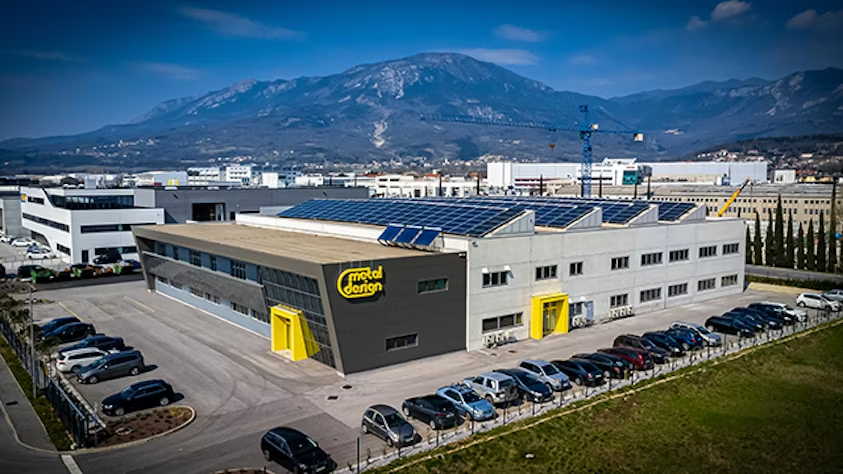
Metal Design specializes in the development, optimization, and production of technologically demanding metal products and machine components. As an international partner for various Western European companies, it has built a reputation for delivering consistent and reliable quality.

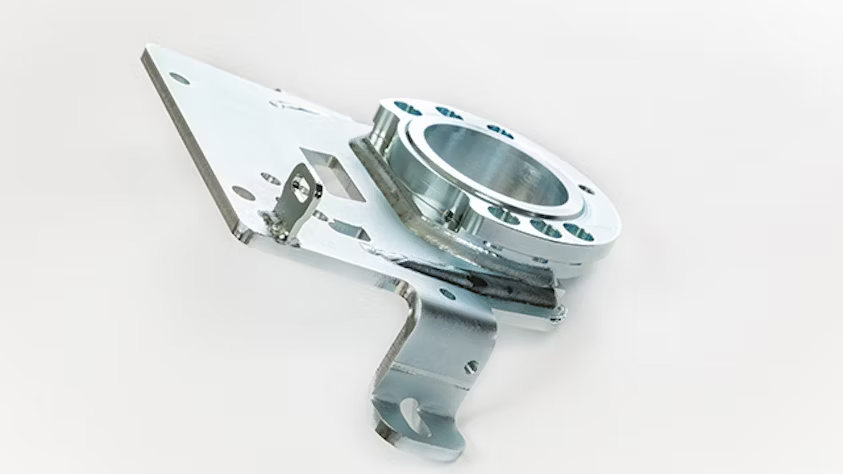
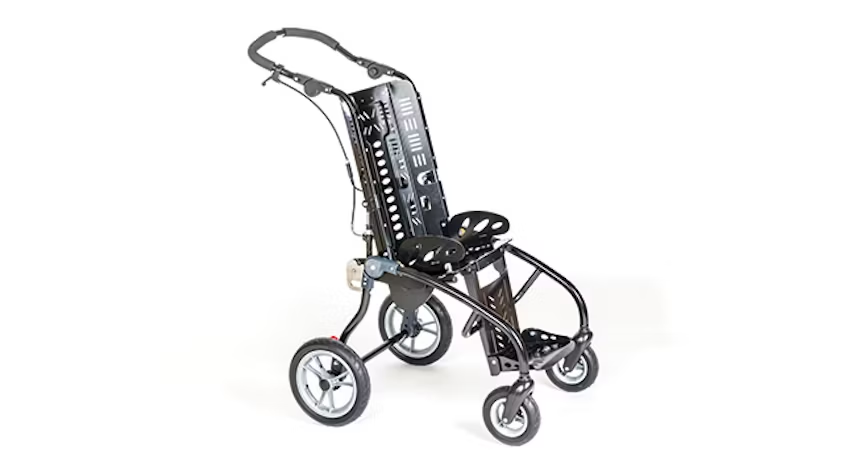
With over 30 years of experience manufacturing metal parts—including welded assemblies, sheet metal products, and machined components—Metal Design aims to become a recognized European leader in producing complex metal components for advanced industries such as green technologies, agricultural machinery, automated internal logistics vehicles, and medical applications.

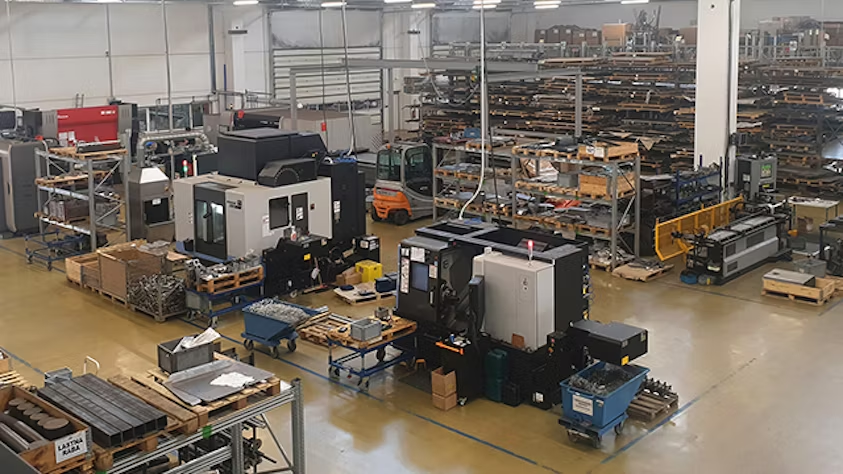
As the company expanded its production capabilities and invested in new technologies, operational planning became increasingly complex. Manufacturing processes require a precisely timed sequence based on the bill of materials (BOM), ensuring optimal machine utilization, efficient workforce deployment, and strict adherence to customer delivery deadlines. As Metal Design focused more on highly technical products with multi-layered BOMs and intricate production methods, managing these challenges manually became unsustainable.

To address these issues, Metal Design partnered with INEA d.o.o. (Inea), a Siemens Digital Industries Software partner, and adopted Opcenter™ advanced planning and scheduling (APS) software—part of the Siemens Xcelerator portfolio of software, hardware, and services.
Overcoming Inefficiencies Through Digital Transformation

At the start of its digital transformation journey, Metal Design relied on a basic enterprise resource planning (ERP) system from a local IT vendor and a free version of production planning software. The company later developed in-house applications to assist with planning and scheduling, as well as tasks like item sorting, BOM verification, and tracking production times.

However, this hybrid approach was inefficient. The production manager manually adjusted monthly and weekly schedules using a combination of in-house tools and personal expertise. As a result, scheduling relied heavily on intuition and complex, manually managed tools. The IT administrator struggled to optimize production planning, and the company was not leveraging software effectively.

Recognizing these inefficiencies, Metal Design made a decisive move: replacing its ERP system and upgrading its production scheduling software simultaneously.
Selecting Opcenter to Optimize Scheduling

The production manager tested three APS software solutions in demo versions using real production data. Opcenter Scheduling stood out due to its user-friendly interface, scalability, and ability to solve scheduling challenges. Additionally, the production manager had prior experience with Opcenter from his mechanical engineering studies, underscoring the value of Siemens’ collaboration with academia.

A key moment in the decision-making process came when Metal Design received an urgent customer order that initially seemed impossible to fulfill on time. Using Opcenter Scheduling, the company simulated production scenarios, accounted for existing orders and shop floor constraints, and determined that completing the order was feasible. This capability convinced the production manager that Opcenter was the right solution.

Implementing Opcenter Scheduling

The implementation process began with a thorough analysis of all production processes, requirements, and parameters. This review allowed Metal Design to refine its data and enhance accuracy.

Once integrated, Opcenter Scheduling provided insights across multiple departments—including technology, procurement, sales, and production—helping teams resolve daily challenges more efficiently.

“Opcenter Scheduling was the best fit because it’s the most optimal for our needs and company size, providing all the necessary functionalities at an affordable price,” says Jerneja Curk, Assistant General Manager at Metal Design. “With Opcenter and the support of Inea, we have elevated our production scheduling to a higher level.”

By fine-tuning scheduling parameters, adjusting capacity settings, and fully understanding the software’s capabilities, Metal Design significantly improved its production planning standards. A crucial step was integrating the new ERP system with Opcenter Scheduling via web services, enhancing the accuracy of scheduling operations and feeding scheduled data into the company’s business intelligence (BI) system.

“In our old system, it took up to two hours to prepare and import data. With Opcenter’s ERP integration, we now just press a button and wait a few minutes,” says Karin Kodele, Production Coordinator at Metal Design.

By optimizing machine changeover times and resource allocation, Metal Design achieved record monthly production levels—tripling its usual output without increasing resources.
Enhancing Efficiency and Customer Confidence

Metal Design frequently needs to simulate potential customer orders before creating work orders in its ERP system. This process previously took up to four hours per inquiry, but with Opcenter Scheduling’s order inquiry functionality, it now takes just 15 minutes.

“Using Opcenter Scheduling, I can efficiently schedule the entire shop floor and all shifts while quickly responding to customer inquiries,” says Kodele. “Working with Inea, their support is exceptional, and their quick, efficient responses always impress me.”

“With over 700 different parts in production and long-term B2B partnerships, delivering on time is crucial to our clients’ supply chains,” says Polona Curk, Director of Business Development at Metal Design. “Our B2B customers are always impressed when they learn we use Siemens’ Opcenter Scheduling. It reassures them that we will deliver as agreed, which strengthens our business relationships.”
Looking Ahead: Future Optimizations

Following the successful implementation of Opcenter Scheduling, Metal Design’s future plans include further optimizations, such as integrating employee skill matrices into scheduling. Additionally, the company aims to transition from general schedule overviews to personalized displays for each production cell on the shop floor.

By leveraging Opcenter Scheduling, Metal Design has embraced digital transformation, streamlined production planning, and positioned itself for continued growth in the competitive metal manufacturing industry.
Standardizing and digitalizing processes to increase production efficiency, reduce waste and enhance data quality

Product: Opcenter APS
Industry:
Consumer products & retail

Leveraging an Established and Trusted Reputation

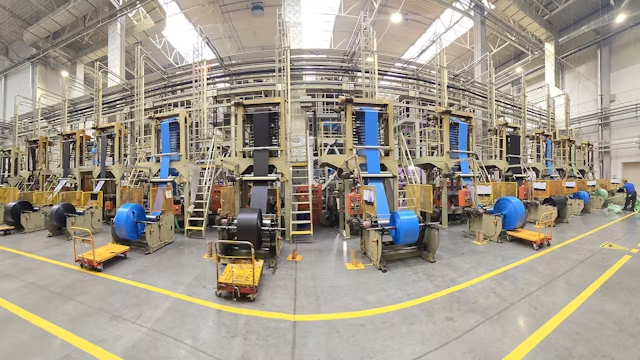
Bags, including garbage bags, plastic films, and tube covers, are essential products in daily life. They are used in most households and many industries, such as food, beverages, retail, and construction. Based in Środa Wielkopolska, Poland, Polipak Sp. z o.o. is a leading manufacturer in Central and Eastern Europe and is part of the Sarantis Group, which has built a reliable and recognized brand trusted by millions of consumers. Known for its wide range of products, including both standard and customized solutions, the company plays a key role in the market, specializing in the production of various plastic film products.

Digitalization for Dynamic Growth

The Sarantis Group places great importance on sustainability as a key element of its business strategy. As a result, Polipak is continuously striving to improve production efficiency, reduce costs, and minimize its environmental impact, all while maintaining the highest quality of its products, which is its main differentiator in the market.

To continue improving its processes and strengthen its position in the market, Polipak needed systems that could comprehensively manage production processes, automate report generation, and optimize resource usage. They also needed to implement and integrate systems to ensure seamless compatibility between existing systems and the divisions of the Sarantis Group, which operates across various regions worldwide.

With the rapid growth in production volume and the increasing number of machines, Polipak had to adopt more advanced planning and management tools. Traditional methods, such as manually completed data sheets, proved inefficient in addressing the challenges of production efficiency and resource optimization.

To achieve this, Polipak partnered with ASKOM, a Siemens Digital Industries Software partner, to implement Opcenter™ for advanced planning and scheduling (APS) and as a manufacturing execution system (MES). Additionally, Opcenter is part of the Siemens Xcelerator platform, which integrates software, hardware, and services.

“We needed a solution that would provide traceability and control at every stage of production,” says Andrzej Migda, IT systems consultant at Polipak. “Our goal was to integrate modern digital solutions to better manage the complex production process across multiple stages. So, we later integrated Siemens APS and MES, which became crucial for the company’s growth.”

Optimizing Processes and Minimizing Waste

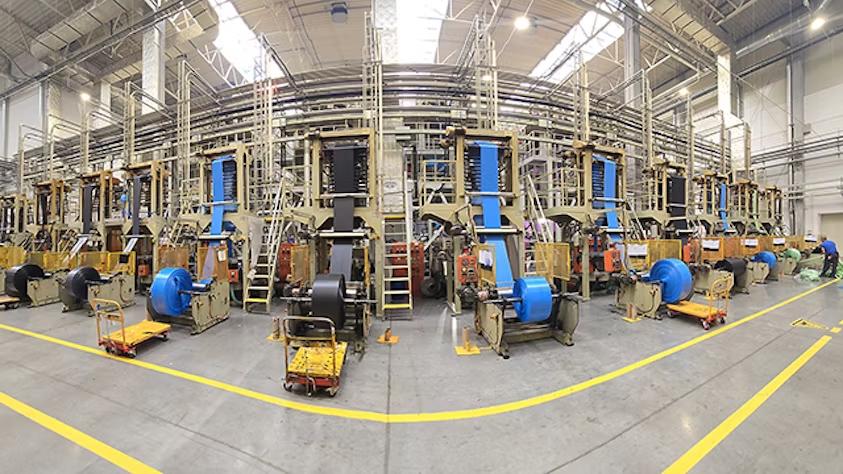
The three key areas of the company—Film Department, Roller Department, and Regranulation Department—as well as the central dosing system, are closely interconnected as part of a multi-stage production process. It starts with a fully automated process for preparing batches of raw material mixtures, which include a dozen raw materials, additives, and dyes for each extruder separately, including three-layer machines for each screw in the central dosing system.

Once the raw material feeding process begins, the film is produced on extrusion machines, rolled into rolls, and then transported to the film warehouse. When film is needed to produce bags, it is transported to the Roller Department, where finished products are made. These film and bag production processes generate waste. Although Polipak has significantly reduced waste, at current production levels, they generate around 5,000 metric tons annually. Such a large quantity requires efficient recycling to be reused in the production process.

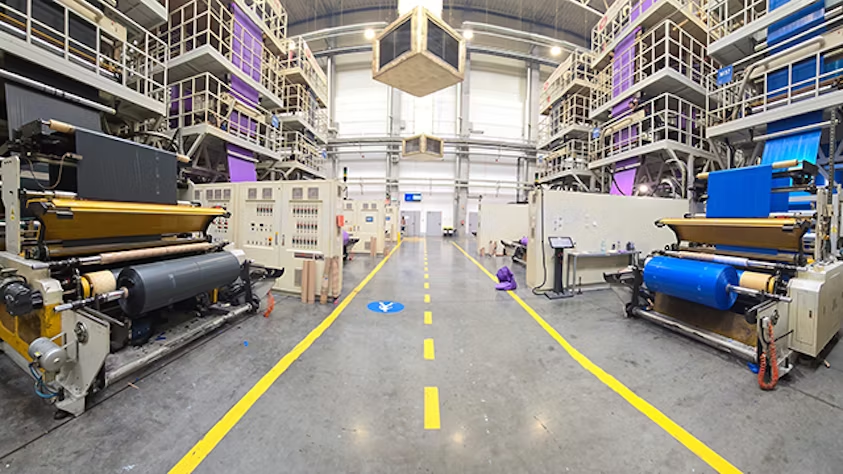
When it began implementing customized digital solutions from Siemens, Polipak was already operating with a production facility equipped, among other things, with 67 extruders (including three and two-layer extruders, totaling 95 screws) in the Film Department, 32 machines in the Roller Department, automated packaging lines, machines to produce regranulate (a type of plastic made from recycled materials) from waste, and a central automated dosing system to supply raw materials to the extruders.

Advanced production planning and management tools, suitable for their large and growing scale of operations, were essential to ensure the smooth running of the system. With Siemens solutions, Polipak can effectively manage its complex infrastructure and optimize production processes, purchasing, and sales, as well as minimize raw material waste.

Supporting Strategic Decision-Making

With Opcenter APS, Polipak automated production scheduling, optimizing resource usage and accelerating order fulfillment. The company replaced its previous production planning process, which was slow and error-prone, with a flexible scheduling process. This process takes into account the multi-stage nature of production, production constraints, and the availability of resources and materials, considering the lead time for raw material deliveries.

By leveraging this APS system, Polipak also accelerated the planning process and improved capacity utilization. As a result, the company is able to fulfill orders more quickly and efficiently. At the same time, the system implemented allows for flexible adjustments to changes in production, including a rapid response to machine failures or potential raw material shortages. Integration with other systems, such as ERP, MES, or the central dosing system, enables a seamless flow of information, improving planning accuracy and creating realistic production scenarios.

“Using Opcenter supports strategic decision-making, allowing us to quickly respond to changing customer needs or circumstances,” says Migda. “By monitoring production in real time, we can evaluate the progress of the plan, which is key to maintaining high productivity and minimizing downtime.”

Using Opcenter for Production Quality Management

The implementation of Opcenter Execution Process, a MES solution from Siemens, was a key step in utilizing computer systems for managing the production process. Opcenter Execution Process serves as the main system for managing production, along with other systems such as APS, ERP, the warehouse management system (WMS), the central dosing system, and a computerized maintenance management system (CMMS). By maintaining interfaces, sharing data, and conducting bidirectional real-time communications, it creates an integrated production management environment.

Before implementing the MES, production monitoring and data management were fragmented and required a lot of manual work. With the system, Polipak can accurately track the production process in real time, significantly improving transparency and control over plant operations. The system collects and analyzes machine data, allowing the company to identify potential issues before they affect production efficiency.

The use of Opcenter also enables better synchronization of operational activities, from raw material receipt to production, final packaging, and product distribution. Integrating production data with the MES system provides full visibility across the production chain, resulting in higher product quality and minimal waste. At the same time, seamless procedures for receiving products, semi-finished products, and waste into the MES system allow Polipak to track performance and quality parameters in real time and respond to issues as they arise, affecting observed performance indicators.

Additionally, the use of Opcenter Execution Process plays a key role in quality management by allowing for the monitoring of production parameters and early detection of deviations from quality standards. This reduces waste and complaints and supports continuous improvement of production processes.

Driving Corporate Sustainability

The implementation of Siemens solutions at Polipak has had a positive impact on the company’s operations, efficiency, and sustainable growth. “Thanks to Siemens’ advanced APS and MES systems, we can accurately manage our resources and production processes, which strengthens our competitiveness,” says Migda.

By continually improving resource management, Polipak increased the proportion of regranulate in production from 30% to 90% over the past few years. This increase is the result of a strategic approach to raw materials, which includes not only purchasing regranulate and processing their own production waste but also buying clean post-production waste from the market. Thus, waste that was once sent to landfills is now used as a valuable raw material, supporting the company’s environmental performance.

The strategy to increase the proportion of regranulates in production requires ensuring the appropriate quality of raw materials. In response, Polipak plans to implement an automated waste washing plant by the end of this year, which will enable the company to produce regranulate even from lower-quality waste. Furthermore, by using Opcenter, Polipak has better traceability to ensure that all recycled waste and materials are properly assessed and used in production.

Enhancing traceability and tracking to manage a daily workflow of 3,700 samples

Product: Opcenter
Industria: Livestock

A key part of the food chain

Like most countries and economic communities, the European Union (EU) has exacting standards for the traceability of its food chain, especially regarding animal identification and health.

The Regional Association of Animal Health and Identification (ARSIA) in Wallonia, Belgium, is a certified nonprofit cooperative that helps bovine and other animal farmers and veterinarians across southern French-speaking Belgium align with European animal identification and traceability norms to prevent and fight animal disease.

As a vital aspect of the food chain, ARSIA manages the laboratory side of things – completing standard tests and running general laboratory work. They also help when additional examinations and studies are required for possible disease outbreaks. This enables them to protect animal and herd health and food chain quality, complete important administrative tasks and trace the health status of the Wallonian bovine population. This is no small task in this populous farming region in northern Europe.

“Generally speaking, we receive blood samples from veterinarians’ regular farm visits, register the samples according to the animal’s ear tag identification and European health and safety procedures, complete the analysis and send back the test results to the veterinarian,” explains Cédric Mullender, lab manager at ARSIA. “This is our basic work. We can also handle batch work, more complicated analysis and blood workups and other types of samples, notably cadavers for analysis.

“The ARSIA lab counts on Siemens Digital Industries Software’s Opcenter RD&L for all our traceability, administrative and organizational processes.”

With Opcenter™ Research, Development and Laboratory (RD&L) software, which is part of the Siemens Xcelerator business platform of software, hardware and services, each job is tracked and traced from the source using the registered animal ear tag number. ARSIA receives the samples from the veterinarian, and they are registered as a “one request file,” which can contain data covering one or more samples, all the administrative information and additional analysis requirements. This could include herd sample selection, amounts and types of analysis requests.

null

Small yet complex

Even in a small region like Wallonia, the analysis is highly complex. Teams from ARSIA collect blood samples from over 80 veterinarians and pick up an average of 21 cadavers for postmortem analysis daily, which does not include the mandatory blood samples from newborns.

“We receive a huge number of samples every day – around 3,700 grouped in 800 requests,” says Mullender. “Most of these requests, about 580 files, are already in an automated sample flow, but this volume still generates a huge amount of lab analyses and files to track. “For more specific work, we can set up additional flows and processes in Opcenter RD&L. I’ve written some myself. Of course, we can check for accuracy manually, but when we see a mainstream flow developing with systematized data, we try to automate it.”

null

© Didier Vanmollekot

Streamlining the data flow

The 3,700 samples a day is even more impressive when you realize the ARSIA lab team numbers between 11 and 15 people who register information depending on the analysis period. Today, the data flow is highly automated and runs rapidly and smoothly.

“Our digital transformation with Opcenter RD&L has been life changing for our lab techs,” says Mullender. “Our tool is extremely fast, yet familiar and easy to use. Our lab techs have everything they need right in front of them.”

The road to a successful rollout

But this wasn’t always the case. For years, ARSIA and its members ran all types of software programs to manage the different sample flows.

“Over the years, we narrowed our laboratory information management systems to four and then two, but we knew we needed a single software solution that would be highly flexible and able to handle future complexity and new data flows,” says Mullender.

null

The ARSIA wish list

Even with a single solution ARSIA knew it would be an even better investment if the software could be extended to integrate more processes with additional flexibility.

“When we started the integration project with Opcenter RD&L, we were impressed by the local development support we got from the Siemens team,” states Mullender.

“We had a fair amount of customization on our list. We wanted a universal interface to easily integrate tools and data streams. We needed a dependable test report system and a complete billing system that was integrated into the entire process. It was a long and tough list and having a team of competent developers here in Belgium made this happen; it made the entire project a success.”

Mullender and his team realized customized process improvements, like plate management, would save time and operational costs while they were migrating to the Opcenter RD&L system.

“The plate management feature automatically organizes all the samples into the respective lab rack according to analysis type and context,” explains Mullender. “This saves a tremendous amount of lab technician time because it places a series of samples according to specific analyses and context into a group.”

null

Quick responses to tough questions

“Siemens has always made sure that issues were resolved,” says Mullender. “Support was there when we needed it, so we had the lab machines up and running on time. We worked with competent people who understood our needs.

“We have worked with Siemen for several years and this experience has given us confidence in them. They have the trust of their customers. I think this is one of the most important points when it comes to working with Siemens.”

Always up to date

Today, the team and techs aren’t sitting around waiting for data, dealing with messy backlogs or trying to get computer programs to talk to each other.

“We’re always up to date,” says Mullender. “It is all traceable, auditable and automated. We know how to track everything. It saves a lot of time. We’re making the most of what Opcenter RD&L has to offer.”

The ARSIA team is especially proud of the customized universal interface they use to integrate critical data from outside applications, such as scheduling visits.

“The universal interface lets us easily create connections,” says Mullender. “I know how to do it and I am not a computer scientist. We’re pretty good at getting the data we need where we need it on our own. As a lab manager, it is what I wanted in a system: I wanted us to be autonomous.

”To get up to speed, we also invested in high-performance machines. Investing in the right equipment to run Opcenter RD&L has made a huge difference. Now it’s extremely fast.

“When it comes to test reports, things just run like clockwork. The crux of the problem was hardware performance. At the start, it took a few hours to send around 40 results. With our Opcenter RD&L system finely tuned and running on the right hardware setting, it takes 10 minutes. It’s easy to save an enormous amount of time.”

null

Ready for complex lab work

Now that the Opcenter RD&L system is in place, the team is using it for more complex lab exploratory analysis work like bacteriology that requires collecting data on evolving sample cultures.

“With Opcenter RD&L, we’ve managed to model this with 50 or so methods and parameters,” says Mullender. “Even with all the complexity, we’ve created a tool that’s flexible and performs well enough for bacteriology work.

“That’s the beauty of Opcenter RD&L. If you start with the right parameters and information, Opcenter RD&L helps people make the right choices from a huge selection of items. All you do is follow the steps, make your choice and it works.”

null

The bigger food chain picture

Government bodies must have the means to act quickly and control outbreaks of diseases that can harm individual animals, animal populations, farmers and the overall economy, including the health and welfare of the general population.

In case of an outbreak, it is crucial to know where the animals were kept, where the outbreak originated, where the animal went and where the disease transmission likely took place.

“This is why the traceability data we keep in Opcenter RD&L is so vital,” explains Mullender. “We will continue to use it to cover more monitoring and technical parameters until we cover everything. We have confidence in Opcenter RD&L because we can see in detail who did what and we can always find the data that we need quickly and easily.

“In the future, all our government procedures and LIMS processes will be going mobile and thanks to our working relationship with Siemens, we’ll be ready.”

Zanini Renk Embraces Industry 4.0 with Siemens Solutions

Product: Opcenter
Industry: Manufacture

Introduction

Zanini Renk, a renowned player in the manufacturing industry, has embarked on a transformative journey towards Industry 4.0 with the help of Siemens solutions. By leveraging their integrated software, Opcenter Execution Discrete and Opcenter Advanced Planning and Scheduling (APS), Zanini Renkhas revolutionized their operations and achieved remarkable improvements in efficiency, visibility, and customer satisfaction.

Enhancing Efficiency and Visibility

Prior to implementing Siemens solutions, Zanini Renk faced significant challenges in their factory operations. A lack of visibility and accuracy in scheduling resulted in daily firefighting and missed deadlines. However, with Opcenter Execution Discrete, the company gained a real-time view of their shop floor, allowing them to track and document the transformation of raw materials into finished goods with precision and transparency. Opcenter APS further facilitated detailed production scheduling, enabling Zanini Renk to optimize their manufacturing process and allocate resources effectively.

Transforming Operations with Industry 4.0

The implementation of Siemens solutions enabled them to determine their Overall Equipment Effectiveness (OEE). Within two years, their OEE increased from 45% to an impressive 71%, showcasing significant improvements in productivity and efficiency. The production data collection software, Opcenter Execution, provided Zanini Renk with precise measurement of data for each part, ensuring quality control and informed decision-making.

Gaining Holistic Visibility and Cultural Shift

With the aid of Opcenter APS, Zanini Renk experienced a cultural shift within their organization. Their team embraced the new system, reaping the benefits of increased visibility, credibility, and accuracy in delivery timelines. The software offered a holistic view of operations, enabling the company to overcome local limitations and make data-driven decisions on a global scale.

Next Steps Forward

Integrating Engineering with Manufacturing: Zanini Renk recognizes that true integration between engineering and the factory is the next clear step in their Industry 4.0 journey. To achieve this, they plan to introduce engineering software, such as Product Lifecycle Management (PLM), that seamlessly integrates with their production software. By creating a greater integration between engineering and the factory, Zanini Renk aims to enhance collaboration, optimize processes, and further improve efficiency. They believe that this integration will unlock new possibilities and drive their competitiveness to new heights.

Leveraging Data Analytics: In the era of Industry 4.0, data analytics plays a crucial role in driving improvement and increasing competitiveness. Zanini Renk recognizes the importance of leveraging the vast amount of data they generate and utilizing it effectively to fuel continuous improvement. By harnessing the power of data analytics, they aim to gain valuable insights that will enable them to make data-driven decisions, optimize their processes, and identify opportunities for further enhancement. Zanini Renk firmly believes that by embracing data analytics, they will propel their organization forward and continue to thrive in the dynamic landscape of Industry,

Water pump manufacturer uses MOM software to embrace digitalization

Product: Opcenter
Industry: Water pumps

Enhancing water movement and management technologies
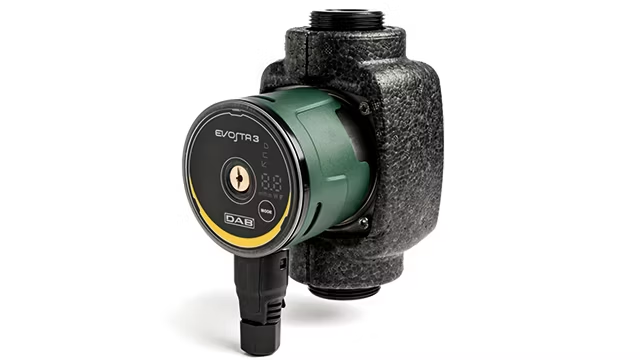
Founded in 1975, DAB Pumps S.p.A. (DAB Pumps) is a multinational organization with seven production sites, 12 sales branches and a total workforce of more than 1,500 that specializes in water movement and management technologies. The distinguishing features of DAB Pumps technologies are reliability, quality and efficiency. The aim is to identify simpler installation, and use and maintain solutions for domestic, residential, civil and commercial applications as well as agricultural irrigation systems.

Siemens facilitates digital transformation
DAB Pumps refers to their digital transformation strategy as the DAB Digital Evolution (DDE). The DDE supports a new digital strategy that links DAB Pumps’ values to new digital opportunities.

“We are working to build an open-minded digital culture, developing innovative and engaging projects and designing solutions in which technology works for people,” says Sandro Stramare, group chief executive officer (CEO) of DAB Pumps.

According to Paolo Menon, group chief operation officer (COO) of DAB Pumps, “Our factory of the future represents an important step to close the loop between our customers and factories. It’s a way to interconnect all the elements that create value and is an effective end-to-end process that supports a new set of services and connected products to transform the customer experience.”

Looking to facilitate a successful digital transformation, DAB Pumps benchmarked multiple software solutions by using a digital sourcing evaluation to find the best fit for their company. After an exhaustive search, DAB Pumps decided the Siemens Digital Industries Software Manufacturing Operations Management (MOM) portfolio of solutions best suited their needs.

“We scanned many solutions in the market and we came to Siemens because we think the most important dimension is the willingness to become a partner and not simply a supplier,” says Enrico Pana, group logistic manager and digital manager for operations, DAB Pumps. “Siemens is meeting our expectations in terms of integration with third-party systems, discrete manufacturing features and standard solutions.”

DAB Pumps manufactures what the customer wants, and in order to have the best time-to-market and connected products in the market, they adhere to the lean production method of minimizing waste without sacrificing productivity.

The Siemens solution, Opcenter Execution Discrete, helped change the manufacturing process for DAB Pumps. It allows them to track every step of their product process, serialize each water pump and introduce better control/visibility of management over production process and paperless manufacturing.

Additionally, DAB Pumps employs Siemens’ Opcenter Intelligence and Opcenter AS to make their processes more efficient through effective resource utilization.

Opcenter Intelligence is used to precisely map DAB Pumps’ production process by providing a centralized system integrated with business functions to eliminate paper usage while improving visibility and control over production process/data. Using Opcenter AS allows DAB Pumps to more efficiently manage their production plan in order to support their clients’ changing needs.

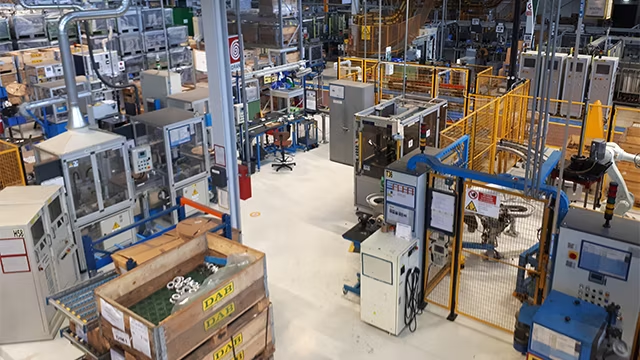
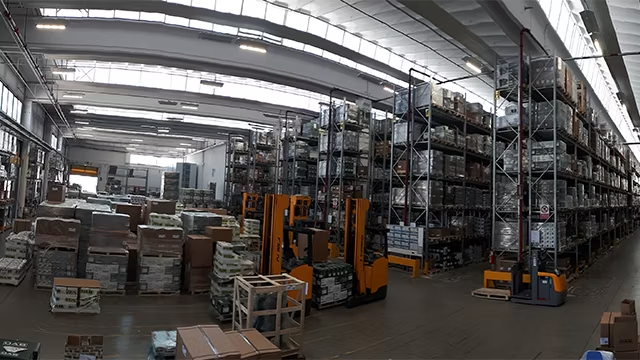
The Mestrino plant, (Dab Pumps Headquarter).

Business and technical challenges
DAB Pumps faced major business challenges in managing production and satisfying their clients’ fluid requirements. The company identified two reasons for these challenges: First, there were difficulties sharing information within the company, which led to a siloed approach, and second, there was limited visibility within the company into production activities.

The technical challenges DAB Pumps faced were mainly due to lots of manual activities, significant use of paper and very limited availability of digitally shared data related to critical activities and performed by operators with extensive experience and skills (work instructions, test results, nonconformities). DAB Pumps was facing issues like using spreadsheet software for manual scheduling and work-in-process (WIP) management software, and manual inventory and collecting quality data by hand or that was left on automatic stations.

Benefits of Siemens’ solutions
By introducing a manufacturing execution system (MES)/MOM solution based on Opcenter Execution Discrete and Opcenter AS, the problem of siloed data was largely eliminated. That’s because there was now a bi-directional level of communication between the enterprise resource planning (ERP), product lifecycle management (PLM) business systems and the shop floor, allowing for greater and immediate control of the business on the production floor. Also, using Opcenter Execution Discrete enabled off-the-shelf support for WIP, tracking and inventory control. Further, it improved operator activities due to electronic work instructions (EWI) features and manual and automatic quality control while also facilitating creation of a centralized quality data archive. Opcenter AS is integrated with Opcenter Execution Discrete to create a proactive scheduling approach, which provided DAB Pumps with more accurate delivery dates, supply demand synchronization and effective resource utilization.

Using Opcenter AS production scheduling improves the synchronization of DAB Pumps’ manufacturing processes, providing greater visibility and control. This enables DAB Pumps to increase resource utilization and on-time delivery while reducing inventory levels and waste.

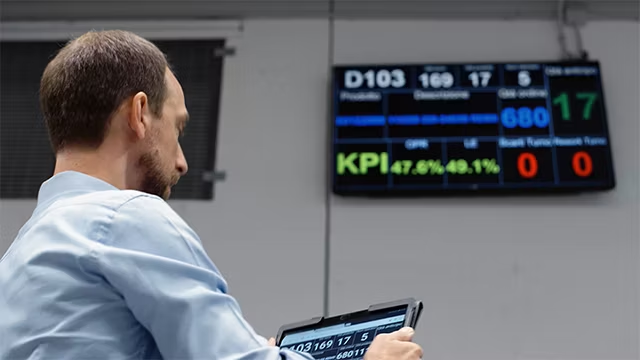
Opcenter Intelligence is used by DAB Pumps at the plant level to improve collaboration and data exchange between the plant floor and enterprise systems. As data from different sources are combined, they can be put into a new context or aggregated to provide team leaders with a different and more complete perspective of operations regardless of where the data originated.

Optimizing the entire value chain through digitalization
“Digitalization was not a matter of choice for DAB Pumps,” says Stramare. “We are adapting to what is happening at a world-wide level. DAB Pumps embraced digitalization mainly to create value within our company. We believe that digitalizing our company increases the creation of value in all company areas, and we believe that digitalization is not only an epochal change at a worldwide economic level, but it helps companies increase efficiency, and enhances and creates value in the production and sales processes. This is the main reason why DAB Pumps strongly believes in digitalization and is pushing the digitalization of its processes.”

Innovation by nature thanks to IT/OT convergence

Product: Opcenter
Industry: Agriculture

Reshaping the potato starch industry

As a leading global player in the potato starch market, Royal Avebe has been reshaping the industry for over a century. Avebe was founded by local farmers in the Netherlands back in 1919. Since then, the small group of farmers has grown to more than 2000 members in the Netherlands and Germany.

Today, Avebe produces potato starch and potato protein, used in food and industrial applications. To get the most out of the potato, they are always looking for innovative solutions and products. Like any other company operating in a dynamic marketplace, Avebe faces its fair share of challenges, including keeping up with changing customer needs and market trends.

As consumer preferences shift towards healthier, natural, and clean-label products, Avebe continuously works to stay ahead of the curve. By investing in research and development, Avebe strives to create starch-based solutions that not only cater to evolving dietary requirements but also enhance the quality and taste of food products.

Avebe’s digitalization journey with Siemens and ATS Global

In their relentless pursuit of innovation and sustainability, Avebe recognized the need to embrace digital transformation to address the challenges in their industry. To achieve this, they teamed up with Siemens, a global technology leader, and ATS Global, a trusted solution partner specializing in IT and OT integration.

Through this strategic collaboration, Avebe embarked on a digitalization journey that revolutionized their production processes. By leveraging Siemens’ cutting-edge IT/OT integrated solutions, Avebe could, on one hand, reduce the workload for the operators, and on the other gained unprecedented insights into their operations, enabling them to optimize efficiency, increase productivity, and ensure consistent quality throughout their production lines.

The implementation of Siemens’ advanced technologies, such as Industrial Internet of Things (IIoT) platforms and data analytics tools, empowered Avebe to capture real-time data from their production facilities. With this data, Avebe can monitor key performance indicators, identify bottlenecks, and make data-driven decisions to drive continuous improvement.

ATS Global played a pivotal role in integrating Avebe’s IT and OT systems seamlessly. They delivered an MES/MOM system that included integration into ERP and shop floor.

The benefit of having one partner both on the IT and the OT is that they can see solutions for problems you don’t have yetJan Hessel Veurink, Manufacturing IT Engineer at Avebe

“We are utilizing our knowledge with our customers because we realized a long time ago that the IT and OT is so complex that it’s very difficult for the customers to follow. If you have to discuss this with single points, it gets very complicated very quickly”, says Rob Valent, Global Partner Manager at ATS Global “and our customers want a partner to help them basically reducing the complexity and not add complexity.”

By embracing digitalization, Avebe is able to tackle the growing demand for sustainable solutions head-on. Through optimized production processes and precise control over resources, Avebe significantly reduced waste, minimized environmental impact, and paved the way for a more sustainable future.

“The benefit of working with a company like Siemens is that it offers such a broad portfolio of IT / OT solutions, that we can select the solutions that best suit the customer needs.” says Rob

Profiting from interconnected, automatic data collection and detailed workflow documentation during PCB manufacturing

Product: Opcenter
Industry: Medical

When we do have to make a tricky decision because of a supply chain issue or other unexpected event, using Opcenter lets us simulate and compare different scenarios.

Florian Funke, Production Scheduler
Siemens Healthineers

Exacting medical equipment industry demands

Manufacturing printed circuit boards (PCBs) requires precision, perfect duplication, high speeds, expert raw and rare material management and flexibility. This includes using robots and specialized, high tech equipment to work holistically on dedicated batches in changeable production lines. The entire process demands exacting accuracy, experts and fine-tuned processes without forgetting about sourcing and delivering those expensive raw materials and high tech components.

Now apply this to the highly regulated and exacting medical equipment industry. If you think there is a lot of complexity in the PCBs that run your smart phone or laptop, just imagine the scrutiny required for medical PCBs running a computed tomography (CT) scanner, ultrasound machine, photon scanner or magnetic resonance imaging (MRI) machine.

To ensure safe and reliable patient care, onboard medical PCBs must meet a plethora of strict standards and regulations, including Food and Drug Administration (FDA) and European Conformity (CE) approval. In addition to lists of health and safety factors (thermal management restraints and electromagnetic interference (EMI) issues), regulations also include standards for how a manufacturer designs and builds the medical PCB itself.

“We produce thousands of medical PCBs and components for all types of Siemens Healthineers equipment,” says Jochen Raaber, production scheduler at Siemens Healthineers, which is headquartered in Erlangen, Germany. “Every PCB needs to meet exacting quality standards. As PCB production planners, our job is to make sure that we have the right materials at the right location on time. These are the challenges we have nowadays.”

To overcome these challenges, the PCB production planners at Siemens Healthineers leveraged Opcenter™ Scheduling Surface Mount Technology (SMT) software, which is part of the Siemens Xcelerator business platform of software, hardware and services.

null

Turning complexity into a competitive advantage

The planning team at Siemens Healthineers needs to handle various products and customer requirements with varying degrees of PCB complexity according to the final medical equipment specifications. With a continually changing scheduling environment, just-in-time (JIT) delivery, production delivery deadlines and raw material and component shortages, it is crucial to create an advantage from changes in complex processes.

“We found that to succeed, we needed to be more process-based than product-based,” explains Florian Funke, production scheduler at Siemens Healthineers. “It is one of the key reasons we turned to the Opcenter team and its dedicated solution for SMT scheduling and planning.”

A core part of medical PCB manufacturing is SMT, which is an assembly technique where components are attached and connected to the PCB’s surface using batch soldering processes. The connections between the planner and the shop floor need to work well to achieve this outcome.

Previously, the planning team used a highly customized spreadsheet for assembly to shop floor planning. As experts, they found they could make the right calls based on experience. However, they knew they could improve by leveraging a better tool. One tool they tested using was the Opcenter Scheduling SMT software.

“What we liked about using Opcenter Scheduling SMT is that it covers all our job’s basics, like the production schedules, the frequency, the real-time changes when it comes to new products or short runs and the documentation capabilities, which are important in the medical equipment industry,” says Funke. “But where we really saw value were improvements in our big picture work order workflow. Now this was very interesting for us.”

null

Integrating SAP and ASM

Siemens Healthineers used Opcenter Scheduling SMT to tailor new features for automatically pulling data from three important workflow sources. This includes: 1) machinery, line configurations and resource availability from the shop floor; 2) work orders, schedules and work hours from an enterprise resource planning (ERP) system (in this case, SAP) and 3) material availability and location from the supply chain systems.

The team recently completed an SAP integration to publish XML work order data directly for PCB manufacturing. Using Opcenter Scheduling SMT automatically picks up files and processes the work orders with minimal effort from the planning team. After this success, the team was curious to see how Opcenter could be leveraged to handle a new process work-flow for a new product.

“When it comes to introducing PCBs for new products, we don’t need to do much,” says Funke. “With Opcenter, you don’t need to hunt down data from other sources, which used to take hours or even days if something was lost or not interconnected. Using Opcenter Scheduling SMT, everything is interconnected. We just select similar products, parts and component data directly from our ASM software. Leveraging Opcenter automatically picks up all the required data from SAP and the ASM. It loads all the lists in about a minute. This is an extremely quick way to get the missing product data for a new product.”

“Because all our data is aggregated in a single place within our Opcenter process, we don’t waste time fetching it from various sources,” says Raaber. “The data we use now is purpose-built for us and in one single place, which is optimal for our scheduling team.”

null

Increasing flexibility

Planners at Siemens Healthineers were also happy to learn they could use Opcenter Scheduling SMT to automatically assign work orders to individual lines with its factory schedule optimizer, Multiline, including aligning the work orders by grouping and sequencing.

“Compared to other solutions, using Opcenter Scheduling SMT is far more flexible,” says Raaber. “You can customize it exactly as you need it for the most complex production scheduling.”

The team can even tailor optimization criteria to its exact SMT and production line needs. This covers vital scheduling criteria, like production time, group count, due dates, missing parts, etc.

“We work with fixed groups and setups,” says Funke. “The tool does a lot of the work for us. Using it puts everything automatically in the correct setup and quickly assigns everything to the correct line according to the work order or product. We just check it. There is very little manual retrieval these days. We can comfortably work with a team of two on a shift, whereas in the past we needed three people on the floor to get the job done right.”

null

Improving downtime

The goal is to optimize the overall production process because downtime can hinder the most organized teams. Siemens Healthineers planners hoped to use Opcenter to reduce downtime and optimize production batches. As the recent global chip shortage and supply chain issues demonstrated, the more they can analyze and compensate for unexpected events, like a shipment stuck in transit or a shortage of standard chips or copper, the easier it is for Siemens Healthineers to meet on-time delivery commitments within their production environments.

“When we do have to make a tricky decision because of a supply chain issue or other unexpected event, using Opcenter lets us simulate and compare different scenarios,” says Funke. “We can even input our expertise and preferences by adding weight to the various criteria. Then we just choose the options and schedule that work best for overall production.”null

“The software adapts to what is coming in the production process and leaves us with the flexibility to make the right informed choices,” says Raaber. “I think this is the key strength of leveraging Opcenter Scheduling SMT.”

The team at the Erlangen plant was up and running with ease after three days of installation support and hands-on training. They can use Opcenter Scheduling SMT to do the busy work, from importing orders from SAP and other sources to optimizing the SMT groupings for best-case changeover to flagging PCB production issues, including material availability. Additionally, leveraging the Opcenter Scheduling SMT what-if analysis capability is handy in a constantly changing world where Siemens Healthineers’ high tech production expectations require accurate, practical, on-the-fly scheduling expertise.nullnull

Leveraging digitalization to accelerate production lead time and secure the quality of traceability – The MicroPort case

Product: Opcenter
Industria: Medicine

High performance is critical

MicroPort CRM (Cardiac Rhythm Management) is a business unit of MicroPort Scientific Corporation that manufactures pacemakers, implantable defibrillators, pac­ing leads and Holter monitors for patients with cardiac rhythm disorders. MicroPort CRM’s solutions are Class III products, that means they are strictly regulated by regulatory authorities and must have the highest level of quality.

Moving beyond a paper-based system

Before the introduction of MES in 2014, traceability was fully manual and all the test systems recordings that were used to check the electronic features of the devices, the lot numbers and materials used for product manufacturing were managed and signed in a separate and parallel way by the operator.

It was a huge amount of work spent to perform paper-based traceability activity.

This was the impetus for imple­menting Opcenter™ software, a manufac­turing execution system (MES). It is part of the Xcelerator™ portfolio, the comprehen­sive and integrated portfolio of software and services from Siemens Digital Industries Software. And today many machines in the MicroPort CRM production facility receive information from Opcenter MES.

Opcenter enabled us to control production: to record all production-related data and search, retrieve and consume a massive amount of data but it also allows us to con­trol and avoid errors during the manufacturing flow,” – says Federico Carnovale, information technology (IT) Manager at MicroPort CRM.

Carnovale continued highlighting the importance of traceability – “If we don’t have full traceability into one product, we cannot sell that prod­uct so we need to scrap it. Today, with a system that drives the execu­tion of manufacturing, we can avoid this kind of issue and the related scrap

Opcenter pays off

One of the benefits that we had with this system was with the massive amount of data collected in a single digital repository, we added the possibility to do analytics reportingBefore Opcenter it was more difficult to create reports with live data coming directly from one factory” – says Carnovale.  

If you look at industrial plants, you can imagine that a big percentage of the timeline of the manufac­turing is spent signing, writing, losing, print­ing: removing all this means accelerating the production lead time and this is a bene­fit for digitalizing manufacturing” – says Fadi Fakhouri, IT Director at MicroPort CRM

We are often audited by certificate entities and recently received compliments from the notified body for our traceability system and stability strength. We can provide the auditors with information in real time, retrieve data as they want and are able to show the reliability of the data they want without delay.” – says Alessandro Starace, Manager, Data Management MicroPort CRM

Integrating Opcenter with other factory systems

Opcenter is integrated with the firm’s enter­prise resource planning (ERP) system and is interfaced directly with its testing and man­ufacturing machines and the automation systems, which interact in real time.

This integration is key because, for example, one machine that is needed to produce a part must get information on the manufac­turing instruction immediately in real time before executing the manufacturing. In turn, it needs to provide feedback to the system on the operation just carried out because the next operation might be a few seconds later. So it is necessary to have a way of communicating that is extremely fast.

Labeling is another key aspect in the medical device industry. The labeling of the product is done with a software that manages the labeling for all products in the MicroPort CRM system. In this case MES provides infor­mation that is consumed by the labeling software to produce labels.

Using an automated management execution system to meet automotive requirements

Product: Opcenter
Industry: Automotive

A trusted partner for vehicle cooling

Vehicle cooling systems are indispensable since they not only improve an occupant’s comfort but maintain the vehicle’s correct internal temperature and protect key components. They extend the lifetime of engines and ensure proper performance, reducing harmful exhaust emissions. Therefore, the largest automotive companies want high-quality components, which means cooperating with partners who can guarantee their product’s quality.

ESTRA Automotive Systems (ESTRA) is a global leader in the automotive cooling system industry. It has been in business under its present name since 2019, but its history in the automotive industry dates to 1998. That is when it began to build its position, specializing in the design, validation and production of vehicle thermal components and systems. Today, its operations include offices and technology centers around the world, as well as 14 production plants, including one in Zabrze, Poland.

This is where the company manufactures vehicle powertrain cooling modules, including liquid-cooled condensers, heat exchangers, radiators and condensers. Due to its many years of experience and competencies in cooling systems, ESTRA provides solutions for internal combustion engines (ICEs), electric and hybrid vehicles. For these vehicle types, ESTRA provides solutions tailored to their unique characteristics and manufactures them with the utmost attention to detail.

Using Opcenter for global MES

The automotive sector requires companies to meet stringent constraints for product quality, process validation and certification. With the increasing sophistication of cars and their systems, manufacturers’ expectations regarding individual component quality from external partners are also changing. Due to these strict requirements and manufacturing processes, ESTRA sought out and implemented a manufacturing execution system (MES), which they integrated in their Asia-based markets. However, to integrate this system globally meant the current system would not be sufficient due to support and standardization challenges.

When building a new factory in Poland, ESTRA started looking for standardized global solutions that had full local support. They wanted a solution that would allow precise monitoring and control of production processes in real time to quickly detect and respond to any irregularities and unforeseen situations. With help from ASKOM, a certified Siemens Digital Industries Software manufacturing operations management (MOM) partner, the company decided to integrate Opcenter™ software, which is part of the Siemens Xcelerator business platform of software, hardware and services, into the Zabrze plant. Using Opcenter gave the company a full range of locally implemented services and technical support.

“We wanted to find a solution with a global footprint that had the necessary local technical support we required,” says Waldemar Wojtasz, the MES coordinator and change leader at ESTRA. “We were able to achieve our goals by cooperating with Siemens and ASKOM.”

When Opcenter was implemented, the plant employed solutions to match the condenser design for one of its key automotive original equipment manufacturers (OEMs). The next step was to use Opcenter Execution Discrete, a production execution system, to handle complex assembly operations. Using its base version with basic functionalities, ESTRA was able to gather data to create a personalized solution that allowed them to develop established products while evolving the system.

“Solution flexibility was critical to us,” says Wojtasz. “We wanted to deploy a solution that was tailored to us, our needs and the nature of production, as opposed to having to adapt to the technologies. This was undoubtedly a valuable benefit from cooperating with ASKOM and Siemens.”

Improving the quality of production

Leveraging Opcenter Execution Discrete, which uses a set of standard and company-specific functionalities, ESTRA workers can more efficiently handle production orders, carrying out production processes faster while maintaining high-quality standards. Since machines verify most components, which helps reduce errors, the company can ensure product quality and detect any shortcomings at an earlier stage. This allows the company to take measures to avoid and minimize situations where corrective action would be necessary.

Since the ESTRA plant’s label management and quality control are more automated and precise, the company can reduce the risk of defective products. Additionally, by using Opcenter Execution Discrete, the company was able to introduce full production process traceability. This is important in the automotive sector for tracking every component, from the moment the raw material enters production to the final product. ESTRA can then store the information for the next 30 years.

By using an MES, which acts as the factory’s nervous system and brain, the company can digitally manage huge amounts of information, reducing paperwork. “We liken the MES to a policing system that keeps things in order,” says Wojtasz. “Every radiator we produce has its own identity in the system, receiving a code on its core in the process to track and record its history. This is how ESTRA, and our customers, know exactly where the product has been and how it behaved during each production stage.”null

By integrating Opcenter Execution with SAP enterprise resource planning (ERP), ESTRA was able to provide a consistent flow of information between the business and production systems. This helped the company increase their operational efficiency and improve production order and material data management. By transferring data between the system and the production line in real time, they were able to create a planned cycle time, reducing production cycle time to less than 1 minute.

Additionally, by integrating Opcenter Execution with the Open Platform Communications Unified Architecture (OPC UA) standard into the automation systems from various vendors, ESTRA was able to further automate production processes. Since companies collect process data directly from the machines, the systems provide valuable production line performance information, optimizing and preventing downtime. The production team has access to various key performance indicators (KPIs) in real time and uses them to make quick decisions, ensuring the factory’s efficiency and competitiveness in the automotive sector.

Further, ESTRA created a more flexible production process and improved company transparency by integrating vertical information technology (IT) and operational technology (OT). For example, they were able to connect the shop floor to the top floor.

“Having this knowledge at our fingertips allows us to respond to problems of various degrees of severity,” says Wojtasz. “Using Opcenter, we can respond to trivial issues concerning the arrangement of product parts on the production line to more important issues like missing information that could result in corrective actions.”null

Moving towards further automation

The ESTRA factory in Zabrze is constantly evolving since the company is regularly bringing in new machines and production lines. ESTRA is implementing these improvements to meet specific customer needs and further automate the factory.

Next steps include implementing a preventive maintenance scheme to further reduce downtime. By using an MES system to organize data collected in real time from machines, the company can access information to define the scope of work for maintaining the line and machinery fleet.

Additionally, ESTRA aims to integrate Teamcenter® software, which is also part of Siemens Xcelerator, to achieve a closed-loop manufacturing process and a solution that includes product lifecycle management (PLM), ERP and MOM. This could provide ESTRA’s factory with further growth opportunities, enabling seamless information exchange and interaction in the physical and virtual worlds. Further, the company can take another step toward achieving operational excellence and reinforcing its position in the automotive sector.

null

As the automotive industry evolves, new opportunities are opening via technologies; however, this can cause production quality, validation and certification challenges. Manufacturers like ESTRA are leveraging the support of trusted partners, like Siemens and ASKOM, and available solutions in their quest for excellence and innovation. “Thanks to Opcenter, our customers can get better products while we save money by minimizing the number of corrective actions,” says Wojtasz. ESTRA provides a model for other companies, showing how to effectively meet rigorous industry standards and customer expectations while keeping

processes safe and efficient.

null

Opcenter helps medical device manufacturer reduce material release from days to minutes

Product: Opcenter
Industry: Medic

Terumo Americas is a global leader in medical device industry manufacturing life-supporting and sustaining Class III devices across four divisions over the last 50 years, including interventional systems, injection and infusion therapy devices and drug delivery devices.

Terumo Americas’ Siemens-based MES implementation over a decade ago resulted in the reduction of NCRs and complaints by 40 – 60%. In 2018, they built on this initial success with a larger digital transformation initiative. With SAP S/4HANA selected as its ERP, Terumo Americas leadership selected Siemens as its strategic partner for manufacturing operations management (MOM), implementing Siemens Opcenter Execution for Medical Device and Diagnostics. These would serve as the major enterprise systems for their digital factories around the world.

“We set out to build our digital factories of the future, this initiative was not about technology. It was about transforming the way we did business.” – Kalyan Balsubramanian, Vice President and Chief Information Officer of Terumo Americas.

Terumo implemented Siemens Opcenter in their facility in Puerto Rico, with a go live on the same day as the SAP go live. They achieved what they considered the pinnacle of MES goals, the generation of eDHRs. They simultaneously went live at their largest site in Elkton, Maryland.

“Both implementations were extremely successful” said Rick Larrieu, Vice President of Global IT Applications and Infrastructure at Terumo Americas. “We leveraged Siemens’ expertise to help us build the roadmap and the implementation plan. We learned a lot from that experience, which will help us adapt for future deployments, as well as our integration with automation equipment.”

Terumo Americas’ goal was to integrate their business logistics layer, ERP, with their manufacturing operations layer, MOM, and connect with automation and sensors – ultimately building the framework for Industry 4.0. At the same time, Terumo needed to scale their production not only of quality products, but quality processes. The complexity of their compliance requirements, especially with the US FDA, were daunting.

“The transition to eDHRs has been of the utmost importance, before, we had to review a stack of papers 5 inches thick for the release of every material batch, which took a full day or more. With Opcenter, we are able to release batches in under 30 minutes.”

– Rick Larrieu Vice President of Global IT Applications and Infrastructure Terumo Americas

The paperless manufacturing environment delivered by Siemens Opcenter was transformational for productivity, as well as the streamlining of quality processes. Terumo found that their previous product nonconformances had been caused by paperwork and data entry errors. As the MES controlled each of the data entry points, they were able to reduce their nonconformances dramatically.

Another impact of digitalization was on the culture of the manufacturing organization. “This was not a technology initiative,” said Balsubramanian.

We leveraged the Siemens expertise to help us build the roadmap and the implementation plan. We learned a lot from that experience, which will help us adapt for future deployments, as well as our integration with automation equipment.”

– Rick Larrieu Vice President of Global IT Applications and Infrastructure Terumo Americas

×