Product: HandySCAN 3D MAX Series Industry: Telescopic Handlers
Xtreme Manufacturing offers the most extensive and complete line of high-capacity, heavy-duty telehandlers in North America. Known for robust performance and reliability in the most demanding environments, Xtreme places a strong emphasis on quality at every stage of production.
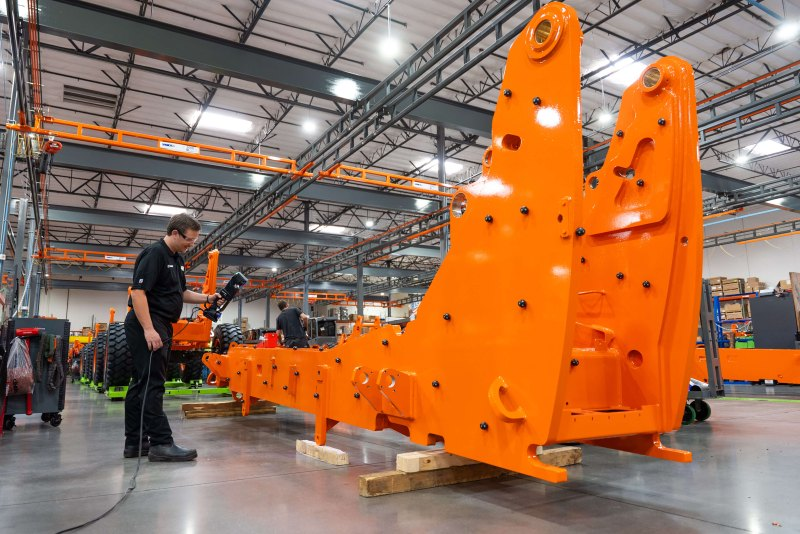
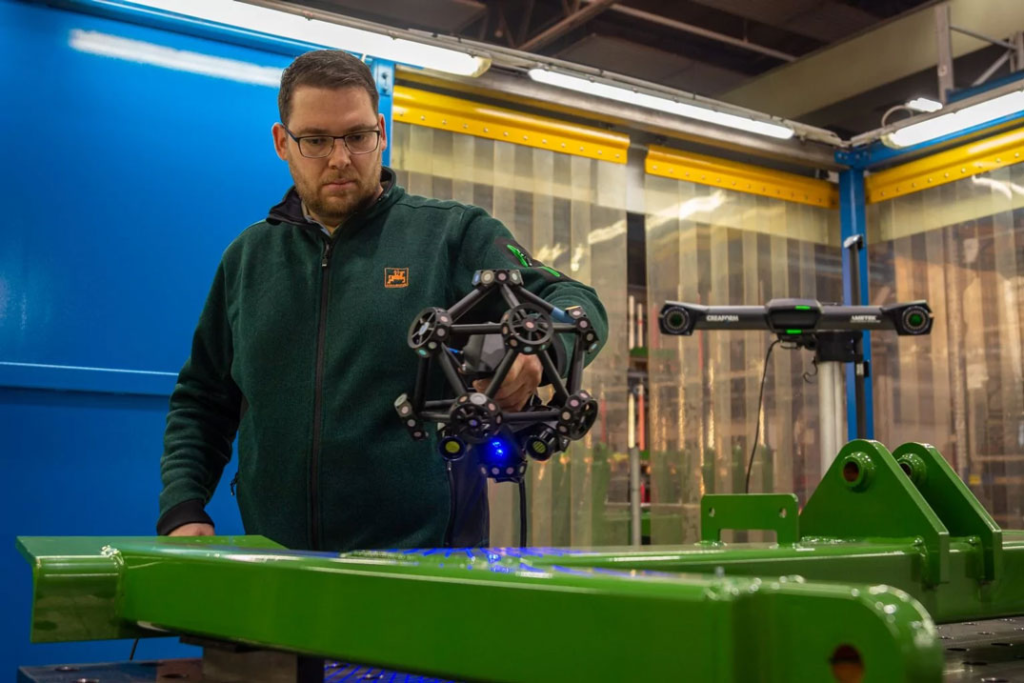
To uphold its commitment to quality when inspecting large welded structures, Xtreme Manufacturing needed a solution that could deliver fast, accurate, and versatile measurements. Among all requirements, speed proved critical to accelerate telehandler assembly. The chosen solution met these demands, combining efficiency, accuracy, and ease of use without compromise.
This article explores how Xtreme Manufacturing improved manufacturing quality and inspection efficiency by integrating the Creaform HandySCAN 3D | MAX Series into its workflow.
Before adopting Creaform’s 3D measurement technology, accurately inspecting large welded structures was a significant challenge for Xtreme Manufacturing. Manual inspection methods were not only slow but also allowed certain defects to go unnoticed, reaching the assembly line and causing delays and costly rework.
With multiple large welded structures requiring frequent inspections, the company needed a faster and more reliable measurement solution. Speed was a particular concern, as slow inspection processes jeopardized production flow and created bottlenecks.
The Need for Fast, Detailed Inspections on Large Welded Structures
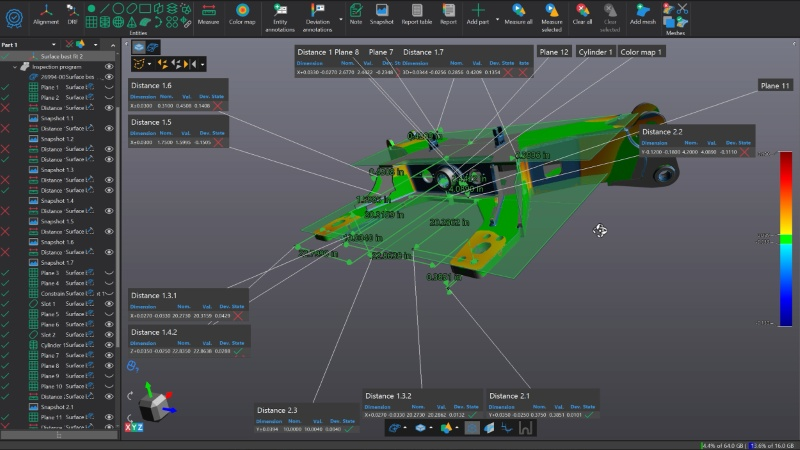
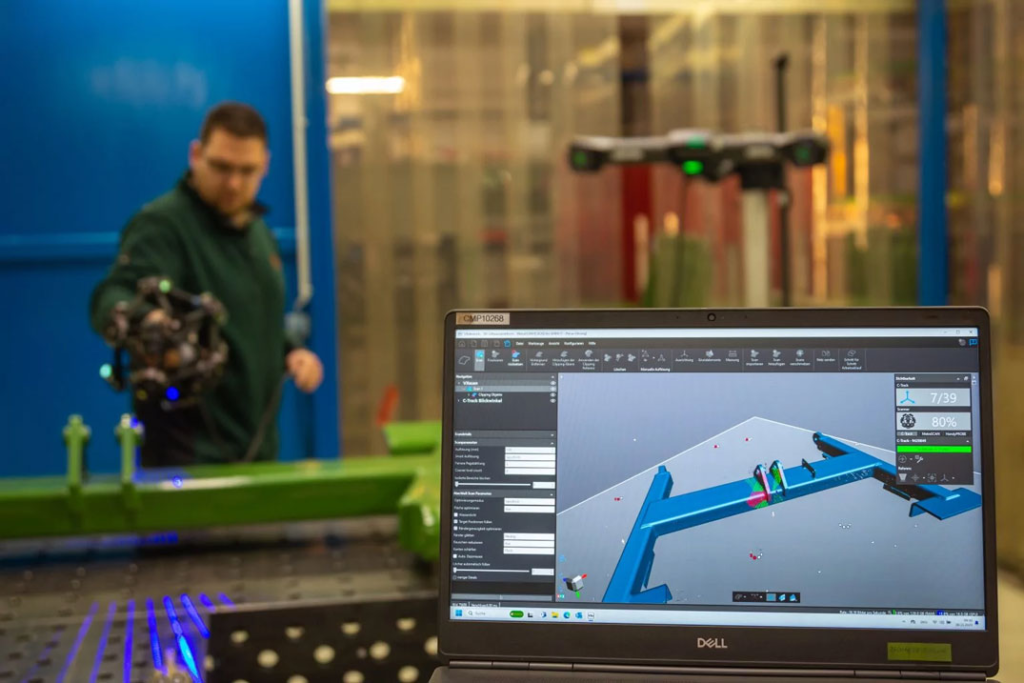
After evaluating several options, Xtreme Manufacturing chose the Creaform HandySCAN 3D | MAX Series for its ability to efficiently inspect multiple features on large welded structures and generate detailed inspection reports. One of the most valued functions was the ability to create an inspection file with all dimensions directly from the CAD model, ensuring a clear correlation between design intent and measurement results.
Integrating the portable HandySCAN 3D scanner into existing inspection workflows was straightforward, and the adoption process exceeded expectations. After just a few scans, the team quickly gained confidence in using both the Creaform portable scanner and the inspection module within the Creaform Metrology Suite, making implementation intuitive and seamless.
Solving Problems Before They Reach the Assembly Line
The adoption of Creaform’s 3D scanning technology quickly paid off. In one case, Xtreme Manufacturing detected an increase in welded stabilizer base structures that could not be installed on machines during assembly. To prevent further disruptions, they proactively removed 30 units from inventory and scanned each one to identify defects before they reached production.
This proactive approach allowed the team to isolate the issue in time and avoid repeated delays. Moving forward, they now have the ability to anticipate quality problems by quickly scanning inventory parts when needed, ensuring that “the pain is felt only once.” As Adam Truster, Manufacturing Engineer, explains:
“Implementing 3D scanning technology has significantly reduced production disruptions by quickly identifying quality defects before they escalate. This has optimized our process, ensuring smoother operations and maintaining high product standards.” Adam Truster, Manufacturing Engineer at Xtreme Manufacturing
Xtreme and Creaform: A Partnership That Delivers Results
Xtreme Manufacturing’s experience with Creaform has been overwhelmingly positive, from technical support to the performance of the HandySCAN 3D solution. Encouraged by the results, they plan to expand the use of this technology to inspect additional components such as chassis, telescopic booms, and welded structures before they reach the assembly line.
With Creaform, Xtreme continues to raise the bar for innovation and product quality. After all, innovation should simplify processes, not complicate them. By integrating Creaform’s 3D scanner into their workflow, they have improved quality control without disrupting operations—proving that the right technology drives better engineering outcomes.
Product: HandySCAN 3D|BLACK Industry: Manufacturers of water conveyance systems
In the infrastructure sector, where full asset replacement is often impractical, technology becomes a key ally to extend the lifespan of legacy tools. This is the case for Saint-Gobain PAM Canalisation, a company with over 160 years of history, which found in 3D scanning an effective solution to preserve its industrial legacy and move confidently into the future.
An Industrial Legacy Facing New Challenges
Saint-Gobain PAM Canalisation, part of the Saint-Gobain Group, is a global leader in manufacturing ductile iron pipes for water transportation, sanitation, and industrial applications. Founded in 1856, it has continuously evolved to meet market demands, remaining at the forefront of innovation.
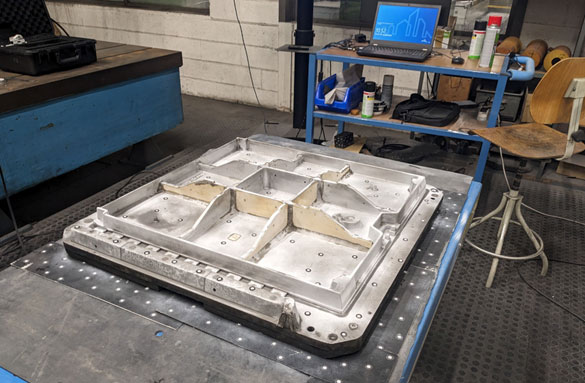
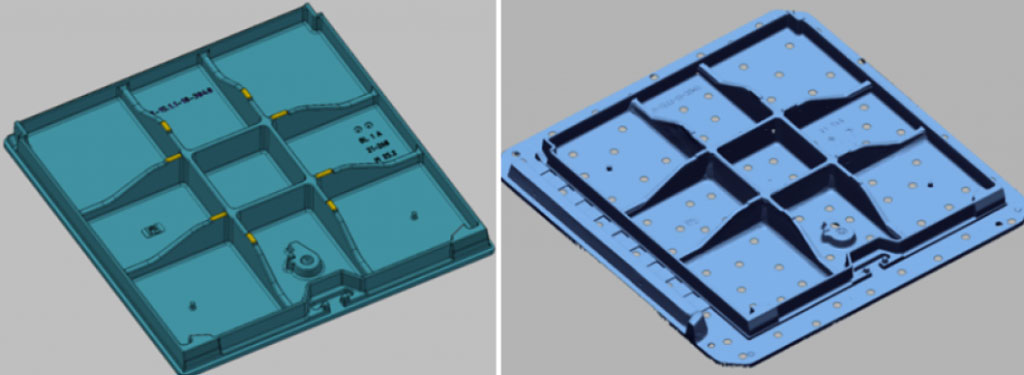
One of its current key challenges is digitizing old mold tools, essential for manufacturing plates used in road systems. These tools often lack CAD design files or modern technical documentation. However, a full replacement would involve high costs and operational complexity. The solution: accurately capture their geometry and generate reliable 3D models for reuse.
Creaform Technology: Precise, Fast, and Reliable
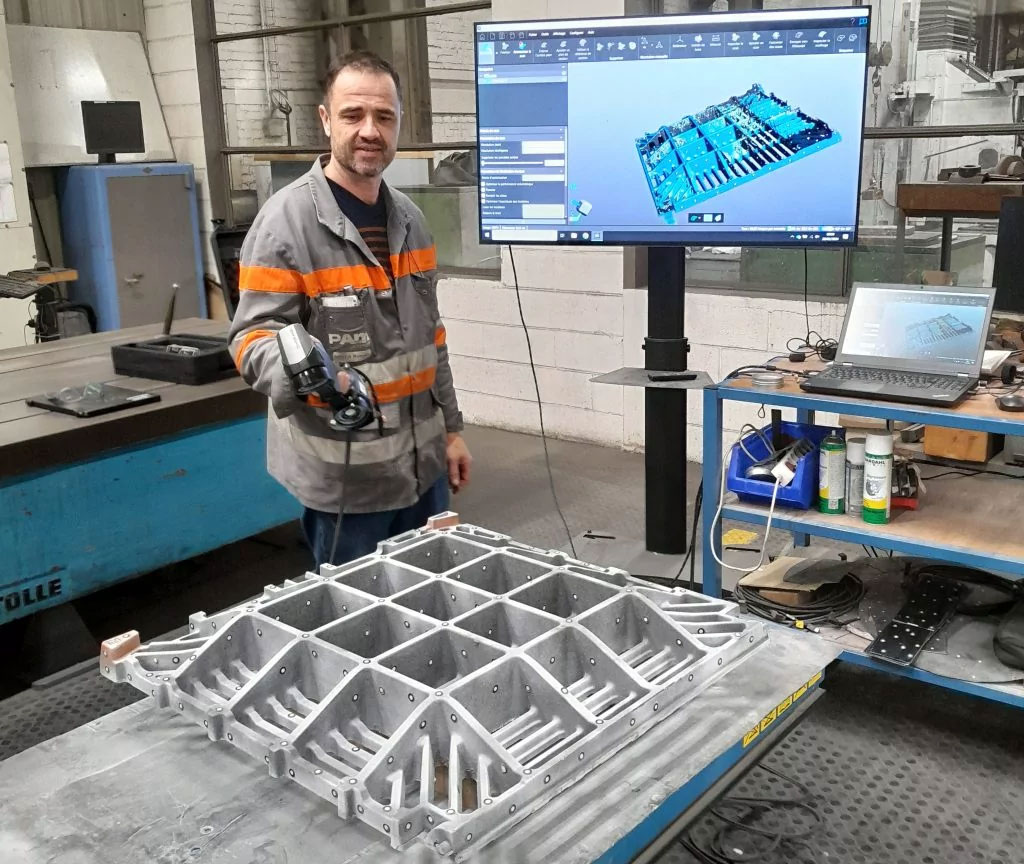
To address this challenge, PAM turned to Creaform solutions, specifically the HandySCAN 3D|BLACK scanner, known for its metrological accuracy, portability, and ease of use. This technology allowed them to capture every detail of the legacy tools and convert them into digital models with complete fidelity to the original design.
Before implementing this solution, PAM relied on traditional measurement methods, including coordinate measuring machines (CMM). However, the process was slow, error-prone, and inadequate for efficiently capturing complex geometries.
With the new system, they implemented a complete scanning ecosystem, including:
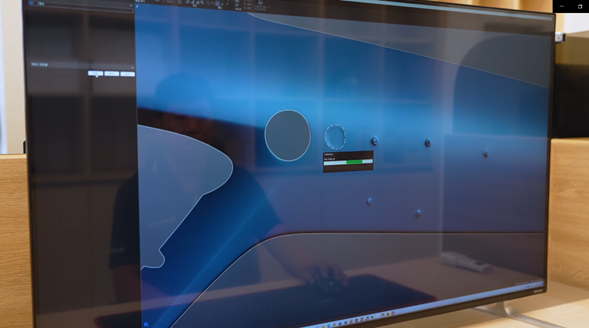
A dedicated room equipped with a rotary table and a 75-inch monitor.
A portable PC for flexible scanner use across production, quality control, and maintenance.
Integration of the scanner with Geomagic Design X and Control X software for reverse engineering and quality control.
Transformative Results
The implementation of 3D scanning had an immediate impact on PAM’s processes:
Significant Time Reduction
A project that previously required 2 to 3 months with manual methods can now be completed in just 2 weeks. Thanks to the HandySCAN 3D|BLACK’s 11 crossed lasers, data acquisition is rapid, even on shiny or reflective surfaces, without needing matte sprays.
Higher Precision and Access to Complex Areas
The scanner captures precise data in hard-to-reach areas such as deep cavities, which was not possible with previous technologies. This enables much more accurate and reliable modeling.
Portability and Ease of Use
The system is used by various departments, whether in the scanning room, workshop, or on-site, expanding its applications and improving team collaboration.
Operational Savings and Mold Reuse
Beyond saving time and reducing errors, digitization allows for reusing existing tools, representing significant savings in manufacturing and maintenance.
Conclusion: Moving Forward Without Leaving What Works Behind
The Saint-Gobain PAM Canalisation case shows that it is possible to advance digitalization without losing the value of accumulated experience. Thanks to Creaform’s 3D scanning technology and integration with advanced software tools, the company has successfully preserved its industrial heritage and enhanced it with efficiency, precision, and a forward-looking vision.
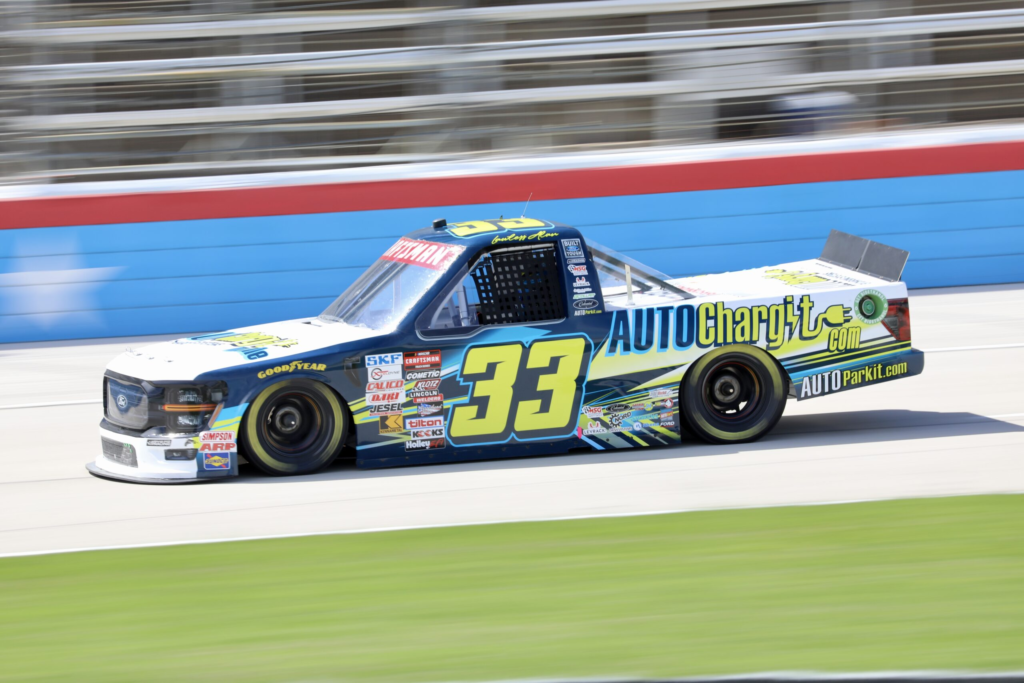
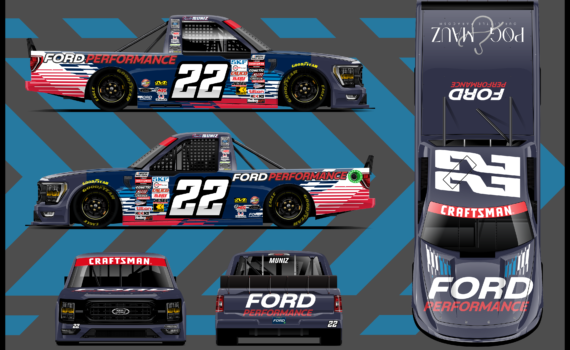
Reaume Brothers Racing is a professional American stock car racing team competing full-time in the NASCAR Craftsman Truck Series. Led by Josh Reaume, the team fields the No. 22 Ford F-150 with various drivers, the No. 27 part-time for Keith McGee, and the No. 33 full-time for Lawless Alan.
As an engineering-driven team, Reaume Brothers Racing is constantly exploring innovative solutions to stay competitive in a sport where strict regulations and limited testing opportunities are the norm. On top of that, they must ensure their constantly modified vehicles remain compliant with NASCAR rules at every race.
The Challenge: Traditional 3D Measurements Hindered Innovation
One of the team’s biggest challenges was acquiring accurate 3D measurements of their truck bodies. Initially, they relied on low-precision methods such as tape measures—leading to errors and inconsistencies that jeopardized compliance with NASCAR standards.
This lack of precision not only introduced a high risk of human error but also restricted engineers’ ability to confidently evaluate the condition of the vehicles both before and after races. At one point, they even outsourced their 3D measurement needs to a competitor—far from ideal in such a high-stakes environment.
The need to take control of this process in-house—ensuring accuracy, reliability, and confidentiality—was the turning point that led the team to seek a better solution.
The Solution: Creaform’s MetraSCAN 3D Solves the Accuracy Problem
Reaume Brothers Racing turned to Creaform’s MetraSCAN 3D for its speed, precision, user-friendliness, and repeatability. Paired with VXinspect for dimensional inspection, the system quickly became a key tool in their quality control process.
The implementation was fast and efficient. After just a few days of training, team members were scanning confidently. They initially used MetraSCAN 3D to establish setup protocols, enabling them to generate accurate 3D measurements and deliver detailed printouts to crew chiefs. This dramatically sped up vehicle setup times between races.
One of the team’s most impactful projects was replicating headrest mounts for their carbon fiber racing seats. Each mount was scanned twice, the scans were merged to fill in gaps, and precise part drawings were generated. This allowed for the seamless production of additional mounts, ensuring their seats were always race-ready.
The Results: Improved Quality Control and Performance
Creaform’s technology has completely transformed Reaume Brothers Racing’s quality control approach. The ultra-precise, high-resolution scans from MetraSCAN 3D allow the team to monitor and maintain their steel-fabricated truck bodies within NASCAR’s strictest tolerances.
Amir Alexander, Team Manager at Reaume Brothers Racing, shared:
“MetraSCAN 3D has significantly improved our ability to maintain and optimize our race vehicles. The precision and ease of use have been game-changers for us.”
He also highlighted the cost and time savings:
“Before we had our Creaform scanner, we had to transport the vehicle to a third-party provider, costing us around $2,000 and a full day—including prep and unloading. Plus, it exposed sensitive data about our trucks to competitors. Now, one employee can complete a scan in the same amount of time it used to take just to load the truck.”
Since implementing the scanner, the team has completed 17 truck scans and 8 part scans—each one delivering critical insights that give them an edge over their rivals.
Conclusion: Gaining a Competitive Edge with 3D Metrology
Creaform’s MetraSCAN 3D has become an essential asset for Reaume Brothers Racing. With its accurate, repeatable measurements, the team has reduced reliance on imprecise tools and human guesswork—ensuring their trucks stay compliant and perform at peak levels.
The success of projects like the headrest mount replication clearly shows how fast, reliable 3D scanning supports high-performance engineering.
As Amir summed it up:
“Implementing Creaform’s technology has given us the confidence to push our engineering further and maintain our edge in this highly competitive sport.”
In the large-scale die casting industry, where every detail matters and errors can lead to costly delays, EXCO Engineering has taken a decisive step to ensure unparalleled quality: adopting Creaform’s 3D scanners and software as a central part of their inspection processes.
A Legacy of Innovation and Precision
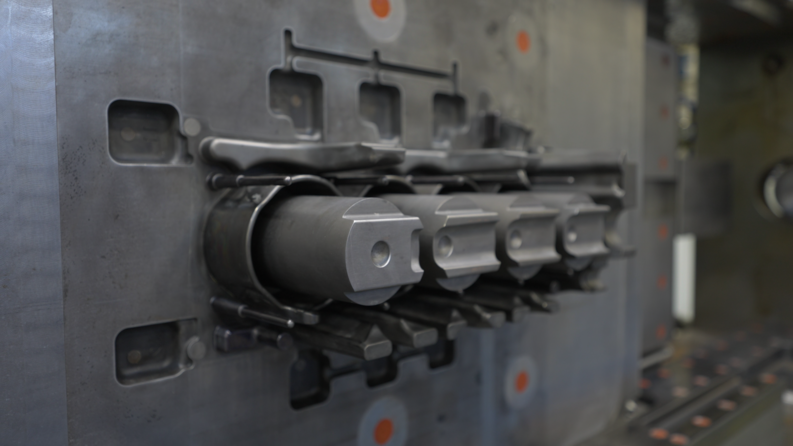
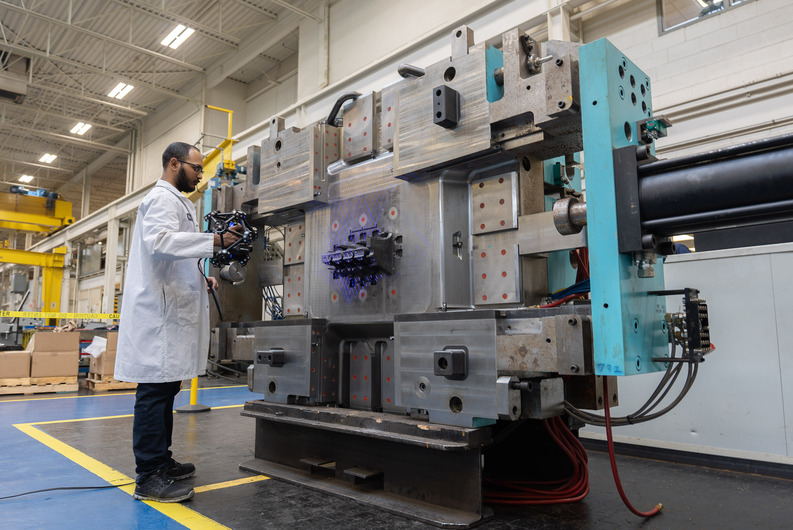
Located just 30 minutes from Toronto, EXCO Engineering is a global leader in die casting solutions for powertrain, body, and structural components. Operating from a 130,000-square-foot facility equipped with state-of-the-art machinery, in-house casting capabilities, and a 4,000-ton die casting machine, the company has supplied tooling for major automotive programs, from engine blocks to body panels.
With decades of experience, EXCO has consistently aimed to exceed customer expectations through high-precision engineering solutions.
The Challenge of Inspecting Increasingly Complex Molds
As die-cast parts grew in size and complexity, traditional inspection methods—like coordinate measuring machines (CMMs)—began to show their limitations. The quality team faced difficulties inspecting deep cavities, areas near pins, and internal ribs, even with one of North America’s largest CMMs.
This posed a significant risk: overlooking machining errors or missing engineering changes could lead to mold failures and halt customer production.
Transitioning to 3D Scanning
Recognizing these challenges, EXCO Engineering integrated 3D scanning into their operations, choosing Creaform’s technology. While the transition initially met some resistance, the accuracy, portability, and versatility of the MetraSCAN 3D scanner quickly won over the team.
“With the CMM, it felt like we were viewing the molding area on an old black-and-white TV. Now, with Creaform’s scanning software and the MetraSCAN 3D in our daily activities, it’s like seeing the results in 4K—we can clearly see what’s happening,” said Jonathan Koot, Quality Systems Manager at EXCO Engineering.
Immediate Improvements in Quality and Efficiency
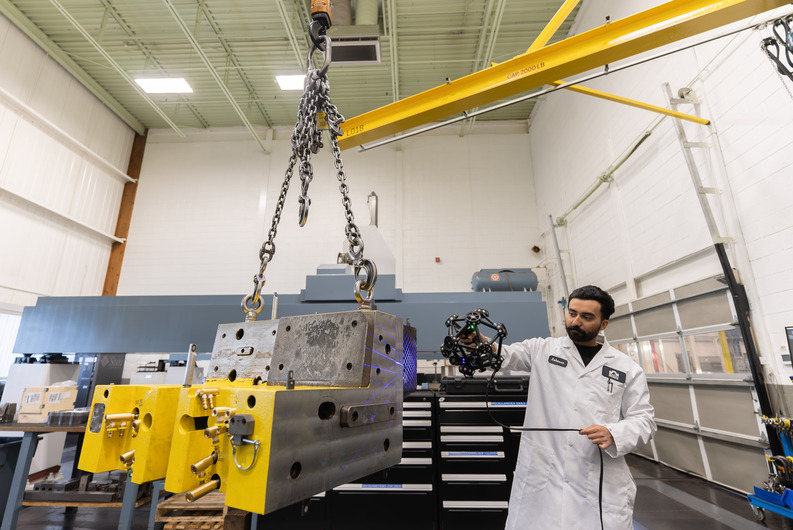
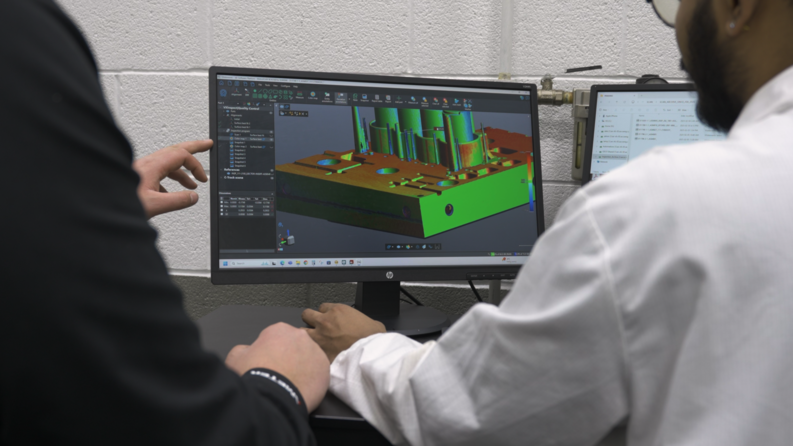
Implementing the MetraSCAN 3D allowed for direct scanning on the production floor, even inside CNC machines or on suspended parts. By capturing complete surface profiles, the generated color maps provide detailed analysis, facilitating error detection and swift decision-making.
Additionally, Creaform’s intuitive inspection software enables the generation of comprehensive visual reports in minutes, streamlining workflows and reducing inspection times by half for certain parts.
A Key Partner in Continuous Improvement
Beyond the technology, EXCO highlights Creaform’s customer support as a critical factor in their success. From immediate assistance to personalized on-site training, the user experience has been outstanding.
“They set the support standard so high that I forget what normal support is like,” Koot remarked.
Ensuring Quality from the Workshop
Through this collaboration, EXCO Engineering has eliminated critical errors before they reach the customer, ensuring parts meet the highest standards of quality and performance. Today, 3D scanning is not just an inspection tool but a cornerstone of their continuous improvement strategy.
Founded in 1883, Amazone has over 140 years of experience developing agricultural machinery that blends tradition with cutting-edge technology. As a family-owned company based in Germany, Amazone is a global leader in agricultural equipment, recognized for its commitment to innovation and quality.
A dedicated team ensures that Amazone’s machinery meets and exceeds the evolving demands of modern agriculture. “Amazone is known for designing high-quality solutions,” explains Stefan Albrecht, metrologist at Amazone. “At our Leipzig plant, we focus on passive tillage, incorporating modern and cost-effective agricultural methods into our machinery to support our customers’ operational success and growth.”
Challenges with Conventional 3D Measurement Technologies
For over ten years, Amazone’s quality assurance team has relied on 3D measurement technology to inspect in-house and externally manufactured parts. However, their previous 3D measuring arm presented significant limitations. Measuring large assemblies was challenging due to its limited range, and accuracy decreased with repositioning. Slow measuring speeds further restricted efficiency and increased workload.
Additionally, many components had to be placed on a flat magnetic surface, making it difficult or even impossible to measure certain assemblies. Rising repair costs also became an issue, prompting Amazone to search for a more advanced 3D measurement solution.
The company set specific criteria for their new measurement system, prioritizing: ✅ Faster, more accurate, and higher-volume measurements ✅ A simplified 3D measurement process ✅ A robust system capable of performing in industrial environments
The Game-Changer: Creaform’s MetraSCAN 3D
After evaluating various options, Amazone selected Creaform’s MetraSCAN 3D. “The MetraSCAN 3D met all our criteria,” says Albrecht. “We were particularly impressed by its flexibility, robustness, and speed in capturing and analyzing 3D measurements. It handles various surface types effortlessly—painted, cut, sandblasted, or baked—and is easy to operate.”
Amazone’s quality control team primarily uses the MetraSCAN 3D at a large measurement station in the production area. Components such as rear oscillating arms and welded assemblies (central frames, side frames, braces, rollers, and roller frames) are scanned and compared to their CAD models using 3D measurement software.
Boosting Accuracy and Efficiency
Compared to their previous system, Amazone has significantly accelerated its measurement processes. The streamlined data collection and inspection workflow allow the team to respond more effectively to new production challenges while enhancing incoming inspections and production control.
By scanning entire welded assemblies, Amazone proactively detects deviations and distortions, ensuring comprehensive dimensional checks.
Stefan Albrecht concludes: “For us, the future lies in using Creaform’s MetraSCAN 3D.”
Manufacturers: Still Doubting Automation In today’s manufacturing sectors, companies continually face various pressing challenges. Labor shortages and rising labor costs require innovative solutions to maintain productivity with fewer workers.
Additionally, relentless inflation continues to put pressure on raw material costs, thus reducing margins. Manufacturers are also competing against tight production deadlines, driven by the imperative for shorter time-to-market, a direct consequence of increasing global competition.
To overcome these widespread issues, many executives and factory managers are turning to automation and metrology solutions. However, they seek to leverage these technologies even further to maximize their investments. So, what are the possible next steps?
This article provides insights on how manufacturing companies can harness the potential of 3D scanners in automated environments. It also offers guidance for adopting approaches that balance initial technology investments with future scalability toward full automation.
Despite widespread recognition of automation as an indispensable factor in modern manufacturing, manufacturers are still hesitant to fully adopt automated production lines. This reluctance is rooted in organizational culture and operational considerations.
The Perception of Automation is Too Complex For many manufacturers, the perceived complexity of automation acts as a deterrent. The notion that automation requires a radical overhaul of existing processes and equipment fosters fear of the unknown. There is a prevailing concern that introducing sophisticated systems like robots and cobots will lead to job losses and a significant learning curve for employees.
Psychological resistance to change is further exacerbated by the misconception that automation is an all-or-nothing proposition rather than a scalable process that can be integrated gradually and managed with familiar tools.
Lack of Internal Expertise Another barrier to automation is the apparent lack of internal expertise. Small and medium-sized manufacturers, in particular, may not have the resources to maintain a dedicated IT department capable of implementing and maintaining advanced automation systems. They may assume that without specialists to guide the automation process, the chances of successful implementation decrease, preventing them from taking initial steps, despite the availability of more user-friendly automation tools.
Misconceptions About Cost Implications A misunderstanding of the costs involved amplifies doubts about automation. Manufacturers tend to focus on the immediate financial outlay while overlooking or underestimating the potential return on investment, which includes long-term savings and efficiency gains. This narrow view of finances obscures the true value of automation and its ability to optimize operations and reduce costs over time.
The Integration of 3D Scanners as the First Controlled Step Toward Automation 3D metrology-grade measurement solutions stand out for their versatility. They can be used at various stages of the manufacturing process, including product design and development, quality control and assurance, reverse engineering, and directly on production lines.
The Role of 3D Scanning in Bridging the Gap in Automated Manufacturing During the preliminary phase, 3D scanners help create accurate and detailed design models, laying the foundation for quality. As products move through the manufacturing cycle, 3D scanners can be used for evaluations and quality control on the fly, transitioning easily from manual and practical operations to semi-automated processes.
This adaptability offers manufacturers a tangible starting point for automation, allowing them to begin gradually and progress without the need for a complete overhaul of automation.
For small and medium-sized enterprises (SMEs), where each investment has even more weight in terms of return, 3D scanning technologies can be a cost-effective solution for taking a step toward automation without immediately adopting a fully automated system. This enables SMEs to gradually increase their automation capabilities along with their growth and financial comfort level. By implementing 3D scanning, these companies can harness the benefits of automation, such as greater precision and speed in production, without the large-scale investment that larger, more complex robotic systems would require.
The Inherent Scalability of 3D Scanning Technology Perhaps the most compelling argument for incorporating 3D scanning technology is its inherent scalability. It’s a future-ready investment that supports a company’s growth trajectory. As businesses evolve and market demands change, 3D scanning systems can scale to meet increased production needs or extend capabilities to new product lines.
In Summary: 3D Scanners Assist in the Transition Toward Automation For manufacturers facing the pressures of modern markets, starting with a versatile and upgradable 3D scanning solution provides a strategic path forward.
By selecting the right 3D measurement technology and implementation approach, companies can enhance their product development and quality control processes, improve efficiency, mitigate upfront costs, and lay the foundation for future automation.
A strategic investment in 3D scanning not only addresses current manufacturers’ needs but also sets the stage for progressive growth, ensuring they can adapt and thrive with emerging automation technologies.
Choosing the Right 3D Scanner When selecting 3D scanning equipment, it is important to consider key factors to ensure the solution chosen can meet your company’s needs both now and in the future. These factors include:
Scalability: It’s best to choose technology that offers both portable and automatable options. This allows for an initial investment in portable devices that can be expanded into automated systems as needs evolve and budgets permit.
Versatility: The technology should handle complex geometries and various materials without requiring extensive preparation, making it suitable for a wide range of applications and ensuring its long-term usefulness.
Speed and Precision: These are essential to maintain productivity and quality. The chosen technology should provide fast data acquisition and high precision to meet strict tolerances and quality standards.
Software Compatibility: It’s essential to seek solutions that work seamlessly with external simulation and metrology software, allowing for efficient data transfer and use throughout the manufacturing process.
Provider Expertise: When selecting a 3D scanning manufacturer, it’s important to choose one with extensive knowledge of both hardware and software. This ensures access to optimized support when addressing the most challenging production workflows. Additionally, you should inquire whether the provider has previously worked on automation projects with their 3D scanners or if they offer dedicated 3D measurement solutions for automated processes, such as quality control. It’s also worth checking if the provider offers integration services for their technologies in production environments.
Based in South Korea, Autocut is an automotive paint protection film (PPF) and tinted film solutions provider. It delivers software with 17000+ pattern data of paint protection films (PPF) and pre-cutting films for automotive aftermarket shops. Pre-cutting of the film based on the shapes of car parts is needed for productive PPF projects. With over 15 years of expertise, Autocut’s solutions are adopted in over 100 shops in South Korea.
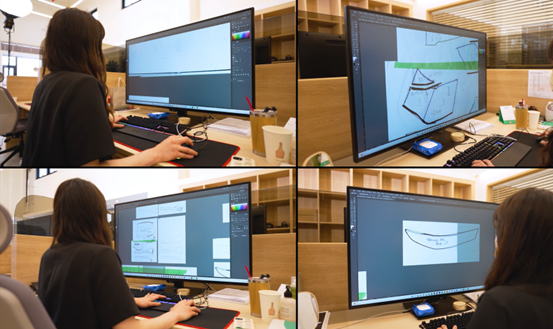
Traditionally, Autocut’s development team performed measurements manually, using tape and transparent paper, in order to design new patterns. Film cutting was also carried out by hand. Unfortunately, these processes did not provide consistent results as the patterns tended to vary based on shop floor conditions. Large patterns, which couldn’t be covered by paper and film, were difficult, if not impossible, to make.
Autocut’s digital transformation: The search for the right 3D scanner
Sangwon Jung, Autocut’s CEO, and Chango Kim, Director, decided to look for a more modern alternative and transition towards digitalization. “We wanted both hardware and software that were easy to use and reliable,” explained Jung.
The team looked into several 3D scanning technology vendors; unfortunately, after extensive testing, the quality of the scans was poor, and the software platforms were not very intuitive. Some of the scanners could not even show a clear image because of severe reflections or distortion of colours on the boundary lines.
Creaform’s 3D scanners take on Autocut’s most challenging projects
Autocut then took Creaform’s metrology-grade 3D scanners for a test drive. “Creaform’s solutions were different,” Jung said. “They are very user-friendly, and the software is equally easy. We knew right away that we could deploy these solutions very quickly into our existing workflows.”
The company acquired Creaform’s MetraSCAN 3D and Go!SCAN 3D scanners, along with VXelements software, an advanced 3D metrology software platform. The results were almost immediate. Technicians can quickly scan a vehicle and get the 3D measurements they need in a very short timeframe. Jung and Kim estimate that the 3D scanners have improved efficiency twofold.
Creaform’s 3D scanners also drastically reduced repetitive tasks. “Once the components are scanned the first time, it is simple to expand and modify them with additional new patterns—all while ensuring consistency,” Kim added. This means that technicians can derive as many patterns as they want by analyzing and substituting various 3D models. Autocut also observed major efficiency gains when it came to highly customized film cutting for specific cars, which inevitably allowed the company to take on even more projects.
Contrary to other 3D scanners on the market, MetraSCAN 3D and Go!SCAN 3D generated clean and accurate data in real time without any limitations, including white, black, shiny and reflective surfaces. Complex geometries could also be captured with ease. In addition, VXelement’s post-processing capabilities accelerated development thanks to the software’s versatile features and fast treatment.
“We were very happy with the immediate technical support and continuous software updates,” Jung said. The team was able to rely on Creaform’s responsive local experts for any questions or troubleshooting—a must for businesses that are just starting out with 3D scanning technologies.
Autocut plans to expand into other sectors in the short term by offering services for motorcycles, bicycles and golf clubs. “We believe that thanks to Creaform’s 3D scanners, our business has greatly improved customer satisfaction and helped us to gain a competitive edge in our market.”
The Chair of Metal Structures at the Technical University of Munich has been contributing to the development of steel and light metal structures within the construction industry for many decades. There is a long-standing tradition in the areas of bridge design, stability, construction, composite structures, fatigue and glass works. However, other current matters are also continuously addressed, and new priorities are set. In recent years, research efforts in fire and explosion safety have intensified, thus requiring highly complex numerical investigations in addition to experimental validation.
Measuring System Requirements and Challenges
Given their experimental approach supplemented by numerical experiments, the Chair expressed great interest in the exact dimensions of the test specimens—in this case, columns. They would later be used as reference for inspections. The measurement tasks for test specimens were often outsourced. For one thing, this was very costly and therefore restricted 3D measurements to isolated test specimens.
The following criteria played a decisive role in the search for a 3D measuring technology: Precision, workability of the measured data in widely used civil engineering software, easy-to-use functionality, as well as short scanning and inspection time. Based on various factors, the decision was finally made in favor of the HandySCAN BLACK from Creaform. This portable 3D scanner distinguishes itself from other devices on the market by its wide range of measurement possibilities, the compatibility of the data with common CAD software, its already proven and widespread use in well-known companies, and a compelling product design.
Scan of Heavy-Duty Composite Column Geometries
In order to identify misalignments and curvatures of high-strength composite columns, geometric imperfections had to be scanned. Unfortunately, columns are not always perfectly straight. Deviations from the ideal shape often occur during production. These deviations are known as imperfections, and they have a variable influence on the bearing load of the component, depending on how far from the ideal shape the deviations are. For components subject to compressive stress, these imperfections lead to a reduction in the bearing load capacity, which depends on the degree of deviation. By measuring them with a 3D scanner, we can obtain important information about the dimensioning of the components.
Columns of up to 4 meters long can be scanned relatively easily with the HandySCAN 3D. Positioning targets are placed on the pipe and the pipe is placed in an upright position. This allows the contour to be measured quickly and easily from all sides—including the curved cylinder surface and the cross-sectional contour at the end of the pipe.
The 3D measurements provide information about the imperfections of the component. However, the component had to be modeled separately in an finite element (FE) environment and given equivalent imperfections that represent not only the geometric, but also the structural imperfections. The calibration of these equivalent imperfections is based on the scan and test results. After a period of adjustment, the scans were assessed in VXinspect. Dimensional inspection software such as VXinspect facilitates analysis by means of built-in functions; in the case of pipes, for example, cylindricity is important.
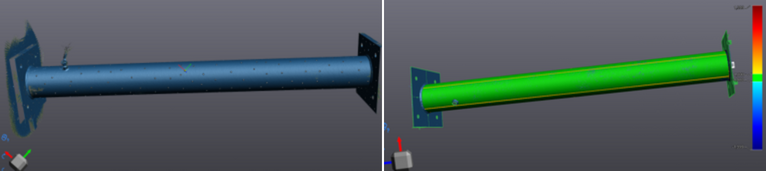
Scan and CAD of a high-strength composite column with color deviation
The impact of the internal stresses and imperfections incorporated in the finite element models can now be quantified with measurements before they actually appear. This avoids resorting to benchmark values, and calibrating these variables afterwards according to the experiments conducted.
“Creaform greatly facilitates and enriches our research in the field of steel construction, and will prove indispensable in any experimental project in the future. Since we also have our own 3D scanner, we can now measure a large number of test specimens ourselves. This results in greater flexibility, and considerable cost savings, since we no longer need contractors,” says Prof. Martin Mensinger, Head of the Chair of Metal Structures at the Technical University of Munich.
Product: HandySCAN Industry: Aerospace and Defense
Lufthansa Technik AG (LHT) is a provider of MRO (maintenance, repair and overhaul) services for aircraft and has 50 locations worldwide. LHT is wholly owned by Deutsche Lufthansa AG and comprises 32 technical maintenance companies and subsidiaries in Europe, Asia and America, along with more than 26,000 employees (as of 2019).
LHT is based at Hamburg Airport. Other important German locations are the two Lufthansa hubs Frankfurt Rhein-Main and Munich as well as the Berlin Tegel Airport (Line Maintenance) and Schönefeld (C-Checks).
Control of Material Expansion
The ARC® – Airframe Related Components division overhauls and repairs fan reversers, engine cowlings, flight controls, aircraft noses (radomes), and other secondary structure composite components. In addition to maintenance work, repair, developments, all types of material support, and logistics solutions are provided. These services are offered for civil aircraft and nearly all popular aircraft types.
To repair the above-mentioned components, adhesive trays made of carbon or glass fiber are used. Shapes and contours must be checked regularly. The production process takes place under the influence of pressure and temperature variations in an autoclave, so that the material can expand. The extent of the expansion is determined by periodic scans. It is not a one-off project—but a regular measure to ensure quality standards.
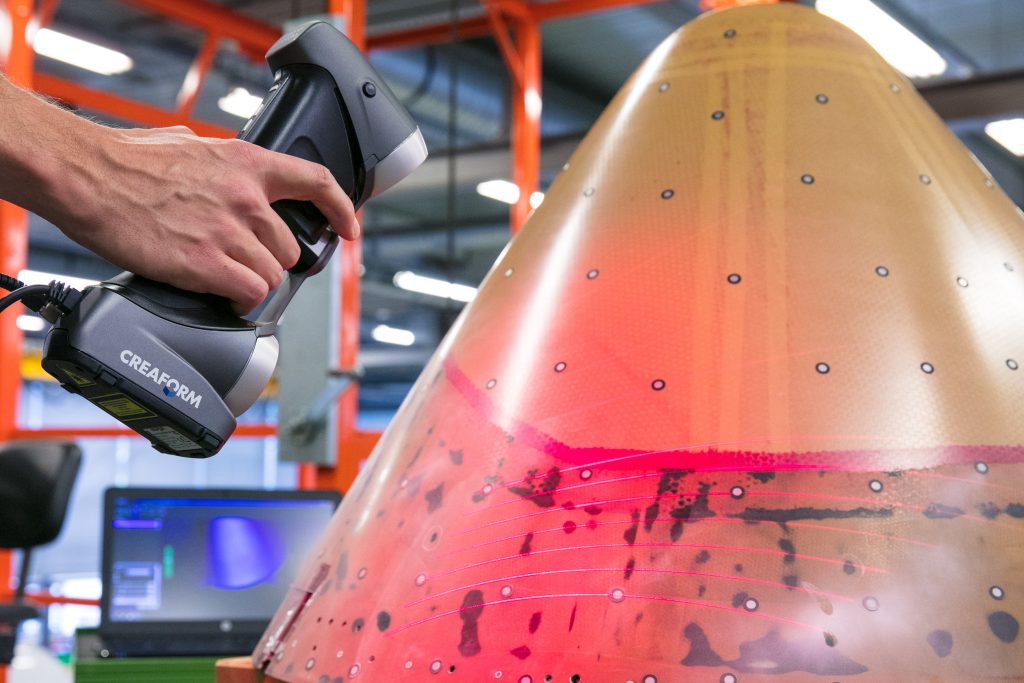
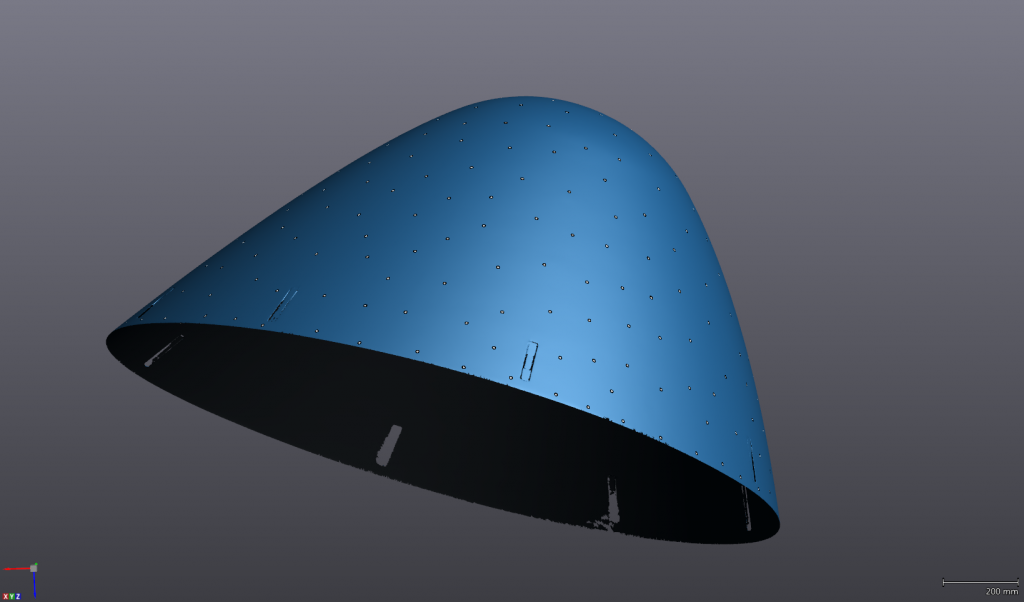
Screenshots of a scanned aircraft nose
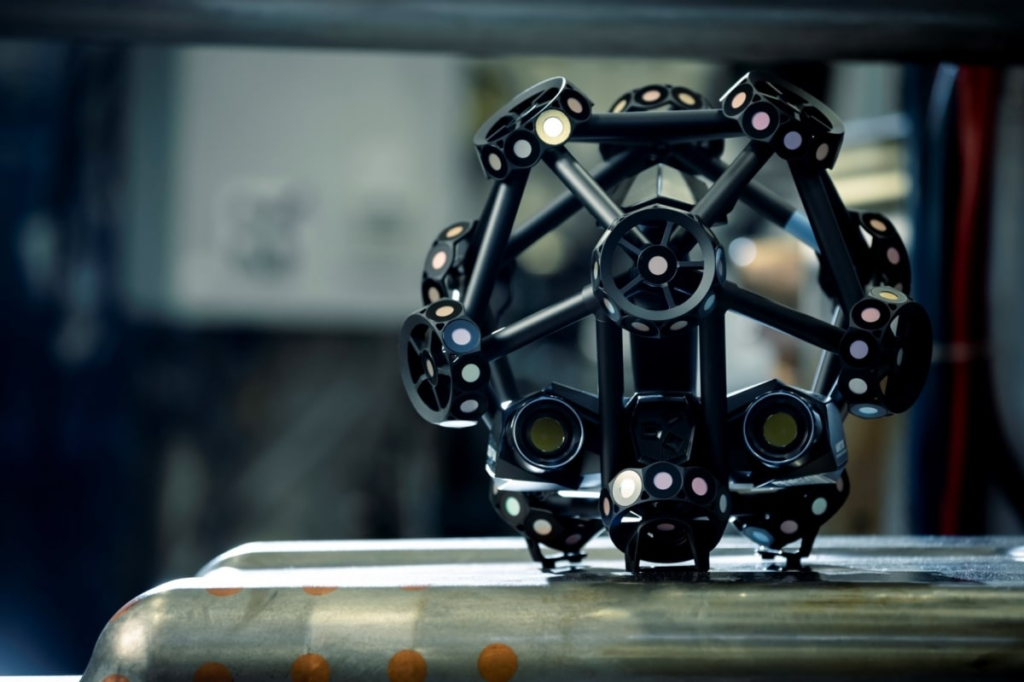
The actual state is checked with Creaform’s HandySCAN 3D scanner or, for large objects, with the photogrammetry camera MaxSHOT 3D and compared with a CAD model (target state). On the software side, the data acquisition software, VXelements, is used for data acquisition. On top of providing reliable measurements, Creaform systems are used for other applications, such as reverse engineering, with the help of VXmodel scan-to-CAD software module.
Decision Criteria and ROI
Before LHT started using Creaform systems, measurements, data processing and reverse engineering were provided by a third-party company. The quality of the data as well as the duration of implementation and flexibility in changing conditions led to the decision to purchase hardware and software, thereby building the company’s internal know-how.
Decisive for the choice of the measuring systems were the compactness of the devices as well as the simple data acquisition with the HandySCAN 3D scanner. With these key features, it is possible to capture complex geometries with relatively little effort. In addition, the accuracy for the intended applications is sufficiently high. The MaxSHOT 3D helps to ensure unprecedented accuracy even for larger objects. Currently, the measurement systems are used exclusively in a workshop environment under (mostly) controlled, climatic conditions.
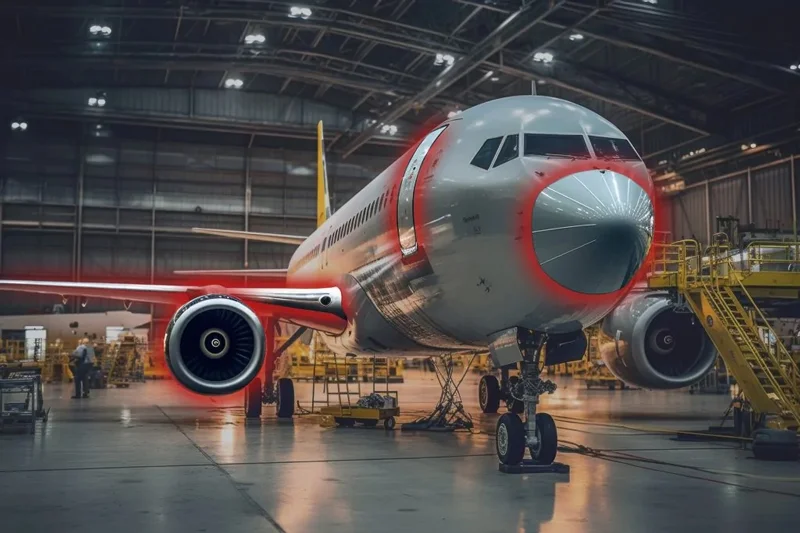
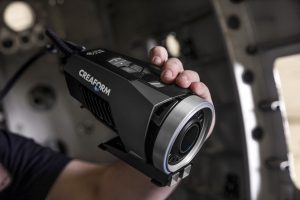
Photogrammetry camera MaxSHOT 3D measures large objects with high accuracy
“The control of the material expansion could have been measured with other common measuring systems, but the price-performance ratio and the compactness of the 3D measuring systems from Creaform made the decision easy. In addition, the customer service is impeccable,” explained Gunnar Hinrichs, who works at the Airframe Related Components Department at LHT. “In terms of ROI, the purchase has also paid off, even if we do not yet have any meaningful data. But it is likely, according to our own estimate, to have a give-figure amount in the lower segment, which we save on outsourcing. If we detect quality deviations at an early stage by using the Creaform technology, we can prevent unnecessary costs and therefore expensive reworking at the customers’ sites.”
Compact, Simple and Flexible
The experience with the Creaform systems is positive. “We can respond much faster and more flexibly to measurement tasks, discuss the measurement results directly at the measured component, and share information with other stakeholders. The systems consistently convince us we made the right decision with their compactness and simplicity of use. A measurement process, including pre- and post-processing (assembly, attachment of the targets, etc.), is completed within 2-3 hours. The data is available in real time. The software interface is well-implemented, understandable and clear. The training provided by Creaform is outstanding and the employees are always available for advice and support. That’s the way you want it to be,” said Hinrichs.
Product: HandySCAN Industry: Aerospace and Defense
US Department of Defense Uses 3D Measurement to Solve Maintenance Challenges
The United States military sector is faced with a host of technical challenges when it comes to maintenance, repair and engineering. Aircraft only have value if they are flight worthy. Personnel responsible for this need efficient and effective means to reduce risks, costs, and maintenance turnaround.
3D scanning instruments and technologies remedy discrepancies due to user errors, they allow for time-saving MRO and reverse engineering operations, and are effective for providing CAD files for 3D-printed replacement aircraft parts and prototypes.
Metrology Hardships in Military: What Can 3D Measurement Do to Help?
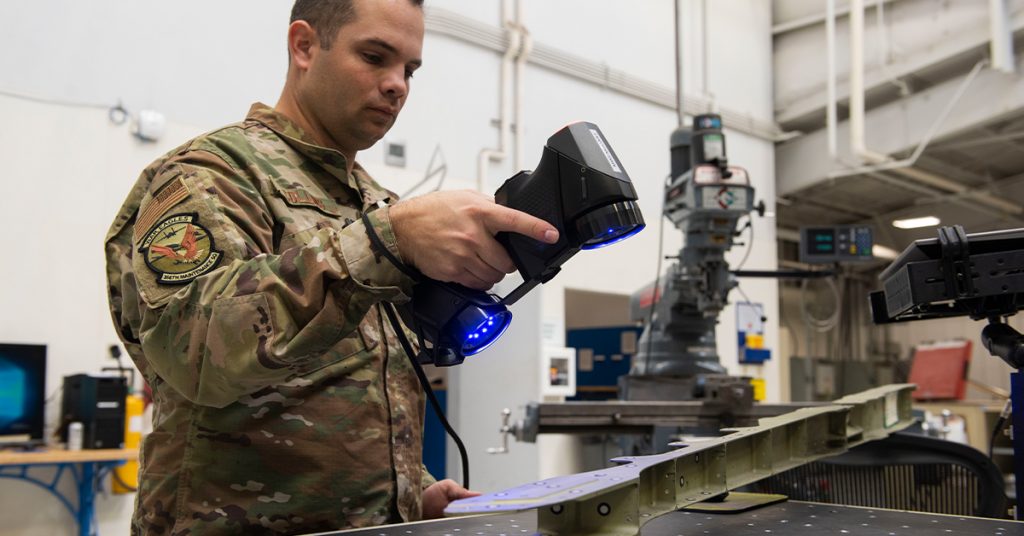
Tech. Sgt. Kevin Collins, 366th Maintenance Squadron aircraft metals technology section chief scans an aircraft structure at Mountain Home Air Force Base, Idaho, March 2, 2020. The HandySCAN 3D allows Airmen to scan a structure, eliminating the need to hand draw it on the computer. (U.S. Air Force photo by Airman Natalie Rubenak)
Heavy aircraft maintenance often means long-term grounding, resulting from errors in custom repairs.
Since reliable CAD data is typically not available, the aircraft must be measured to make repairs. Measurement discrepancies typically result from the lack of adequate tools to measure multiple objects and complex surfaces in addition to the challenges to inspect a wide range of part sizes, finishes and colors.
In a nutshell, 3D scanning devices and technologies can be used to accelerate reverse engineering, MRO operations and 3D printing applications, thus increasing mission effectiveness.
Reverse Engineering – Manual to Digital
MRO – Streamlining Inspection and Structure Damage Analysis
Align and Mate: The Bell Helicopter Case
Reverse engineering process: From manual to digital
The 366th Maintenance Squadron (MXS) at Mountain Home Air Force Base (MHAFB) acquired a Creaform HandySCAN 3D handheld 3D scanner to scan large aircraft structures quickly and efficiently.
Prior to using the device, MHAFB Airmen would use “facsimile mold” to fix broken parts or recreate structures. The main issue with facsimile mold is that it takes 48 hours to dry. “When it is done drying, you take it out and still have to go in and measure everything and hand draw it on the computer. It [is] so time consuming,” says Tech. Sgt. Kevin Collins, 366th MXS aircraft metals technology section chief. This tedious reverse engineering process consisting in manually designing models on the computer puts the personnel at the mercy of user errors and premature maintenance.
3D scanners provide the data required to perform full-scale engineering, manufacturing and development of parts and structures. 3D scanning for reverse engineering removes the user error factor and provides unmatched traceability for documentation purposes. Also, device portability means on-site analyses, and reduction of inspection times. 3D scanners are critical tools to support solid reverse engineering processes.
The model above was scanned using a HandySCAN BLACK portable 3D scanner; you can zoom in and see the level of detail around the edges, the holes, the bends and the fasteners. This complex, large part (680 mm X 320 mm X 60 mm) displays several features which would be difficult to measure without 3D scanning instruments.
Another problem faced by MHAFB Airmen is that of accuracy. The mold would often provide little to no accurate results, which would eventually lead to rework and wasted time. “With the scanner, we never run into that issue. In fact, it’s accurate up to about 0.025 mm,” Collins said.
Parts manufactured following this type of reverse engineering process can be quickly and accurately compared to CAD drawings to control 3D dimensional quality.
2. MRO – Streamlining Inspection and Structure Damage Analysis
Fairfield’s Travis AFB, via the 60th MXS, reported using various innovative strategies to improve mission effectiveness and reduce wasted time. The Air Force allocated $64 million in Squadron Innovation Funds to “increase readiness, reduce cost, save time and enhance the lethality of the force,” said Joshua Orr, 60th MXS. Among the new technologies were 3D printing and 3D scanning; the former using the latter to print and replace aircraft parts that suffered damage.
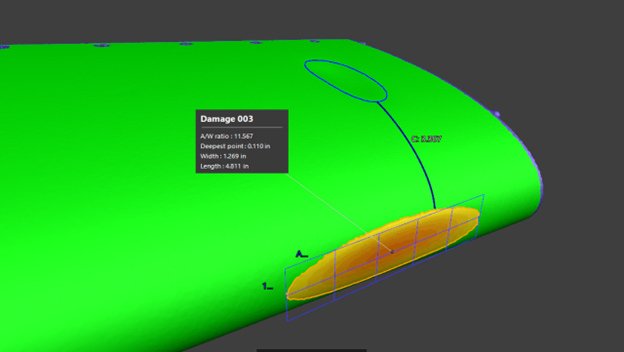
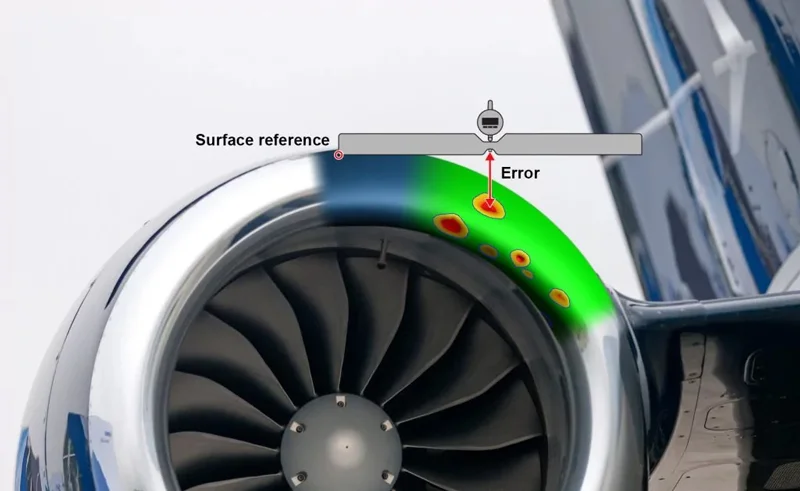
In one notorious case, a C-5 aircraft had been damaged by hail, resulting in numerous dents and scratches on all of the plane’s panels. Every 180 days, Travis Airmen would inspect the aircraft to locate and measure the dents that were still on the wing’s surface. Using traditional measurement tools and methods, performing this task would take around 48 hours. But equipped with a Creaform HandySCAN 3D and SmartDENT 3D, the Airmen were able to complete the inspection in 30 minutes. Unlike manual dent measurement methods, SmartDENT uses good material around damage to create reference surface and provide reliable measures.
Joshua Orr, 60th MXS, uses a Creaform HandySCAN 700 to capture digital information to render a three-dimensional image of an aircraft part into specialized computer software.
“We had that C-5 in our hangar last week and we were able to inspect the four primary structural panels in 30 minutes.”
Master Sgt. Christopher Smithling 60th Maintenance Squadron assistant section chief for aircraft structural maintenance
Moreover, the procurement of two additive manufacturing units by the 60th MXS will undoubtedly unlock development, repair, replacement and production capabilities at Travis AFB. Aircraft are typically down for two days when a replacement part is needed. However, a solution comprising a 3D scanning device, scan-to-CAD technology and 3D printing can dramatically decrease out-of-service time. “With the two additive manufacturing units, we will be able to grab any aircraft part, scan it, and within four to eight hours, we will have a true 3D drawing of it that we can send to the additive manufacturing unit to print it,” said Christopher Smithling, 60th MXS.
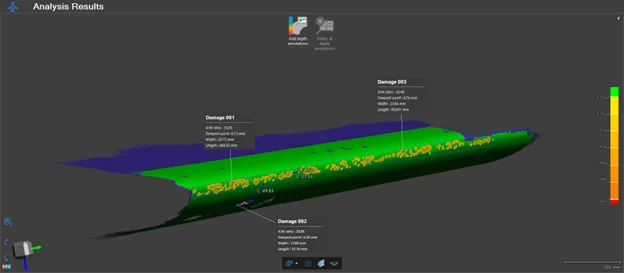
Back to the hail storm matter, Creaform developed a complete 3D scanning solution for the aerospace industry named HandySCAN AEROPACK. It addresses the specific challenges of aircraft quality control, such as assessing damage resulting from aircraft incidents and natural phenomena, like hail, as well as flap and spoiler inspections. The 3D scanner and software package includes VXinspect, VXmodel, SmartDENT 3D and provides the most versatile solution for a maintenance base/MRO facility.
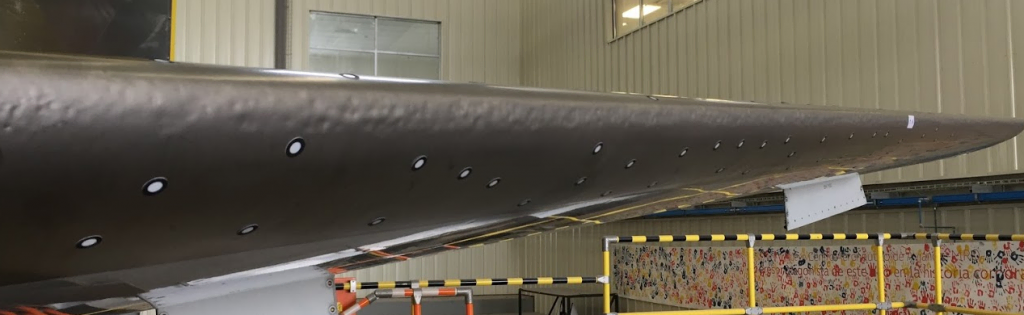
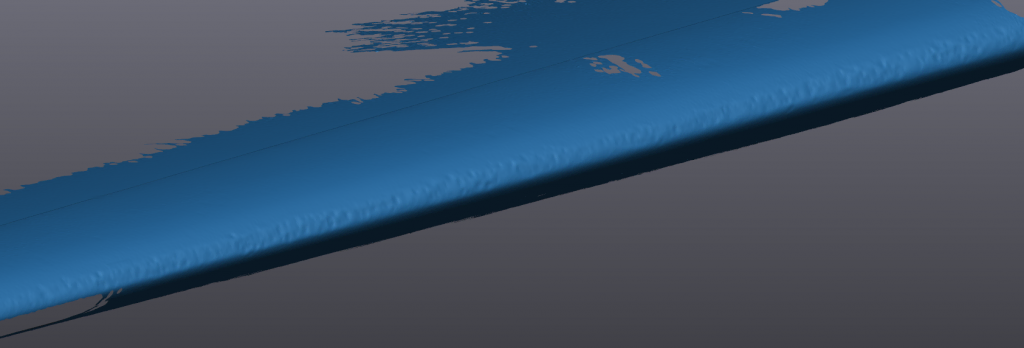
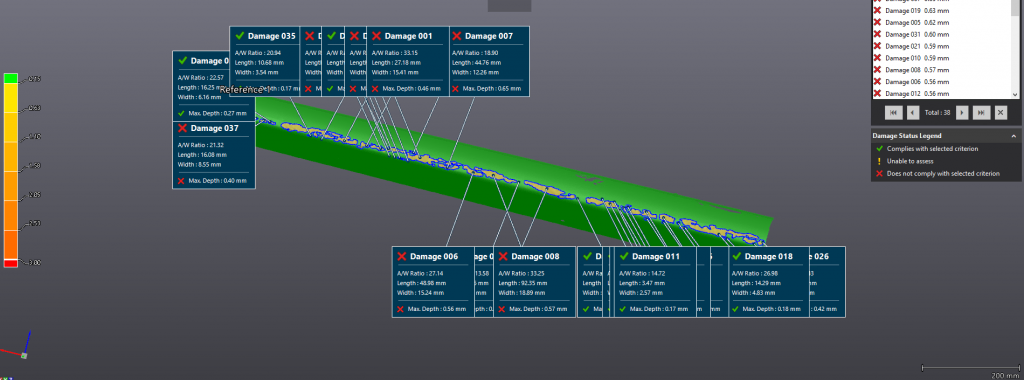
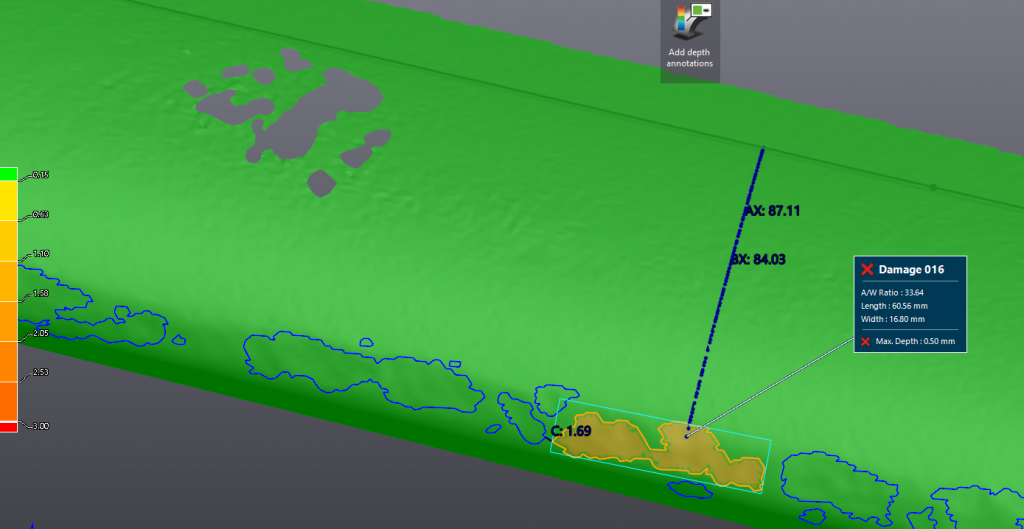
Leading edge of stabilizer of a Boeing 767 damaged by hail3D scan of the leading edge of a Boeing 767 aircraft using a 3D scannerAnalysis of leading edge of a Boeing 767 stabilizer in SmartDENT 3D. Total analysis/reporting time is 30 minutes for full stabilizer damage assessment with a 25-micron accuracy compared to 1-2 days with traditional manual methods.Sample dent inspection on an aircraft. Feature measurements with out of tolerance maximum depth.
3. Align and Mate: The Bell Helicopter Case
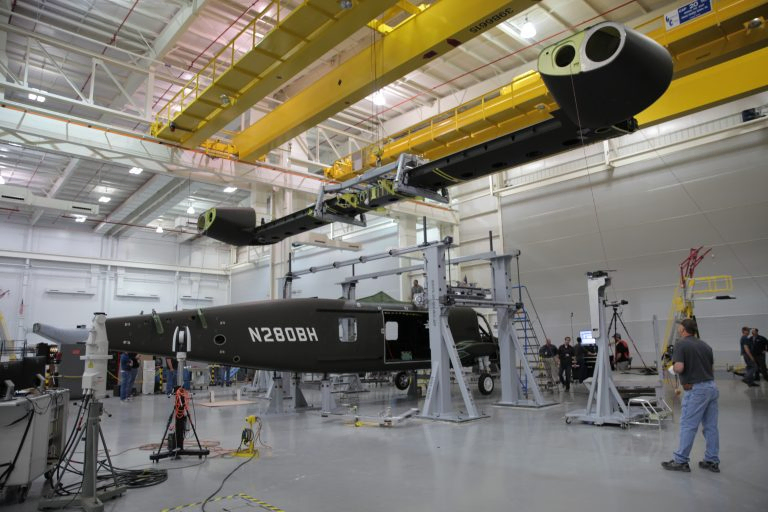
At their Amarillo factory in Texas, Bell Helicopter, a Textron Inc. company, performed the mating of heavy components with the V-280 Valor’s fuselage, a medium-lift tiltrotor transport prototype aimed at “[rekindling] the Army’s interest in tiltrotors.” First, nacelles were attached to the wing, and then the nacelles-wing assembly was attached to the fuselage. These complex operations require vivid attention to detail, bearing in mind the extreme accuracy with which the massive components must be oriented and positioned prior to the mating process.
Multiple C-Tracks and the Creaform VXtrack software module for dynamically tracking multiple objects came in handy to accurately measure the position and orientation of the components of this assembly in real time, as they are assembled (in this case, the tiltrotor’s wing, nacelles and fuselage).
V-280 Valor wing mating at Bell Helicopter Amarillo. Photo courtesy of Bell Helicopter.
Bottom line, the benefits of 3D technologies along with dedicated software are direct and substantial over conventional metrology. Components were positioned in hours, rather than days. Time savings on measurements, increased accuracy, removing user error and unmatched traceability, are just some of the benefits of state-of-the-art measurement technology.
MRO: How to Choose the Best 3D Measurement Solution?
To choose the right 3D measurement solution for your maintenance, repair and engineering project, start by mapping out your current 3D measurement or inspection process, and identify the major, most recurring problems of your workflow and opportunities for improvement.
Of course, accuracy, portability and price all make great impact on decision making, but the more information you can get about the target application and the results you want to generate, the better your choice will be.
Considerations with respect to object dimensions, environment, processing speed and software compatibility will help you find the solution that best fits your needs. That way you will probably be able to start simple and scale things up along the way.
For instance, decision-makers in the aerospace MRO industry will tend to orient their choice based on the fact that the objects to scan are relatively large, that the environment greatly affects the surfaces, and that time is of the essence: the longer aircraft are grounded, the more stakeholders lose money.
Do not hesitate to reach out to various providers to ask for a demonstration and discuss your current challenges with 3D measurement specialists. Creaform offers a full suite of 3D solutions for this type of work: metrology graded, truly portable, fast and versatile. We maintain an ISO 17025 accredited in-house calibration laboratory and can provide unmatched support across the world. Creaform offers traceable solutions that will provide you measurements you can rely on.







 Photogrammetry camera MaxSHOT 3D measures large objects with high accuracy