

Industry: Autoinjectors
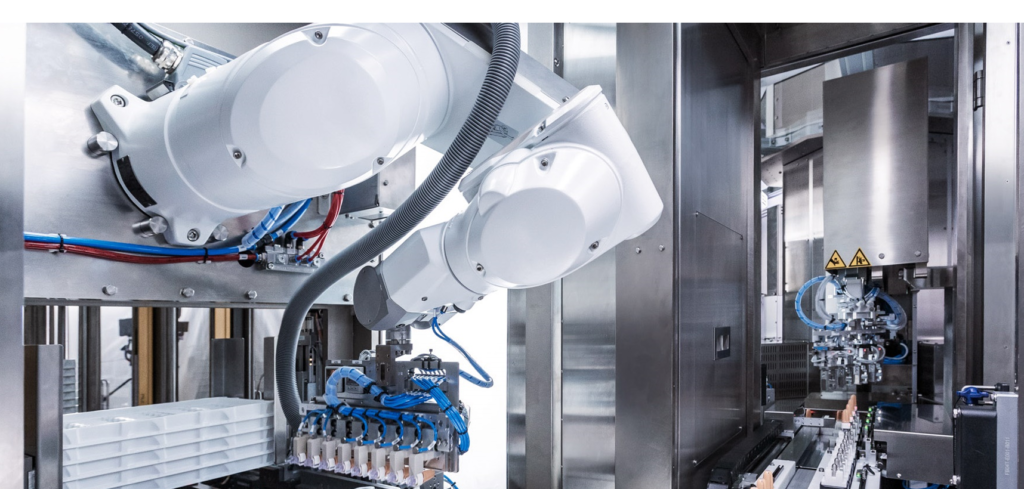
Exploring automation in autoinjector manufacturing: A comparative analysis for medical device production
SHL Medical; Lu Yi-Chi and Luigi Fumagalli
Medical device manufacturing processes have undergone significant transformations, particularly in the realm of automation. At the 2024 Plant Simulation User Conference, we delve into a comparative analysis of manual versus automated intralogistics and automated storage and retrieval system (ASRS) integration through Plant Simulation, shedding light on the transformative journey within autoinjector manufacturing.
Brief introduction to SHL Medical

Founded with a noble ambition to improve the lives of patients reliant on self-injection solutions, SHL Medical pioneers advancements that foster patient independence and elevate their healthcare experience. Through partnerships with leading pharmaceutical and biotech companies, we deliver high-quality products and reliable platforms, empowering millions of patients annually and catalyzing positive change within the medical device and healthcare ecosystem.
What we do
At SHL Medical, we specialize in the design, development, and manufacturing of self-injection solutions, offering a comprehensive suite of services from design to build and contract manufacturing. Our portfolio includes autoinjectors, pen injectors, and innovative specialty delivery systems tailored for large-volume and high-viscosity formulations.
Background and objective
The transition from manual processes to automation in medical device autoinjector manufacturing presents a paradigm shift with profound operational implications. Our study, utilizing Tecnomatix Plant Simulation, aims to showcase the enhancements in production efficiency, inventory control, and overall process integration achieved through automation in medical device manufacturing. With a focus on optimized operational strategy, our objective is to provide a comparative analysis and actionable insights into integrating automation to enhance operational performance across key areas in medical device production.
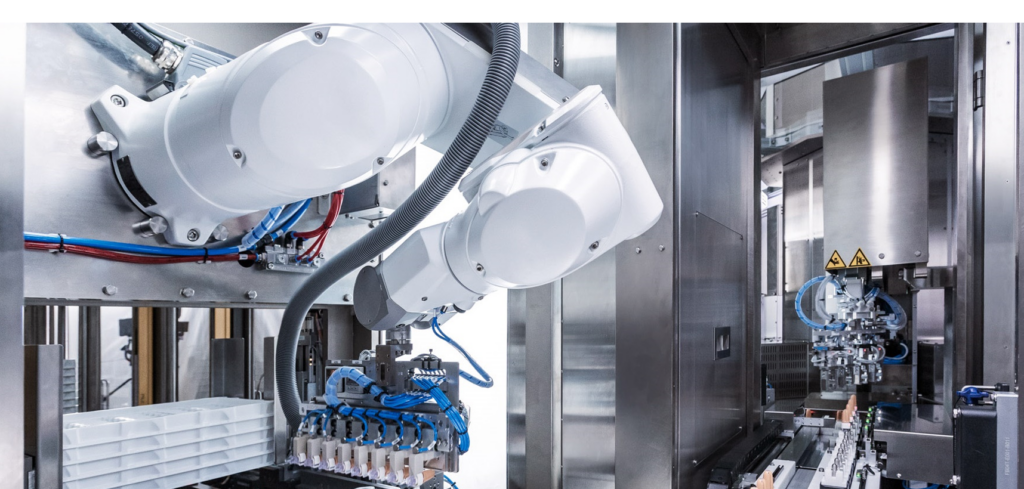
Addressing complexity challenges with Plant Simulation
Navigating the complexities of automation implementation necessitates overcoming several challenges. From data dependency and supplier collaboration to integration trials, each hurdle poses unique obstacles. However, Tecnomatix Plant Simulation emerges as a potent solution, enabling data adaptation, guiding suppliers with precise requirements, and minimizing costly trial-and-error processes.
Simulation model development
Central to our analysis is the development of a robust simulation model that encapsulates production data, layout design, operation flow, and intralogistics strategy. By meticulously crafting a virtual representation of manufacturing operations, we gain invaluable insights into the dynamics of manual and automated production stages.
Analysis of results
Our analysis delves into two key aspects: operation evaluation and performance comparison. By meticulously evaluating requirements, testing solutions, and implementing optimization adjustments, we unveil the tangible benefits of automation. From significant headcount savings to enhanced operation efficiency and intralogistics improvements, the data underscores the transformative impact of automation in autoinjector manufacturing.
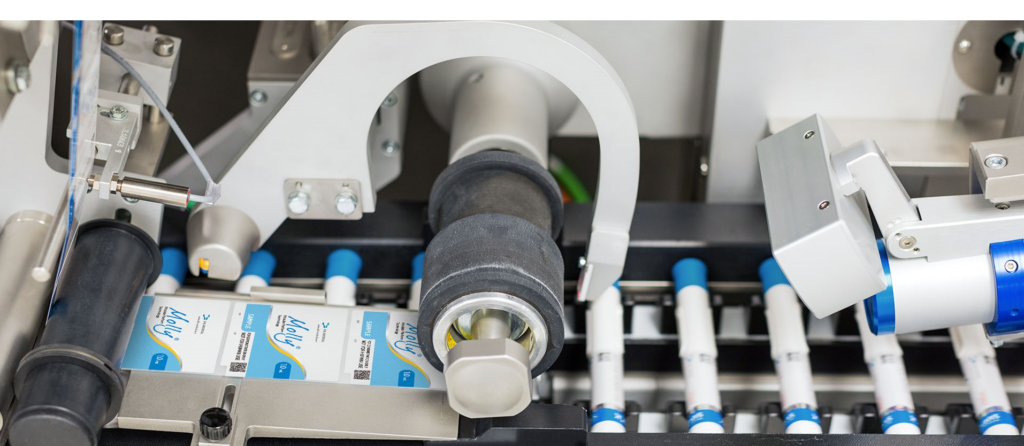
Analysis of results: Performance comparison
This segment delves into a comparative analysis between the manual and automated production stages, emphasizing the transformative changes achieved through automation and subsequent optimization adjustments. Utilizing plant simulation software as a powerful tool, the data presented below holds significance for the transition to automated systems, aiding in strategic decision-making and investment.
Benefits
- -60% headcount saving: Automation drastically reduces the need for manual handling and supervision, resulting in a substantial decrease in labor costs.
- 15 to -25% inventory level decrease: Automated systems facilitate more precise inventory control, leading to a notable reduction in excess stock and storage space requirements.
- +25% operation efficiency: Enhanced automation fosters swift material movements and efficient management, thereby enhancing overall stability and throughput.
- +25 to 35% intralogistics improvement: Optimized automated workflows streamline material handling processes, mitigating delays and boosting productivity. Furthermore, the automated storage and retrieval system (ASRS) effectively utilizes limited space, maximizing storage efficiency.
Conclusion
As we navigate the ever-evolving landscape of medical technology, automation emerges as a catalyst for innovation and efficiency. Through meticulous analysis and strategic insights, SHL Medical continues to spearhead transformative initiatives that redefine the boundaries of possibility within autoinjector manufacturing. Join us in shaping the future of healthcare delivery, one innovation at a time.