

Industry: Manufacturing
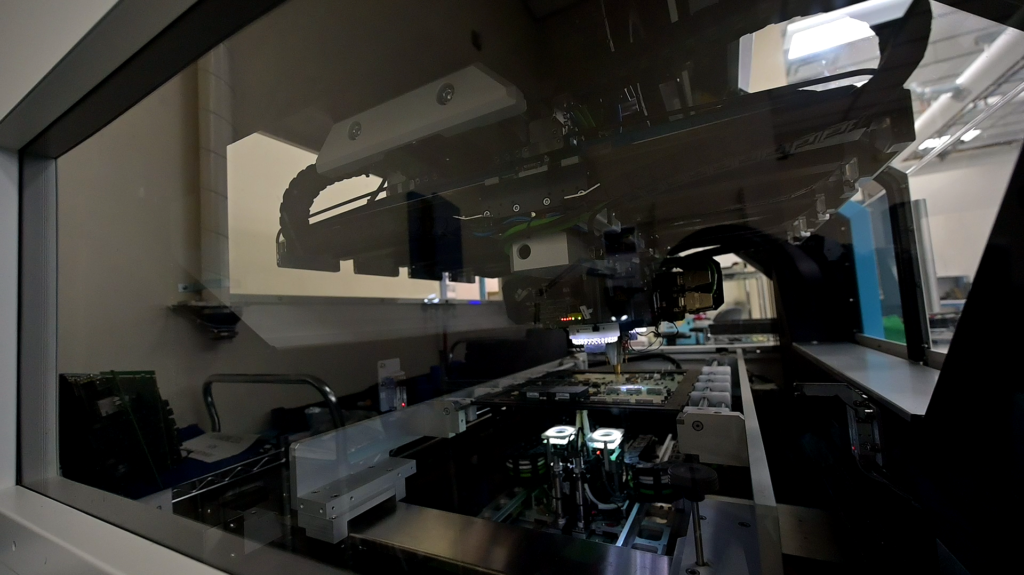
The SPEA Leonardo programming software is highly capable, but when scaling from a single board to multiple boards, there’s always room for improvement. That’s where Siemens Process Preparation comes in—designed to optimize test programming efficiency and streamline the entire workflow.
Engent Inc.: Excellence in Microelectronics
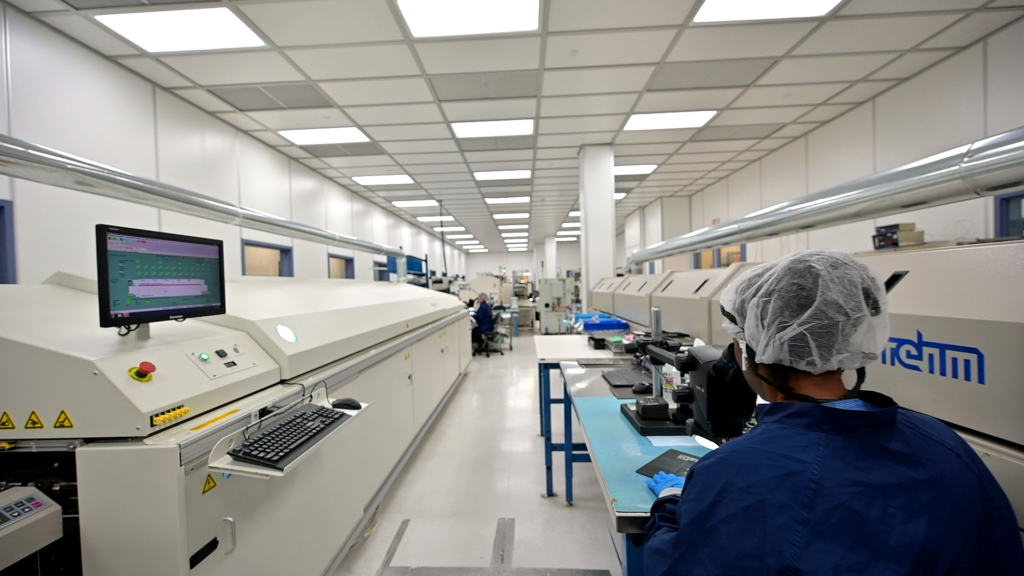
Located in Norcross, Georgia, Engent Inc. is a contract manufacturer founded in 2003, recognized for being at the forefront of microelectronics assembly. With deep expertise in advanced surface mount technology (SMTA), they excel in low- to medium-volume, high-mix turnkey production.
Their engineering capabilities support every stage of the product lifecycle—from product and process development, proof of concept, and new technology introduction (NTI), to design for manufacturing (DFM), new product introduction (NPI), and volume production. As an ITAR-registered company with AS9100:2016 certification, Engent is committed to delivering exceptional quality and reliability.
A Key Upgrade: Efficient Programming for SPEA Machines
When evaluating the capabilities of Process Preparation for their SPEA flying probe machine, Engent identified a significant opportunity: extending assembly support and refining programming workflows to substantially improve overall efficiency.
Solving the Gerber File Challenge
One of the main challenges was that SPEA Leonardo does not support Gerber files as a basis for test program creation. Since some of Engent’s customers provided only these files, a robust solution was essential.
With Process Preparation, not only is intelligent CAD data supported—raw Gerber files (274X or 274D) can also be transformed into a digital product model. This enables the extraction of critical information such as pin connectivity, netlists, and component intelligence, bringing the starting point much closer to intelligent CAD formats like ODB++.
Key Ways Process Preparation Enhances SPEA Test Programming
When integrated with SPEA Leonardo, Process Preparation dramatically speeds up test programming through:
- Seamless CAD Import – Ensures no loss of critical design data, including solder mask information. Missing solder mask layers? No worries—Gerber files can be used to reconstruct accurate board details.
- Effortless BOM Integration – Rapidly and accurately links the Bill of Materials to the test program, ensuring the right components are identified and tested.
- Intelligent Component Recognition – Automatically detects resistors, capacitors, diodes, and other components, even when CAD files lack clear designations.
- Accurate Package Outlines – Essential for flying probe testing, as precise dimensions determine optimal probe placement. Process Preparation taps into the Valor Parts Library, with access to over 35 billion part numbers for detailed package data.
- Automated Probe Placement – Using a complete digital twin of the PCB, Process Preparation calculates the best probe locations, reducing errors and debug time.
Less Downtime, More Productivity
Once the optimized test program is ready, Process Preparation sends all data to SPEA Leonardo in a single consolidated file, eliminating inefficiencies caused by rushed programming or manual adjustments.
Skipping steps may seem like a shortcut, but it often leads to costly delays during machine debugging. The goal is clear: minimize downtime. When the flying probe machine is running tests, it’s generating revenue. When it’s idle, it’s costing money.